

47 Ronin director Carl Rinsch gets 2.5 years for defrauding Netflix, even after Keanu Reeves defended him
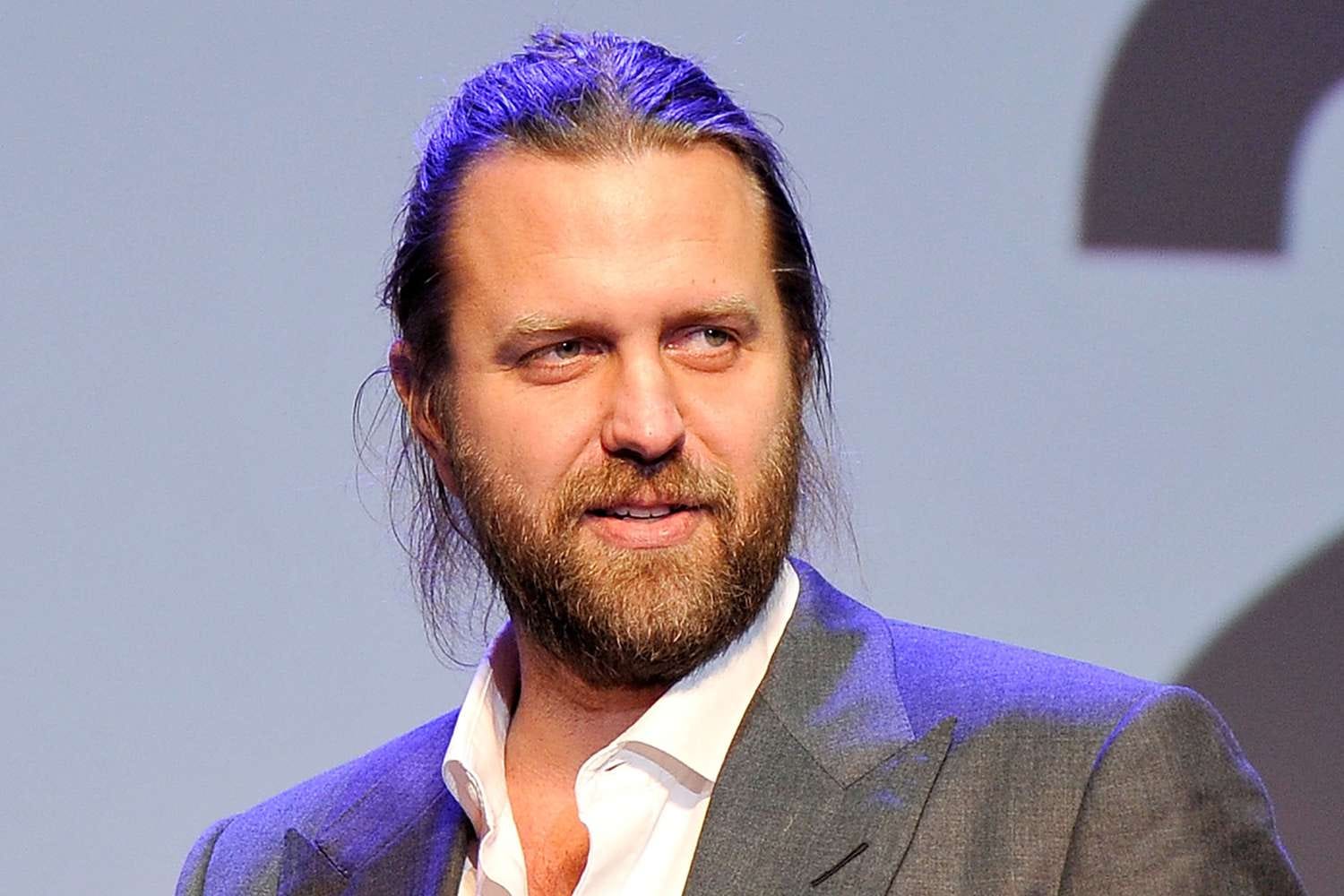
Director Carl Rinsch took $11 million from Netflix to finish a sci-fi series, then blew it on crypto, five Rolls-Royces, and $638,000 worth of mattresses. Now he’s headed to prison, despite a leniency letter from his 47 Ronin star Keanu Reeves. Here’s the wild story.
It’s one of the most jaw-dropping fraud cases Hollywood has seen in years. Carl Rinsch, the director of the 2013 film 47 Ronin, has been sentenced to prison for scamming Netflix out of $11 million, money he spent on crypto gambles and staggeringly expensive luxury goods.
And in a genuinely surprising twist, even a heartfelt plea from Keanu Reeves couldn’t keep him out of prison. Here’s the full, almost unbelievable story.
The sentence
On Monday, a federal judge sentenced Rinsch to 2 1/2 years (30 months) in prison for defrauding Netflix. He was convicted back in December 2025 of federal wire fraud and money laundering charges. On top of the prison time, he was ordered to pay $11 million in restitution and serve three years of supervised release. He’s due to report to prison on September 1 and says he plans to appeal.
Notably, prosecutors had asked for five years, they got half that, for reasons we’ll get into.
How the fraud worked
Here’s the scheme, and it’s a doozy.
According to prosecutors, Netflix originally paid Rinsch roughly $44 million between 2018 and 2019 to make an ambitious sci-fi series called White Horse (also known as Conquest). Then, in March 2020, Rinsch went back and said he needed another $11 million to finish production. Netflix paid up.
But Rinsch never put that money toward the show. Instead, prosecutors say he funneled it into a personal brokerage account and made a series of risky bets on stock options and cryptocurrency, losing around half of it in just a couple of months. What he didn’t gamble away, he spent, lavishly.

The spending spree that stunned the court
Here’s the part that reads like satire.
The luxury goods Rinsch bought with the money meant to finish his TV show are almost cartoonishly excessive:
Five Rolls-Royce cars (reportedly not even registered in his own name)
Piles of designer watches, clothes, and household goods
And the showstopper: $638,000 on two mattresses
Yes, over half a million dollars, on two mattresses. It’s the kind of detail that makes a fraud case go viral, and it did. And the show he was supposed to be finishing? Never completed. In fact, Rinsch had the audacity to then sue Netflix for an additional $14 million he claimed he was owed. He lost that case in arbitration.
Keanu Reeves stepped in, and it wasn’t enough
In a move that surprised many, Keanu Reeves, who starred in Rinsch’s 47 Ronin and became his friend over roughly 15 years, wrote a letter to the court asking for leniency. The famously kind-hearted John Wick star didn’t try to excuse the crime, but offered a more sympathetic view of his friend.
Reeves called Rinsch “an exceptional artist” and described the unfinished White Horse as “a superb and visionary work of art.” Crucially, he offered insight into what may have gone wrong, writing that Rinsch “can self-sabotage by amplifying the scale, scope and landscape of what had been negotiated.” Reeves revealed he’d even tried to help stage a mental-health intervention for Rinsch back in 2019, which Rinsch rejected.
He asked that the sentence “be tempered with measures of leniency and mercy as well as justice”, while making clear he wasn’t dismissing what Rinsch had done. It was a genuinely gracious gesture from one artist to a struggling friend.
The mental health question
Here’s the nuance the court had to weigh.
Reeves wasn’t alone. Rinsch’s brother, his former assistant, and others submitted letters describing a genuine and alarming change in his behavior beginning around 2019, with his former assistant saying it “seemed like a break from reality.” Rinsch and his lawyers argued his actions were fueled by untreated mental health struggles and medication problems, which they say he’s now addressing.
Judge Jed Rakoff appeared to take this seriously, it’s a big reason Rinsch got 30 months instead of the five years prosecutors wanted. But the judge was also clear-eyed about the limits of that explanation. Rinsch’s mental health difficulties “may explain some of the excesses,” Rakoff said, but they don’t “detract from the court’s conclusion that he was determined to lie to get substantial monies from Netflix, lie to cover it up.” In other words: real struggles, but also real, deliberate fraud.

Why this case matters
Here’s the bigger picture for Hollywood.
Beyond the eye-popping details, this case is a notable moment for the streaming era. Netflix and other streamers have poured astronomical sums into content over the past decade, often with remarkably little public accountability for where all that money goes. The Rinsch case is a rare instance of that spending being dragged into a courtroom, with a prosecutor bluntly calling his motive “naked greed.”
As U.S. Attorney Jay Clayton put it, “Today’s sentence sends a deterrent message: fraud will not be tolerated.” For an industry awash in cash and ambitious, expensive projects, it’s a reminder that the money isn’t infinite, and the consequences for abusing it are real.
Carl Rinsch’s Netflix fraud sentence: how it all shook out
Carl Rinsch is heading to prison for 2 1/2 years after one of the strangest, most excessive fraud cases in recent Hollywood memory, taking $11 million meant for a Netflix show and blowing it on failed crypto bets, five Rolls-Royces, and $638,000 in mattresses. Not even a moving leniency letter from Keanu Reeves could spare him a sentence, though it likely helped cut it in half.
It’s a genuinely sad story underneath the absurd headlines. By many accounts, Rinsch is a talented filmmaker who spiraled, possibly amid real mental health struggles, into deliberate, damaging fraud, taking down a promising project and the careers riding on it in the process. The judge himself called Rinsch “a very talented person” who could still make use of those talents after prison.
But the court also made the throughline clear: whatever pain was behind it, this was still a calculated lie for millions of dollars, and those don’t get a pass.
In Hollywood, apparently, even a $638,000 mattress can’t help you sleep through the consequences.
Want More Clownfish TV?
This article was brought to you in part by The Reefers of more.clownfishtv.com. Free subscribers get articles like this one in their inbox. Paid subscribers get the full Clownfish TV podcast feed, livestreams, and members-only episodes that never hit YouTube.
D/REZZED is part of Clownfish TV. For more news, views, and rants on gaming, tech, and pop culture, watch @ClownfishTV on YouTube and find the podcast on Apple Podcasts, Spotify, and iHeart.
Article compiled and edited by Derek Gibbs (entertainment editor) and the Clownfish TV newsroom.
Hat Tips:
NBC News, CBS News, and ABC News (Associated Press) (June 2026), verified for the sentencing (30 months / 2.5 years, the $11 million restitution, the December 2025 wire-fraud and money-laundering conviction, the September 1 prison-report date and appeal plans, Judge Jed Rakoff’s “determined to lie... lie to cover it up” comments, and the $44 million initial Netflix payments plus the $11 million in March 2020), and the spending details ($638,000 on two mattresses, luxury cars, watches, and clothing)
Variety and The Hollywood Reporter (June 2026), verified for the additional details (the five Rolls-Royces not in his own name, the crypto and stock-options losses, prosecutors seeking five years and calling the motive “naked greed,” the White Horse/Conquest project, Rinsch suing Netflix for $14 million and losing in arbitration, and Rakoff crediting mental-health evidence for the reduced sentence)
Global News and CBS News (June 2026), verified for Keanu Reeves’ leniency letter (the “exceptional artist” and “superb and visionary” quotes, the “self-sabotage by amplifying the scale, scope and landscape” observation, the 2019 intervention Reeves attempted, the ~15-year friendship from 47 Ronin, and the “tempered with measures of leniency and mercy as well as justice” request), and the mental-health letters from Rinsch’s brother and former assistant