

A $200K LEGO dispute just became a federal court case, and a YouTuber can’t post his big video
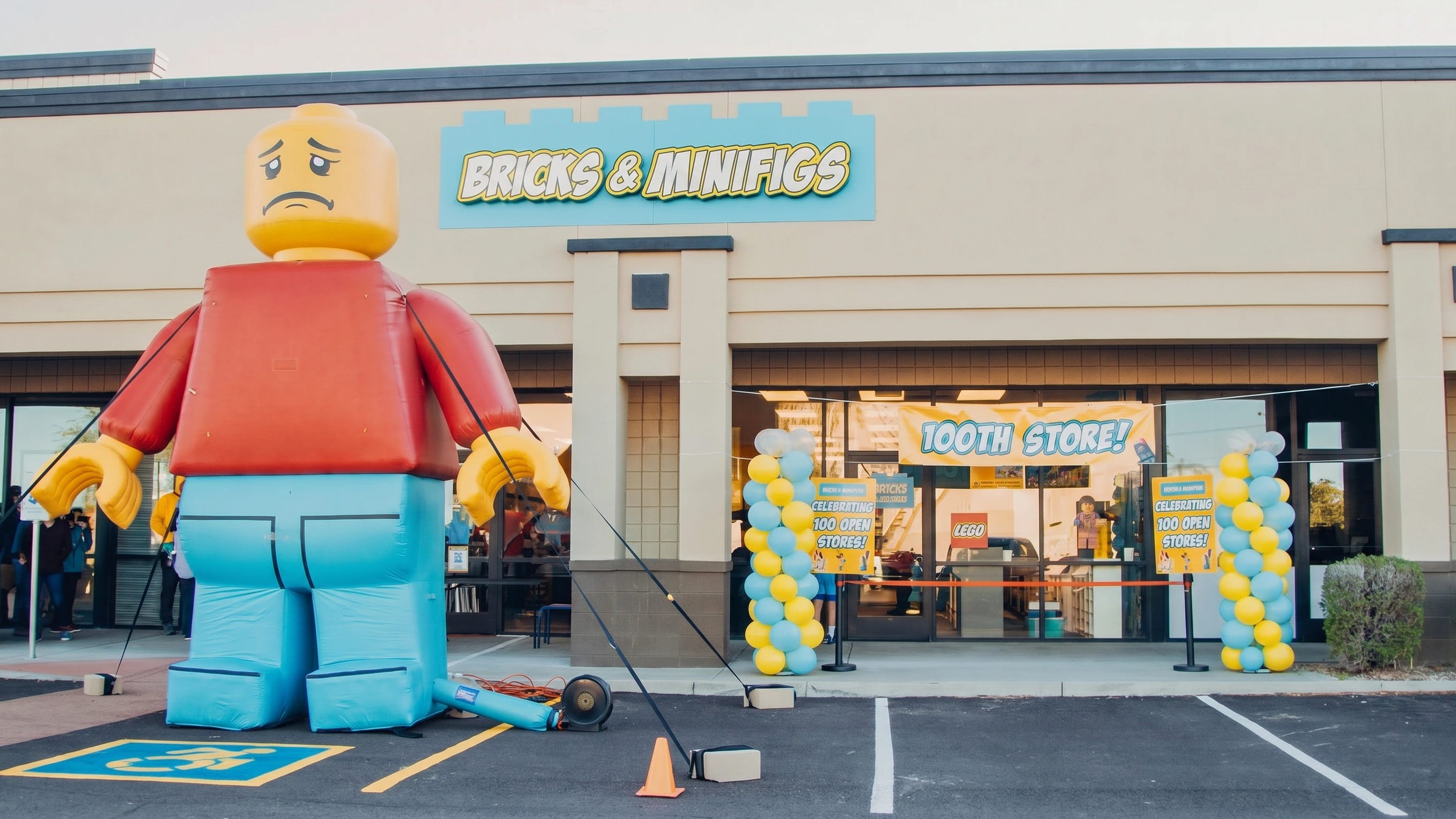
The Reckless Ben vs. Bricks & Minifigs saga keeps escalating. A judge declined to narrow the gag order keeping his investigation offline, so his lawyers moved the whole RICO case to federal court. Here’s the drama so far, and why it’s now a free-speech fight.
What started as a YouTuber investigating a missing LEGO collection has turned into a federal lawsuit, a gag order, and a free-speech standoff. The latest twist: the whole case just jumped to federal court.
It’s a genuinely wild story, so here’s the catch-up on the Reckless Ben vs. Bricks & Minifigs saga, and where it stands now. Quick note up front: this is an active lawsuit with serious claims on both sides, so the contested stuff here is allegations, not proven facts.
How it started: the LEGO collection
At the center of all this is a pile of LEGO worth a lot of money.
The Mansell family had a massive LEGO Star Wars collection, hundreds of sealed sets built up over decades. They consigned it to sell through a Bricks & Minifigs store in Oregon. Bricks & Minifigs, or “BAM,” is a franchise chain with over 300 stores that buy, sell, and trade LEGO.
Then the store changed ownership. According to the Mansells, their remaining collection wasn’t returned or paid out after the handover. The exact value is disputed, promoted as “over $200,000” at one point, but later records reviewed by investigators put it closer to $95,000 to $100,000. Either way, a family said they were out a fortune in LEGO.
How a YouTuber blew it up
This is where Reckless Ben comes in.
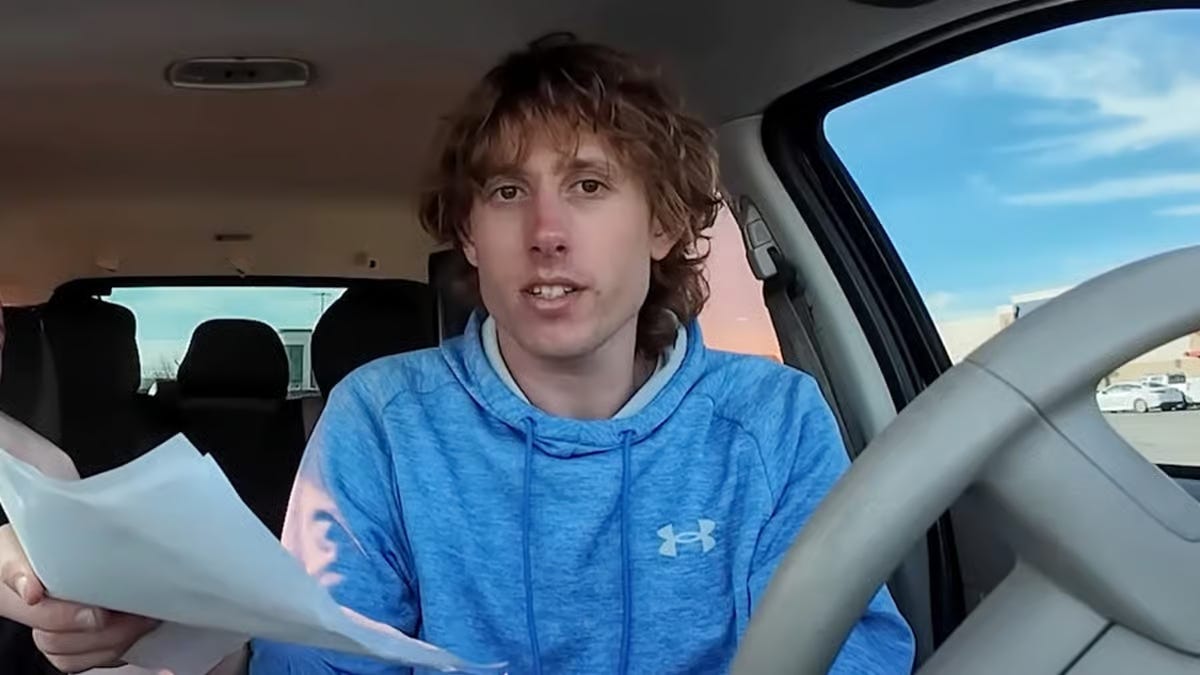
Ben Schneider, who runs the Reckless Ben YouTube channel, picked up the Mansells’ story and ran a viral video investigation into what happened to the collection. The videos took off, drawing huge attention to the dispute and putting Bricks & Minifigs under a national spotlight.
A separate investigation by well-known internet sleuth Coffeezilla also dug into the numbers, suggesting various parties’ accounts didn’t line up and that the collection was likely worth less than the headline $200,000. The story snowballed into one of the most-discussed scandals in LEGO collecting, and a GoFundMe for the Mansell family climbed to roughly $450,000.
How it turned ugly
From here, things got a lot more serious than a LEGO disagreement.
The fight spilled into the real world. Schneider traveled to Utah and escalated his campaign against people he tied to the dispute, including protests and stunts. In March 2026, he and several associates were arrested and charged with crimes including stalking, trespassing, and targeted residential picketing, after an incident involving someone dressed as a delivery driver approaching a person’s home. Schneider has alleged police mistreatment during his arrests.
Bricks & Minifigs sees the campaign very differently. On May 30, the company filed a civil RICO lawsuit, a law originally built to fight organized crime, accusing Schneider, Bryan Mansell, and others of running a coordinated harassment and extortion campaign against its franchise owners. The company denies wrongdoing on the collection and calls the situation an isolated issue with a single former franchisee.
To be clear, both sides accuse the other of serious misconduct, and none of it has been settled in court yet.
The part that makes it a free-speech fight
Here’s the wrinkle that’s drawn in people far beyond LEGO fans.
Along with the lawsuit, Bricks & Minifigs got a temporary restraining order that bars Schneider from posting about the dispute, and reportedly even covers some of his earlier videos. The result: Schneider says he has a finished “Part 3” of his investigation that he legally cannot release.
In a June 9 video titled “My final message,” he told viewers, “I can’t post it, or I will go to jail.” He said publishing it could blow up the lawsuit and put the Mansells’ GoFundMe money at risk, so he’s staying quiet against his instincts.
A court order that stops a creator from publishing journalism is exactly the kind of thing that worries free-speech watchers, who’ve raised “prior restraint” concerns, the legal term for blocking speech before it happens. Even Patreon got pulled in: after Bricks & Minifigs sent a takedown request, Patreon’s CEO publicly refused, essentially telling the company it could sue Patreon instead. Ben’s page stayed up.
What just happened: it’s going federal
Now the newest development, and why this story is back in the headlines.
The two sides had actually been inching toward a deal on the gag order. On June 24, they jointly asked the court to soften the restraining order into a narrower “preliminary injunction,” one that would still ban threats, doxxing, trespassing, and impersonation, while allowing more open discussion of the case.
But the judge, Tony F. Graf Jr., declined to sign it, flagging one section as too broad, particularly language about staying away from stores, offices, and employees’ and franchisees’ homes. The court noted it wasn’t even clear the defendants knew who all those people were, and that the proposed order didn’t address the videos that had been taken down.
Then, on June 26, Schneider’s attorneys filed a Notice of Removal, moving the entire case out of Utah state court and into the U.S. District Court for the District of Utah. Their argument: the two sides live in different states and the amount in dispute tops $300,000, which makes it eligible for federal court.
Where it goes from here
So here’s the state of play.
The case is now a federal lawsuit, the gag order question is unresolved, and Ben’s “Part 3” video is still locked in limbo. Both sides have reportedly floated mediation, but neither is giving up any claims. A preliminary injunction hearing that could decide whether the gag order survives, or gets struck down on First Amendment grounds, looms over the whole thing.
It’s a remarkable escalation for a story that started with a family’s LEGO collection. What’s kept everyone watching isn’t really the bricks, though. It’s the bigger question underneath: whether a company can use a lawsuit and a court order to switch off a creator’s reporting. However you feel about Reckless Ben’s methods, and they’re genuinely contested, that question is a real one, and now a federal judge gets to weigh in.
The collection started this. The First Amendment fight is what’s going to finish it.
Want More Clownfish TV?
This article was brought to you in part by The Reefers of more.clownfishtv.com. Free subscribers get articles like this one in their inbox. Paid subscribers get the full Clownfish TV podcast feed, livestreams, and members-only episodes that never hit YouTube.
D/REZZED is part of Clownfish TV. For more news, views, and rants on gaming, tech, and pop culture, watch @ClownfishTV on YouTube and find the podcast on Apple Podcasts, Spotify, and iHeart.
Article compiled and edited by Derek Gibbs (entertainment editor) and the Clownfish TV newsroom.
Hat Tips:
Dexerto (June 26, 2026), which reported the latest development, verified for the Notice of Removal to federal court, the June 24 declined TRO modification, the diversity-jurisdiction and $300,000 details, and the proposed injunction terms
Wikipedia and Brick Fanatics (June 2026), verified for the collection’s disputed valuation, the consignment and franchise-transfer timeline, the May 30 RICO filing, the March 2026 arrests and charges, and the June 30 hearing context
Kotaku (June 2026), verified for Schneider’s “My final message” video and “I can’t post it, or I will go to jail” quote, the TRO’s May 28 date, and the GoFundMe total
Nerdbeak and Coffeezilla’s reporting (June 2026), verified for the Patreon takedown refusal, the prior-restraint/press-freedom concerns, the records-and-consignment framing, and the revised collection valuation