

A gamer warned police he’d be swatted. They shot him anyway.

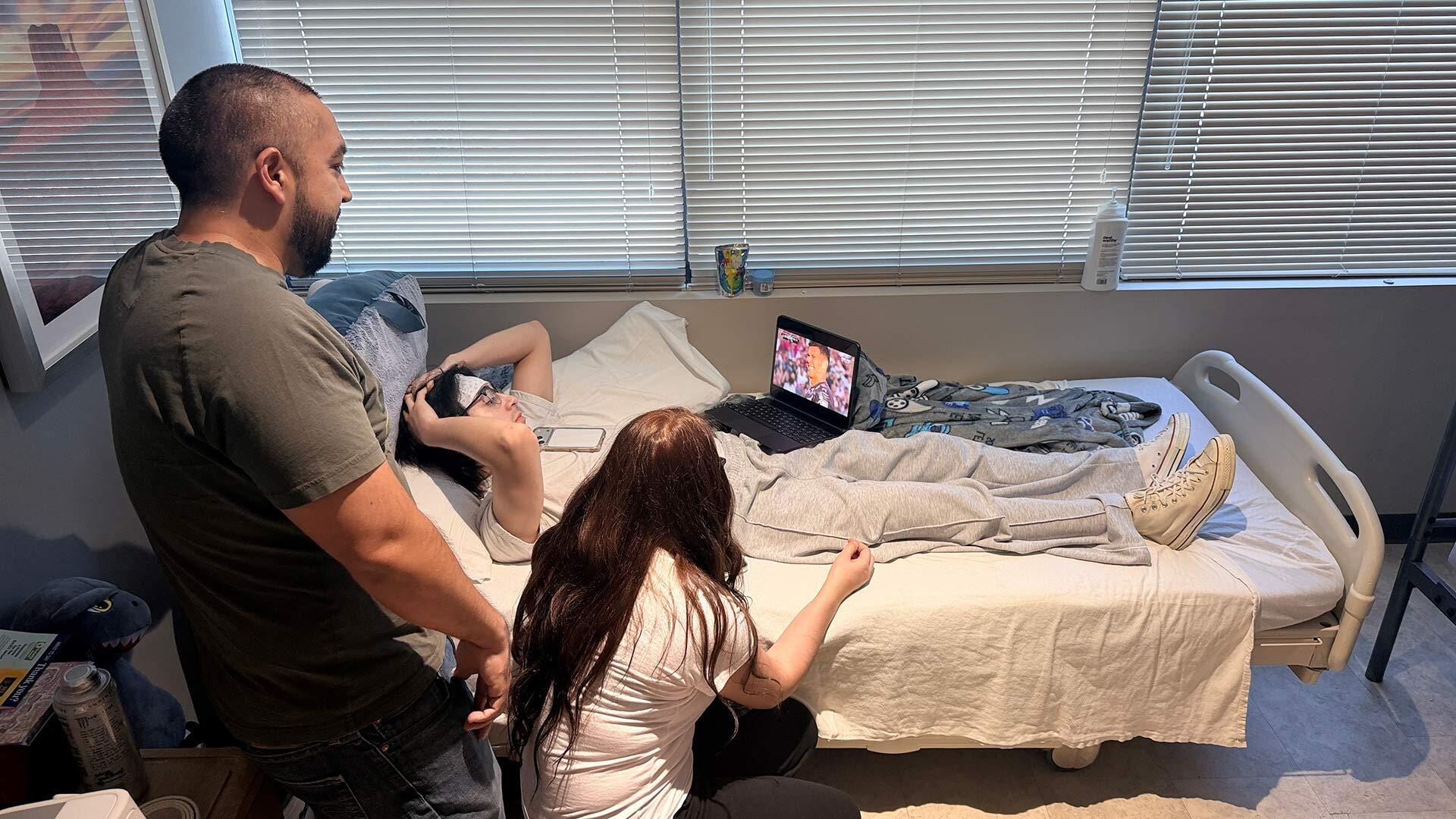
Axeel Melendez told the Pima County Sheriff’s Department that hackers were threatening to swat him. A dispatcher said nothing would happen. Two days later, deputies responding to a fake call broke into his bedroom and opened fire, leaving the 24-year-old paralyzed from the chest down. He’s seeking $176 million.
There’s a version of a swatting story where the victim never sees it coming. This isn’t that one, and that’s what makes it so hard to read.
Axeel Melendez did the thing you’d hope would work. He found out he was a target, and he called the police himself, ahead of time, to warn them.
It didn’t save him.
Two days later, deputies from the same department shot him in his own bedroom and left him paralyzed for life.
What happened
According to a notice of claim filed by his attorney and reported by the Arizona Daily Star, it started on April 8 while Melendez was playing the survival game Rust. Someone on the server asked to inspect his computer to prove he wasn’t cheating. He agreed. Soon after, alerts started coming in that his accounts were being accessed.
Whoever it was took control of his email and personal information, then demanded money. The threats escalated from there.
Pay up, they said, or they’d call in a fake emergency to his house and report his family to immigration authorities, even though the Melendezes are U.S. citizens.
That’s swatting, or the threat of it: making a false report of a violent crime to send armed officers to someone’s home. It’s used as extortion, harassment, and intimidation, and it has been part of gaming and streaming culture for more than a decade.
The warning that went nowhere
Here’s the part that separates this case from most. Melendez called the Pima County Sheriff’s Department the same day to get ahead of it.
An incident report quoted in the filing shows a deputy noted that because Melendez had reported the threat in advance, he “should be alright,” and that if any calls came in later, deputies would contact him and he could explain he’d been the victim of fraud.
Melendez says a dispatcher was more blunt, telling him that people can’t just call SWAT on you, that’s not how it works, and that nothing was going to happen.
Two days later, something happened.
April 10
On the morning of April 10, someone impersonating Melendez called Tucson’s 311 non-emergency line and claimed his father had shot his sister, giving Melendez’s address.
Deputies came to the house, tried the doors, and broke Melendez’s bedroom window with a shovel. Once inside, they fired eight shots.
Two struck Melendez, who was holding a legally owned handgun. The rounds shattered his leg, broke his ribs, and damaged his spinal cord.
His mother, Carmen Melendez, was in the home. He survived, but the injury left him paralyzed from the chest down.
The red flags in the fake call
Melendez’s attorney, Dev Sethi, argues the call had obvious signs of being fake that deputies should have caught. It came to 311, not 911, and as Sethi put it, nobody reporting a real emergency calls a city services line.
The caller mispronounced Melendez’s own first name while pretending to be him. It came from an out-of-state area code.
The notice of claim, the required first step before suing a public entity in Arizona, seeks $176 million from Pima County and the sheriff’s department, including damages for Carmen.
It accuses the department of “rash decision-making and recklessly dangerous shoot-from-the-hip mentality.” The Pima County Sheriff’s Department has declined to comment, citing the pending litigation, and none of the claim’s allegations have been tested in court.
Swatting has killed before
Melendez survived. Others haven’t.
The name that comes up in every conversation about this is Andrew Finch. In December 2017, the 28-year-old Wichita father was shot and killed on his own porch by police responding to a swatting call. The hoax grew out of a dispute over a Call of Duty match involving a wager of a couple of dollars.
Finch had nothing to do with it. A serial swatter had been given his address by mistake, and an officer shot him within seconds of arriving. He’s considered swatting’s first fatality.
The swatter, Tyler Barriss, had made roughly 100 such calls and was known online for his ability to manipulate dispatchers. He pleaded guilty to dozens of charges and was sentenced to 20 years in federal prison. It remains the case that defined how deadly a phone call can be.
Swatting has only spread since. The FBI has long estimated hundreds of incidents a year, a number that has climbed as the tactic jumped from gamer feuds to livestreamers targeted mid-broadcast, then to celebrities, politicians, hospitals, and schools.
Just last year, an 18-year-old in California was sentenced to four years for a nationwide swatting spree aimed at schools.
The law hasn’t caught up
For a crime this dangerous, the legal response is a patchwork.
There’s no single comprehensive federal swatting statute. Prosecutors instead reach for related charges, hoax threats, wire fraud, conspiracy, transmitting threats across state lines, which can carry up to five years for a base offense and up to life if someone dies. Convictions happen, but the charging is inconsistent, and swatters are often anonymous or overseas and hard to catch at all.
Attempts to write a dedicated federal law keep stalling. Bills like Representative Katherine Clark‘s effort to create clear federal swatting penalties have gone nowhere in Congress, and Clark herself was swatted in apparent retaliation for pushing one. States have moved faster in places.
Kansas passed a law named for Andrew Finch that imposes sentences of 10 to 41 years for swatting that causes serious injury or death. But protection depends heavily on which state you live in, and the calls to toughen the laws, to treat swatting as the violent act it is rather than a prank, have grown louder with each case like this one.
Where the case goes
The person who set all this in motion may never face consequences. Most swatters don’t, and the one who targeted Melendez is still unidentified.
But the swatter is only half of what this claim is about. The deputies who shot Melendez worked for the same department he had called for help two days earlier, warning them this exact thing might happen.
That is the heart of the $176 million he’s seeking, and it is not something a tougher swatting law would have fixed. A young man asked the police to protect him from a fake emergency, and it was the response to that fake emergency that put him in a wheelchair for the rest of his life.
Article compiled and edited by Derek Gibbs (entertainment editor) and the Clownfish TV newsroom.
D/REZZED is part of Clownfish TV. For more news, views, and rants on gaming, tech, and pop culture, visit clownfishtv.com. Watch the show on YouTube at @ClownfishTV where new episodes drop daily. Subscribe to the Clownfish TV podcast on Apple Podcasts, Spotify, iHeart, and wherever else you get your podcasts. Sign up for the free newsletter at more.clownfishtv.com.
Hat Tips:
Arizona Daily Star / Tucson.com — the notice of claim, the incident report language, the timeline, and the “shoot-from-the-hip” allegation
AZPM — attorney Dev Sethi’s account of the April 10 call’s red flags and the details of the filing against Sheriff Chris Nanos
Law & Crime / IBTimes — the extortion and ICE threats, the eight shots, the injuries, and the department declining to comment
A&E / LegalClarity / TechCrunch — the Andrew Finch case, Tyler Barriss’s 20-year sentence, and the federal penalty framework
Wikibooks / Citizen Tribune — the Kansas Finch law, the stalled federal bills, and Katherine Clark being swatted over her anti-swatting stance