

A teen's $200 joke game made $1.38 million on Steam, then 99.9% of buyers refunded it
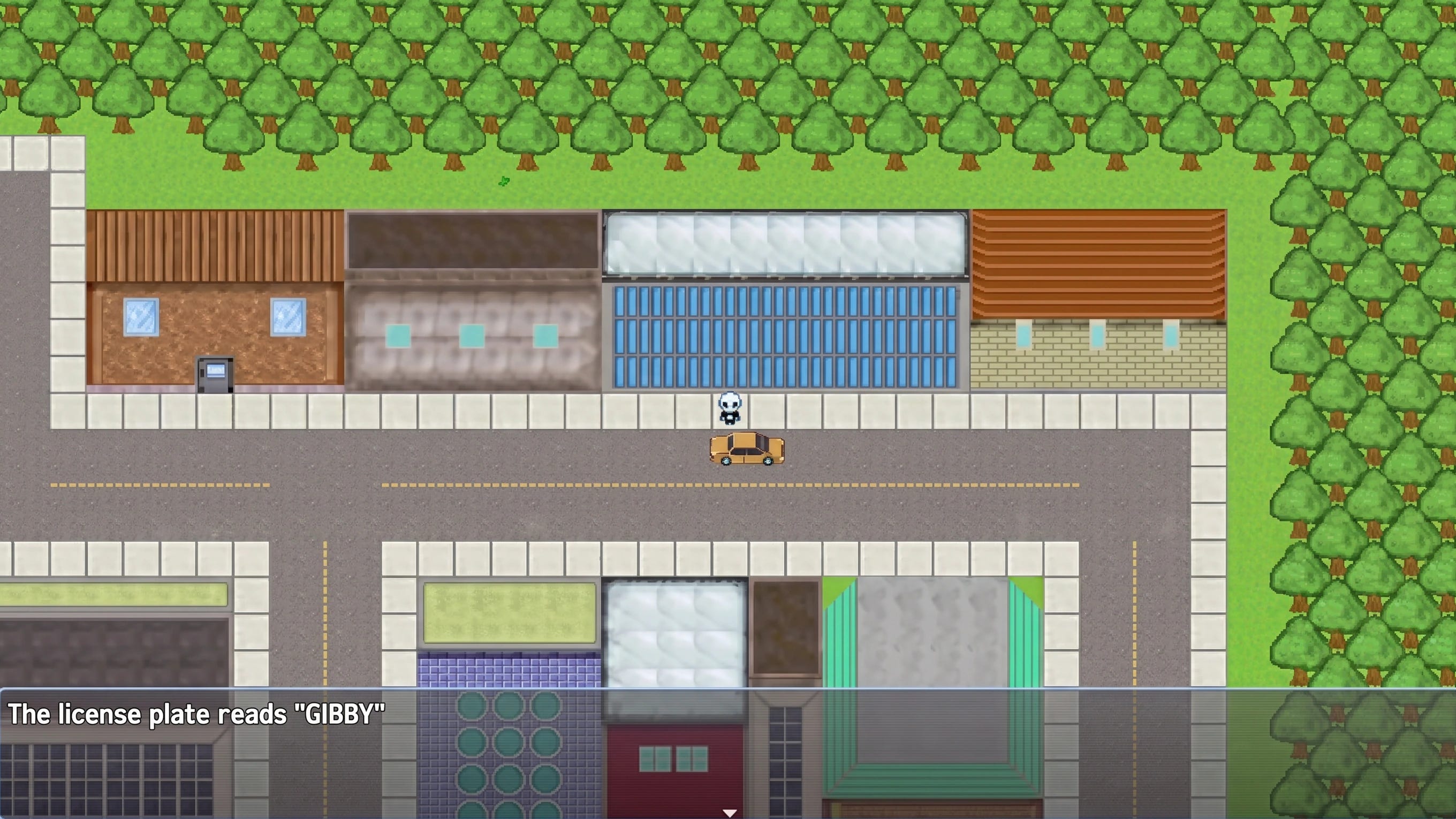
Michael Major, 18, priced his joke game “This Game Costs $200” at Steam’s maximum, expecting no sales. It grossed $1.38 million, then 6,707 of 6,717 buyers refunded, mostly from China. He walked away with $2,045.
An 18-year-old put a joke game on Steam for $200, expecting to sell nothing. It grossed $1.38 million. Then almost every single buyer asked for their money back.
Michael Major, a developer from New Hampshire, released This Game Costs $200 in January, priced at $200 because that’s the maximum Steam allows. It was a gag, a follow-up to his earlier This Game Costs $10, and he genuinely didn’t expect anyone to bite.
Then he checked the numbers. “I saw $1.3 million. I think I almost died,” Major told local station WMUR. The feeling didn’t last.
The refund wipeout
The seven-figure gross evaporated almost as fast as it appeared.
Steam data Major shared shows 6,717 purchases, and 6,707 refunds, a 99.9% return rate. Only ten sales actually stuck. After the refunds and Steam’s standard revenue cut, his real payout came to about $2,045, a fine sum for a joke game, but a rounding error next to the $1.38 million that briefly flashed on his dashboard.
The strangest detail: most of the purchases came from China, and most buyers refunded without ever launching the game.
Why would anyone buy a $200 game just to refund it?
Major has theories, and none of them are comforting.
His leading guess is Steam Points farming. Steam rewards points based on how much you spend, so buying a $200 game generates a big pile of points, then refunding it returns the cash while, in some cases, letting the buyer keep the points. Buy high, refund, keep the reward. At scale, that would explain thousands of instant purchase-and-refunds on the most expensive thing available.
His other theory is darker and more speculative. “I have heard of expensive games on Steam being used for money laundering. I have no idea. I could be on a hit list right now,” he said, half-joking. Moving money through a $200 digital product that’s immediately refunded is the kind of pattern that raises eyebrows, though there’s no evidence that’s what happened here.
What it says about Steam
The episode is a snapshot of how weird Steam’s economy has gotten.
Absurd pricing stunts have become a genre unto themselves, there’s a $1,000 game on the platform that lasts ten minutes, and just last month another developer watched 55,000 refunds roll in after players blitzed through his game inside Steam’s two-hour refund window. Major’s game leans into the bit: its Steam page calls it “the swindle to end all swindles,” a psychological experience trying to convince you it’s really worth $200, set in a world called Schizopia full of beer cases and cigarette packs.
Its lone review, from someone who played 0.6 hours, rated the $200 purchase less embarrassing than eating a sandwich soaked in toilet water.
The real lesson is quieter than the funny number. A seven-figure sales counter means nothing when the platform’s refund policy can reverse 99.9% of it overnight, and a “hit” game can leave its maker with two grand and a genuine question about who, exactly, was buying. Major set out to prove nobody would pay $200 for a joke. Thousands did, briefly. The joke, it turned out, was on the dashboard.
Article compiled and edited by Derek Gibbs (entertainment editor) and the Clownfish TV newsroom.
D/REZZED is part of Clownfish TV. For more news, views, and rants on gaming, tech, and pop culture, visit clownfishtv.com. Watch the show on YouTube at @ClownfishTV where new episodes drop daily. Subscribe to the Clownfish TV podcast on Apple Podcasts, Spotify, iHeart, and wherever else you get your podcasts. Sign up for the free newsletter at more.clownfishtv.com.
Hat Tips:
WMUR-TV (via GameSpot and GamesRadar) (August 2026), verified for Michael Major being an 18-year-old from New Hampshire, the “I saw $1.3 million, I almost died” quote, the January release, the follow-up-to-This-Game-Costs-$10 origin, the maximum-price reasoning, and the money-laundering and Steam-Points theories
GameSpot (August 2026), verified for the 6,717 sales and 6,707 refunds (99.9%), the $1.38 million gross, the $2,045 payout, the majority-China detail, and the Steam page’s “swindle to end all swindles” and Schizopia descriptions
Dexerto (August 2026), verified for the Steam Points-farming theory, the prior 55,000-refund incident, the $1,000 ten-minute Steam game, and the toilet-water-sandwich review
XDA and tbreak (August 2026), verified for the exact $1,345,650 gross figure, the buy-refund-keep-points mechanic, and Valve not responding to requests for comment