

Amazon Wants to Replace Podcasters With AI, YouTube Grandma Got Swatted, Nintendo Got Bomb Threats
ICYMI: Amazon comes for podcasters, a streaming grandma got swatted, and Nintendo HQ got mailed bomb threats.
The week kept finding ways to confirm that the creator economy is under siege from every direction.
Amazon wants to replace human podcasters with AI and is partnering with mainstream news outlets including The New York Times to do it. An 81-year-old grandma livestreaming Minecraft to raise money for her grandson’s cancer treatment got swatted. And Nintendo HQ in Japan got hit with mailed bomb threats from a 27-year-old who started sending letters back in March.
Here’s what actually happened on each, in case you missed it.
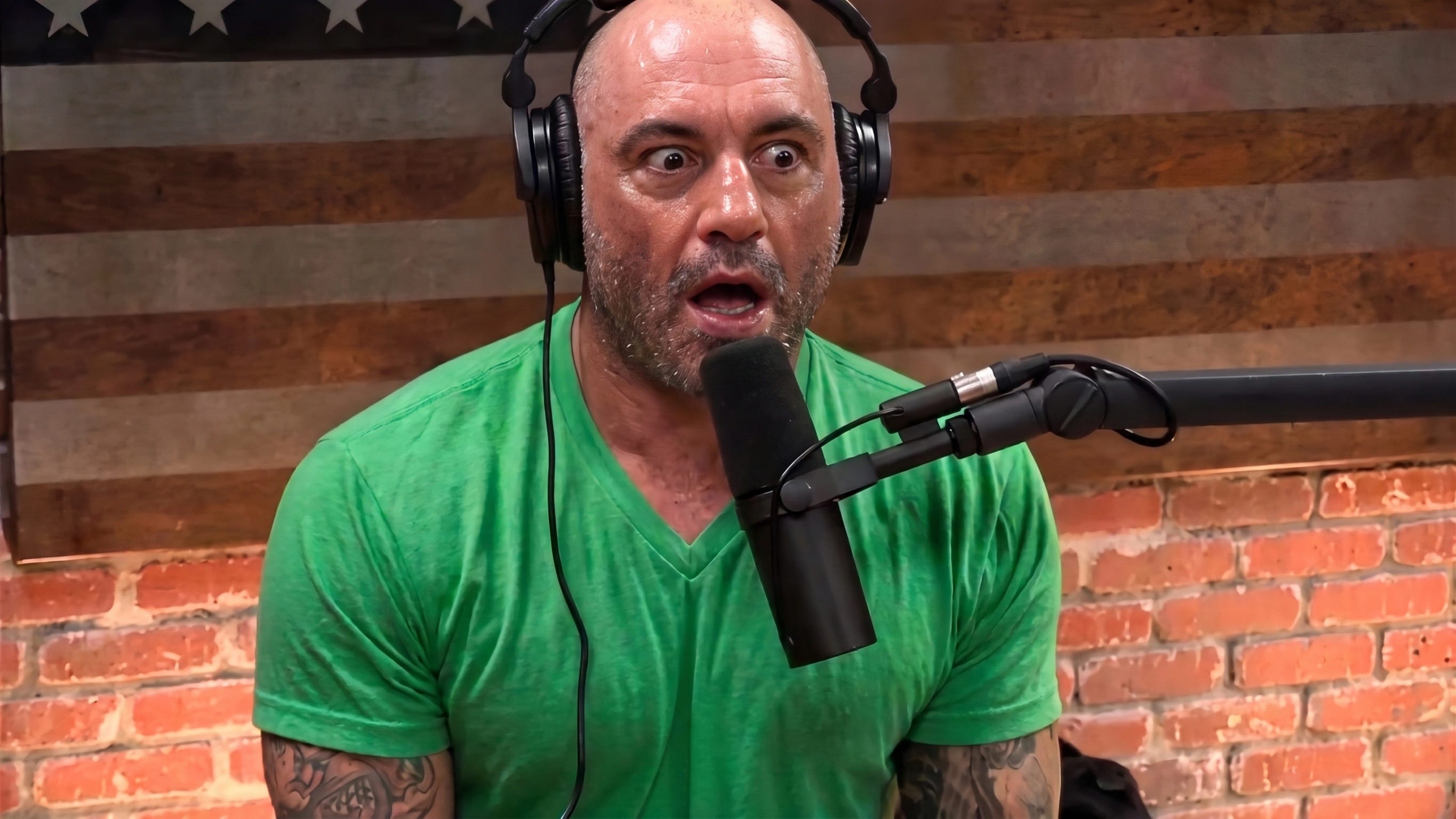
Amazon Wants to Replace Podcasters With AI
Amazon wants to replace human podcasters with AI, and they’re working with mainstream news outlets including The New York Times to do it. The pitch is presumably that AI-generated audio content can be produced faster, cheaper, and at higher volume than human-hosted podcasts, which means platforms get more inventory to monetize and traditional media gets a new distribution channel.
The math is the point. Amazon’s audio platform needs content to fill listening hours and sell ads against. Human podcasters take time, money, and creative independence to maintain. AI-generated podcast content scales infinitely at near-zero marginal cost. From Amazon’s perspective, that’s an obvious win.
From the human podcaster perspective, that’s an existential threat. The entire independent podcast economy is built on the premise that listeners want real people having real conversations. Amazon’s bet is that listeners actually just want background audio while they commute or work out, and that the human element can be simulated convincingly enough to capture the same listening hours.
This ties directly to last brief’s story about Hollywood writers training their AI replacements. The pattern across creative industries is consistent. Platforms identify a cost center (human creators), develop AI substitutes, and roll out the replacement gradually while the existing creator economy adjusts or doesn’t.
Whether listeners reject AI podcasts is the open question. The independent podcasting community is genuinely engaged and the audience has self-selected toward authenticity. But Amazon doesn’t need to convert hardcore podcast listeners. They need to capture casual audio consumers who don’t care who’s talking as long as something is playing.
An 81-Year-Old Cancer-Fundraising Grandma Got Swatted on Stream
GrammaCrackers, an 81-year-old grandma who livestreams Minecraft to raise money for her grandson’s cancer treatment, got swatted while live on stream. Police arrived at her home with weapons drawn in response to a fake threat call from someone who wanted to terrorize an elderly woman raising money to pay for a child’s chemotherapy.
The cruelty is what makes this story. Swatting is a serious crime that has killed people before — there are documented cases of swat victims dying during armed police response to false reports. Targeting an 81-year-old grandmother streaming for a charitable cause is the kind of behavior that exists on the absolute edge of what humans do to each other for entertainment.
Whoever did this committed a federal crime. Swatting prosecutions have escalated significantly over the past several years as platforms and law enforcement have gotten better at tracing the calls. The person responsible will likely be identified and prosecuted, but that doesn’t undo the trauma of an armed police response in an elderly woman’s home.
For the streaming community, the story is another reason for content creators to use IP-masking, P.O. box addresses, and other operational security measures that shouldn’t be necessary but are. The minority of streaming viewers willing to commit federal crimes for kicks makes the rest of the audience pay for the cost of the precautions.
Nintendo Got Mailed Bomb Threats From a Guy in Japan
Nintendo HQ in Japan got hit with mailed bomb threats from a 27-year-old unemployed man who started sending letters back in March. Japanese police have arrested him. The motivation for the threats is still being investigated.
Bomb threats against major game publishers aren’t unprecedented but they’re not common either. The pattern usually involves disgruntled individuals with personal grievances against the company rather than organized actors with strategic objectives. The fact that this person sent multiple letters over a period of months suggests a sustained personal grievance rather than a one-off action.
For Nintendo, the practical impact is enhanced security at HQ and the ongoing legal process around the suspect. For the broader gaming industry, the story is a reminder that high-profile companies attract a small but persistent number of bad actors who escalate from online complaints to physical-mail threats.
The 27-year-old unemployed demographic is also the same demographic involved in most game-industry harassment campaigns, which says something about the economic conditions producing this kind of behavior. People with stable employment and social ties generally don’t mail bomb threats to game companies.
We’ll get back to the article in a second, but first — Clownfish TV is also a podcast. If you like the way we cover this stuff in writing, you’ll probably like hearing us cover it on the show. New episodes drop daily on YouTube at @ClownfishTV and the audio version is on Apple Podcasts, Spotify, iHeart, and wherever you get your podcasts. Sign up for the free newsletter, The Reef, at more.clownfishtv.com. Now, back to the news.
Fans Just Decanonized Indiana Jones and the Dial of Destiny
Indiana Jones and the Dial of Destiny got decanonized by fans on X, with so many people having already forgotten about the 2023 Disney film that not considering it canon was trending. Bad day for Lucasfilm.
The decanonization trend is itself the story. Fans don’t generally bother to publicly reject media they liked. The decanonization wave only happens when a property has so thoroughly failed to land with the audience that pretending it never existed becomes the path of least resistance for fans who want to engage with the broader franchise.
Dial of Destiny underperformed at the box office in 2023, received mixed-to-negative reviews, and disappeared from cultural conversation almost immediately after release. It’s the kind of film that exists primarily as a data point in articles about Disney’s struggles rather than as a film people actually rewatch or recommend.
The trending decanonization comes on the heels of last brief’s underwhelming early reactions to The Mandalorian and Grogu. Lucasfilm’s recent track record is genuinely concerning for the broader Disney portfolio. The brand equity Star Wars and Indiana Jones built over decades is being eroded faster than anyone predicted possible.
James Gunn’s Supergirl Promotion Is Already Doing Damage Control
James Gunn Supergirl promotion has begun, and the media campaign is already in damage-control mode blaming toxic fandom for attacks on lead actress Millie Alcock. The framing came before the film opened, which is unusually early for a major studio release to be defending against criticism.
The pre-release damage control suggests DC Studios is anticipating the same audience reception pattern that’s hit several recent DCEU and post-DCEU projects. The toxic fandom framing is the standard studio response when early audience reactions trend negative, and using it before opening weekend is essentially conceding that the marketing team expects the film to underperform.
Millie Alcock is a talented actress whose work in House of the Dragon was widely praised. The casting itself isn’t the issue. The issue is that DC Studios under James Gunn’s leadership is launching multiple new franchises simultaneously while the audience is still skeptical from the previous DCEU era’s mixed-quality output. Each new release has to fight uphill against accumulated audience fatigue.
Whether Supergirl connects with audiences will be determined by the film itself. The early damage control just signals that DC Studios is bracing for impact.
The 1986 Transformers Movie Is Returning to Theaters
Hasbro just greenlit the original 1986 animated Transformers movie for a limited theatrical rerelease this summer. Optimus Prime’s death scene, the Touch needle drop, the full 80s robot carnage — all returning to big screens to capitalize on the broader Transformers brand resurgence.
This is genuinely good news for Gen X and elder Millennials who grew up with the original animated film. The 1986 Transformers movie is widely considered one of the better animated theatrical features of its era and a defining childhood-trauma moment for the kids who watched Optimus Prime die unexpectedly in the first act.
The strategic logic for Paramount is straightforward. The live-action Transformers franchise has been hit-or-miss for years. Limited rereleases of classic animated content cost almost nothing to put back in theaters and generate goodwill plus modest revenue. If it performs well, it suggests audience appetite for additional classic-era Transformers content. If it doesn’t, Paramount loses very little.
The rerelease is also a smart marketing move for any upcoming Transformers projects. Reminding audiences why they loved the franchise in the first place is the kind of brand-positioning work that pays off across multiple future projects.
Worth Tracking
A few more items worth knowing about. Dunkin is dropping the 48-ounce coffee bucket nationwide on May 22, a literal clear plastic bucket with handle, lid, and oversized straw priced at $8-$12. One person can theoretically mainline enough caffeine through this thing to power a small city. Whether this represents an evolution in human achievement or the end of one is genuinely unclear.
That’s the week. Catch the full breakdowns on the Clownfish TV YouTube channel where the actual rants live, or read the full posts at ClownfishTV.com.
Article compiled and edited by the Clownfish TV newsroom.
Want More Clownfish TV?
This article was brought to you in part by The Reefers of more.clownfishtv.com. Subscribers there get the full Clownfish TV podcast feed including livestreams and members-only episodes that don’t make it to the free side, plus articles like this one delivered to their inbox. Free subscribers get the articles. Paid subscribers get everything.
You can also watch the show on YouTube at @ClownfishTV where new episodes drop daily.
And if you’d rather listen on the go, the Clownfish TV podcast is available on Apple Podcasts, Spotify, iHeart, and wherever else you get your podcasts. Hit subscribe, leave a 5-star rating, and write us a review if you’ve got a minute. It actually helps.
Hat Tips:
ClownfishTV.com video posts (May 18-21, 2026) — primary source for the week’s coverage
Amazon podcast AI partnership announcements and The New York Times coverage (May 2026)
GrammaCrackers swatting incident reporting (May 21, 2026)
Japan Nintendo HQ bomb threat arrest coverage (May 20, 2026)
Indiana Jones Dial of Destiny X trending coverage (May 19, 2026)
DC Studios Supergirl promotional coverage (May 20, 2026)
Paramount Transformers 1986 theatrical rerelease announcement (May 20, 2026)
Dunkin 48-ounce coffee bucket nationwide launch (May 22, 2026)