

AMD now makes 8x more from AI than from gaming
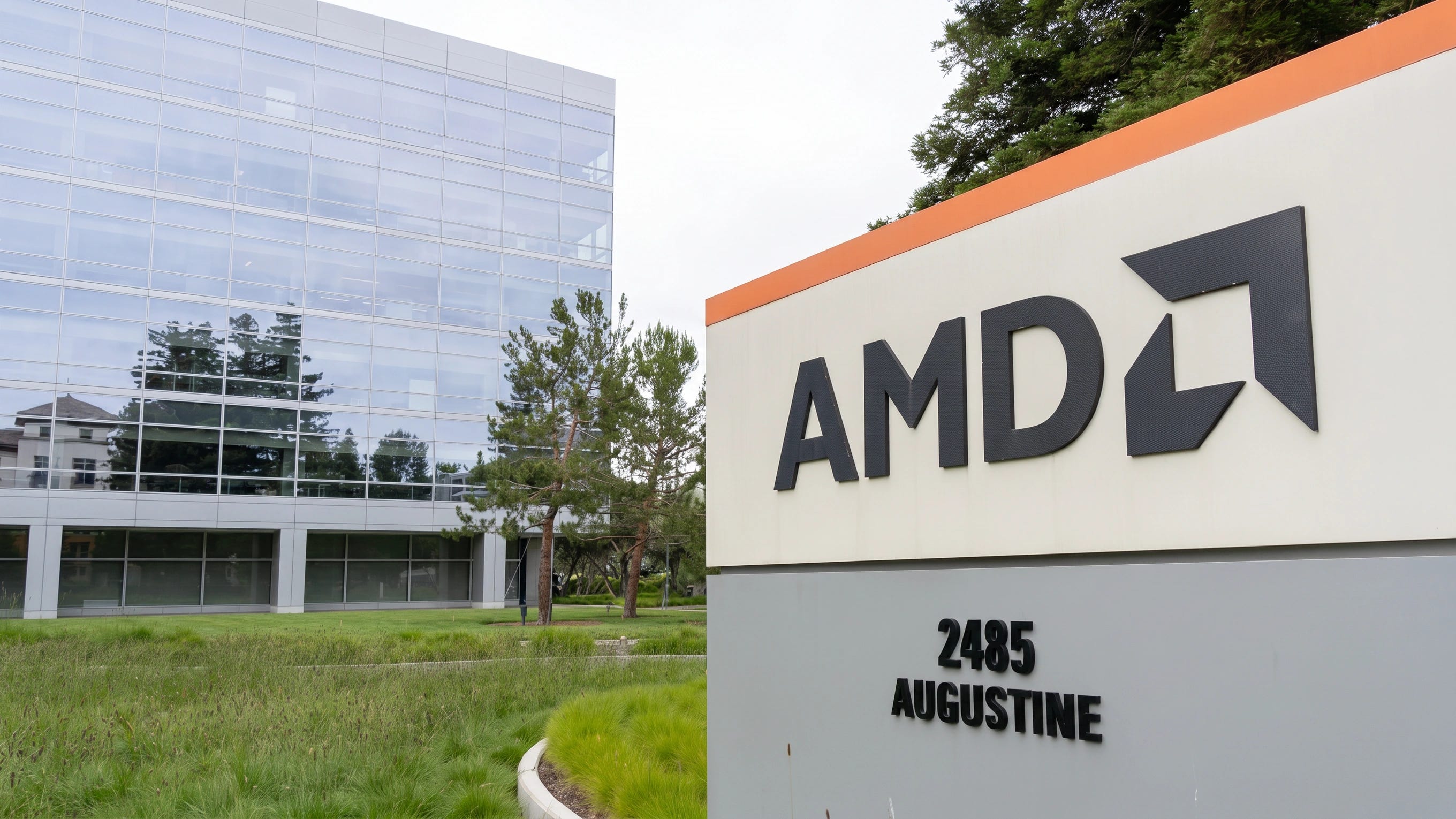
AMD’s latest earnings show data center revenue at $6.7 billion versus $779 million from gaming, an 8.6-to-1 gap. Gaming fell 31% while data center more than doubled. The company that makes your console chips has moved on.
AMD just reported making nearly nine times more money from AI data centers than from gaming, and the gap tells you where the chip industry’s head is at.
In its second-quarter 2026 earnings, AMD posted $11.5 billion in total revenue. Of that, the Data Center division brought in $6.7 billion, while the Gaming division managed $779 million.
That’s about 8.6 times more revenue from data centers than from games. The company that makes the chips inside your PlayStation and Xbox now treats gaming as a rounding error next to AI.
The gap is widening fast
It’s not just that AI is bigger. It’s that the two are moving in opposite directions.
AMD’s data center revenue more than doubled year over year, up 107%, driven by demand for its EPYC processors and Instinct AI GPUs as it chases Nvidia in the AI-accelerator market. Data center is now 58% of AMD’s entire business.
Gaming went the other way, down 31% year over year. So one line is rocketing up while the other slides, and the distance between them grows every quarter.
Why gaming revenue is actually falling
Before reading this as “AMD is bad at gaming,” the real reason is more boring and more structural.
The drop is mostly “semi-custom” revenue, the chips AMD makes to order for the PS5, Xbox Series X/S, and Steam Deck. Those consoles are late in their lifecycle. Five years into a generation, sales slow, so AMD sells fewer console chips. That’s the cycle working as designed, not AMD losing a fight.
CEO Lisa Su also pointed to rising component costs pushing graphics-card prices up and denting demand. So it’s late-cycle consoles plus expensive GPUs, not a collapse in AMD’s gaming ability.
What this means for gamers
The structural story underneath is the one worth watching, and it’s not great for players.
When a chipmaker earns eight times more from AI than from gaming, the incentive is obvious: the best silicon, the most engineering attention, and the manufacturing capacity flow toward data centers, where the money is. The same AI-datacenter demand is already blamed for driving up RAM prices, which is part of why Microsoft is scrambling to optimize Windows for cheaper 8GB machines.
Gamers are increasingly competing with AI for the same chips, the same memory, and the same factory time, and AI is winning the bidding war. AMD isn’t abandoning gaming; it still makes Radeon cards and the next console chips. But when a division brings in a rounding error next to your AI business, it’s not the division steering the company. The chips in the next console will be as good as the AI business’s leftover attention allows. Right now that attention is pointed somewhere else.
Article compiled and edited by Derek Gibbs (entertainment editor) and the Clownfish TV newsroom.
D/REZZED is part of Clownfish TV. For more news, views, and rants on gaming, tech, and pop culture, visit clownfishtv.com. Watch the show on YouTube at @ClownfishTV where new episodes drop daily. Subscribe to the Clownfish TV podcast on Apple Podcasts, Spotify, iHeart, and wherever else you get your podcasts. Sign up for the free newsletter at more.clownfishtv.com.
Hat Tips:
AMD Q2 2026 earnings newsroom and IR release (August 4, 2026), verified for the $11.5 billion total revenue, the $6.7 billion data center (up 107%), the $779 million gaming (down 31%), the 58%-of-revenue figure, the semi-custom explanation, and the $977 million embedded segment
Yahoo Finance / Quartz (August 4, 2026), verified for the 50% total year-over-year growth, the company-record framing, the $1.66 non-GAAP EPS, and the data center beating the $6.5 billion analyst estimate
Tom’s Hardware (August 4, 2026), verified for gaming contributing a shrinking share, the late-console-cycle explanation, Lisa Su’s comment on component costs weighing on demand, and the graphics-card pricing pressure
AMD Q2 2026 earnings call transcript (August 4, 2026), verified for the semi-custom console-cycle detail, the Radeon shipment note, and the sequential-versus-year-over-year breakdown