

AMD's gaming revenue fell 31% while its AI business doubled
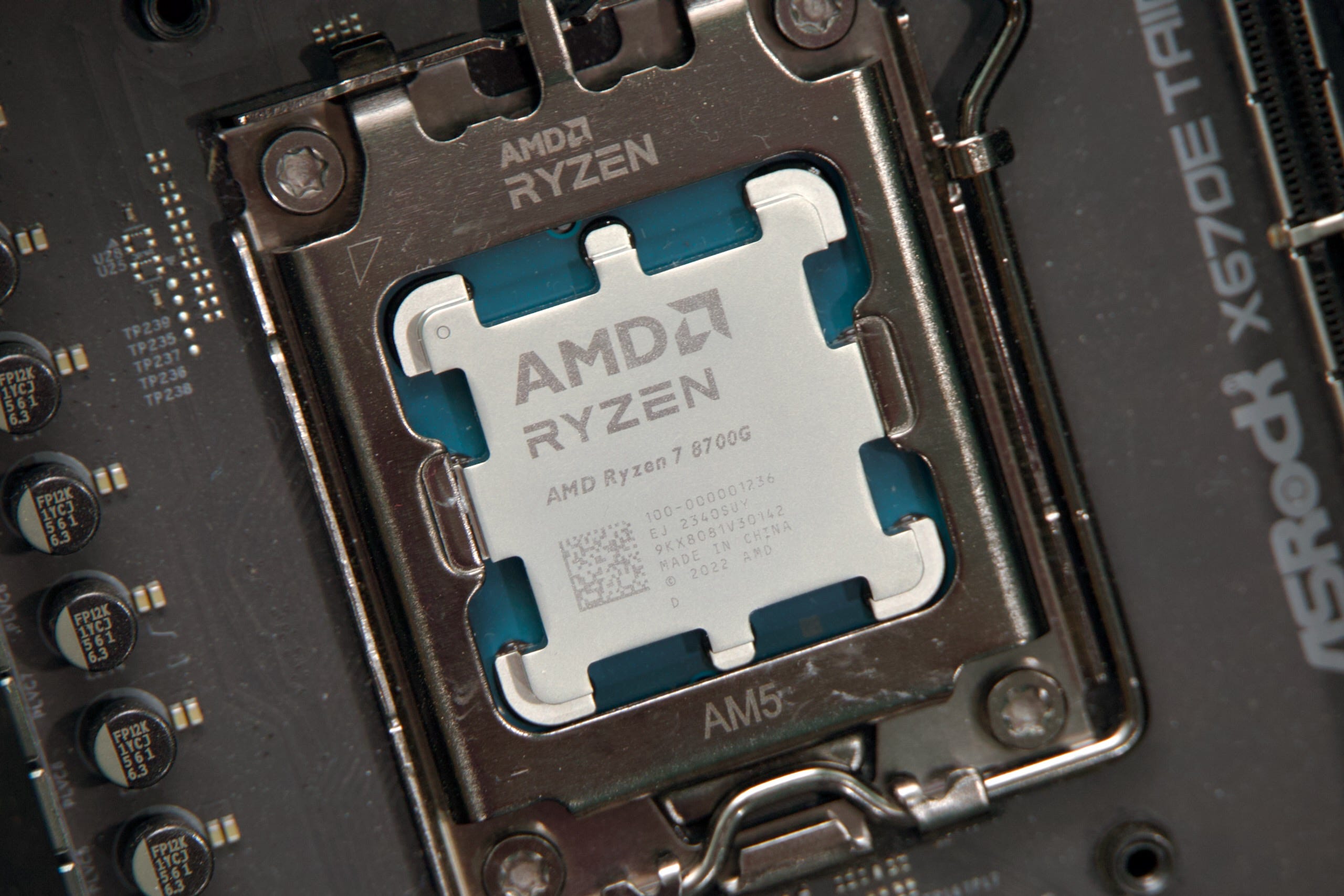
AMD posted record quarterly revenue of $11.5 billion, with data center up 107% to $6.7 billion. Gaming came in at $779 million, down 31%, which now works out to under 7% of the company. The split explains a lot of what Radeon owners have been feeling.
AMD had a very good quarter. Gaming wasn’t part of it.
The company reported record Q2 revenue of $11.5 billion, up 50% year over year. Data center revenue more than doubled to $6.7 billion, driven by EPYC processors and Instinct AI accelerators, and now accounts for 58% of the entire company.
Gaming brought in $779 million, down 31%.
Run the percentage
That figure is worth sitting with, because it reframes AMD’s priorities without anyone at AMD having to say a word.
Gaming is now roughly 6.8% of AMD’s total revenue. Data center is more than eight times larger. Two years ago gaming was a meaningful slice of the business, and it has become a rounding error next to the AI segment.
Operating income tells a similar story. The combined client and gaming segment earned $582 million, or 15% of its revenue, down from $767 million and 21% a year earlier.
AMD’s explanation
The company’s stated reasons are real, and they’re not all about strategy.
Most of the decline is semi-custom, the chips AMD makes for consoles. The PS5 and Xbox Series generation is late in its cycle, so those orders were always going to fall. That’s the console business working normally rather than AMD walking away from anything.
The rest is component costs. AMD cited higher memory and component prices hitting graphics card demand, which fits the broader DRAM crunch squeezing the entire PC market.
Neither of those is evasive. Both are true.
Why gamers aren’t buying the explanation
The trouble is what else AMD has done while the numbers moved.
Radeon RX 5000 and RX 6000 cards were shifted to a maintenance support model, meaning they no longer get the monthly driver updates that include day-one optimizations for new releases. They still receive critical bug and security fixes. What they don’t get is the ongoing performance work that made buying a Radeon card feel like a long-term proposition.
The RX 6000 series is under five years old. Many of the people holding those cards bought them at inflated prices during the mining shortage, and a chunk of them chose AMD specifically because the company had built a reputation for open standards and pro-consumer behavior.
FSR 4 also hasn’t come to RDNA 2. AMD’s own guidance points to weaker gaming demand through the back half of 2026.
Where the money is going
The contrast in the same earnings release is hard to miss.
AMD announced a partnership with Anthropic to deploy up to two gigawatts of MI450 series GPUs in its Helios racks, with the first gigawatt starting in the first half of 2027, alongside an expanded Microsoft deal for Helios on Azure. It projected the data center AI accelerator market at roughly $1.4 trillion by 2030 and expects data center revenue to more than double again next year.
Even Strix Halo, silicon that could have been a gaming story, is being promoted primarily for AI.
The part nobody can answer yet
Here’s the question underneath all of it, and it doesn’t have a clean answer.
If AI demand slows, does gaming become interesting to these companies again? AMD, and the memory manufacturers currently pricing components for data centers rather than desktops, would presumably rediscover the consumer market. Investors already showed some nerves, sending AMD shares down around 8% after hours despite a beat.
But that’s a bet on a downturn, which is a strange thing for gamers to be hoping for. In the meantime the numbers say what they say. AMD is a company where gaming generates less than seven cents of every revenue dollar, and it is behaving accordingly. Whether that’s abandonment or just a console cycle plus a bad component market depends on what the next two years look like, and Radeon owners watching their driver support get downgraded have already made up their minds.
Article compiled and edited by Derek Gibbs (entertainment editor) and the Clownfish TV newsroom.
D/REZZED is part of Clownfish TV. For more news, views, and rants on gaming, tech, and pop culture, visit clownfishtv.com. Watch the show on YouTube at @ClownfishTV where new episodes drop daily. Subscribe to the Clownfish TV podcast on Apple Podcasts, Spotify, iHeart, and wherever else you get your podcasts. Sign up for the free newsletter at more.clownfishtv.com.
Hat Tips:
AMD Q2 2026 Form 8-K and earnings slides (August 4, 2026), verified as the primary source for the $11.5 billion record revenue, the 107% data center growth to $6.7 billion, gaming revenue of $779 million down 31%, the client and gaming segment breakdown, and the semi-custom explanation
AMD Q2 FY2026 earnings call transcript (August 2026), verified for the client and gaming operating income falling to $582 million or 15% of revenue from 21%, the higher component costs affecting graphics card demand, and the softer second-half PC market outlook
Yahoo Finance and Investing.com (August 2026), verified for data center reaching 58% of total revenue, the Anthropic and Microsoft Helios partnerships, the $1.4 trillion 2030 AI accelerator market projection, and the after-hours share decline despite the earnings beat
TechPowerUp and How-To Geek (2025-2026), verified for RDNA 1 and RDNA 2 cards moving to maintenance support without monthly game optimizations, the retention of critical bug and security fixes, the age of the RX 6000 series, and the absence of FSR 4 support
VideoCardz (May 2026), verified for AMD’s expectation of weaker gaming demand in the second half of 2026 and Strix Halo being promoted primarily for AI