

Bill Gates dumped the last of his Foundation's Microsoft stock. But why?
The Gates Foundation Trust sold its remaining 7.7 million Microsoft shares for $3.2 billion as the foundation accelerates giving.
The Bill & Melinda Gates Foundation Trust has sold its final shares of Microsoft, ending a decades-long position in the company Bill Gates co-founded. The move, disclosed in mid-May 2026, comes as Microsoft faces investor scrutiny over its massive AI spending, while the Gates Foundation accelerates its charitable giving ahead of a planned wind-down by 2045.
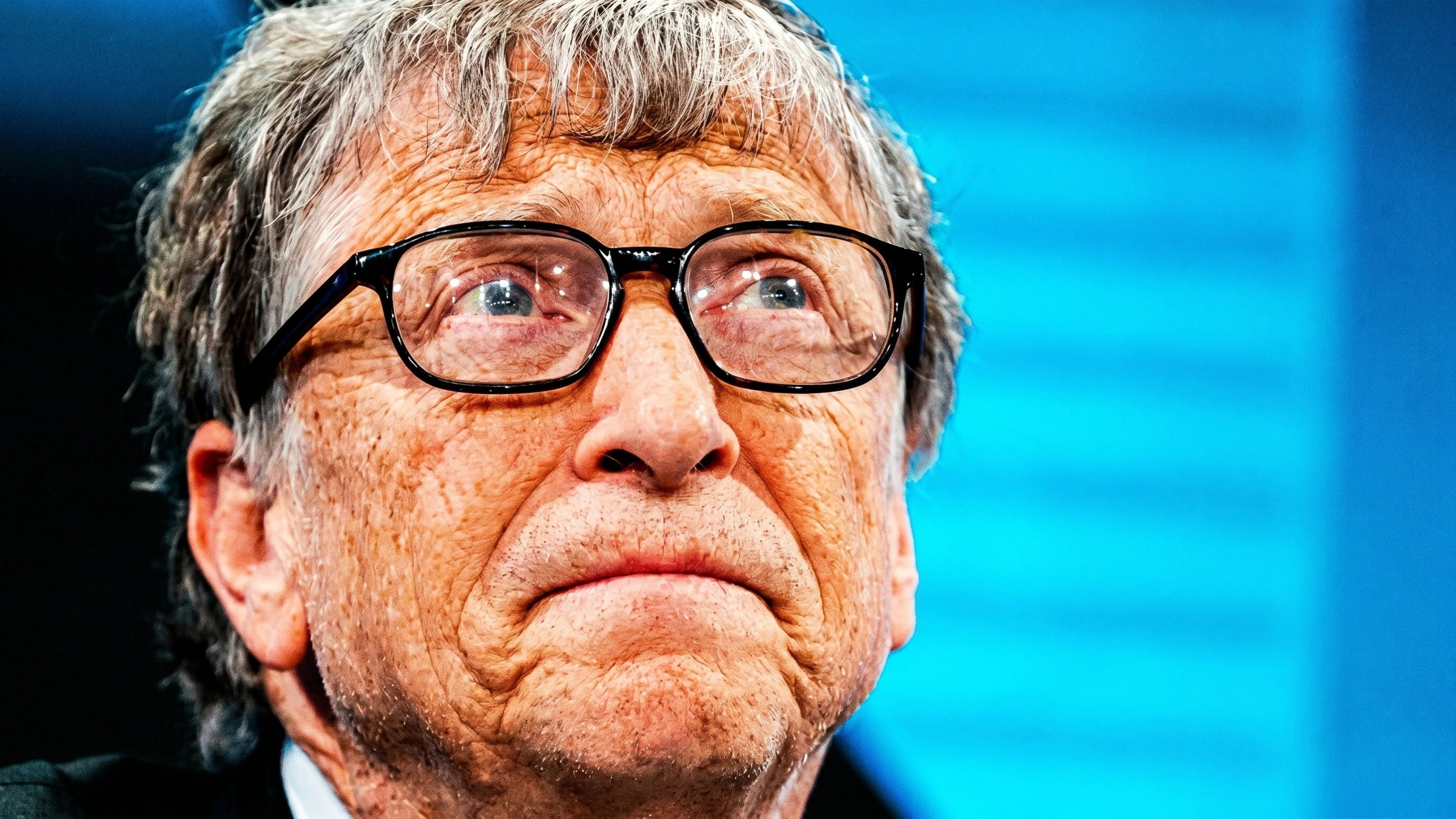
The Gates Foundation Trust sold its final 7.7 million shares in Q1 2026
In a filing disclosed around May 15-17, 2026, the Gates Foundation Trust sold its final 7.7 million shares of Microsoft stock. This marks the end of the foundation’s direct ownership in the company Gates helped create. The position had already been trimmed significantly over the previous two years, from roughly 28.5 million shares at the end of Q1 2025 down to zero.
The sale generated approximately $3.2 billion. While headlines framed it as “Bill Gates dumping Microsoft,” the transaction was executed by the foundation’s trust, not Gates’ personal holdings.
Gates and the foundation have been selling Microsoft for years
Gates and the foundation have been methodically reducing Microsoft exposure for years. The trust once held a much larger concentration in the stock. Over time, it has sold portions to diversify its portfolio and generate cash for philanthropic work. This latest sale is simply the final step in that long-running process rather than a sudden or dramatic exit.
The foundation is ramping toward $9 billion in annual grantmaking
The primary drivers behind the sale are straightforward and tied to the foundation’s mission.
The foundation has committed to ramping up its annual giving, with targets reaching around $9 billion per year. Selling Microsoft shares provides the liquidity needed to support higher spending levels.
Gates has also stated the goal of eventually closing the endowment by 2045. Reducing concentrated positions in single stocks is part of prudent long-term planning. Portfolio diversification matters even for a founder’s stock, as concentration in any one company carries risk. Moving away from heavy reliance on Microsoft aligns with standard endowment management practices.
These are the documented, public reasons. The sale is not presented as a negative signal about Microsoft’s future.
Some observers have floated other interpretations, though these remain unconfirmed. They include reducing any perception of conflict between Gates’ personal wealth and the foundation’s work, preparing for a future where the foundation operates with less direct connection to Microsoft’s performance, and general portfolio rebalancing in a high-valuation tech environment. None of these contradict the stated charitable and structural reasons.
Microsoft stock has taken heat over AI infrastructure spending
Microsoft’s stock has faced pressure in 2026 as investors digest the company’s aggressive spending on AI infrastructure. The company has outlined massive capital expenditure plans, with figures in the $80 to $190 billion range discussed for coming years, to build out data centers and cloud capacity for AI workloads.
While Azure and AI-related revenue continue to grow, some investors are nervous about the pace of spending versus monetization. Questions around returns on AI investments, competition in the space, and margin pressure have contributed to volatility. Microsoft remains a dominant player with strong enterprise positioning, but the market has shown caution around the scale of its AI bets in the near term.
The Jeffrey Epstein review continues to shadow the foundation
The Gates Foundation announced in April 2026 that it is conducting an external review of its past engagement with Jeffrey Epstein. This comes amid renewed attention from recently released documents and files that mention Gates multiple times.
Gates has previously acknowledged meeting with Epstein several times after his conviction, primarily to discuss philanthropy, and has called it a “huge mistake.” He has apologized to foundation staff and stated that he never participated in Epstein’s crimes. The foundation has said it did not pursue any collaboration or make payments to Epstein.
Gates is also expected to appear before the House Oversight Committee in June 2026 as part of its investigation into Epstein. The ongoing scrutiny adds reputational complexity to the foundation’s work, even as it focuses on global health and development initiatives.
Gates personally still holds over 100 million Microsoft shares
Gates stepped down from Microsoft’s board years ago and has no operational role in the company. Through the foundation trust, he no longer owns any Microsoft shares. However, he personally continues to hold a substantial direct stake in Microsoft stock, estimated in the range of over 100 million shares.
His connection to the company remains largely historical and symbolic at this point. He is still frequently associated with Microsoft in the public eye, but day-to-day influence has long since ended.
The Gates Foundation’s complete exit from Microsoft stock is a planned, liquidity-driven move to support its charitable mission and long-term wind-down, not a commentary on Microsoft’s prospects. Microsoft itself continues to navigate investor questions about its heavy AI investments while maintaining strong fundamentals in cloud and enterprise software.
For Gates personally, the foundation’s sale does not change his significant personal holdings or erase his foundational role at the company. The Epstein-related scrutiny, however, remains an active and separate reputational factor that the foundation is now formally reviewing.
As with most high-profile financial moves by major figures, the “why” is often simpler than the headlines suggest. Institutions need cash to do their work, and concentrated positions eventually get diversified.
Article compiled and edited by Derek Gibbs (entertainment editor) and the Clownfish TV newsroom.
D/REZZED is part of Clownfish TV. For more news, views, and rants on gaming and tech, visit clownfishtv.com. Watch the show on YouTube at @ClownfishTV where new episodes drop daily. Subscribe to the Clownfish TV podcast on Apple Podcasts, Spotify, iHeart, and wherever else you get your podcasts. Sign up for the free newsletter at more.clownfishtv.com.
Hat Tips:
Yahoo Finance, Barron’s, Economic Times, and Times of India, reporting on the Gates Foundation Trust’s final Microsoft share sale (May 2026)
Various financial outlets, analysis of Microsoft’s 2026 stock performance and AI capex concerns
The New York Times, The Wall Street Journal, and Reuters, coverage of the Gates Foundation’s external review of Epstein ties and related scrutiny (2026)
Foundation statements and prior reporting on grantmaking goals and 2045 wind-down plans