

Cartoon Network is Dying, Kickstarter Walks Back NSFW Ban, Mandalorian and Grogu Review
ICYMI: The Mando movie is just an episode, Kickstarter blames Stripe, Cartoon Network is essentially over.
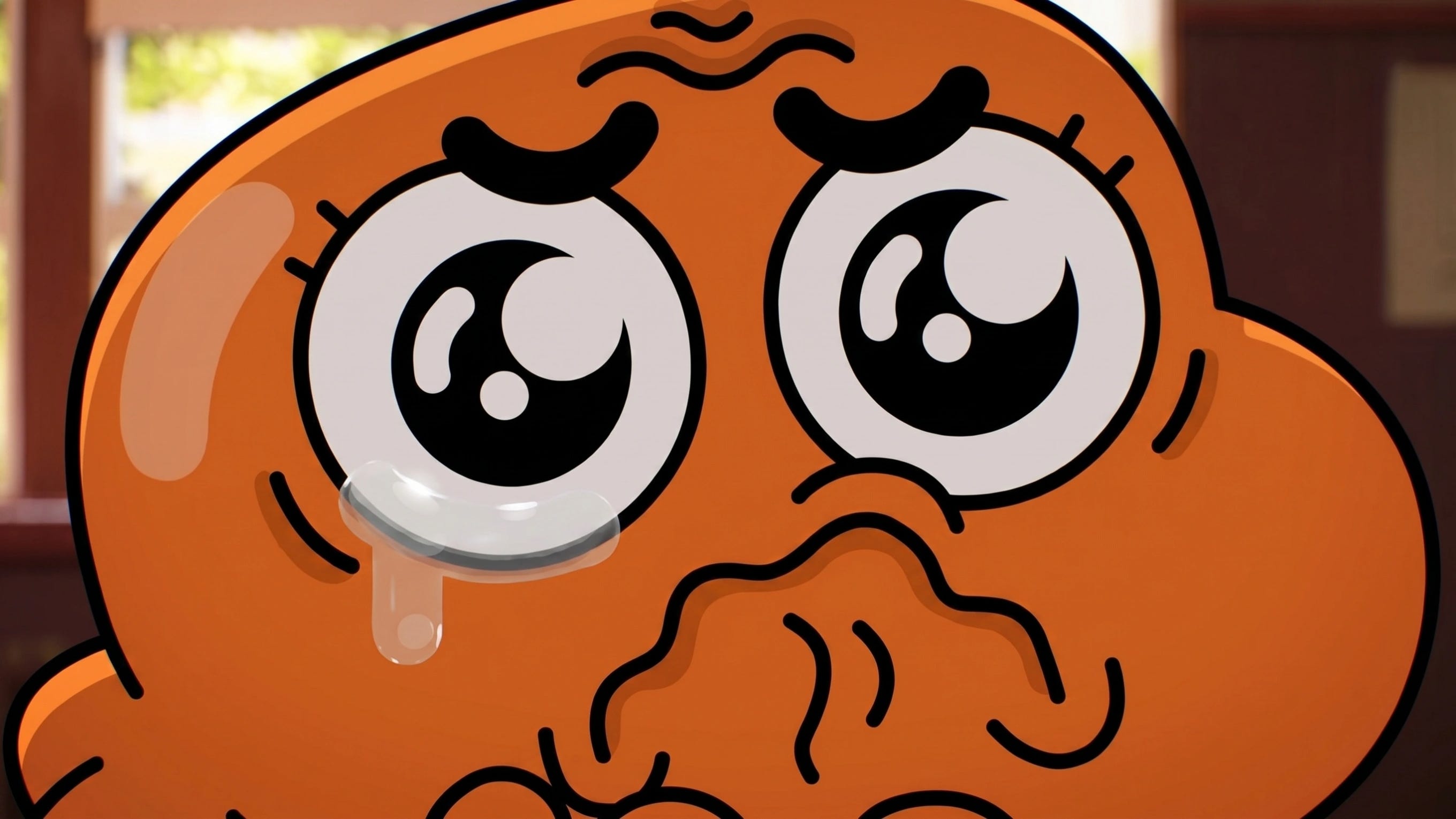
The Mandalorian and Grogu opened in theaters, and the verdict matches the early-reactions reporting from last brief — it’s essentially a longer episode of the Disney+ show. Kickstarter walked back its NSFW content ban just days after announcing it, throwing Stripe under the bus in the process. And Cartoon Network is reportedly down to under 50,000 daily viewers, with Warner Bros. offloading all of its remaining Cartoon Network projects to other streaming platforms.
Here’s what actually happened on each, in case you missed it.
The Mandalorian and Grogu Is Just a Long Episode
The Mandalorian and Grogu opened in theaters this weekend and the verdict matches the early-reactions reporting from last brief. It’s essentially a two-hour episode of the Disney+ show projected onto a movie screen.
Whether that’s a bad thing depends on the viewer. For audiences who already loved the show and missed having new content while it was on hiatus, getting more of the same in a theatrical format is functionally a feature rather than a bug. For audiences who expected the film to deliver something the show couldn’t — bigger stakes, broader scope, the kind of franchise-defining moment that justifies the theatrical premium — the experience falls short.
The strategic question for Disney is whether more of what already worked on streaming is what theatrical audiences will keep showing up for. The box office numbers from the opening weekend will determine that. Early indicators were tracking around $80 million for the four-day Memorial Day window, which is below the historical Star Wars film floor. If the actual numbers come in worse, Disney’s broader Star Wars theatrical strategy needs a meaningful reconsideration.
The bigger picture is that the audience appears to have made a clear choice. Disney+ streaming numbers for legacy Star Wars content remain strong. Theatrical reception for new Star Wars films has been progressively weaker since The Rise of Skywalker in 2019. Audiences are happy to watch the franchise on streaming. They’re less interested in paying theatrical premiums for content that feels indistinguishable from what they already get on the subscription.
Kickstarter Walked Back the NSFW Ban After a Week
Kickstarter walked back its NSFW content ban just days after announcing it, and the platform is now blaming Stripe for the policy change. Per Kickstarter’s revised statement, the original ban came from payment processor pressure rather than from the platform’s own content preferences.
The walkback is significant for the indie creator community covered in the last brief. The ban was about to cut off funding for adult comics, manga reprints, and mature-themed art books across the entire platform. The reversal preserves those creator economies for at least the near term.
But the Stripe blame is the actually interesting part. Payment processors have been quietly tightening policies around adult content for several years. Stripe, PayPal, Square, and the major credit card networks have all reduced the categories of content they’re willing to process payments for. Crowdfunding platforms, content subscription services, and direct-sales storefronts have all been affected.
The pattern matters because payment processors are functionally choke points. Any platform that needs to process payments has to comply with what the payment processors will allow. The creators downstream of those decisions don’t have direct recourse because they’re not the processors’ customers — the platforms are.
For creators whose work depends on payment processing for legal adult content, the long-term strategy increasingly requires processor diversification. Crypto payments, alternative processors specifically serving the adult industry, and direct cash transactions are all options. None of them scale as easily as traditional credit card processing, but the major processors aren’t reliable partners for this content category anymore.
Cartoon Network Has Fewer Than 50,000 Daily Viewers
Cartoon Network has reportedly dropped below 50,000 daily viewers, and Warner Bros. is responding by offloading the channel’s projects to other streaming platforms. The new Scooby-Doo anime series is going to Tubi. Gumball and Adventure Time are going to Hulu. Batman content is heading to Amazon.
Less than 50,000 daily viewers for a major cable network is functionally a death sentence. For context, a single mid-tier YouTube creator can hit that number on a single video. A channel that requires the operational overhead of broadcast infrastructure, ad sales teams, and programming departments can’t sustain itself at that scale.
The Warner Bros. and Paramount merger that’s still being finalized adds urgency. The combined company will have multiple linear cable channels with overlapping demographics, and consolidation pressure means at least some of those channels are going to get shut down or repurposed.
Cartoon Network’s content library remains valuable. Adventure Time, Gumball, Steven Universe, Regular Show, the broader animation slate — these properties have devoted audiences and ongoing value. The brand itself, though, looks increasingly like a delivery channel that’s outlived its strategic purpose. Streaming platforms have eaten the cable kids-programming business the same way they ate the cable adult-programming business.
Whether Cartoon Network exists as a TV channel by the end of 2026 is a real question.
We’ll get back to the article in a second, but first — Clownfish TV is also a podcast. If you like the way we cover this stuff in writing, you’ll probably like hearing us cover it on the show. New episodes drop daily on YouTube at @ClownfishTV and the audio version is on Apple Podcasts, Spotify, iHeart, and wherever you get your podcasts. Sign up for the free newsletter, The Reef, at more.clownfishtv.com. Now, back to the news.
Stephen Colbert Is Off the Air and USA Today Is Celebrating
Stephen Colbert is off the air, and a USA Today op-ed couldn’t be happier about it. The piece argued that late night is no place for divisive political commentary and that Colbert’s departure represents a long-overdue correction.
The framing is unusually direct for a mainstream outlet. Late-night television has been functionally political for the entire post-2016 era, with Colbert, Jimmy Kimmel, Seth Meyers, and Jimmy Fallon all running monologues that lean heavily on current political coverage. The USA Today op-ed is essentially declaring that experiment over and calling for a return to apolitical late-night entertainment.
Whether the audience supports that return is uncertain. The political late-night format clearly attracted a meaningful viewership during its peak years. Whether that audience disappeared because viewers tired of the politics or because they migrated to YouTube and podcasts that serve the same function more directly is a different question.
Colbert’s exit also comes during a broader contraction in traditional late-night programming. The format that defined American television evenings for sixty years is being restructured significantly. Fewer shows, smaller budgets, more selective programming, and increasing competition from non-broadcast formats are all reshaping the category. Whether late-night recovers as a meaningful cultural force or settles into a smaller niche is the larger question Colbert’s exit raises.
Worth Tracking
The Disney pile-up keeps growing. The Mandalorian and Grogu box office numbers should come in by Tuesday, and whether they hit the projected $80 million-plus or fall short will significantly affect how Disney plans the rest of its 2026 Star Wars and Marvel slate.
The Kickstarter-Stripe story is also worth watching as it develops. If Stripe genuinely was the driver of the original NSFW ban, the same pressure is likely affecting other platforms in the creator-economy space. Watch for similar pattern announcements from Substack, Patreon, and Gumroad in the coming months.
That’s the week. Catch the full breakdowns on the Clownfish TV YouTube channel where the actual rants live.
Article compiled and edited by the Clownfish TV newsroom.
Want More Clownfish TV?
This article was brought to you in part by The Reefers of more.clownfishtv.com. Subscribers there get the full Clownfish TV podcast feed including livestreams and members-only episodes that don’t make it to the free side, plus articles like this one delivered to their inbox. Free subscribers get the articles. Paid subscribers get everything.
You can also watch the show on YouTube at @ClownfishTV where new episodes drop daily.
And if you’d rather listen on the go, the Clownfish TV podcast is available on Apple Podcasts, Spotify, iHeart, and wherever else you get your podcasts. Hit subscribe, leave a 5-star rating, and write us a review if you’ve got a minute. It actually helps.
Hat Tips:
ClownfishTV.com video posts (May 22, 2026) — primary source for the week’s coverage
The Mandalorian and Grogu opening weekend coverage and box office reporting (May 2026)
Kickstarter NSFW policy reversal and Stripe payment-processor positioning (May 22, 2026)
Cartoon Network viewership data and Warner Bros. content offload reporting (May 2026)
USA Today op-ed on Stephen Colbert and late-night television (May 2026)
How about we remove Kimmel and Bring Back Arsenio Hall?
https://torrancestephensphd.substack.com/p/remove-kimmel-and-bring-back-arsenio