

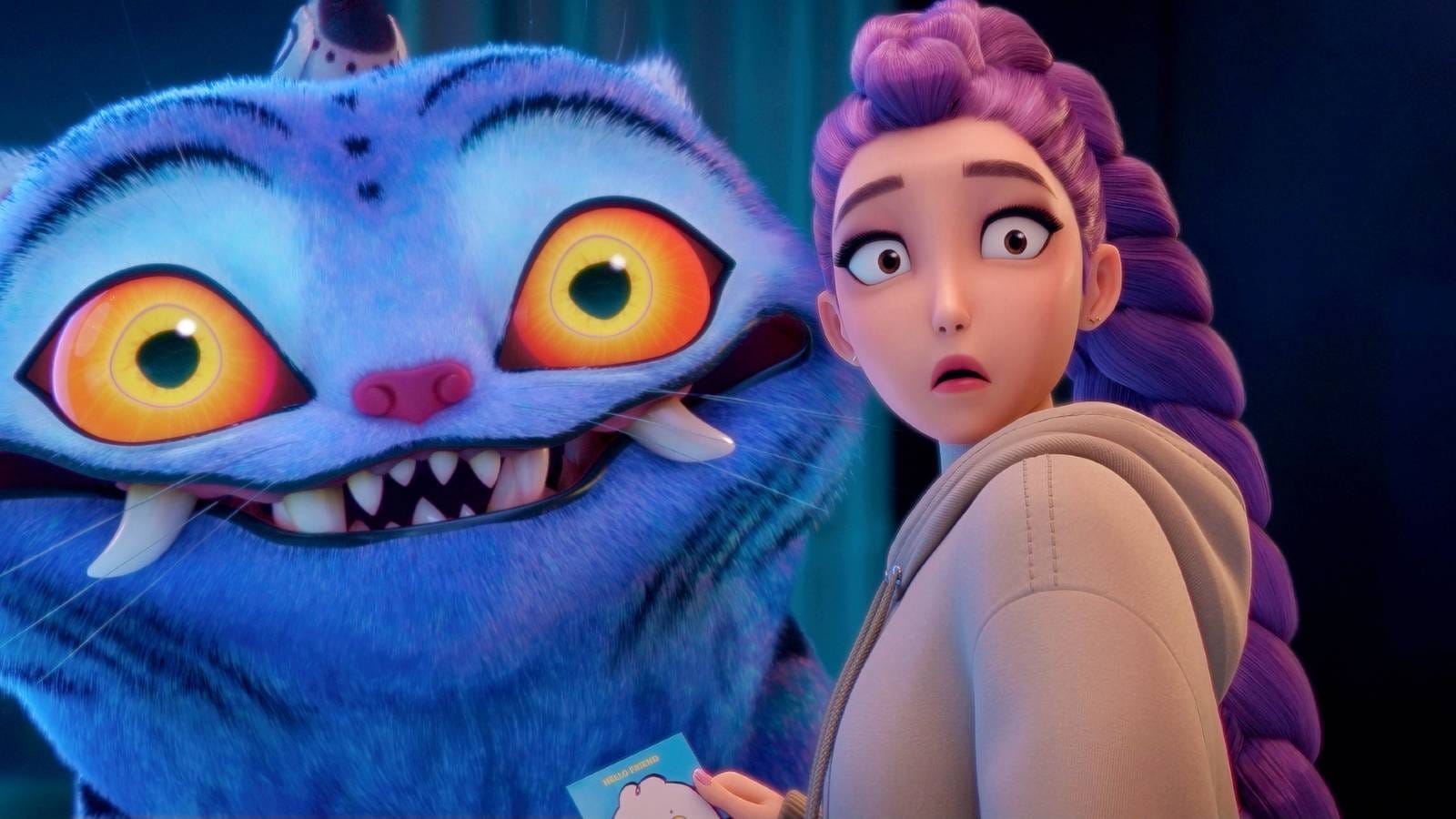
The metal band ran for 26 years without suing anyone over the name. What changed was Netflix and AEG announcing a 150-city arena run and filing merchandise trademarks, which put a streaming service directly into the touring business.
A Seattle metal band is suing Netflix over the biggest animated hit the service has ever had, and the filing points at the concert tour rather than the movie.
Demon Hunter, through its corporation Hyde Lane, filed suit on Tuesday, August 18 in the Central District of California. The defendants are Netflix, Netflix Studios, and concert promoter AEG Presents.
The claims are trademark infringement, false designation of origin, and unfair competition.
Watch the Clownfish TV podcast on YouTube. Article continues below.
What Demon Hunter is asking the court for
Hyde Lane wants a jury trial and an order stopping Netflix from using the KPop Demon Hunters name.
It is also seeking restitution, treble and exemplary damages, Netflix’s profits from the franchise, and attorneys’ fees, plus what the complaint calls restoration of its rightful interests in the Demon Hunter mark.
That is a maximalist ask, which is normal for an opening complaint. Courts trim these.

Why the lawsuit landed more than a year after the movie
KPop Demon Hunters came out in 2025. Netflix called it the most-watched original animated film in the service’s history that July, and the soundtrack ran up the Billboard charts through the summer.
The band did not sue then.
According to the complaint, the trigger was the tour. After Netflix and AEG announced the KPop Demon Hunters World Tour, roughly 150 cities, the filing says the defendants moved into “almost complete overlap“ with the goods and services Hyde Lane already sold under its own mark.
Read plainly, that is a category argument rather than a title argument. A movie and a metal band occupy different shelves. A touring act selling records, concert tickets, and shirts occupies exactly the shelf Demon Hunter has been on since 2000.
Whether a court agrees is a separate matter. Nothing here has been decided.
The trademark filings inside the complaint
Complex, which obtained the complaint, reported that Netflix filed numerous trademark applications covering merchandise tied to the announced tour.
An application is not a registration. Pending applications get published for opposition, and a senior user who believes a mark is confusingly similar can challenge them there or in court.
Hyde Lane’s framing is that it is the senior user of the Demon Hunter mark and that Netflix, Netflix Studios, and AEG are junior users. The band formed at the turn of the century and has put out roughly a dozen studio albums.
The complaint accuses the companies of “jealously guard[ing] and enforc[ing] their own intellectual property rights“ while “willfully disregarding the rights of others in pursuit of profits.“
It also says Hyde Lane has been “forced to surrender control over its commercial identity simply because Defendants have greater resources and a larger marketplace footprint.“
Those are allegations from one side of a case that is days old.
AEG’s position in this is unusual
The promoter matters here for a reason beyond the tour.
AEG Presents is one of the two companies that effectively runs the North American arena and amphitheater circuit. Demon Hunter is a working touring band.
So the suit puts a mid-size act in federal court opposite a promoter operating in the same live-music market it works in. That happens rarely, and it is the part of this that has nothing to do with animation.
What Netflix and AEG have said
Nothing.
Neither company had responded to TheWrap’s request for comment at publication, and neither has filed an answer. Netflix has not commented publicly on the suit at all.
The case is at the earliest possible stage. A complaint is a set of claims, not a finding, and the standard trademark question ahead is likelihood of confusion in the specific markets where both parties sell.
Demon Hunter has spent 26 years being the band you had to explain to your parents. The next stretch of that explanation will happen in a federal courtroom.
Article compiled and edited by Derek Gibbs (entertainment editor) and the Clownfish TV newsroom.
D/REZZED is part of Clownfish TV. For more news, views, and rants on gaming, tech, and pop culture, subscribe at clownfishtv.com. Watch the show on YouTube at @ClownfishTV where new episodes drop daily. Subscribe to the Clownfish TV podcast on Apple Podcasts, Spotify, iHeart, and wherever else you get your podcasts.
Hat Tips:
Complex (August 18, 2026), Alex Ocho’s original coverage, which obtained the complaint and reported the merchandise trademark applications and the “almost complete overlap” language
TheWrap (August 18, 2026), the filing’s senior-user and junior-user framing and the unanswered request for comment
Blabbermouth (August 19, 2026), the complaint’s full quoted passages and the band’s release history