

Disney's CEO says ABC won't be told how to run its news division
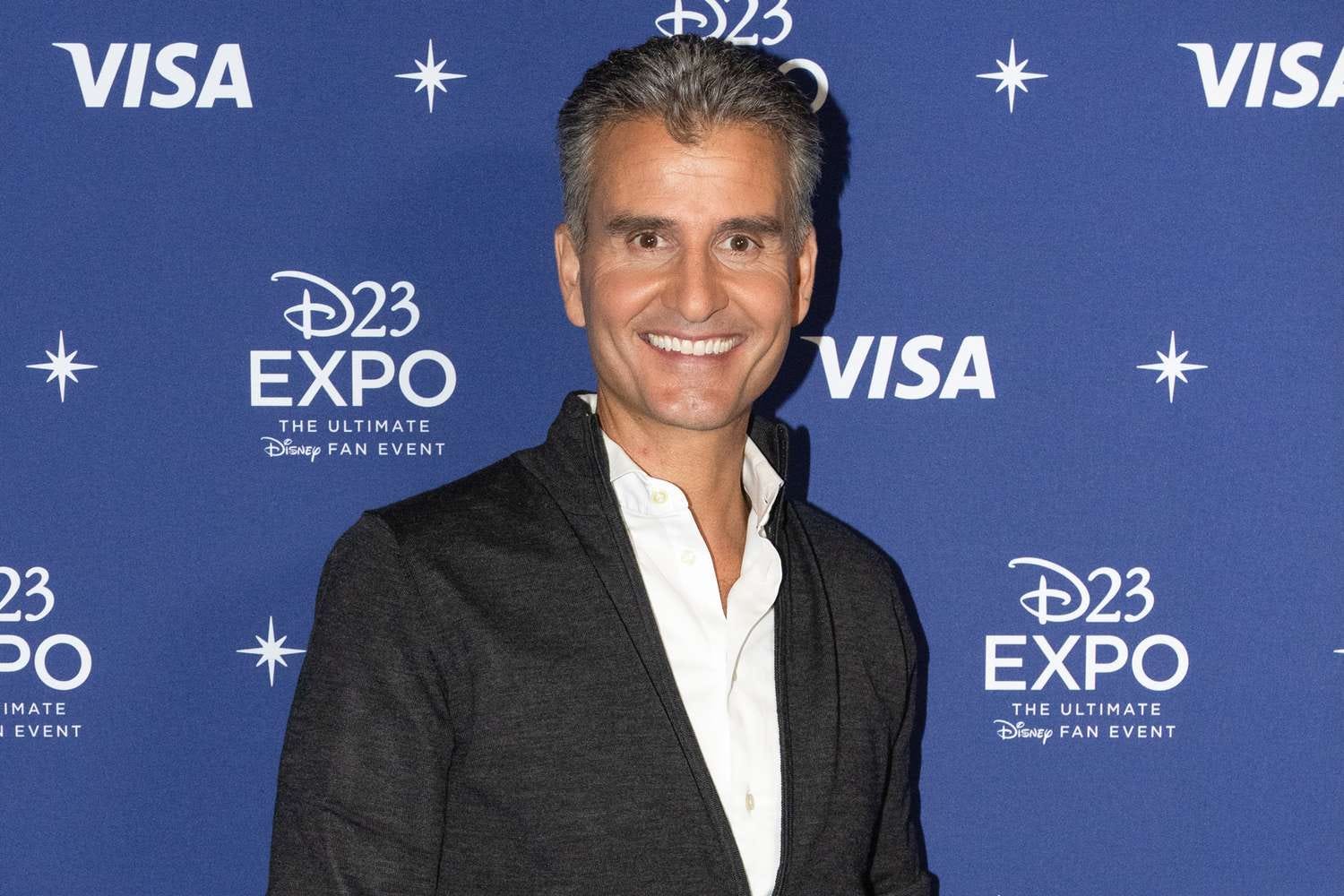
Josh D’Amaro used a D23 interview to restate Disney’s opposition to FCC reviews of ABC’s broadcast licenses and The View. The regulator says it’s enforcing existing rules. ABC says the reviews are retaliation for its journalism. Both positions are now on the record.
Disney CEO Josh D’Amaro was asked about the FCC during D23 and didn’t soften the company’s position.
“Our position on this is clear. We’re very principled on this,” he told CNBC. “We’re going to stand up to what we believe is journalistic integrity. And we’re not going to be told how to run that side of our business.”
It’s the first extended public comment from D’Amaro on a dispute he inherited when he replaced Bob Iger in March.
What the FCC has done
Two separate actions are in play, and they’re procedurally different.
The commission called in the licenses of eight Disney-owned television stations for early review. Broadcast licenses come up for renewal on a schedule, and pulling them forward is unusual.
Separately, the FCC has questioned an equal time exemption covering The View, the ABC News-produced daytime show that spends much of its running time on politics. Equal time rules require broadcasters to offer comparable airtime to opposing political candidates, with exemptions for certain program formats.
The FCC’s stated basis
The commission, chaired by Brendan Carr, frames both as ordinary enforcement.
License renewal review is within the agency’s authority. The equal time rules are long-standing and apply to all broadcasters. Carr has separately opened an inquiry into Disney’s diversity practices, citing the FCC’s equal employment opportunity rules and public reports about the company’s hiring and production policies.
In that framing, none of this is about content. It’s about whether a regulated broadcaster is complying with rules that already exist.
Disney’s response
ABC’s filings argue the opposite, and lean on the First Amendment.
The network has asked the full three-member commission to rule on the equal time question, pointing out that the FCC granted The View an exemption in 2002 and that the show’s format hasn’t changed since. Its filing put the principle bluntly: some people may dislike most of the viewpoints expressed on the show, but dislike can’t justify using regulatory processes to restrict them.
ABC also illustrated the practical problem, noting the logistics of providing equal time against California’s crowded field of gubernatorial primary candidates. It has asked for the license renewal review to be dismissed as untimely and unwarranted.
The timing question
One fact sits at the center of the disagreement, and it’s not in dispute.
The FCC called in the eight station licenses one day after President Trump publicly demanded that ABC fire late-night host Jimmy Kimmel over a joke about the First Lady.
Critics treat that sequence as the whole story. Anna Gomez, the FCC’s only Democratic commissioner, wrote to D’Amaro describing what Disney faces as a coordinated campaign of censorship carried out through what she called the weaponization of the agency’s authority. A coalition of 22 advocacy groups, including the ACLU and the Electronic Frontier Foundation, has urged Disney to keep resisting.
The commission’s position is that the timing doesn’t establish motive, and that enforcement actions aren’t invalidated by when they happen to occur.
Where it stands
More than 150,000 comments have been filed with the FCC since the inquiries began, which is an unusual volume for a licensing matter.
For Disney, the calculation isn’t purely principled. The company has business before federal regulators, and D’Amaro is running a broader cost-cutting effort that has included layoffs at ABC. Publicly refusing to yield to a regulator carries real risk, and he did it anyway, at a fan convention, on camera.
What happens next runs through the commission and probably the courts. The equal time question turns on whether a 2002 exemption still applies to a show that says its format hasn’t changed. The license question turns on whether early review is routine oversight or something else. Those are narrow legal questions carrying a much larger one, and neither side is treating this as small.
Article compiled and edited by Derek Gibbs (entertainment editor) and the Clownfish TV newsroom.
D/REZZED is part of Clownfish TV. For more news, views, and rants on gaming, tech, and pop culture, visit clownfishtv.com. Watch the show on YouTube at @ClownfishTV where new episodes drop daily. Subscribe to the Clownfish TV podcast on Apple Podcasts, Spotify, iHeart, and wherever else you get your podcasts. Sign up for the free newsletter at more.clownfishtv.com.
Hat Tips:
TheWrap (August 2026), verified for D’Amaro’s full CNBC remarks at D23, his statement that ABC won’t be told how to run that side of the business, the company’s call to dismiss the license renewal review as untimely and unwarranted, and his succession to the CEO role in March
Los Angeles Times (via Spokesman) (2026), verified for the FCC calling in the licenses of eight Disney-owned stations for early review, the timing relative to the president’s demand regarding Jimmy Kimmel, ABC’s request for the full commission to rule on the equal time exemption, the 2002 exemption and unchanged format, and the quoted passage from ABC’s filing
Variety (May 2026), verified for Commissioner Anna Gomez’s letter to D’Amaro, her characterization of the actions as a coordinated campaign of censorship and weaponization of FCC authority, and her status as the only Democrat among three sitting commissioners
The Desk (July 2026), verified for the coalition of 22 advocacy organizations including the ACLU and Electronic Frontier Foundation urging Disney to resist, and the more than 150,000 comments filed with the FCC
Daily Signal (May 2026), verified for Chairman Brendan Carr’s stated basis for the diversity inquiry, including the equal employment opportunity rules and the public reports he cited