

DOJ waves the Paramount and Warner Bros merger through. Barely an inconvenience.
The Justice Department approved Paramount Skydance’s $111 billion takeover of Warner Bros. Discovery on Friday without requiring a single divestiture.
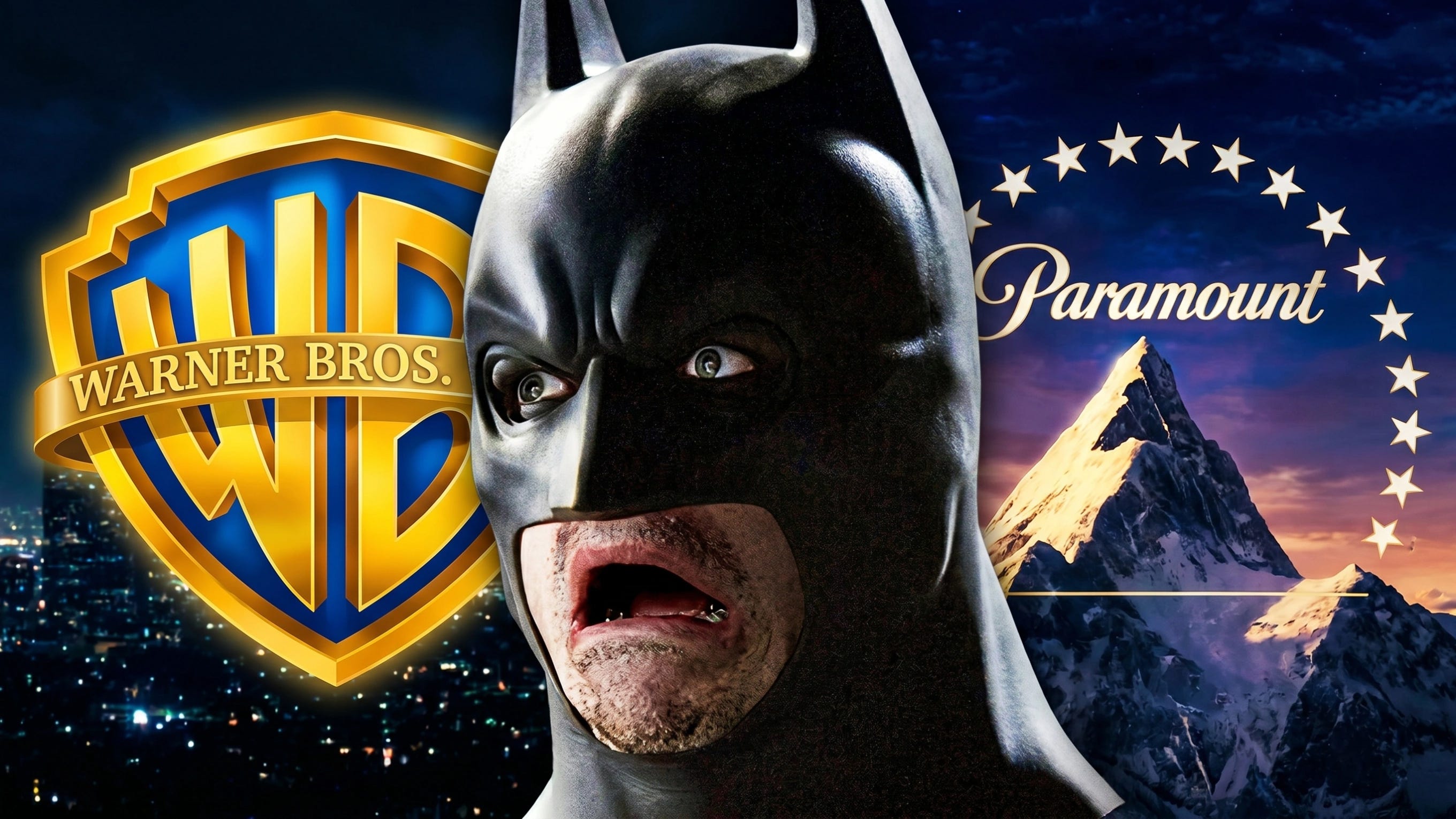
The biggest Hollywood merger in a generation just cleared its biggest hurdle. The Department of Justice approved Paramount Skydance’s $111 billion acquisition of Warner Bros. Discovery on Friday, and it didn’t ask for anything in return. No divestitures, no behavioral remedies, no concessions.
The DOJ’s Antitrust Division said the deal is “not likely to result in harm to competition or American consumers“ across streaming, linear TV, and theatrical film. Paramount thanked the department for its review and called the deal pro-competitive.
So what does this actually mean? One company under David Ellison now gets Warner Bros. Pictures and Paramount Pictures, HBO Max and Paramount+, CNN and CBS News, DC Studios, and a century of combined library. Two of Hollywood’s five major studios become one. The last consolidation event this size was Disney swallowing Fox in 2019, and the industry is still digesting that one.
How fast does this close
Faster than these things usually go, if Ellison gets his way. He’s told investors the merger is on track to be completed by September, per CNBC, and there’s a financial incentive baked in: a ticking fee kicks in after that point, making the deal more expensive the longer it drags.
Federal antitrust was the tallest hurdle, and it’s now cleared in record-friendly fashion. Antitrust experts noted the unconditional approval as unusual for a deal this size. The merger sailed through WBD shareholders back in April with overwhelming support, after Paramount outbid Netflix in a public bidding war.
The remaining hurdles, and there are real ones
State attorneys general. California’s Rob Bonta has an open investigation and has promised a vigorous review, and Axios reports California and New York are part of a group preparing a lawsuit to block the deal on antitrust grounds.
Senator Elizabeth Warren is cheering them on, saying the deal has “reeked of corruption and influence-peddling“ and calling on state AGs to block it. A state suit can’t be waved off by the DOJ, and litigation is the one variable that could blow up the September timeline.
The United Kingdom. The Competition and Markets Authority has until August 7 to decide whether the merger warrants a Phase 2 investigation. If the CMA escalates, that probe can run up to five months, which would carry the process well past Ellison’s target date.
The European Union. The European Commission is examining the deal under its Foreign Subsidies Regulation. Bloomberg reported last week that Paramount is open to selling some of its children’s TV network assets to smooth EU approval, which would be the first actual concession anyone has extracted from this deal.
The political backdrop hangs over all of it. The approval came from an administration Paramount has cultivated, the deal has drawn scrutiny over Ellison’s ties to President Trump, and press-freedom advocates have raised concerns about CNN’s new ownership. Supporters counter that the DOJ ran a full investigation and the bidding war proved the price was fair. Both camps will get to test their arguments if the state suits land.
The Zaslav footnote
While the company he’s selling got its green light, David Zaslav got another rebuke. WBD shareholders rejected his 2025 compensation package at this week’s annual meeting, with 84.3 percent of votes cast against it, per an SEC filing Friday.
That stacks on top of April’s vote, when shareholders approved the merger but voted down his exit package, which could reach $886 million including $517.2 million in equity and a tax reimbursement provision proxy firm ISS called “one of the highest golden parachute estimates ever observed.“ Both votes are non-binding. He can still collect every dollar.
Shareholders have now voted against Zaslav’s pay three years running, and it has changed approximately nothing. (The board reads these results too. It just doesn’t have to act on them.)
September is the date to circle. Between now and then: a UK deadline in August, an EU review with assets possibly on the table, and at least one state lawsuit loading.
The DOJ was supposed to be the boss fight. Turns out it was the tutorial level.
Article compiled and edited by Derek Gibbs (entertainment editor) and the Clownfish TV newsroom.
D/REZZED is part of Clownfish TV. For more news, views, and rants on gaming, tech, and pop culture, visit clownfishtv.com. Watch the show on YouTube at @ClownfishTV where new episodes drop daily. Subscribe to the Clownfish TV podcast on Apple Podcasts, Spotify, iHeart, and wherever else you get your podcasts. Sign up for the free newsletter at more.clownfishtv.com.
Hat Tips:
Department of Justice Antitrust Division statement (June 12, 2026), verified for the approval, the no-harm finding, and the absence of conditions
CNN Business (June 12, 2026), verified for the unconditional approval details, state lawsuit threat, and political scrutiny context
Variety (June 12, 2026), verified for the Bonta investigation, the Warren statement, and the EU Foreign Subsidies Regulation review
CNBC (June 12, 2026), verified for the September closing target and the ticking fee
Deadline (June 12 and April 2026), verified for the CMA’s August 7 Phase 2 deadline, the Netflix bidding war, the 2025 say-on-pay rejection, and the parachute vote and ISS commentary
Axios (June 12, 2026), verified for the California and New York lawsuit preparations and the Bloomberg-reported children’s TV asset talks