

FCC’s Equal Time Rules Could Hit 'The View' and 'Jimmy Kimmel Live!'
The Federal Communications Commission released new guidance on equal time rules that could require shows like ABC’s The View and Jimmy Kimmel Live! to offer airtime to opposing political candidates. This shift targets programs previously exempted as news interviews. It stems from concerns over partisan bias in entertainment media.
Here’s the TL;DR...
The FCC’s update clarifies that daytime and late-night talk shows may no longer qualify for exemptions from equal time rules if they’re deemed partisan.
Programs like The View and Jimmy Kimmel Live! could face requirements to balance political appearances, especially ahead of midterms.
Jimmy Kimmel Live! faced a brief suspension last year due to affiliate and advertiser pushback, not direct corporate capitulation.
The FCC has a long track record of regulating broadcast content, from early interference fixes to indecency crackdowns.
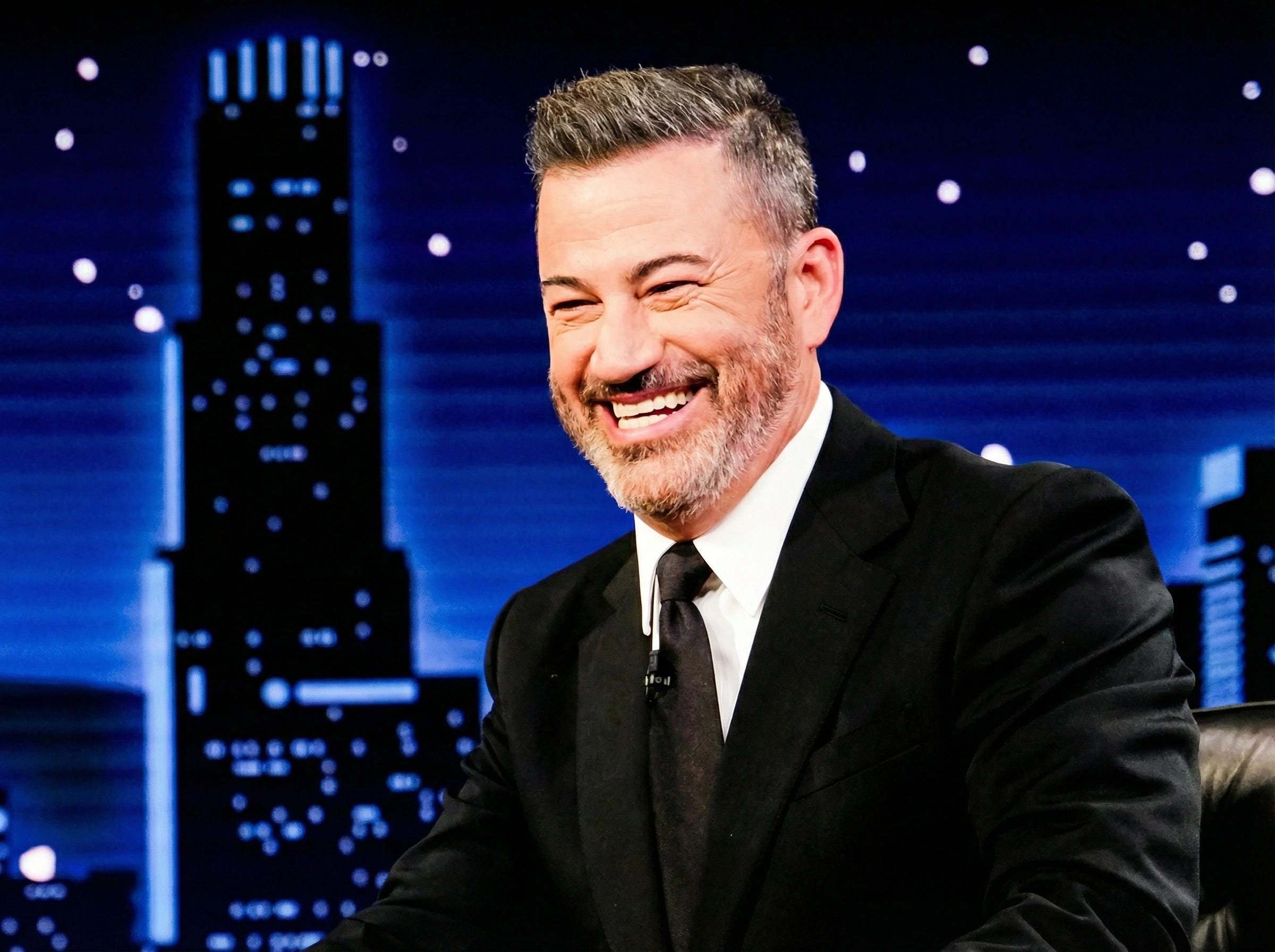
What Exactly Do the FCC’s New Equal Time Rules Entail?
The guidance, issued on January 21, 2026, states that talk shows must prove they’re bona fide news programs to avoid equal time obligations. If a show features a political candidate, rivals can request comparable slots. The FCC emphasized that no current evidence supports exemptions for these formats, particularly if partisan motives are involved.
This isn’t a blanket ban on politicians as guests. Stations can still host them but might need to provide free ad time elsewhere to balance things out. The rule applies to broadcast networks, leaving cable news untouched.
How Might This Impact Shows Like The View and Late-Night Comedy?
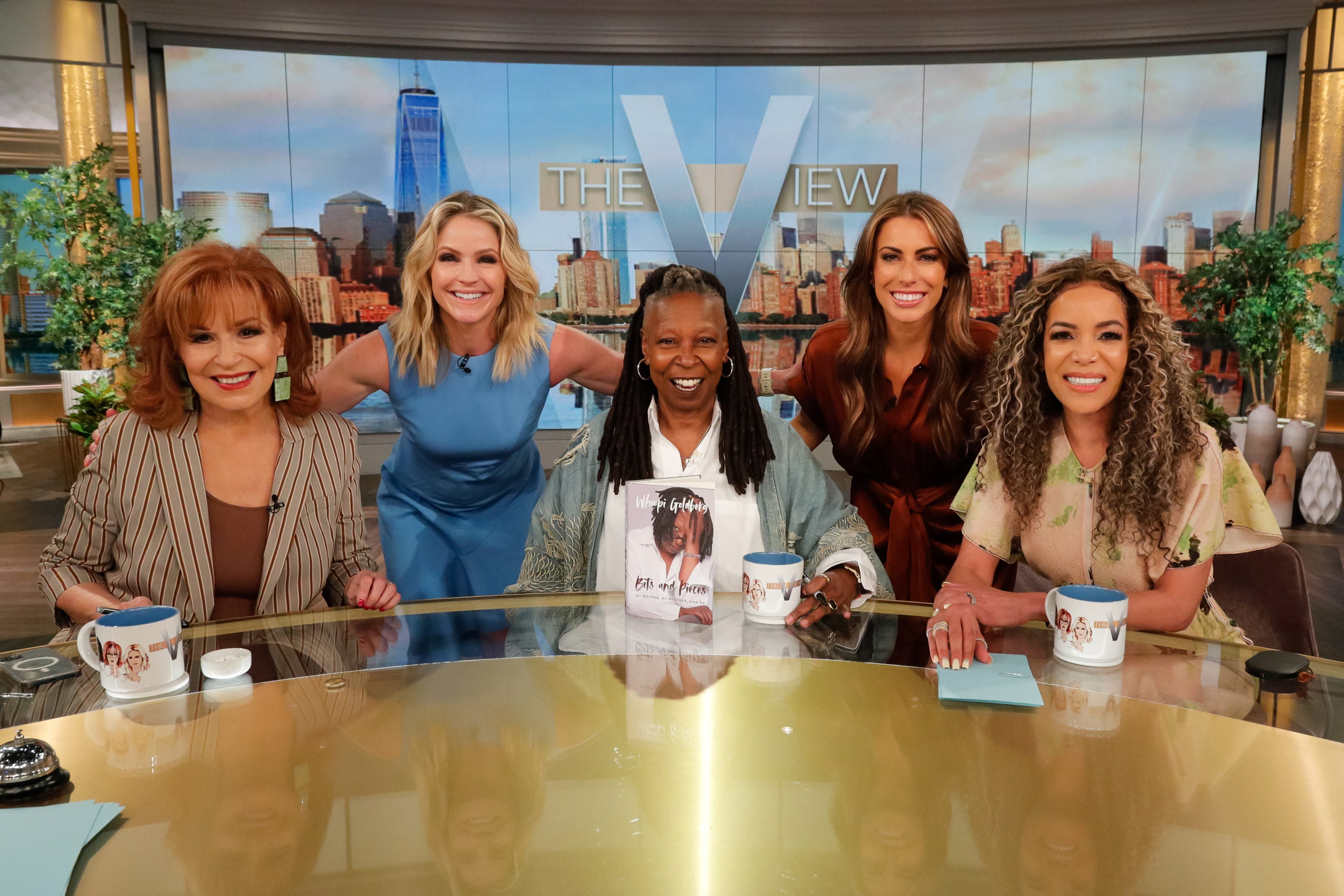
The View, known for its political discussions, could see changes in guest bookings. Hosts like Whoopi Goldberg and Joy Behar often critique conservatives, which critics label as bias. The show’s team might apply for an exemption, but success isn’t guaranteed under the new criteria.
Late-night programs face similar scrutiny. Jimmy Kimmel and Stephen Colbert have roasted political figures, drawing FCC attention. With midterms looming, producers may hesitate on bookings to sidestep complications. One upside: it could lead to more diverse viewpoints on air.
Anna Gomez, the FCC’s sole Democratic commissioner, called the move an “escalation in this FCC’s ongoing campaign to censor and control speech.” She argued broadcasters shouldn’t fear retaliation for critical coverage. On the flip side, Daniel Suhr from the Center for American Rights praised it, saying it prevents networks from giving Democrats free airtime while ignoring Republicans.
What Led to Jimmy Kimmel’s Show Being Pulled Off the Air?
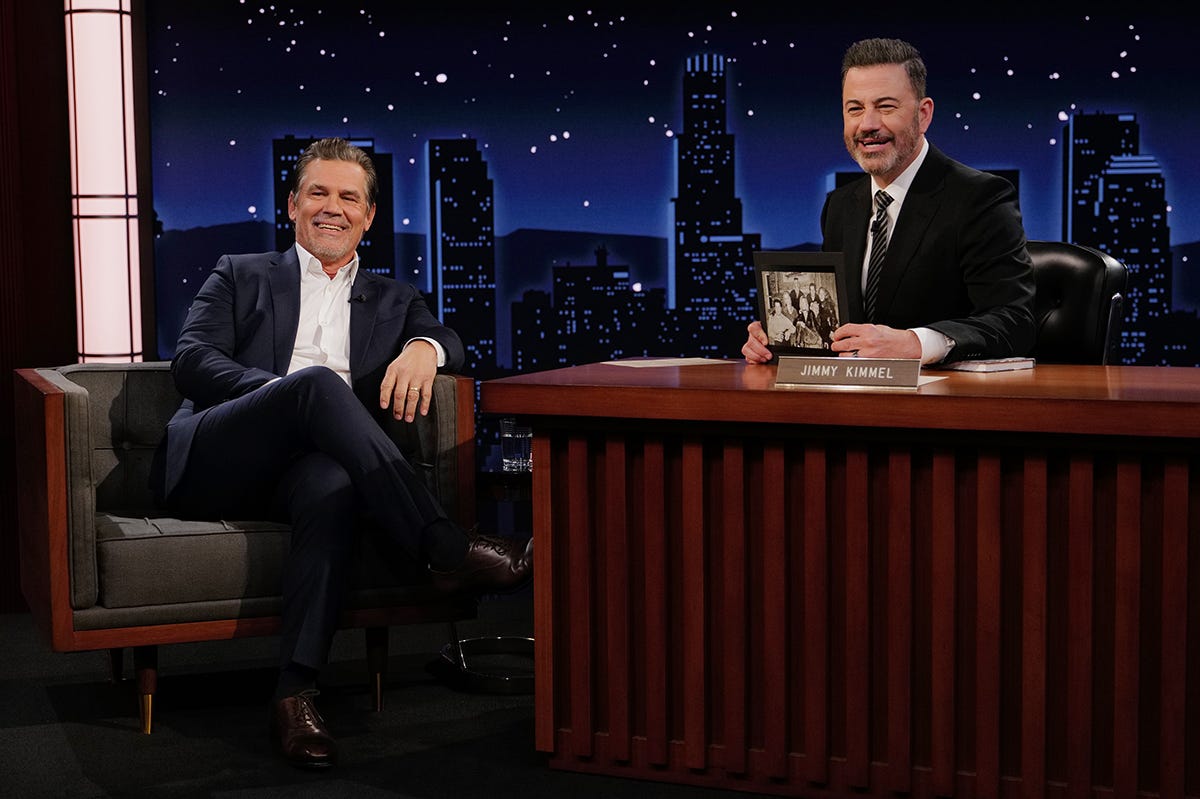
Last September, Jimmy Kimmel Live! went dark indefinitely after Kimmel’s comments on the killing of conservative activist Charlie Kirk sparked backlash. Affiliates like Nexstar Media Group and Sinclair Broadcast Group, which control significant ABC station shares, refused to air the show. They cited the remarks as offensive amid national tensions.
Advertisers joined the revolt, with boycotts adding financial pressure. ABC suspended the program to address the fallout, but executives later worked to reinstate it. Sources indicate the decision stemmed from these market forces, not Disney directly bending to political demands from the Trump administration.
Kimmel returned after apologies and adjustments, but the incident highlighted vulnerabilities in late-night TV. Conservatives saw it as accountability for perceived left-leaning bias, while free speech advocates worried about chilling effects. Both perspectives hold merit—affiliates have autonomy, yet regulatory threats loomed via FCC Chair Brendan Carr‘s prior statements.
Has the FCC Always Meddled in Media and Entertainment?
The FCC’s role dates back to the Radio Act of 1927, which tackled signal interference in early broadcasting. Without regulation, stations overlapped, creating chaos. The Communications Act of 1934 formalized the agency, tasking it with public interest oversight.
Early examples include the 1945 FM band shift. The FCC moved frequencies citing sunspot interference, a decision critics tied to protecting AM radio giants. It devastated FM pioneer Edwin Armstrong, who later died by suicide amid the fallout.
The Fairness Doctrine, introduced in 1949 and enforced until 1987, required balanced coverage of controversial issues. Presidents like John F. Kennedy used it to pressure right-wing radio hosts, demanding rebuttals that drained resources. The doctrine aimed for neutrality but often stifled debate.
Indecency rules kicked in during the 1970s. The 1978 Supreme Court case FCC v. Pacifica Foundation upheld fines for George Carlin‘s “Seven Dirty Words” routine, aired on radio. It set precedents for content restrictions, especially protecting children.
More recently, the 2004 Super Bowl halftime show led to hefty fines over Janet Jackson‘s wardrobe malfunction. The FCC ramped up enforcement, hitting broadcasters for fleeting expletives like Bono‘s 2003 Golden Globes slip. These moves drew criticism for overreach but underscored the agency’s focus on decency.
Ownership caps evolved too. The 1941 National TV Ownership Rule limited stations per owner, promoting diversity. Deregulation via the 1996 Telecommunications Act loosened these, allowing media consolidation. Today, rules cap national reach at 39 percent of households.
Why Is This FCC Guidance Coming Now, and Who’s Behind It?
FCC Commissioner Brendan Carr has led the charge, previously calling out The View for equal time violations. His efforts align with conservative pushes against perceived Hollywood bias. The timing, just before the 2026 midterms, suggests electoral strategy.
Yet the guidance builds on precedents, like NBC’s 2024 scramble to give Donald Trump airtime after Kamala Harris‘ Saturday Night Live appearance. It included slots during sports events and even time for Robert F. Kennedy Jr. Such cases show the rules’ real-world bite.
Democrats view it as targeted censorship under a Republican-led FCC. Republicans counter that it’s about leveling the field in an industry they see as skewed left. The debate echoes broader media trust issues.
The FCC’s push for equal time in talk shows revives old tensions between regulation and free expression. It could foster more balanced political discourse on TV, but at the risk of muting sharp commentary that draws viewers. As midterms heat up, watch for how networks adapt—potentially leading to richer debates or safer, blander programming. Either way, it reminds us that broadcast airwaves remain a public resource, with strings attached.
Hat Tips
The Hollywood Reporter, “FCC Targets ‘The View’ and Jimmy Kimmel With Eye Toward Getting Equal Time For Republicans,” January 21, 2026
Wikipedia, “Suspension of Jimmy Kimmel Live!”
PBS NewsHour, “4 things to know about ABC’s suspension of Jimmy Kimmel’s late-night show,” September 18, 2025
Al Jazeera, “ABC to indefinitely halt Jimmy Kimmel Live! after Charlie Kirk remarks,” September 18, 2025
The New York Times, “Disney Pulled Jimmy Kimmel as Pressure Built on Multiple Fronts,” September 18, 2025
Fortune, “Jimmy Kimmel suspended indefinitely by ABC after affiliates revolt over Charlie Kirk comments,” September 17, 2025
Cato Institute, “The Untold History of FCC Regulation,” May/June 2018
First Amendment Encyclopedia, “Indecency and the Electronic Media,” August 2, 2023
Federal Communications Commission, “Broadcast News Distortion,” July 18, 2024
EveryCRSReport.com, “The Federal Communications Commission’s (FCC’s) Authority Over Broadcasters’ Programming: An Introduction,” December 10, 2025
Administrative Law Review, “The Four Eras of FCC Public Interest Regulation”
Article Compiled and Edited by Derek Gibbs on January 21, 2026 for Clownfish TV D/REZZED.