

Gen Z wants malls and arcades back. They can't have them.
Mall closures are accelerating, retro arcades are folding even with crowdfunding, and Dave & Buster’s was never the point. Here’s why it's so hard to go back.
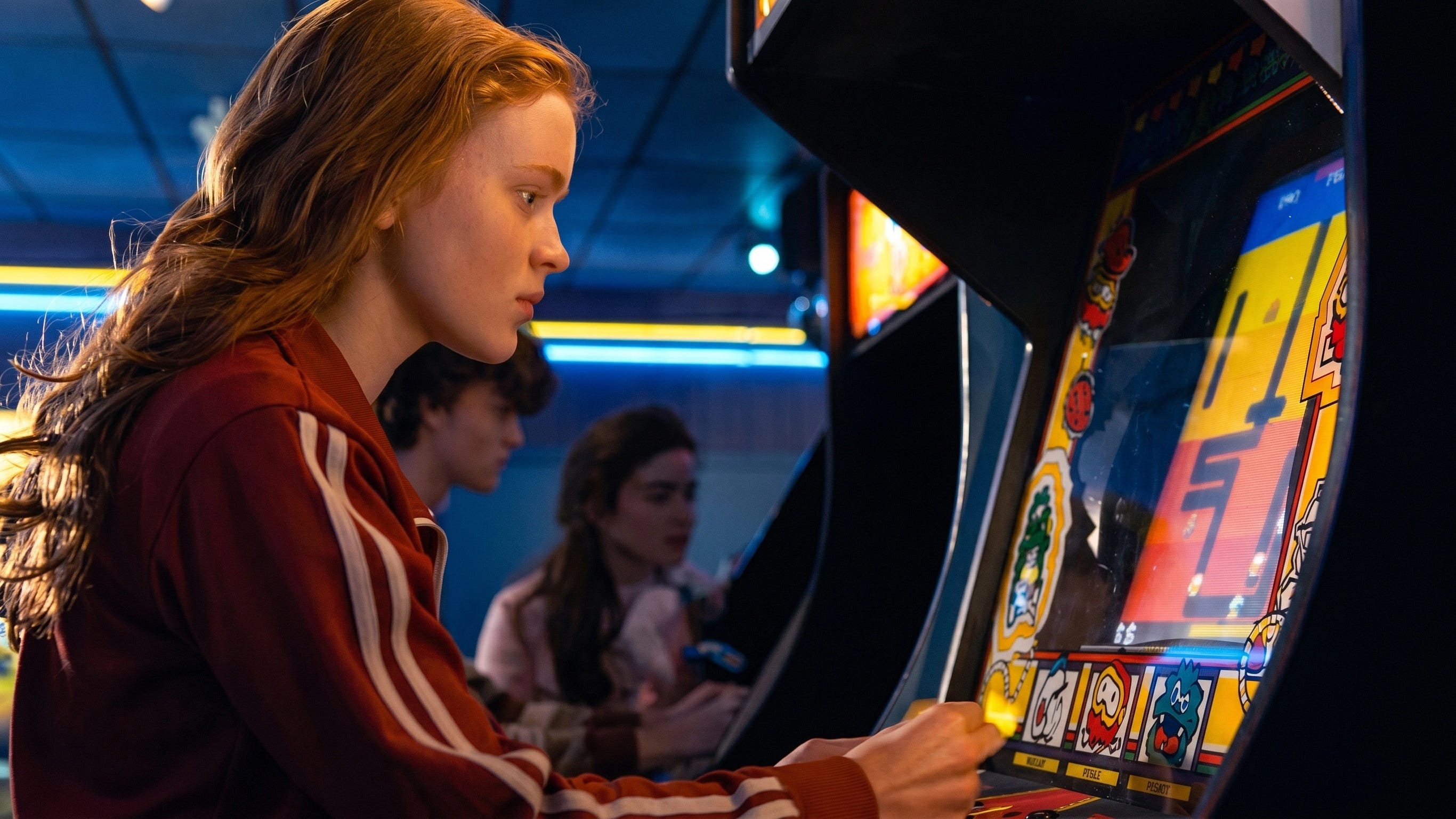
Scroll through TikTok or Instagram and you will see it constantly. Young people posting “POV: going to the mall in 2007” or “this is what arcades used to be like.” Gen Z and younger Millennials are expressing a clear desire for the physical, social spaces their parents and older siblings grew up with. They want the fluorescent-lit corridors, the food courts, the loud arcades filled with the sound of quarters dropping and joysticks clicking.
The problem is that a huge number of those places no longer exist in the form they remember, or at all.
The American mall is fading in real time
Indoor shopping malls were once the undisputed center of American suburban life. From the 1970s through the early 2000s, they were where teenagers hung out, families shopped, and communities gathered. The numbers in 2026 tell a very different story.
There were over 2,500 malls in the U.S. at the format’s peak in the 1980s. As of 2025, roughly 1,200 malls remain, according to Capital One research. By 2028, that number is projected to fall to 900, and some long-range estimates have it dropping further, with as much as 87% of large shopping malls potentially closing over the next decade. A new mega mall has not been built in the U.S. since 2006.
The national mall vacancy rate is roughly 112% higher than the overall retail vacancy rate, with one analysis pegging it at 248% in 2024. Class C malls, the lowest-tier properties, are seeing vacancy rates above 13%. The average dead mall sells for about 43% below its acquisition price.
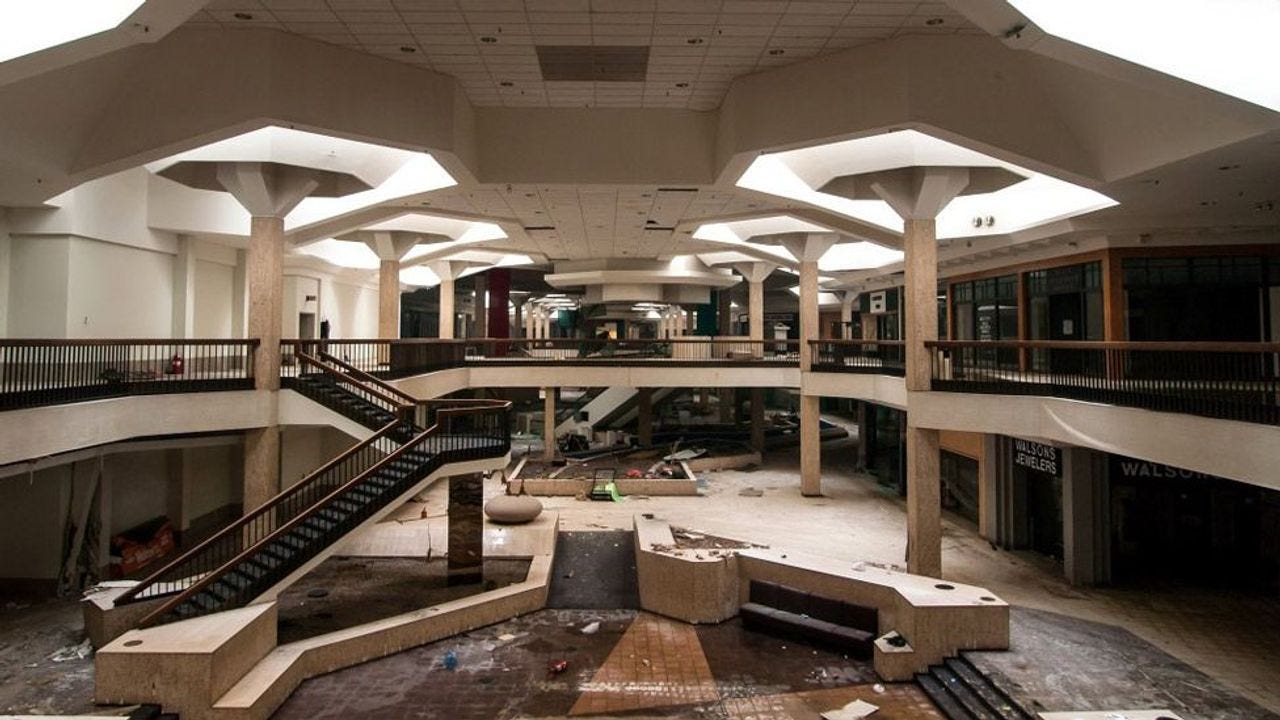
2025 was an especially brutal year for mall anchors
According to Coresight Research, more than 8,100 stores closed across the U.S. in 2025, up roughly 12% from 2024. Some projections suggest closures could escalate further in 2026.
The casualty list of major retailers in 2025 alone is staggering. Party City shuttered all 700 locations. Joann closed all 800 stores after a second bankruptcy in a year. Rite Aid ceased operations entirely with all pharmacy locations closed by October. Forever 21 closed 354 stores and permanently exited the U.S. market after its second bankruptcy. Claire’s closed over 290 stores while navigating its own bankruptcy.
Even surviving retailers are pulling back hard. Macy’s announced plans to close 150 underperforming stores through the end of 2026 as part of its “Bold New Chapter” strategy, with 14 additional locations closing in early 2026 following 66 closures in 2025. JCPenney closed at least 8 more stores in 2025, adding to over 200 total closures since its 2020 bankruptcy filing.
How malls actually died, step by step
The collapse was not one event. It was a chain reaction.
E-commerce changed expectations. Amazon and online shopping did not just take market share. They reshaped what consumers expect from buying anything. Why drive to the mall when you can get almost anything delivered the next day, often cheaper?
Anchor stores collapsed. Major department stores like Sears, JCPenney, and Macy’s were the economic engines of malls. When they started closing stores en masse, it created a death spiral. Fewer anchors meant less foot traffic, which meant smaller stores could not survive either. Crucially, co-tenancy clauses in many leases allowed smaller retailers to terminate leases or demand rent reductions when anchors departed, creating a domino effect.
Demographics shifted. Younger generations have less disposable income for traditional retail. They also socialize differently, through phones and social media rather than physical hangouts. The classic “mall rat” culture largely disappeared.
Operating costs ballooned. Large indoor malls are expensive to heat, cool, maintain, and secure. When vacancy rates climb, those fixed costs get spread across fewer tenants, driving rents up or forcing closures.
COVID-19 delivered the death blow. The pandemic accelerated everything. Store closures during lockdowns combined with the permanent shift to online shopping pushed marginal properties over the edge.
Not all malls are dying, but the survivors are different
Some malls are not just surviving but thriving by reinventing themselves.
Mall of America in Bloomington, Minnesota remains one of the strongest properties in the country and is constantly adding new attractions. American Dream in East Rutherford, New Jersey bet heavily on entertainment alongside retail and has become a major regional destination. Aventura Mall in Florida, King of Prussia in Pennsylvania, and high-end centers like NorthPark Center in Dallas continue to do well by focusing on luxury brands and experiential retail.
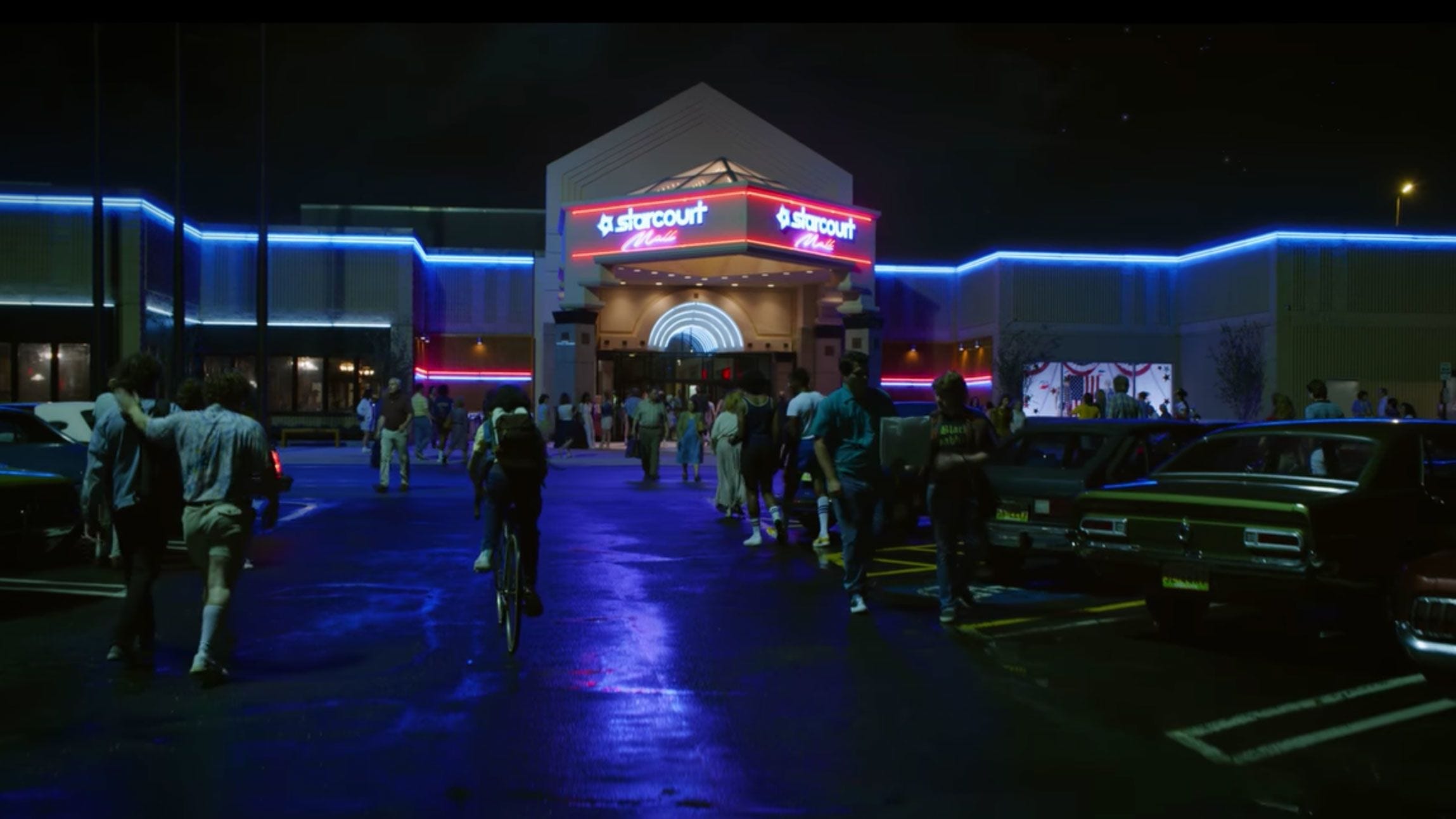
According to McKinsey‘s State of Fashion 2026 report, luxury retail square footage in the U.S. rose 65% in the first half of 2025, reflecting a clear barbell strategy where high-end and dollar-store retail thrives while middle-tier mall stores get crushed.
Many struggling malls are being converted into something else entirely. According to Capital One data, 46% of mall redevelopments are now mixed-use projects that include some retail. 9% of vacant malls have become warehouses. 7% have become residential housing. 5% became delivery or distribution centers. 4% became community college or university spaces. Another 4% became healthcare or medical facilities.
The version of the mall Gen Z is nostalgic for, the enclosed, anchor-driven shopping cathedral with a food court and a movie theater, is structurally obsolete.
The death of the American arcade was a slow burn
Arcades followed a similar trajectory, though for different reasons.
The golden age of arcades, from the late 1970s to the mid-1980s, was killed by a combination of market saturation, the 1983 video game crash, and most importantly, the rise of home consoles. Once kids could play Pac-Man, Street Fighter II, or Mortal Kombat at home, the need to go to a public arcade diminished. By the 1990s and 2000s, most standalone arcades had closed. The survivors often became attached to bowling alleys, movie theaters, or family entertainment centers like Chuck E. Cheese.
The retro arcade revival is real but extremely fragile
In recent years there has been a genuine nostalgia-driven revival, helped enormously by pop culture. Stranger Things turned the fictional Palace Arcade into a character in its own right, with Dig Dug and Dragon’s Lair cabinets shot like cathedral interiors. The Goldbergs leaned on a pizzeria full of Donkey Kong machines repeatedly. The new Stranger Things spinoff in 2026 leans even harder on cabinet imagery than the main show ever did.
Enthusiasts and small business owners have opened retro-focused arcades featuring original cabinets, pinball machines, and classic games. The successes are real.
Galloping Ghost Arcade in Brookfield, Illinois bills itself as the largest video arcade in the U.S., with over 885 games. The venue runs on a flat $25 door fee with all games set to free play, has tracked over 600 world records, and stays open until 2 a.m. on weekends. Pinballz in Austin, Texas operates multiple BYOB locations with over 250 games each. Barcade, which opened its first Brooklyn location in 2004, essentially invented the modern barcade format.
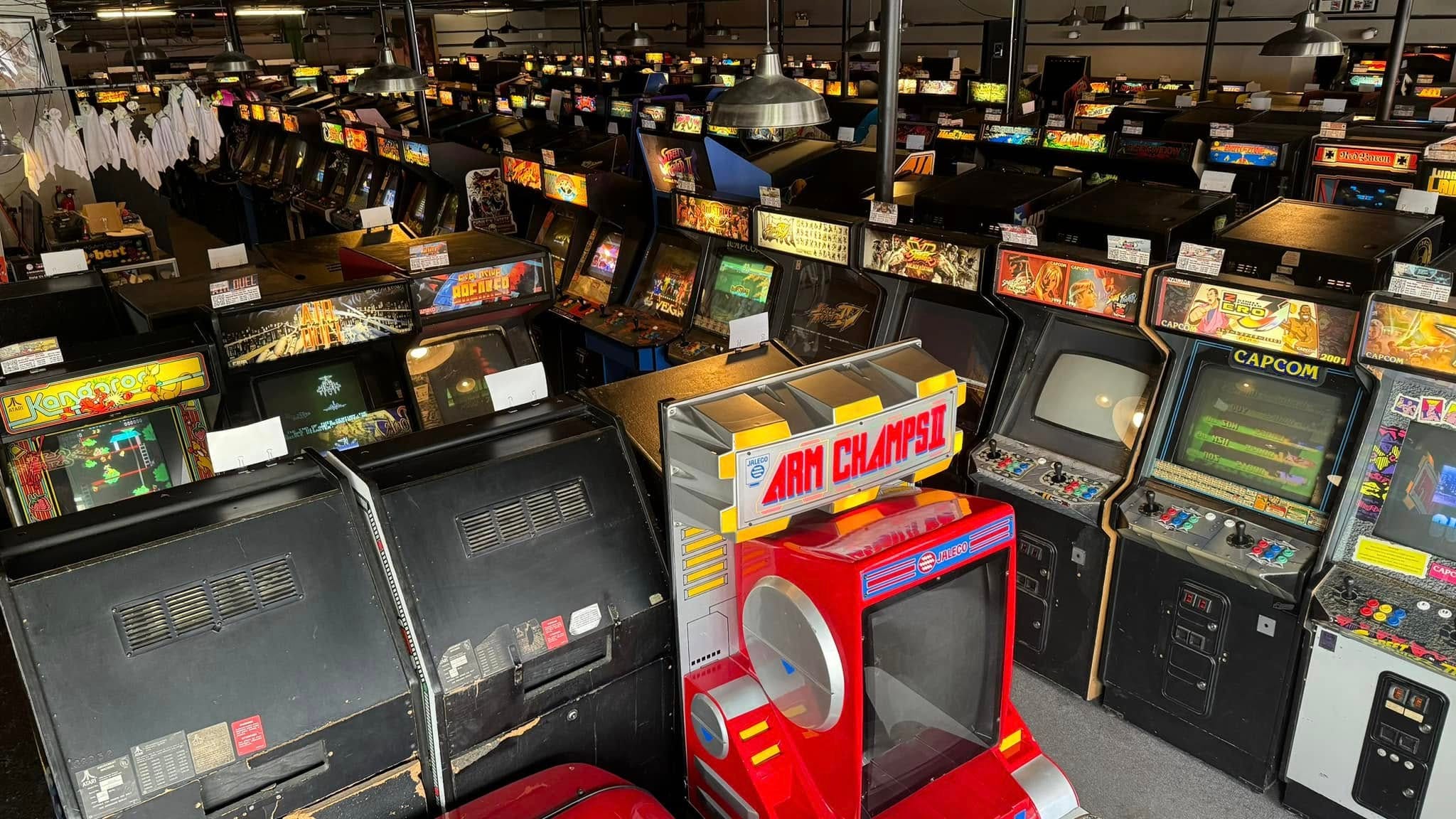
But the failure rate is just as real. Highest Score Arcade in Salisbury, England opened in August 2024 and closed in June 2025 due to running costs and low footfall. The community raised over £3,000 in two days to keep it open, and it briefly reopened, only to close for good at the end of September 2025. Owner James Petherick put it bluntly to the BBC. “On a financial basis, it just hasn’t worked.”
Retro Replay Arcade in Peoria, Illinois, which billed itself as a 1990s gamer paradise, opened on New Year’s Eve 2023 and closed before its first anniversary.
Even successful retro spots operate on razor-thin margins. Industry site Arcade Heroes has been openly advising operators to avoid common pitfalls. Do not start a free-play arcade with fewer than 40 games. Offer food, sports games, or other attractions to keep people around. Be willing to adjust the business model if things are not working. Open somewhere accessible with decent foot traffic, which is harder than ever.
The challenges are structural. High rent for the large spaces needed. The cost and difficulty of maintaining 30 to 40-year-old machines. Competition from home gaming, emulation, and modern entertainment options. Electricity bills that have ballooned in recent years.
Dave & Buster’s, Chuck’s Arcade, and barcades are not what arcades were
This is an important distinction Gen Z often misses when they romanticize the past.
Dave & Buster’s is primarily a restaurant and bar with an attached game room. The focus is on ticket-redemption games, the modern descendants of skee-ball and claw machines, some newer video games, and alcohol sales. It is clean, well-lit, family-friendly during the day, and very much a chain experience.
Barcades are adult-oriented spaces where the primary product is alcohol. The games are often a curated mix of classics and modern titles, but the atmosphere is fundamentally different from the dark, loud, slightly grimy, kid-and-teen-focused arcades of the 1980s and 1990s.
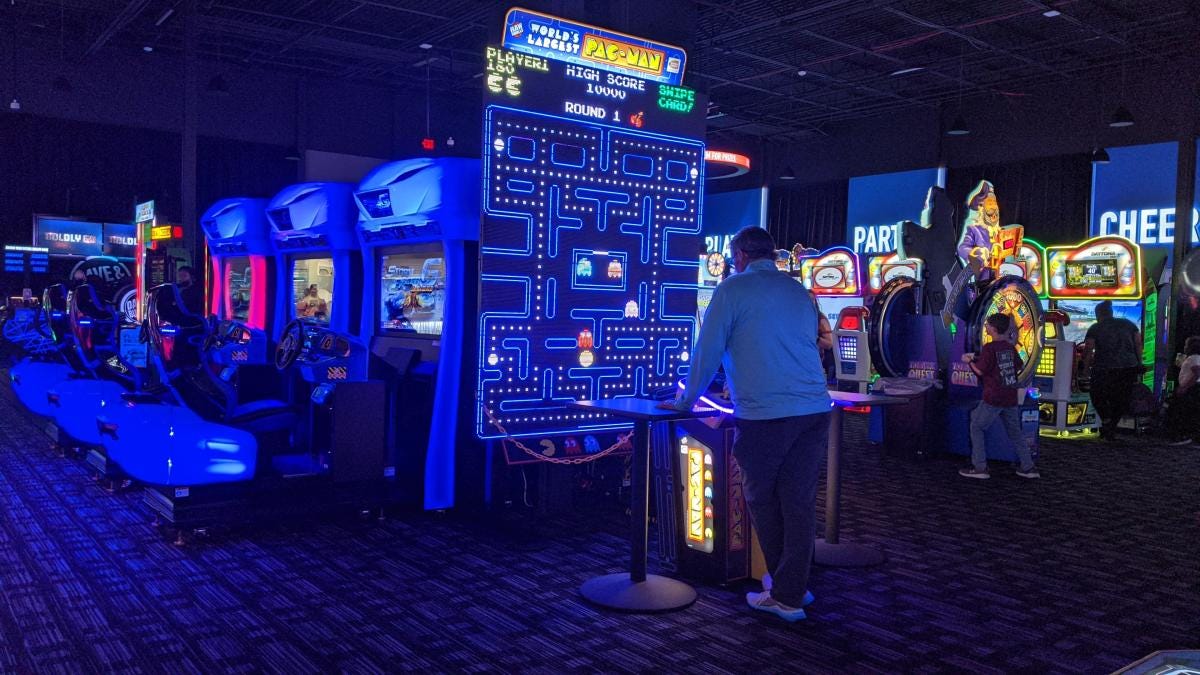
Chuck’s Arcade, launched on June 30, 2025 as an adult-targeted spinoff of Chuck E. Cheese, takes a hybrid approach. The new chain has already opened in over 10 locations across 8 states, including St. Petersburg, Florida, Trumbull, Connecticut, Oklahoma City, Tulsa, Victor, New York, Buford, Georgia, El Paso, Texas, Nashua and Salem, New Hampshire, St. Louis, and a Brea Mall location in California. The mix is intentional. Ms. Pac-Man, Galaga, Mortal Kombat, Donkey Kong, and Centipede sit alongside modern titles like Jurassic Park, Halo, NERF-themed games, racing simulators, and VR. Pizza and costumed mascots are gone, but the animatronic characters remain.
None of these formats really recreates the original arcade experience. Walking in with a pocket full of quarters. The smell of popcorn and cleaning fluid. The constant sound of machines. The social pressure and performance of playing in front of strangers. The unsupervised teenage chaos of a 1990s mall arcade is structurally incompatible with modern liability, real estate economics, and family entertainment center business models.
The “third place” problem nobody can solve
Gen Z’s desire for malls and arcades is real and understandable. Social media has turned these spaces into aesthetic and cultural touchstones. There is also a genuine hunger for “third places,” the term sociologist Ray Oldenburg coined for physical locations outside of home, school, or work where people can gather without spending a fortune or staring at screens the whole time.
The problem is structural. The economic and cultural conditions that created and sustained traditional malls and arcades no longer exist in the same way. Affordable commercial real estate, anchor-tenant economics, mass disposable income among teenagers, and a baseline cultural assumption that you would go somewhere to be around other people without a specific purchase agenda, those conditions have eroded simultaneously.
Some reinvention is happening. A few malls are successfully pivoting toward experiences and mixed-use development. A handful of dedicated retro arcades continue to operate, often subsidized by enthusiast owners who treat the venue more like a passion project than a serious business. Chuck E. Cheese is making a real bet on adult nostalgia with Chuck’s Arcade. Dan Bell‘s Dead Mall Series on YouTube has racked up millions of views, with Bell noting that young viewers approach abandoned malls with “shock and awe at the same time. It’s like watching the Titanic sink.”
Gen Z can visit what remains, or help support the places trying to bring some of that spirit back. But the version they are nostalgic for largely belongs to a different era, one that is not coming back in its original form.
The mall and the arcade as third places worked because of a specific alignment of cheap rent, cheap labor, cheap power, cheap teenage social capital, and a pre-smartphone culture where being around other people was the default. None of those inputs are coming back anytime soon.
Nostalgia is not a business model. And the people who learned that the hard way have the closed-storefront receipts to prove it.
Article compiled and edited by Derek Gibbs (entertainment editor) and the Clownfish TV newsroom.
D/REZZED is part of Clownfish TV. For more news, views, and rants on gaming and tech, visit clownfishtv.com. Watch the show on YouTube at @ClownfishTV where new episodes drop daily. Subscribe to the Clownfish TV podcast on Apple Podcasts, Spotify, iHeart, and wherever else you get your podcasts. Sign up for the free newsletter at more.clownfishtv.com.
Hat Tips:
Capital One Shopping research on U.S. mall closure statistics, vacancy rates, and projected closures through 2028
The Science Survey and Newsweek coverage of 2025 retail vacancy rates and the “dead mall” repurposing trend
Coresight Research and Cushman & Wakefield data on 2025 store closures, retail leasing weakness, and major bankruptcies including Party City, Joann, Rite Aid, Forever 21, and Claire’s
Coldwell Banker Commercial analysis of why some malls thrive while others collapse, including Macy’s “Bold New Chapter” strategy and McKinsey’s State of Fashion 2026 report
AOL, MassLive, and USA Today coverage of 2025 store closures by retailer
Time magazine’s interview with Dan Bell of YouTube’s Dead Mall Series on Gen Z’s relationship with abandoned malls
Arcade Heroes and Time Extension, monthly location watch coverage of arcade openings and closures, plus operational best practices for retro arcade owners
BBC and Journal Star reporting on the Highest Score Arcade closure in Salisbury and Retro Replay Arcade closure in Peoria
Fortune, Parade, and Los Angeles Times coverage of the June 2025 launch of Chuck’s Arcade and its expansion to 10 locations
Galloping Ghost Arcade and Pinballz official site information on operating models and game counts
The Movie Blog and GameSpace on the cultural role of streaming TV in driving arcade nostalgia, including Stranger Things and The Goldbergs