

George Lucas defends AI, comparing its critics to people who rejected cars for horses
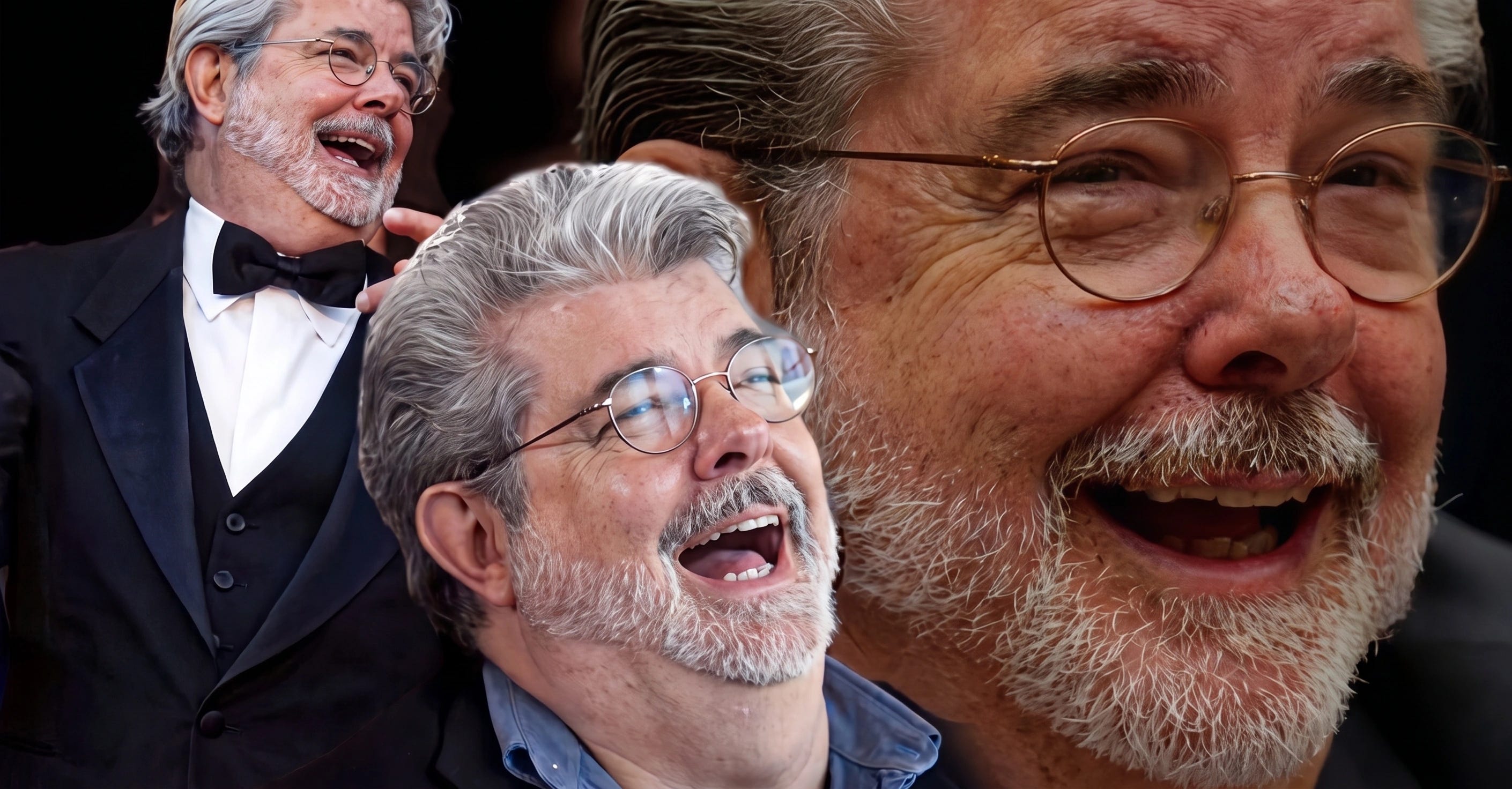
Star Wars creator George Lucas has come out strongly in favor of AI in filmmaking, calling it “the future” and comparing resistance to it to clinging to horses over cars. It’s a bold take from a tech pioneer, and a controversial one. Here’s what he said, and the case against it.
George Lucas has never been one to shy away from new technology, and now the legendary Star Wars creator has thrown his weight behind one of the most divisive subjects in entertainment: artificial intelligence. In a rare new interview, Lucas argued that AI is simply “the future” of filmmaking, and that resisting it is a losing battle.
It’s a striking, and to many, controversial, stance from one of cinema’s most important figures. Here’s exactly what he said, why it fits his legacy, and the significant pushback his view is getting.
What Lucas actually said
Speaking to the magazine A Rabbit’s Foot while promoting his upcoming Lucas Museum of Narrative Art, the 81-year-old filmmaker made his position clear. “Artificial intelligence means it’s much easier for us to make movies,” he said, before comparing AI skeptics to people who clung to outdated technology.
“It’s very much like sitting here saying, ‘Well, I believe the horse and the buggy is really where it’s at. These cars, they break down, they need gas, there’s all kinds of problems with them,’” Lucas said. His conclusion was blunt: “There’s nothing you can do about it. That’s progress, it’s the future.” In essence, he’s arguing that AI’s rise in filmmaking is inevitable, and that fighting it is like fighting the automobile a century ago.
His answer to the risks: more AI, and accountability
To his credit, Lucas didn’t entirely dodge the downsides when pushed on them. But his proposed solutions were, to some, surprising. He suggested that many of AI’s problems can be solved by, well, AI.
“If you want AI that tells you when something is fake and where it came from, AI can do that,” he argued. “Humans can’t, we’re not that smart.” He paired that with a strong emphasis on human accountability, insisting that people remain responsible for their actions regardless of the tools involved.
“You’re a human being, you’re responsible for what you say and what you do, and if you’re doing something that’s illegal you should be punished for that. Whatever you do, you should be recognized. It’s just like real life.”
His broader vision is one of democratized filmmaking, AI letting people make movies for a fraction of the cost, potentially unearthing talented storytellers who’d never otherwise get a shot.
Why this isn’t a surprise, coming from him
If anyone was going to be bullish on AI in Hollywood, it makes sense that it’s Lucas. His entire career has been built on betting on the bleeding edge of technology, often before anyone else believed in it.
He founded Industrial Light & Magic, the visual-effects house that revolutionized the industry. He pushed CGI into the mainstream, and famously waited years to make the Star Wars prequels until the technology could catch up to his vision. Lucas has always been the guy who invents or adopts the new tool rather than clinging to the old way.
So an optimistic take on AI is entirely consistent with the man who spent 50 years pushing filmmaking technology forward. This is who he’s always been.
The pushback: what critics say he’s missing
That said, Lucas’s rosy view is drawing significant criticism, and the counterarguments are worth taking seriously. For many in the industry, “it’s inevitable, so embrace it” glosses over real and painful problems.
The most immediate is jobs. AI’s ability to make movies “easier” and cheaper is precisely what threatens the livelihoods of the artists, animators, and VFX workers, ironically, the very kind of people ILM employs. There’s also the thorny issue of AI models being trained on mountains of existing human work, often without permission or payment, which critics call outright theft. And some argue that “inevitability” is itself a convenient talking point pushed by AI’s biggest boosters, a way to shut down debate rather than engage with it. Whether today’s cost-cutting studios can be trusted to wield AI as responsibly as Lucas hopes is very much an open question.
The irony nobody’s missing
There’s one more wrinkle that’s hard to ignore. Lucas made these pro-AI comments while promoting the Lucas Museum of Narrative Art, an institution he built to celebrate, in the words of its own mission, “stories and the people who tell them.”
In other words, a man opening a monument to human creativity and hand-crafted narrative art is simultaneously championing a technology many artists fear will devalue exactly that. It’s not necessarily a contradiction, Lucas would likely argue AI is just another human tool, but it’s a tension that captures the whole debate in miniature. Can you celebrate human artistry and automate it at the same time?
Lucas on AI: what it comes down to
George Lucas’s full-throated endorsement of AI is significant simply because of who’s saying it. This isn’t a faceless tech executive with a product to sell, it’s one of the most influential storytellers in film history, arguing that AI is an unstoppable, ultimately positive force for creativity.
His optimism is genuine, rooted in a lifetime of technological bets that paid off spectacularly. But his critics have a point too: the man who can afford to see AI purely as a creative liberator isn’t the one whose job it might eliminate, and “it’s inevitable” is cold comfort to the workers in its path. Both things can be true, AI may well be the future and a genuine threat to the people who built the industry. Where you land probably depends on whether you’re the one holding the new tool, or the one it’s replacing.
One thing’s certain: when a figure as monumental as Lucas speaks, the whole industry listens. Whether they follow him into the future he’s describing is another matter entirely.
Want More Clownfish TV?
This article was brought to you in part by The Reefers of more.clownfishtv.com. Free subscribers get articles like this one in their inbox. Paid subscribers get the full Clownfish TV podcast feed, livestreams, and members-only episodes that never hit YouTube.
D/REZZED is part of Clownfish TV. For more news, views, and rants on gaming, tech, and pop culture, watch @ClownfishTV on YouTube and find the podcast on Apple Podcasts, Spotify, and iHeart.
Article compiled and edited by Derek Gibbs (entertainment editor) and the Clownfish TV newsroom.
Hat Tips:
A Rabbit’s Foot (interview) and PC Gamer (July 2026), the primary source, verified for Lucas’s quotes (his statement that “artificial intelligence means it’s much easier for us to make movies,” his horse-and-buggy-versus-cars comparison, his “there’s nothing you can do about it, that’s progress, it’s the future” conclusion, his argument that AI can identify fakes and their origins where “humans can’t, we’re not that smart,” and his emphasis on human accountability, all given while promoting the Lucas Museum of Narrative Art)
Gizmodo, Kotaku, and World of Reel (July 2026), verified for the context and analysis (Lucas’s lifelong embrace of new technology including founding Industrial Light & Magic and pioneering CGI, his “democratization of filmmaking” vision of cheaper movies unearthing new talent, the interview also including his criticism of studios’ overreliance on focus groups, and the observation that these comments came while promoting a museum dedicated to human-made narrative art)
PC Gamer, Kotaku, and industry commentary (July 2026), verified for the pushback (concerns that AI threatens the jobs of artists, animators, and VFX workers, criticism of AI models being trained on human work without permission, skepticism that “inevitability” is an AI-booster talking point, and questions about whether modern studios can be trusted to use AI as responsibly as Lucas envisions)
I'm glad Lucas said this, and yes, you can be pro human artist and pro AI at the same time. This zero sum game debate, as well as the idea of AI stealing are red herrings, built by corporate PR to get government to regulate AI out of the free market and into their monopolies. I write about this quite a bit over on Film Threat, if you're interested.