

Hasbro cancels games and takes a $56M hit as its video game push shrinks
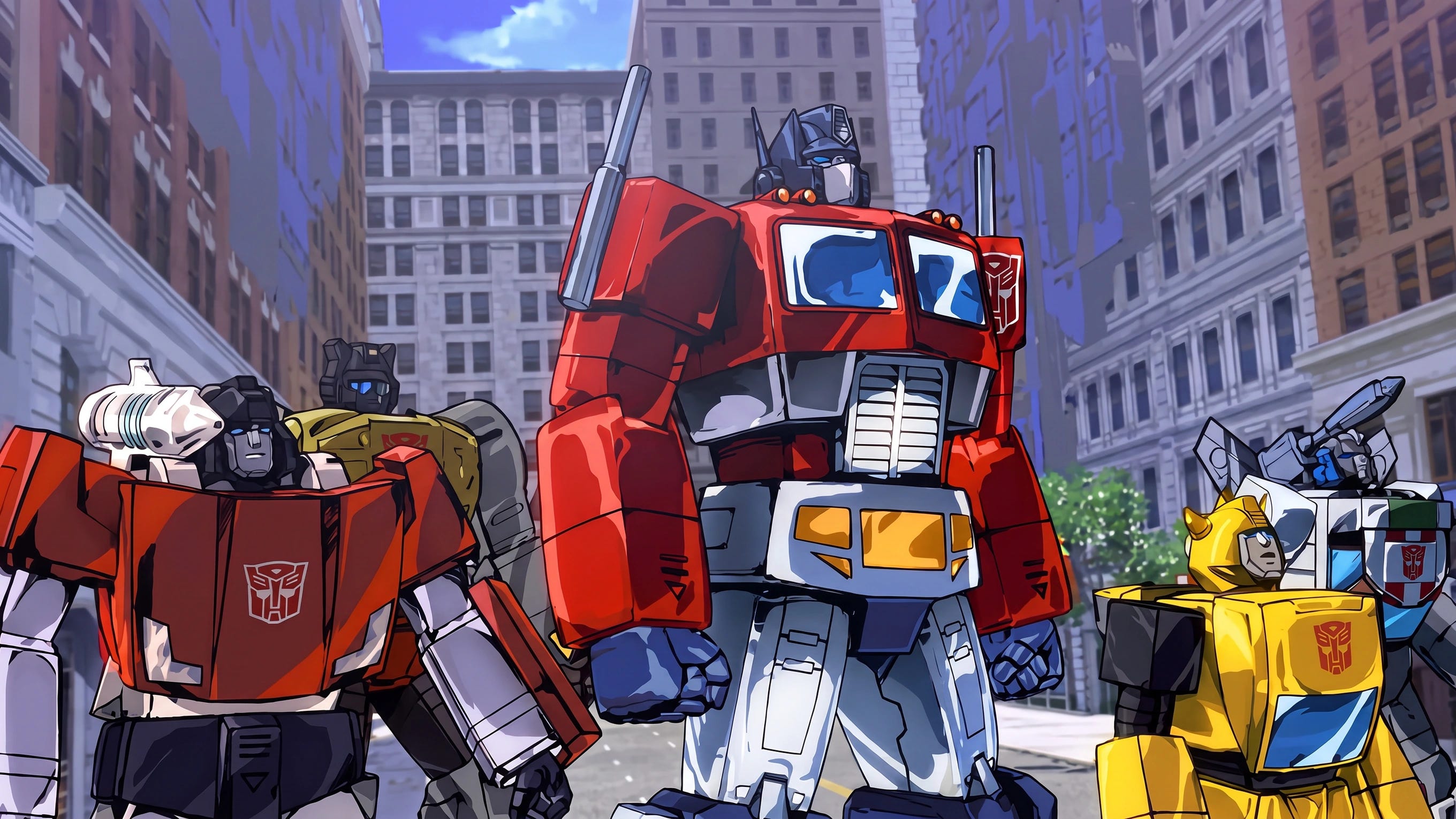
Hasbro went all in on video games under CEO Chris Cocks, spinning up studios and chasing blockbusters. Now it’s canceling several games planned for 2028 and beyond, taking a $56 million write-down, and cutting its digital spending to refocus on a few big franchises like Magic and D&D.
A few years ago, Hasbro decided it was going to be a video game company. Not just a toy company that licenses its brands to game makers, a real player, with its own studios cranking out its own blockbusters.
This week, it admitted that plan was too big. And it cost $56 million to say so.
What Hasbro announced
In its second-quarter earnings, Hasbro disclosed a $56 million impairment charge tied to its video games portfolio. An impairment charge is basically a company admitting an asset is worth less than what it paid for it, so it writes the value down on the books.
In this case, the write-down covers several games Hasbro had planned for 2028 and beyond, and has now canceled. CEO Chris Cocks told shareholders the company reviewed its lineup and pulled what he called “lower-conviction projects” out of the plan.
To be clear about one thing: this is a non-cash charge. Hasbro didn’t hand anyone $56 million this quarter. It’s an accounting hit for money already spent on games that will now never come out. Still expensive. Just a different kind of expensive.
The “all in” era
To understand why this matters, rewind to 2022. That’s when Cocks, a gaming guy by background, stood up six new internal studios and made video games a centerpiece of Hasbro’s future. The pitch was that Hasbro was sitting on gold, brands like Dungeons & Dragons and Transformers, and should be making the big games itself instead of just renting the IP out.
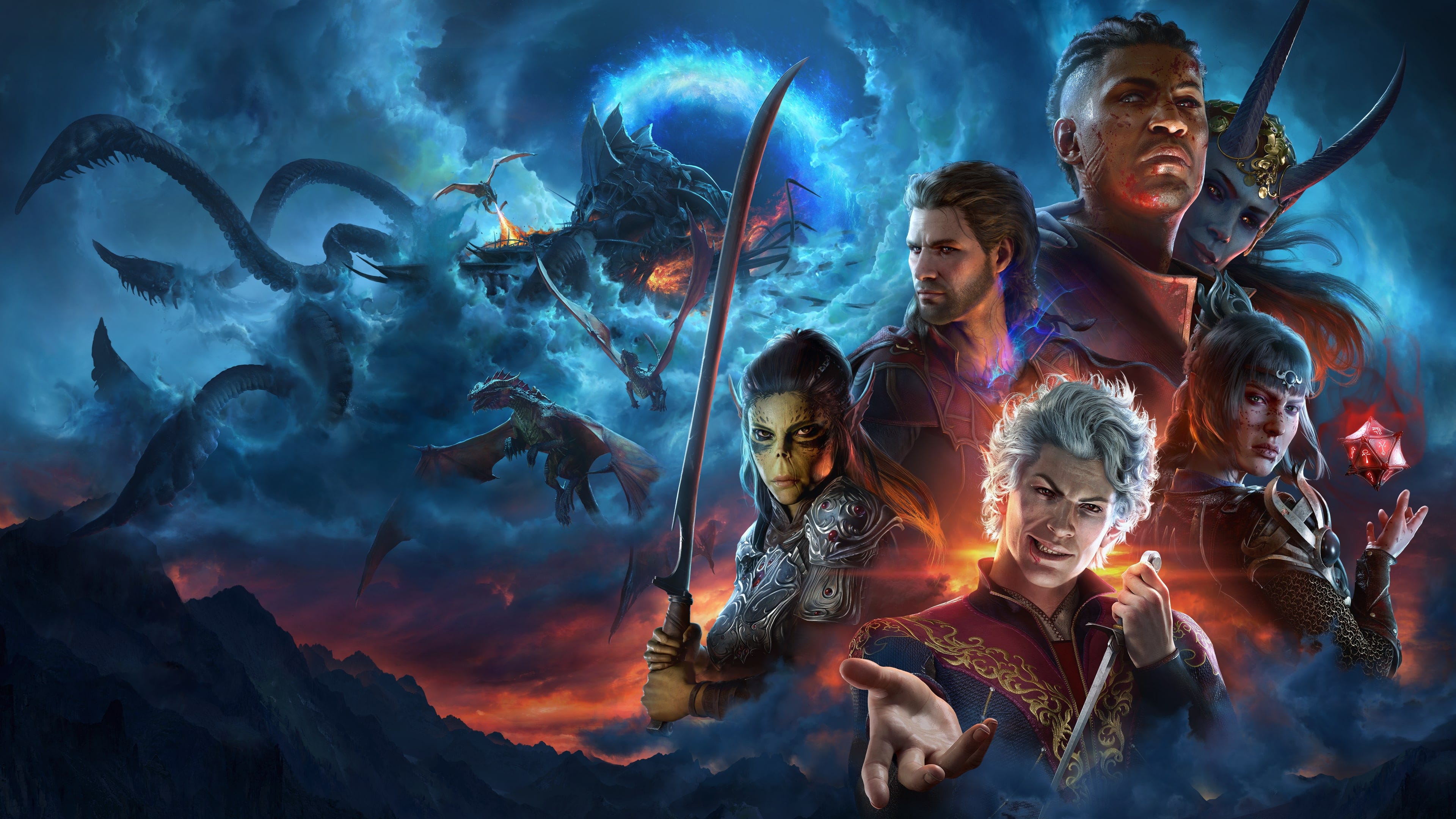
The dream had a poster child, too. Baldur’s Gate 3, built by an outside studio on the D&D license, became one of the most acclaimed games of its era and printed money. If a partner could do that with Hasbro’s brand, imagine what Hasbro could do in-house.
As recently as this May, Cocks was still reaffirming the commitment. Then Q2 landed.
Fewer, bigger, cheaper
The new plan is a retreat dressed as a refocus, and to be fair, it’s a reasonable one.
Cocks says Hasbro is now concentrating its money behind the franchises with the clearest payoff, mainly Magic: The Gathering and Dungeons & Dragons, plus its owned platforms and deals where a partner shares the cost and risk. It’s leaning on co-development and co-publishing instead of shouldering whole games alone, and moving more development to cheaper regions, with Montreal as a hub.
The headline number for the strategy shift: Hasbro expects its total digital spending to fall by at least 25% a year by 2028. That’s not a company doubling down. That’s a company that looked at the cost of making its own blockbusters, winced, and started trimming.
This isn’t Hasbro quitting games
Now the necessary caveat, because “Hasbro pulls back” can read scarier than it is. Hasbro is not walking away from video games.
The company says it still has more than 200 projects in active development across mobile, console, PC, and casino gaming. It expects 2026 to actually be its peak year for digital investment, driven by two tentpole titles, Exodus and Warlock, both still on track for 2027. The canceled games were future bets, not current ones, which is why Hasbro says the write-down doesn’t change its 2027 math.
So it’s a trim, not an exit. A big, expensive trim, but a trim.
A strong quarter, a trimmed bet
Here’s the part that makes the whole thing more interesting. Hasbro isn’t cutting games because the business is struggling. The business is doing great.
The same quarter that carried the $56 million write-down also showed revenue up double digits for the first half, with Magic: The Gathering alone up over 32% and Hasbro raising its full-year outlook. Wizards of the Coast is carrying the company, and its tabletop and card empire is booming.
That’s what makes the retreat telling. This wasn’t a desperate cut by a company bleeding out. It was a healthy, cash-generating giant looking hard at its own video game ambitions and deciding they weren’t worth what they cost.
Making great games is brutally hard and brutally expensive, even when you own some of the best brands on the planet and have the money to try. Hasbro went all in to find that out.
Now it’s playing a smaller hand, and betting the franchises it already knows how to win with can carry the rest.
Article compiled and edited by Derek Gibbs (entertainment editor) and the Clownfish TV newsroom.
D/REZZED is part of Clownfish TV. For more news, views, and rants on gaming, tech, and pop culture, visit clownfishtv.com. Watch the show on YouTube at @ClownfishTV where new episodes drop daily. Subscribe to the Clownfish TV podcast on Apple Podcasts, Spotify, iHeart, and wherever else you get your podcasts. Sign up for the free newsletter at more.clownfishtv.com.
Hat Tips:
Hasbro Q2 2026 earnings release and call — the $56M impairment, the canceled 2028+ games, Cocks’ “lower-conviction projects” quote, and the strong topline results
GameSpot — the “fewer, bigger games” framing and Cocks’ full statement on refocusing digital investment
VG Times — the 200+ active projects, the Exodus and Warlock 2027 slate, and 2026 as peak digital-investment year
Ticker Report / Investing.com — the 25%+ digital-spending cut by 2028, the Montreal development shift, the non-cash and one-time nature of the charge, and the Magic-up-32% and raised-outlook figures