

How Doom's creators sold empty game boxes to Taiwanese pirates on purpose
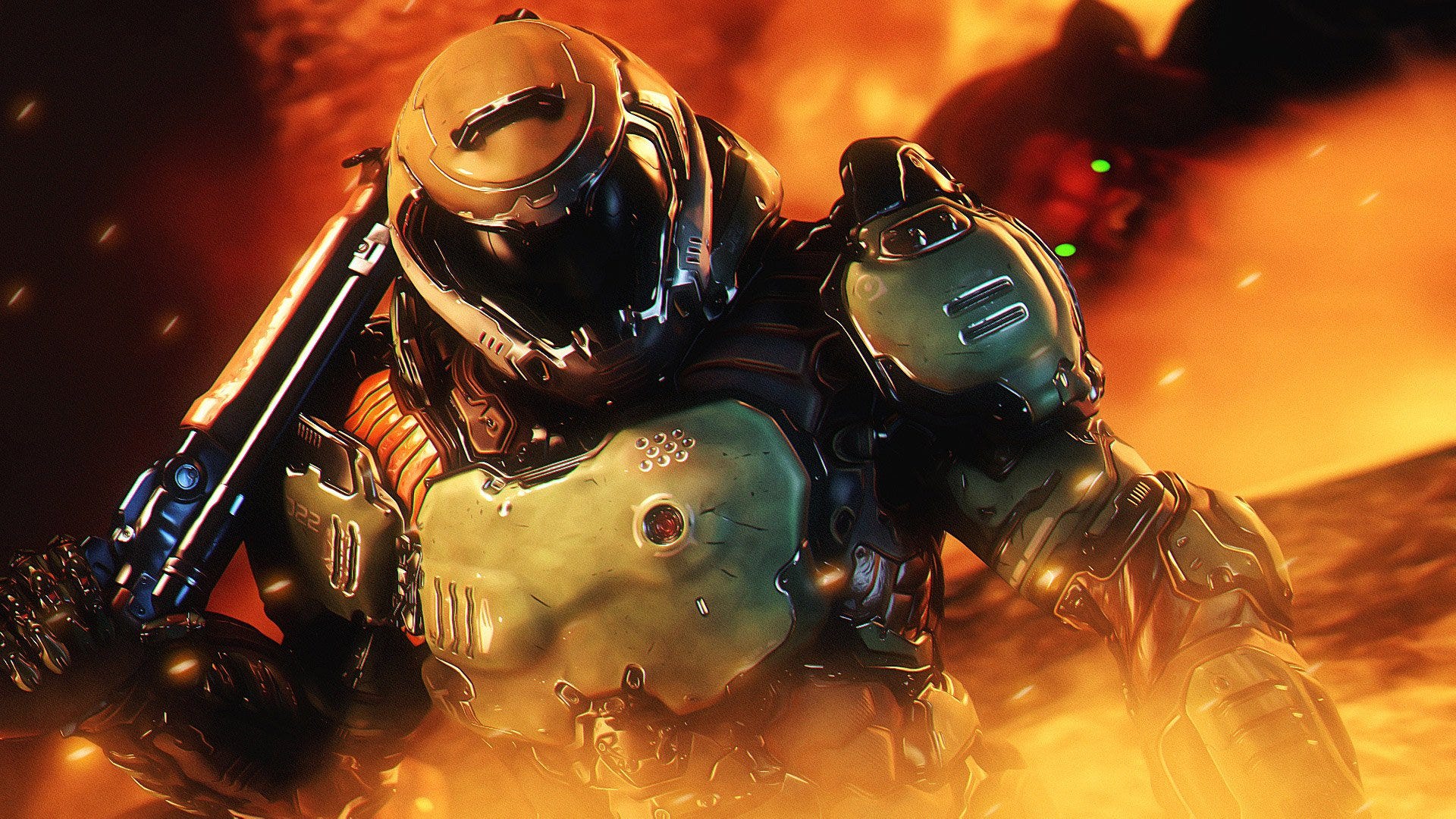
At QuakeCon 2026, John Romero explained that id Software once sold cheap official boxes to Taiwan’s biggest Doom pirates, embracing the copying instead of fighting it. “For us, it was distribution.”
Back in 1993, id Software had a piracy problem in Taiwan and solved it in the last way you’d expect: it called up the pirates and sold them boxes.
At a QuakeCon 2026 panel, Doom co-creator John Romero explained that when the studio realized its game was being copied wholesale in Taiwan, it didn’t send lawyers. It made a deal. “We contacted the biggest pirates there and went, ‘Can you buy boxes from us? Really cheap. Really, really cheap,’” Romero recalled. “So they bought tons of boxes off of us, so it would be legitimate.”
The whole thing came down to one id philosophy: getting Doom in front of as many people as possible mattered more than controlling every copy.
How the shareware model made this work
The strategy only makes sense once you understand how Doom was sold, which was radical for its time.
Doom launched as shareware. The entire first episode was free to copy and share however you wanted, while the other two episodes required ordering the full game directly from id. The free episode was the ad; the money came when hooked players ordered the rest.
So piracy of the free episode wasn’t really a threat, it was the marketing doing its job. “You would go to the store and you would see 10 different boxes that all had the same shareware Doom in it,” Romero said. “I don’t care. Give it to everybody, get it out there. We were totally happy with that.”
Why id embraced the pirates
Selling official boxes to pirates sounds backward until you see what id got out of it.
By selling legitimate boxes cheaply to Taiwan’s biggest copiers, id made sure the version circulating had proper packaging and, crucially, correct contact information for ordering the full game.
The pirates got cheap product to sell; id got its order pipeline in front of Taiwanese players and built an audience there for future releases. “We made money when people would actually order the rest of the game,” Romero said. “For us, it was, distribution is king.”
id took the same relaxed stance on copy protection generally. “You can never win the war against copy protection, and we didn’t want to spend time on it,” Romero said. “If people want to copy it, they’re going to copy it.”
The pushback: it’s not quite the wholesome story
Romero tells this as a feel-good tale of pragmatism, but it’s worth noting not everyone reads it that way.
One fair criticism: the pirates were selling a free shareware episode as if it were a product, which means their customers were arguably being ripped off, paying for something id gave away.
And id then profited twice, once from selling the boxes to the pirates, and again when those customers ordered the full game. Framed less charitably, id monetized a scam it knew was happening.
That’s a real wrinkle, though it cuts against a backdrop where physical distribution genuinely was hard, the internet barely existed, and a cheap boxed floppy was often the only practical way to get a game. The pirates did real work pressing and distributing disks. Whether it’s clever or a little cynical depends on where you stand, but as a snapshot of a scrappier era, it’s a great story either way.
Why it resonates now
The kicker is how completely id’s “get it everywhere” ethos won.
Doom became one of the most influential games ever made, and its spirit of running anywhere never died. People still get Doom working on the most absurd hardware imaginable, pregnancy tests, DNS records, inside Microsoft Paint, carrying out id’s old mission of putting the game literally everywhere, by any means.
The studio that sold boxes to pirates to spread its game would probably be delighted that Doom now runs on things that aren’t even computers. Distribution really was king.
Article compiled and edited by Derek Gibbs (entertainment editor) and the Clownfish TV newsroom.
D/REZZED is part of Clownfish TV. For more news, views, and rants on gaming, tech, and pop culture, visit clownfishtv.com. Watch the show on YouTube at @ClownfishTV where new episodes drop daily. Subscribe to the Clownfish TV podcast on Apple Podcasts, Spotify, iHeart, and wherever else you get your podcasts. Sign up for the free newsletter at more.clownfishtv.com.
Hat Tips:
PC Gamer (August 2026), verified for Romero’s full “contacted the biggest pirates” and “please do it, don’t give us any money, just get it out there” quotes, the “10 different boxes” observation, and the “distribution is king” framing from the QuakeCon 2026 panel
TweakTown (August 2026), verified for the QuakeCon 2026 setting, the shareware model details, the cheap-boxes deal, and the revenue-from-full-game-orders explanation
Dexerto (August 2026), verified for the “we made money when people would actually order the rest” quote, the audience-building-in-Taiwan point, and the relaxed copy-protection stance
iXBT Games (August 2026), verified for the “you can never win the war against copy protection” quote and the reasoning that copying was inevitable