

Jim Lee Spills the Beans: DC Comics Boss Admits Manga’s Genre Smorgasbord Leaves Superheroes in the Dust
DC Comics President Jim Lee opened up in a recent interview about the edges Japanese manga and anime hold over American comics, pointing to broader storytelling options and cross-generational appeal as reasons for their bigger market footprint.
Here’s the TL;DR...
Jim Lee credits manga’s success to its wide range of genres beyond superheroes, including everyday topics like cooking and soccer.
He views the manga industry’s larger scale as a benchmark for Western comics to study and adapt from.
American comics remain stuck in superhero territory, which limits sales and reader diversity compared to manga’s literature-like status.
In Japan, adults keep reading manga without outgrowing it, unlike the West where comics often get labeled as kids’ stuff.
Young audiences seek out fresh, original content in Asian pop culture, fueling the current boom in manga and anime.
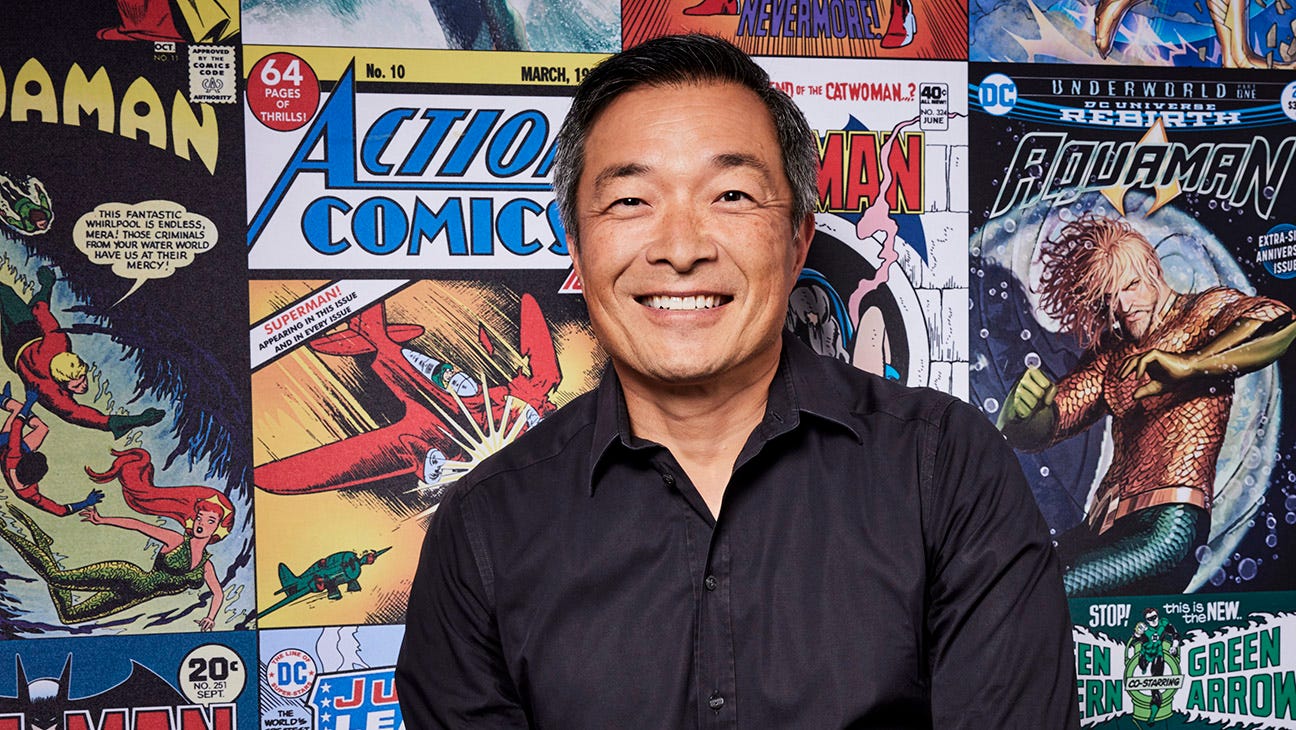
Jim Lee, who also serves as co-publisher and chief creative officer at DC Comics, spoke candidly during his visit to Tokyo Comic Con in December 2025.
The Korean-American artist turned executive reflected on his 30-plus years in the industry, from breaking records with Marvel’s X-Men to steering DC’s creative direction.
What Key Advantages Does Manga Hold Over Western Comics According to Jim Lee?
Lee didn’t hold back on manga’s strengths.
“I think manga has an ‘advantage’ over American comics, which are mostly about superheroes, and that’s where the majority of sales and readers are concentrated,” he said.
He contrasted this with Japan’s approach, where manga covers everything from high-stakes action to slice-of-life tales.
In his view, this variety makes manga more like general literature.
“In Japan, it’s closer to ‘literature,’ and anyone can read it, and it’s not just hero stories. There’s a much wider range of genres, like stories about cooking and soccer,” Lee explained.
This flexibility draws in readers who might skip caped crusaders altogether.
How Does Manga’s Market Size Stack Up Against American Comics?
The numbers back up Lee’s observations.
Global manga sales have outpaced traditional American comics for years, with the industry rebounding strongly after a mid-2000s dip caused by piracy and oversaturation.
By 2014, manga saw consecutive growth for the first time since 2007, and the COVID era supercharged demand further.
Lee noted the manga market’s overall size dwarfs that of Western comics.
“The manga market is bigger than our industry, so the question becomes, ‘What can we learn from this?’” he said.
Analysts point to manga’s digital accessibility and global licensing deals as key factors widening the gap.

Why Do Adults in Japan Stick With Manga While Western Readers Move On?
Cultural perceptions play a big role, per Lee.
In the West, comics and animation often get pigeonholed as children’s entertainment.
“As people grow up, they move on to live-action,” he observed.
Japan avoids this trap entirely.
“Not only is there a wide range of genres, but adults also read manga and watch anime. As a culture, it’s an ‘art’ that isn’t limited to a specific age group,” Lee added.
This keeps lifelong fans engaged, boosting long-term sales.
What Draws Young People to Manga and Anime in the Current Boom?
Lee ties the surge to generational shifts.
Young audiences crave content that feels uniquely theirs, not recycled nostalgia.
“Young people want to find things that are just theirs,” he said, linking it to broader Asian pop culture waves like K-pop and Korean dramas.
He recalled manga’s U.S. entry in the late 1980s, citing works like Akira and Appleseed as early influences.
“I read Katsuhiro Otomo’s ‘AKIRA,’ published by Marvel. I bought the laserdisc too,” Lee shared.
Today’s boom echoes past cycles, amplified by streaming and social media.
How Is DC Comics Adapting Lessons From Manga’s Success?
Lee sees opportunity in manga’s triumphs.
“I’m very happy that the manga has been so successful, because it gives me a ‘goal’ to aim for,” he stated.
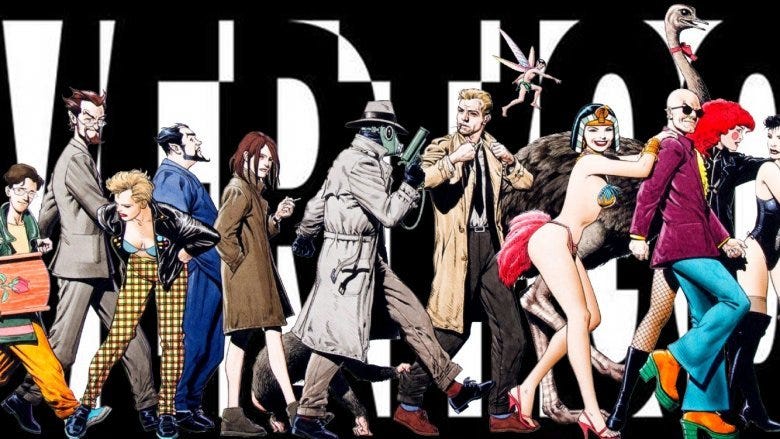
DC has experimented with diverse storytelling, such as reviving the Vertigo imprint for mature, non-superhero titles.
Yet challenges remain, with American comics still heavily reliant on reboots and crossovers featuring the same characters decade after decade.
Lee hinted at deeper changes needed, focusing on broader “sensibility” beyond art styles.
What Role Do Emotions and Empathy Play in Modern Comic Storytelling?
Lee discussed balancing entertainment with real-world relevance.
He advised against turning comics into political soapboxes.
“What we need is ‘stories.’ Stories need to be ‘stories,’” he emphasized.
Instead, emotional depth fosters empathy.
“The ‘emotion’ of stories moves readers’ hearts and minds,” Lee said, arguing that character-driven storytelling matters more than direct messaging.
This approach could help Western comics broaden their appeal, much like manga’s narratives.
How Has Jim Lee’s Career Shaped His Views on Comics Evolution?
Lee’s path from psychology major at Princeton to comic icon informs his perspective.
He entered the field via a modern art class and hit it big with X-Men in 1991, selling 8 million copies.
Moving to DC in 1998, he produced acclaimed runs like Batman: Hush.
Reflecting on Tokyo Comic Con, Lee marveled at comics’ global rise.
“Over 30 years ago, when I promoted my comic books in Tokyo, I went to a store called ‘Manga no Mori,’ the only place selling American comics then,” he recalled.
Now, events blend U.S. and Japanese influences seamlessly.
What Recent DC Successes Highlight Broader Industry Shifts?
Lee praised hits like the 2025 Superman film, which grossed over $600 million globally.
Directed by James Gunn, it portrays the hero as relatable amid chaos.
“He symbolizes ‘hope’ and ‘humanity,’ even though he’s an alien,” Lee noted.
Lee also called Gunn a “visionary” with unmatched storytelling instincts.
These wins show DC pushing boundaries, potentially incorporating manga-inspired diversity.
Jim Lee’s comments underscore a pivotal moment for comics.
As manga continues dominating sales with inclusive genres and ageless appeal, Western publishers like DC face growing pressure to diversify beyond endless superhero sagas.
By learning from Japan’s model—treating sequential art as versatile literature—American comics could reclaim lost ground and attract new generations.
The industry’s future may depend on blending capes with cooking pots, proving heroes come in all flavors.
Hat Tips
Nikkei XTrend, DCコミックスCCO 日本アニメの成功は私たちに“目標”をもたらす, January 26, 2026
Anime Corner, DC Comics Boss Says Anime & Manga’s Advantage Over Western Comics Lies in Storytelling & Young People’s Desire to Have Something of Their Own, January 26, 2026
ComicBook.com, DC Boss Admits Manga Is Better than American Comics (& What the Big Two Can Learn from It), January 26, 2026
Dexerto, DC Comics boss admits manga has a major advantage over Western comics, January 26, 2026
CBR, DC’s Jim Lee Admits Manga Has Beaten Western Comics, January 26, 2026
Article Compiled and Edited by Derek Gibbs on January 26, 2026 for Clownfish TV D/REZZED