

Masters of the Universe flopped hard, so is Amazon’s sequel talk realistic?
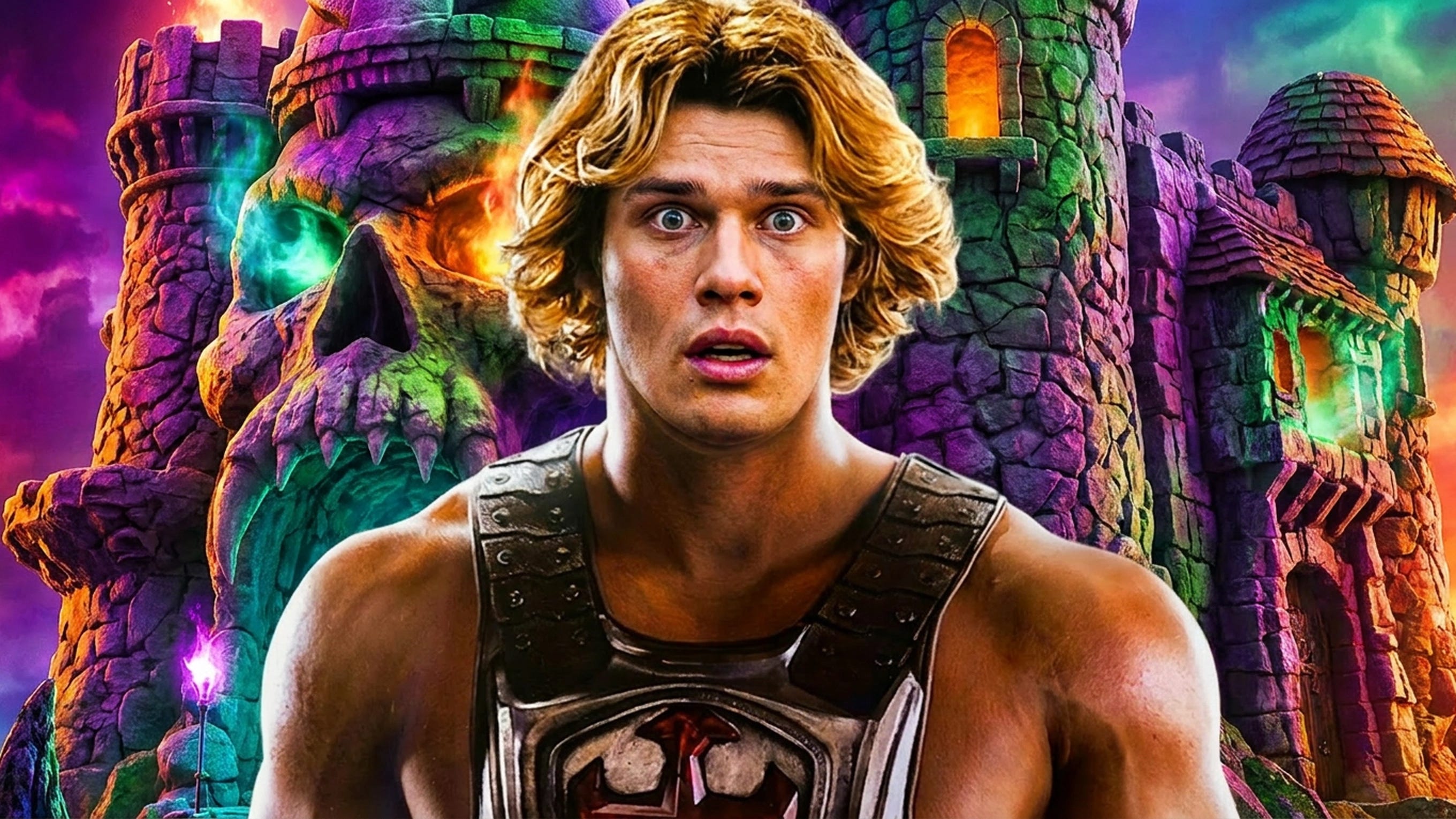
Masters of the Universe was one of 2026’s biggest box office bombs, cratering so fast it got yanked from theaters early. Yet Amazon is hinting at a sequel anyway. Here’s what went wrong, and whether a follow-up is actually realistic or just corporate spin.
He-Man couldn’t conquer his mightiest foe: an empty theater. Masters of the Universe landed as one of 2026’s most notable box office bombs, cratering so quickly it was pulled from many theaters far earlier than a $170 million blockbuster should be.
And yet, Amazon is still floating the idea of a sequel. So what happened, and is another trip to Eternia actually realistic? Let’s break down the post-mortem.
Just how bad was it?
Let’s start with the grim numbers, because they’re rough.
Directed by Travis Knight and starring Nicholas Galitzine as He-Man and Jared Leto as Skeletor, Masters of the Universe opened on June 5 to a soft $29.3 million domestically, good for a distant second behind the Scary Movie reboot’s $55 million. It added just $25 million overseas for a weak $54 million global start.
Then it fell off a cliff. The film plummeted to fifth place in its second weekend, and by a couple weeks in was reportedly “shedding theaters fast,” struggling to even reach $100 million worldwide. That domestic opening put it in the company of infamous bombs like John Carter and Prince of Persia. On a reported $170 million budget (closer to $200 million with marketing), the film needed roughly $340 million just to break even. It wasn’t remotely close.
Here’s the twist: people who saw it liked it
Here’s what makes this flop a little sad.
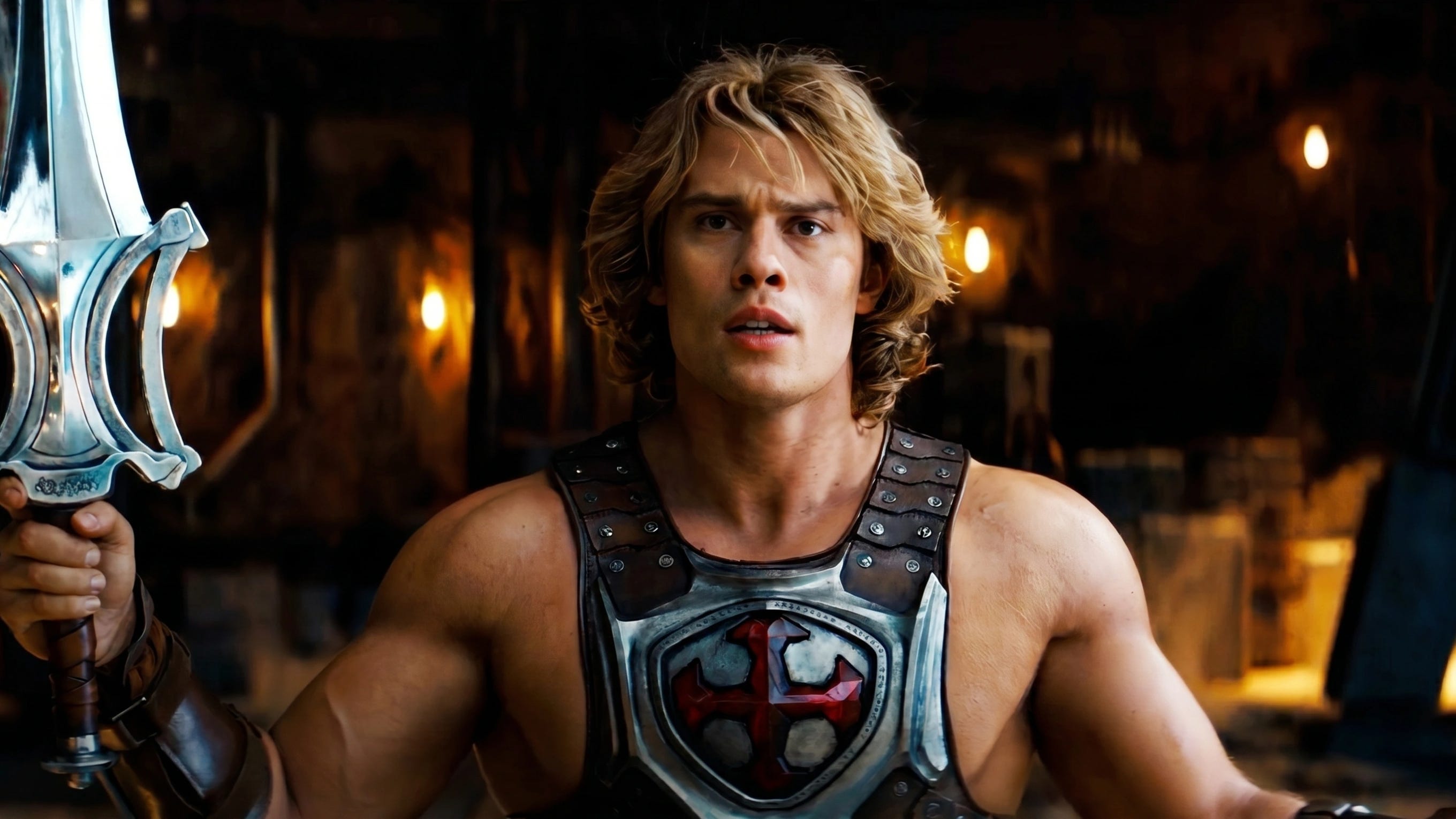
This wasn’t a case of a terrible movie getting what it deserved. Masters of the Universe actually earned decent reviews (in the high 60s on Rotten Tomatoes from critics) and a genuinely strong audience score in the mid-to-high 80s. Fans who showed up largely had a blast.
The problem was simply that not enough people showed up at all. It’s the definition of a movie that couldn’t convert goodwill into ticket sales, well-liked by those who saw it, ignored by everyone else.
Why it flopped (and it’s not a mystery)
Here’s the honest, un-dramatic explanation.
There’s no single villain here, just a pile-up of very 2026 problems:
The budget was a death sentence. A $170 million price tag for a franchise launch (not a continuation) is brutal math in today’s market. Even Marvel movies struggle to clear the global totals that budget demanded.
A brutal release window. It opened against a red-hot Scary Movie and got further squeezed by the horror hits Backrooms and Obsession, with Toy Story 5 looming right after.
It skewed too old. Despite being based on a toy line, the film mainly drew nostalgic adults, the exact audience most likely to shrug and say “I’ll catch it on streaming.” It never caught on with kids.
No must-see buzz. He-Man is a recognizable name, but not a Transformers-level event brand. Without urgent word-of-mouth, casual viewers simply waited.
None of that is culture-war noise or a knock on the cast. It’s just the math of an expensive nostalgia play in a marketplace that’s brutal to anything that isn’t a must-see event.
So why is Amazon still talking sequel?
Here’s where it gets interesting, and where you have to read between the lines.
Despite the numbers, Amazon MGM hasn’t written the franchise off. Distribution head Kevin Wilson called the opening “exactly the kind of critical first moment that validates our holistic distribution strategy”, corporate-speak for a key idea: Amazon doesn’t judge its movies on box office alone.
The theory is that a theatrical release, even a money-losing one, builds awareness for a title that then drives subscriptions and engagement on Prime Video. In that model, Masters of the Universe “failing” in theaters could still “succeed” as a streaming draw that pulls people to Amazon’s platform.
The film even sets up a sequel hook, teasing the arrival of He-Man’s sister, She-Ra. So the door is deliberately left open.
Is a sequel actually realistic?
Here’s the honest answer: possible, but far from guaranteed.
On one hand, Amazon’s streaming-first logic is real, and if the movie performs well enough on Prime Video, the company could greenlight a follow-up on those merits alone, box office be damned. Amazon has deep pockets and a genuine strategic reason to build franchises for its platform.
But there’s a strong case for skepticism, too. For one, “we like our strategy” statements after a bomb are standard corporate damage control, not a sequel confirmation. More tellingly, Amazon’s actions suggest box office does matter to it: around the same time, the company reportedly pulled its Voltron movie from a planned theatrical release and sent it straight to Prime, a move that makes little sense if theatrical results were truly irrelevant.
It’s genuinely hard to imagine any executive eagerly signing off on another $170 million-plus gamble after this one lost a fortune.
A cheaper, streaming-focused continuation? Maybe.
A big-budget theatrical sequel? That’s a much tougher sell.
Masters of the Universe sequel: what happens now
Masters of the Universe is, by the numbers, a genuine box office disaster, a well-reviewed movie that audiences enjoyed but almost nobody turned out to see, sunk by a bloated budget, fierce competition, and a nostalgia brand that couldn’t summon must-see urgency.
As for the future, Amazon’s sequel talk is real but heavily conditional. It hinges almost entirely on how the film performs on Prime Video, not on its theatrical wipeout. If it becomes a streaming hit, a follow-up (likely leaner, possibly built around She-Ra) is genuinely on the table. If it fades quietly on Prime like it did in theaters, expect that “critical first moment” optimism to disappear fast. He-Man may have the power, but in Hollywood, the real power is a hit, and right now, this franchise doesn’t have one.
For now, Eternia’s fate rests not in the multiplex, but in the murky math of a streaming algorithm.
Want More Clownfish TV?
This article was brought to you in part by The Reefers of more.clownfishtv.com. Free subscribers get articles like this one in their inbox. Paid subscribers get the full Clownfish TV podcast feed, livestreams, and members-only episodes that never hit YouTube.
D/REZZED is part of Clownfish TV. For more news, views, and rants on gaming, tech, and pop culture, watch @ClownfishTV on YouTube and find the podcast on Apple Podcasts, Spotify, and iHeart.
Article compiled and edited by Derek Gibbs (entertainment editor) and the Clownfish TV newsroom.
Hat Tips:
Variety and SlashFilm (June 2026), verified for the box-office figures (the $29.3 million domestic opening, the ~$54 million global start, the second-place debut behind Scary Movie’s $55 million, the ~$170-200 million budget, the ~$340 million break-even, and the comparisons to John Carter/Prince of Persia), the cast and crew, and the release-window competition
Forbes and ScreenRant (June 2026), verified for Amazon MGM’s Kevin Wilson “critical first moment / holistic distribution strategy” statement, the streaming-first logic (theatrical building Prime Video engagement), the film’s She-Ra sequel setup, the strong audience scores versus mixed critics, and the possibility of a sequel contingent on streaming performance
Cosmic Book News and Kotaku (June 2026), verified for the skeptical case (the film shedding theaters fast, sitting around $56-103 million and struggling to reach $100 million worldwide, and Amazon reportedly pulling its Voltron movie from theatrical release), the argument that Amazon’s behavior shows box office still matters to it, and the broader flop context alongside the rise of lower-budget Gen Z hits