

Meta already pulled the Instagram AI feature that let strangers remix your face
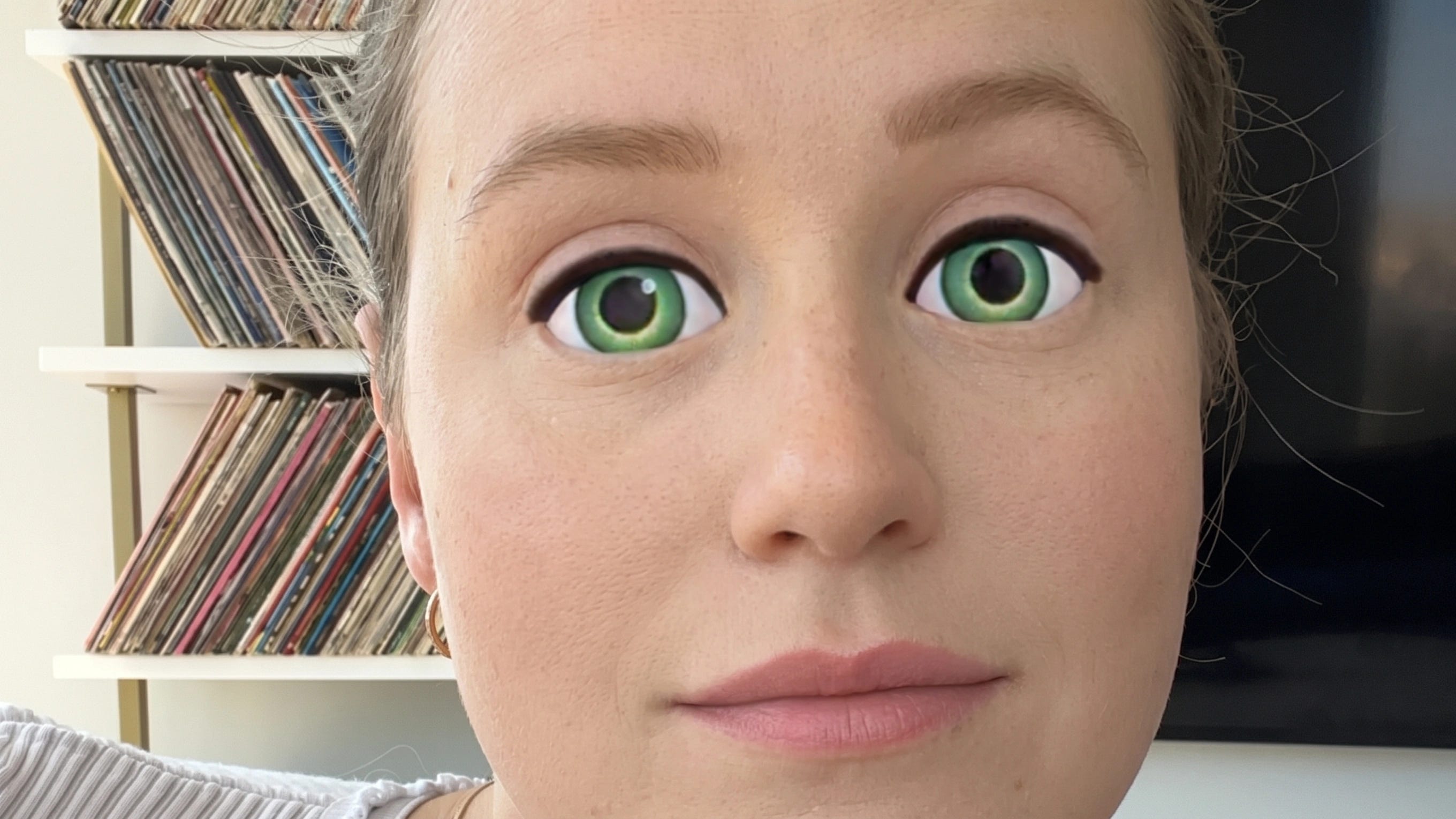
Update: Just days after launching an AI tool that let anyone generate images from your public Instagram photos, and after backlash from SAG-AFTRA and CAA, Meta pulled the feature. It “missed the mark,” the company admits. Here’s what happened, and why the reversal matters.
(Update: This story has moved fast. Meta launched the controversial feature Tuesday and pulled it Friday evening, after the backlash detailed below. Here’s the full arc.)
That was quick. Just days after Meta rolled out an Instagram AI feature that let strangers generate images from your public photos, without asking, the company has already pulled it. Following a wave of criticism led by the actors’ union SAG-AFTRA and talent agency CAA, Meta admitted the feature “missed the mark” and yanked it.
It’s a fast, notable reversal, and a real example of public pressure working. Here’s the whole story, from launch to walk-back.
What Meta pulled
To be precise about the scope: Meta didn’t kill its entire AI image generator. It removed one specific, controversial capability, the ability to @-mention a public Instagram account in a Meta AI prompt to generate new images using that person’s photos and likeness.
That was the exact function critics objected to, the one that let anyone “remix” a stranger’s face into AI creations without consent or notification. In a statement Friday, Meta said: “We’ve heard the feedback that this feature missed the mark, so it’s no longer available.” The broader Muse Image tool still exists; it’s the tag-someone-else’s-face part that’s gone.

How we got here, in about three days
The whole saga unfolded remarkably fast. Meta launched the Muse Image model on Tuesday, and by default, every adult with a public Instagram account was opted in, meaning anyone could tag their profile and generate AI images of them, with no heads-up.
The backlash was nearly immediate. On Wednesday, CAA, the agency behind stars like Tom Cruise and Zendaya, publicly condemned the opt-out approach and demanded Meta make it opt-in. On Thursday, SAG-AFTRA urged all its members, and all Instagram users, to dig into their settings and turn the feature off. By Friday evening, Meta had pulled it entirely. From launch to reversal in roughly 72 hours.
Why the critics were upset
The core objection was never really about the technology existing, it was about consent. Meta made the feature opt-out instead of opt-in, putting the burden on users to discover it and disable it, rather than asking permission first.
“The burden should not be on individuals to opt out. Consent should come first,” SAG-AFTRA said. CAA put it similarly: no one’s likeness “should be used by any third party, including AI models, without clear, documented consent.” The advocacy group Public Citizen was blunter, calling it an “egregious invasion” of privacy and saying Meta had “chosen the creepiest possible path.” The worry was simple and widely shared: people shouldn’t wake up to find their face turned into raw material for a stranger’s AI experiment.
Meta’s side, and its concession
In fairness, Meta’s stated intent wasn’t malicious. The company said it built the feature to “provide a useful creative tool and to give people control over whether their public content could be referenced in this way,” and noted it had excluded private accounts and users under 18, and blocked violent, sexual, or defamatory generations.
But the “missed the mark” language is, effectively, a concession that the critics had a point. Meta’s own reversal acknowledges that “you can turn it off in a couple clicks” wasn’t a good enough answer, and that a feature using people’s faces probably shouldn’t have been switched on by default in the first place. When a company pulls a just-launched feature within days, that’s an admission the default was wrong.
We’ve seen this movie before
If this all feels familiar, it should. It’s almost a beat-for-beat repeat of what happened with OpenAI’s Sora video tool, which launched with a similar opt-out model, drew similar outrage over using people’s likenesses, and was walked back before eventually being shut down.
That’s the real pattern worth noticing: AI companies keep launching likeness-scraping features on an opt-out basis, testing how much users will tolerate, and getting pushed back when organized pressure hits. Each reversal reinforces the same principle, that consent should be the default, not the exception. And each time, it takes public outcry to enforce it, which is both encouraging (it works) and a little exhausting (it keeps happening).
One lingering catch
There’s a wrinkle worth knowing, even with the feature gone. During the roughly three days it was live, people did use it to generate images. And by Meta’s own earlier admission, opting out only ever stopped future generations, it didn’t remove anything already created.
So while the feature is no longer available going forward, any AI images made from someone’s photos during that window may still be out there, and Meta hasn’t said it will retroactively delete them. The tool is gone; its output isn’t necessarily.
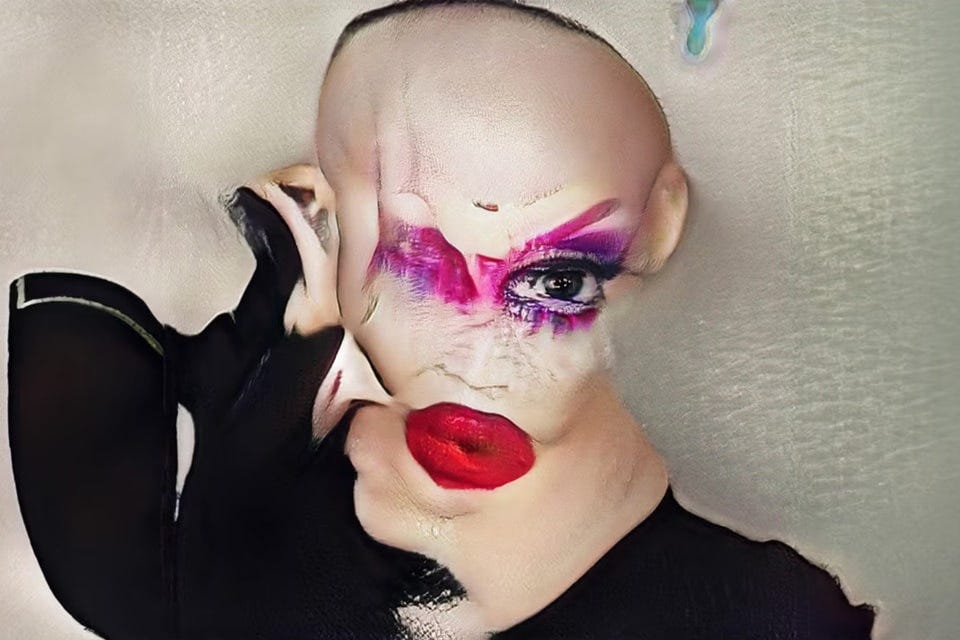
Meta’s Instagram AI reversal: what it comes down to
The quick death of Meta’s face-remixing feature is a genuine win for the “consent-first” camp, and a rare, encouraging example of public and industry pressure producing a fast result. SAG-AFTRA, CAA, and a lot of ordinary users made enough noise that a company the size of Meta reversed course in three days.
But the bigger fight isn’t over. The core question, whether companies should get your permission before using your face for AI, rather than after you complain, is going to keep coming up as these tools multiply. Meta blinked this time. The real fix isn’t pulling one feature after the backlash; it’s making consent the default so the backlash isn’t necessary.
Turns out the fastest way to protect your likeness is still a few hundred thousand people yelling at once.
Want More Clownfish TV?
This article was brought to you in part by The Reefers of more.clownfishtv.com. Free subscribers get articles like this one in their inbox. Paid subscribers get the full Clownfish TV podcast feed, livestreams, and members-only episodes that never hit YouTube.
D/REZZED is part of Clownfish TV. For more news, views, and rants on gaming, tech, and pop culture, watch @ClownfishTV on YouTube and find the podcast on Apple Podcasts, Spotify, and iHeart.
Article compiled and edited by Derek Gibbs (entertainment editor) and the Clownfish TV newsroom.
Hat Tips:
Variety and The Hollywood Reporter (July 10, 2026), verified for the reversal (Meta discontinuing the feature that let users @-mention public Instagram accounts to generate AI images of them, the company’s statement that it “heard the feedback that this feature missed the mark, so it’s no longer available,” the clarification that the broader Muse Image tool remains while the tag-a-public-account functionality was pulled, and the roughly three-day timeline from Tuesday launch to Friday-evening reversal)
Variety, The Hollywood Reporter, and Axios (July 2026), verified for the backlash that drove it (CAA condemning the opt-out policy Wednesday and calling for opt-in, SAG-AFTRA urging members and all users to opt out Thursday with “consent should come first,” Public Citizen’s “egregious invasion” and “creepiest possible path” criticism, and the mechanics of public adult accounts being opted in by default without notification)
Variety and Forbes (July 2026), verified for the context (the close parallel to OpenAI’s Sora video tool launching with a similar opt-out model, drawing outrage, and being walked back before shutting down; Meta’s stated intent to offer a creative tool with controls and its exclusion of private and under-18 accounts; and the earlier-confirmed detail that opting out only prevented future generations while images already created remained)