

Metroid Prime 4 Producer Kensuke Tanabe Retires Amid Game’s Japan Underperformance and Backlash
Veteran Nintendo producer Kensuke Tanabe has confirmed his retirement after nearly 40 years with the company, declaring Metroid Prime 4: Beyond his final project as it faces polarized reviews and modest physical sales in Japan.
Here’s the TL;DR:
Tanabe joined Nintendo in 1986, directed Super Mario Bros. 2 (Japan), scripted Zelda classics like A Link to the Past, and produced the full Metroid Prime series alongside DKC Returns, multiple Paper Mario games, Luigi’s Mansion ports, and over 150 credits total.
Metroid Prime 4: Beyond holds Metacritic 78 (critics)/8.0 (users); lauds for combat and visuals clash with linearity, humor, and that cliffhanger ending complaints.
Japan physical sales: 29,001 combined week one (21,415 Switch 2), ~32,382 by week two; trails Dread but tops some prior Primes—digital strong Westward.
Prime 4 launches “Sylux saga” per Tanabe, who designed divisive finale for emotional hesitation; successor Risa Tabata eyed to finish story with Retro Studios.
Fans mourn Tanabe’s exit as Prime architect, split on recent output like Sticker Star or Origami King.
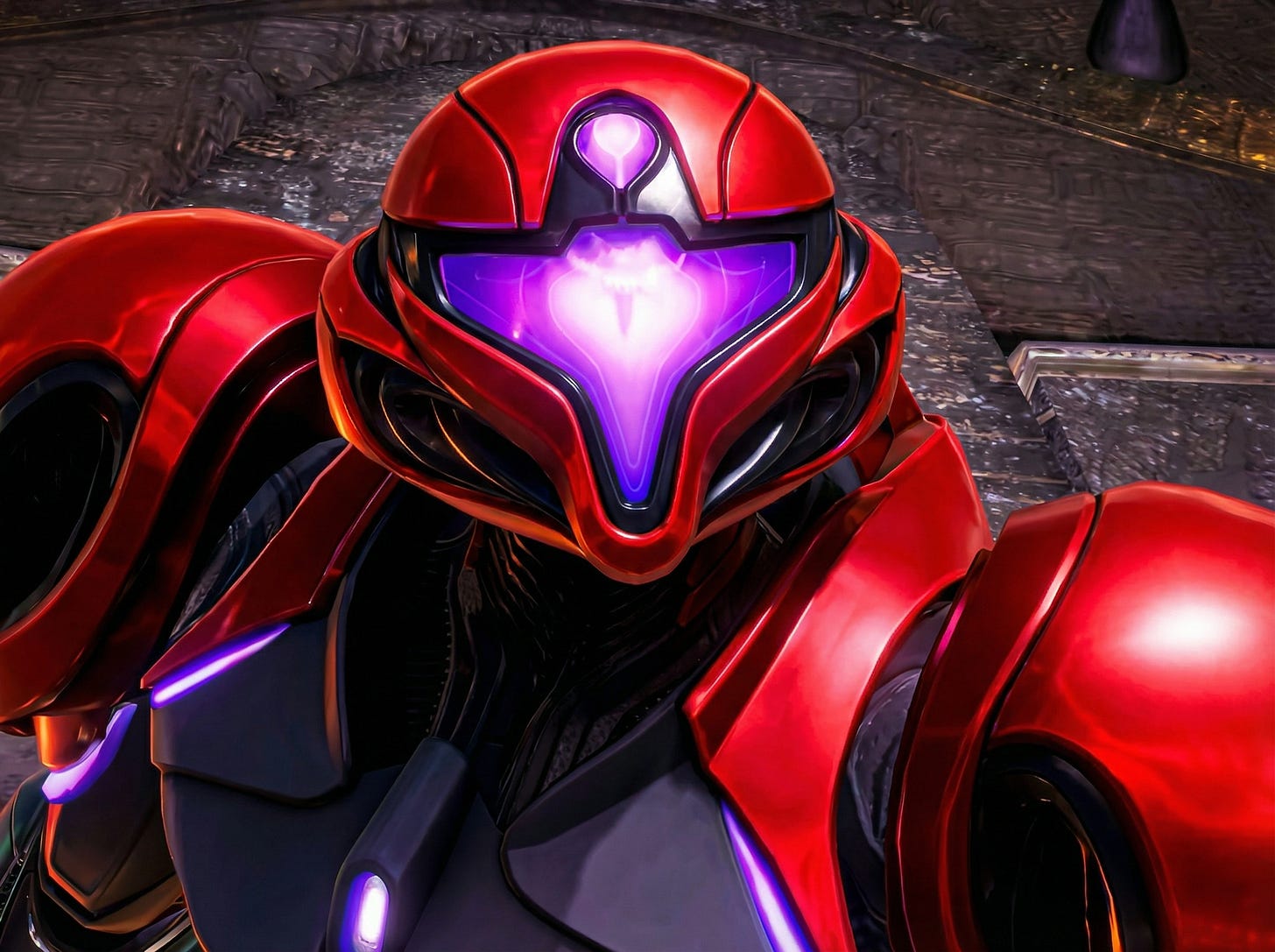
Image: NPR
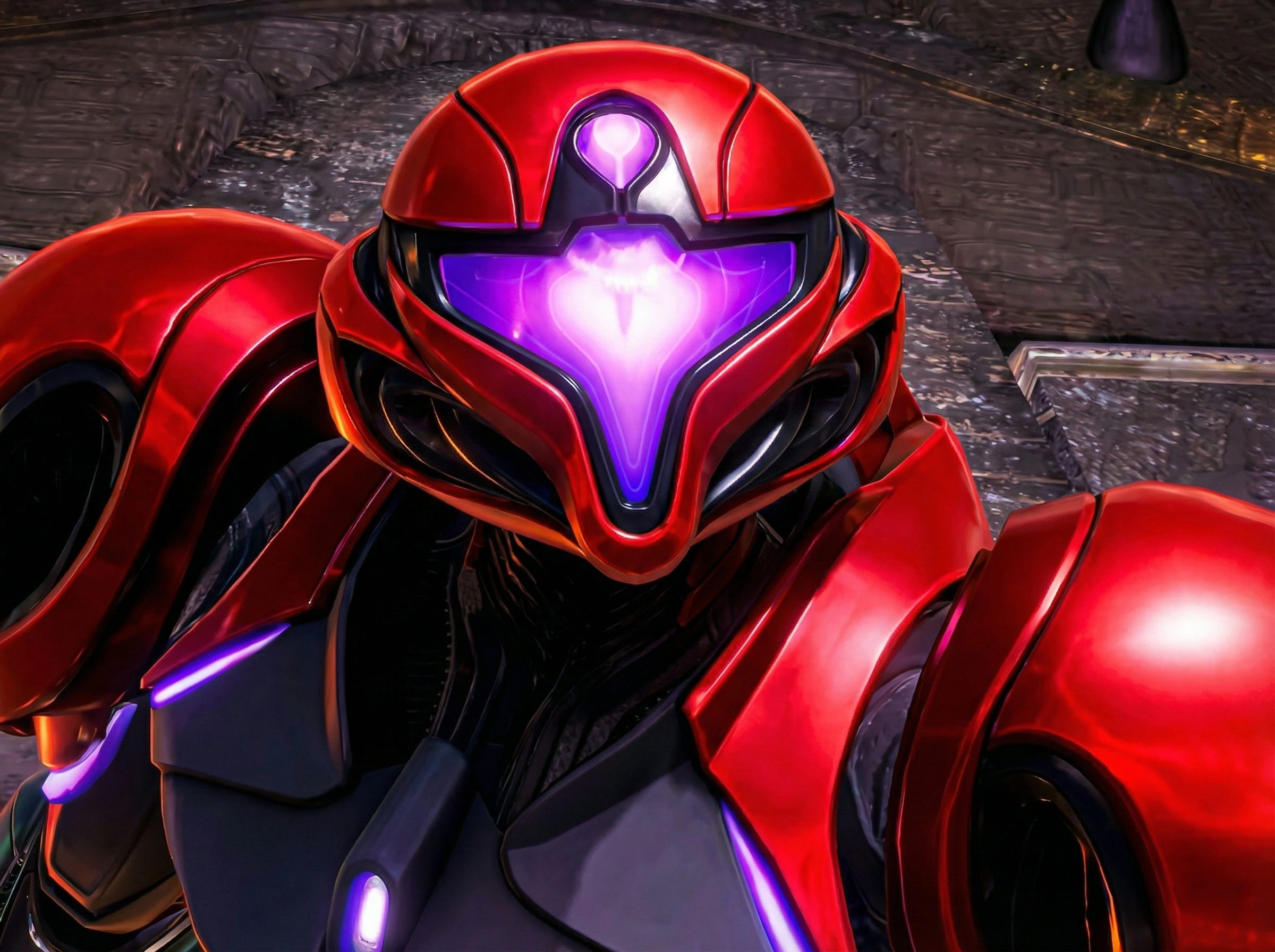
Why Does Metroid Prime 4 Beyond Spark Such Divided Opinions?
Critics settled on a Metacritic score of 78 across 122 reviews, a step down from the original Prime trilogy’s near-flawless runs. Standouts included responsive combat that snaps with precision, breathtaking visuals pushing Switch 2 hardware, and boss fights packing raw intensity.
User scores climbed to 8.0, yet backlash honed in on drawn-out desert biomes feeling empty, Federation troopers yapping too much, and Marvel-esque quips shattering the lone bounty hunter vibe. X threads capture the split: one fan dubs it a “solid 8/10 adventure” amid “derangement,” while others lament it “ruins two favorite series.”
Traversal tools like the Morph Ball tether still zip with trilogy flair, but some say the world lacks Prime 1‘s alive pulse.
How Did Metroid Prime 4 Beyond Fare in Its First Weeks of Japanese Physical Sales?
Famitsu tallied 21,415 physical units for the Switch 2 version in week one (Dec. 1–7, 2025), landing at #6, while the base Switch edition added 7,586 copies outside the top 10 for a combined 29,001 debut. Week two brought just 3,381 more on Switch 2, pushing its cumulative to 24,796 and slipping to #23 amid holiday competition.
Lifetime physical hovered near 32,382 by late December, with no top-30 returns since—typical for Metroid’s niche status in Japan, where physical carts dominate but series historically claims 4–9% of globals.
Here’s a breakdown of Metroid Prime 4: Beyond‘s Japan physical performance against franchise peers, drawing from Famitsu week-one data and lifetime estimates:
Metroid Dread (Switch, 2021): Exploded with 86,798 week one—the 2D entry’s local smash, ballooning past 200,000 lifetime on strong word-of-mouth and accessibility.
Metroid Prime (GameCube, 2002): Debuted huge at 39,829 amid trilogy hype, settling around 100,000 lifetime as the 3D revolution’s anchor.
Metroid Prime 3: Corruption (Wii, 2007): Rode Wii mania to 34,151 open, closing near 80,000 as a fitting capstone.
Metroid Prime 4: Beyond (Switch/Switch 2, 2025): Clocked 29,001 combined week one (strongest Prime physical debut in Japan post-Prime 1), but lifetime physical trails at ~32,000+ early, hurt by quick fade and Western dev skew.
Metroid Prime 2: Echoes (GameCube, 2004): Opened softer at 17,680 in a slumping market, reaching ~50,000 lifetime.
Metroid Prime Remastered (Switch, 2023): Digital darling with 7,960 physical week one, estimating 50,000 lifetime as ports favor eShop.
Prime 4 edges Prime 2 and Remastered out the gate but lags Dread‘s fire, underscoring Primes’ Western lean—Japan prefers 2D Samus.
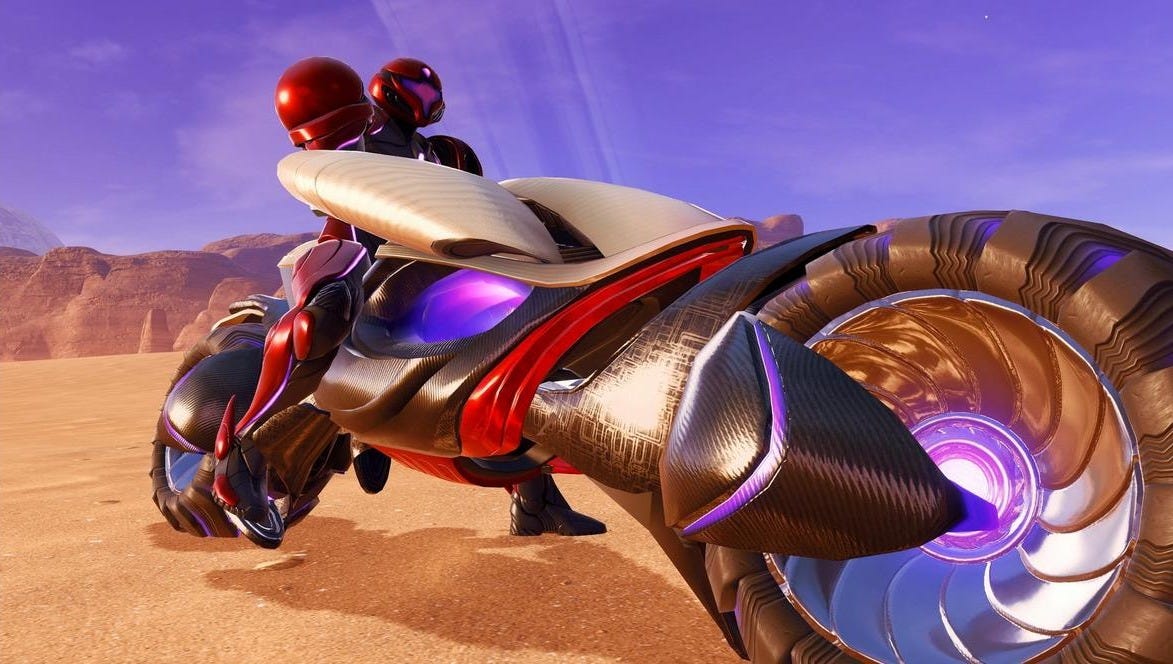
Who Was Kensuke Tanabe Before the Prime Era?
Tanabe entered Nintendo in April 1986 fresh from Osaka University of Arts, starting as a designer on early hits. He directed Yume Kōjō: Doki Doki Panic (1987 Famicom Disk System), retooled stateside as Super Mario Bros. 2 with its quirky enemy-grab mechanics.
He lent course design to Super Mario Bros. 3 and scripted narratives for The Legend of Zelda: A Link to the Past and Link’s Awakening, crafting worlds rich in lore and twists. Those foundations showcased his knack for emotional beats early on.
What Shaped Tanabe’s Sprawling Producer Legacy at Nintendo?
From 2003, Tanabe managed external teams, co-producing Metroid Prime (2002) before leading the trilogy, Hunters, Federation Force, Remastered, and Beyond. His portfolio balloons with Donkey Kong Country Returns (2010) and Tropical Freeze (2014), reviving Rare’s platformer formula to acclaim.
Paper Mario spans supervision on The Thousand-Year Door to producing Sticker Star, Color Splash, and Origami King; fans credit early RPG depth but debate later action shifts. Add Luigi’s Mansion ports/remakes, Chibi-Robo!, WarioWare entries, Mario Strikers, and 156 total credits—bridging Japan and studios like Retro via Zooms, visits, and crunch-time scan log writing for Prime 4.
Tanabe’s touch fingerprints Nintendo’s experimental side, from Captain Rainbow oddity to Excite Truck racers.
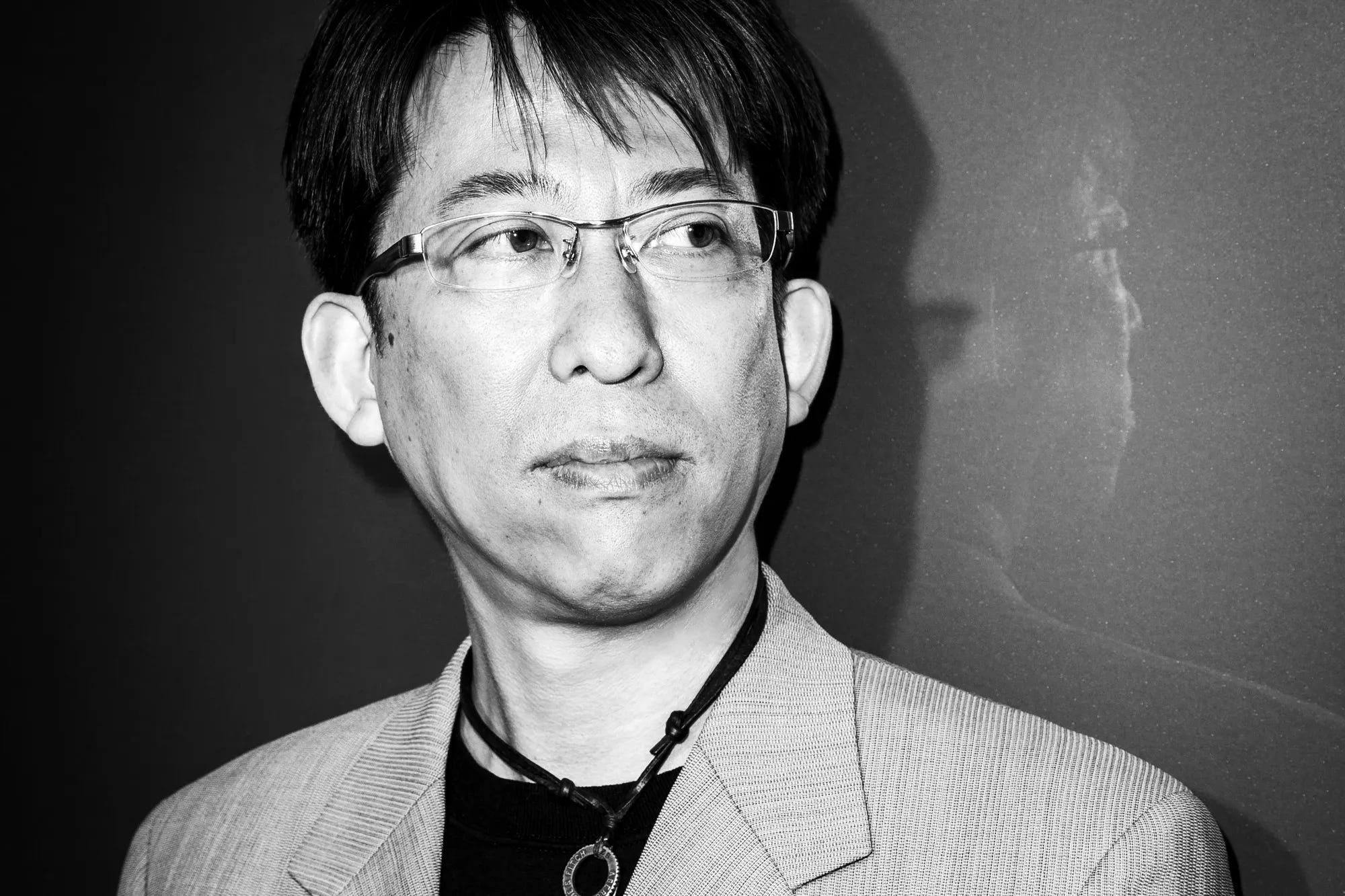
Why Did Tanabe Pick Prime 4 Beyond as His Nintendo Farewell?
In his Nintendo Dream interview, Tanabe stated plainly: “Since joining Nintendo, 40 years have passed. This Metroid Prime 4 will be the last game I work on at Nintendo.” Age and timing aligned after planting Sylux’s grudge in Hunters for this opener.
He framed it no farewell stunt, just solid Retro collaboration for broad fun. Eleven untapped Ramun sites hint sequels, but Tanabe steps back: “I have determined that I will not be able to participate in the series production in the future.”
Who Is Risa Tabata, Tanabe’s Handpicked Successor?
Risa Tabata assisted Tanabe since Prime 1 (2002), handling Prime 4 progress and communications alongside DKC Returns, Paper Mario: Color Splash, and The Thousand-Year Door remake. Tanabe endorses: “I sincerely hope that someday, Ms. Tabata and Retro Studios will... complete this story.”
Her steady role positions her to chase Sylux if greenlit.

What Made Prime 4’s Ending So Intentional—and Divisive?
Tanabe, a film major who skips most games, chased “Wow Moments” and emotional peaks. He engineered finale hesitation on the A button: “make the player, in the confusion of ‘Eh! Is it ending like this?’, watch the ending rolling staff list.”
Inspired by thorn-like films over happy ends, it teases unfinished Samus–Sylux clash—cut bond scenes with Feds regretted due to delays. X blasts “dog ass” or cheers saga bait; Tanabe foresaw backlash.
How Did Years of Development Hell Shape Prime 4 Beyond?
Announced 2017 under Bandai Namco, rebooted 2019 to Retro after sunk costs. Tanabe coordinated 300+ across oceans, salvaging amid tonal whiplash per insiders.
Result: AAA polish in fights and bosses, but safer maps than Tallon IV. UK #3 physical debut (down from Dread); US eShop #1, Amazon topper signal Western strength.
Can Metroid Prime 4 Beyond Build Sales Momentum Long-Term?
Nintendo remains quiet until February financials; early globals peg 940k–1.22M, with lifetime 3–5M eyed—Dread paced. Japan under 5% norm; bundles, digital legs, and Switch 2 push could hit 4M+ by March 2026.
X debates “flop” vs. “Prime par,” but eShop dominance counters physical dips.
How Are Fans Reacting to Tanabe’s Retirement News?
X lights up with tributes: “The artists who built Nintendo are slowly leaving,” one notes his SMB2-to-Prime arc. ResetEra hails a “legendary career,” though some gripe recent dips like Origami King.
Gratitude mixes with nostalgia: “Thanks for Prime’s 3D pivot.”
Tanabe’s retirement seals a 40-year run elevating Metroid Prime to icon status, reviving Donkey Kong Country, and experimenting boldly—flaws and all. Prime 4: Beyond mirrors that legacy: reliable action with provocative edges, Western digital wins masking Japan physical softness, and Sylux threads for Tabata and Retro. As fans replay for secrets, the saga’s next chapter will test whether his thorny vision endures, but his blueprint already does.
Hat Tips
Weibo: Full Nintendo Dream Interview Translation / January 2026
Nintendo Everything: Tanabe Retirement & Sylux / January 21, 2026
GoNintendo: Last Game Confirmation / January 21, 2026
Nintendo Life: Retirement Details / January 21, 2026
Gematsu: Famitsu Week 1 Sales / December 11, 2025
Shinesparkers: Japan Week 1 / December 12, 2025
Genki_JPN on X: Week 2 Sales / December 19, 2025
MobyGames: Tanabe Credits / January 2026
Metacritic: Metroid Prime 4: Beyond / January 2026
X Thread: Stealth40k Interview / January 21, 2026
Article Compiled and Edited by Derek Gibbs on January 21, 2026 for Clownfish TV D/REZZED.