

Microsoft is being sued over its Wisconsin AI data center, neighbors say it’s too loud
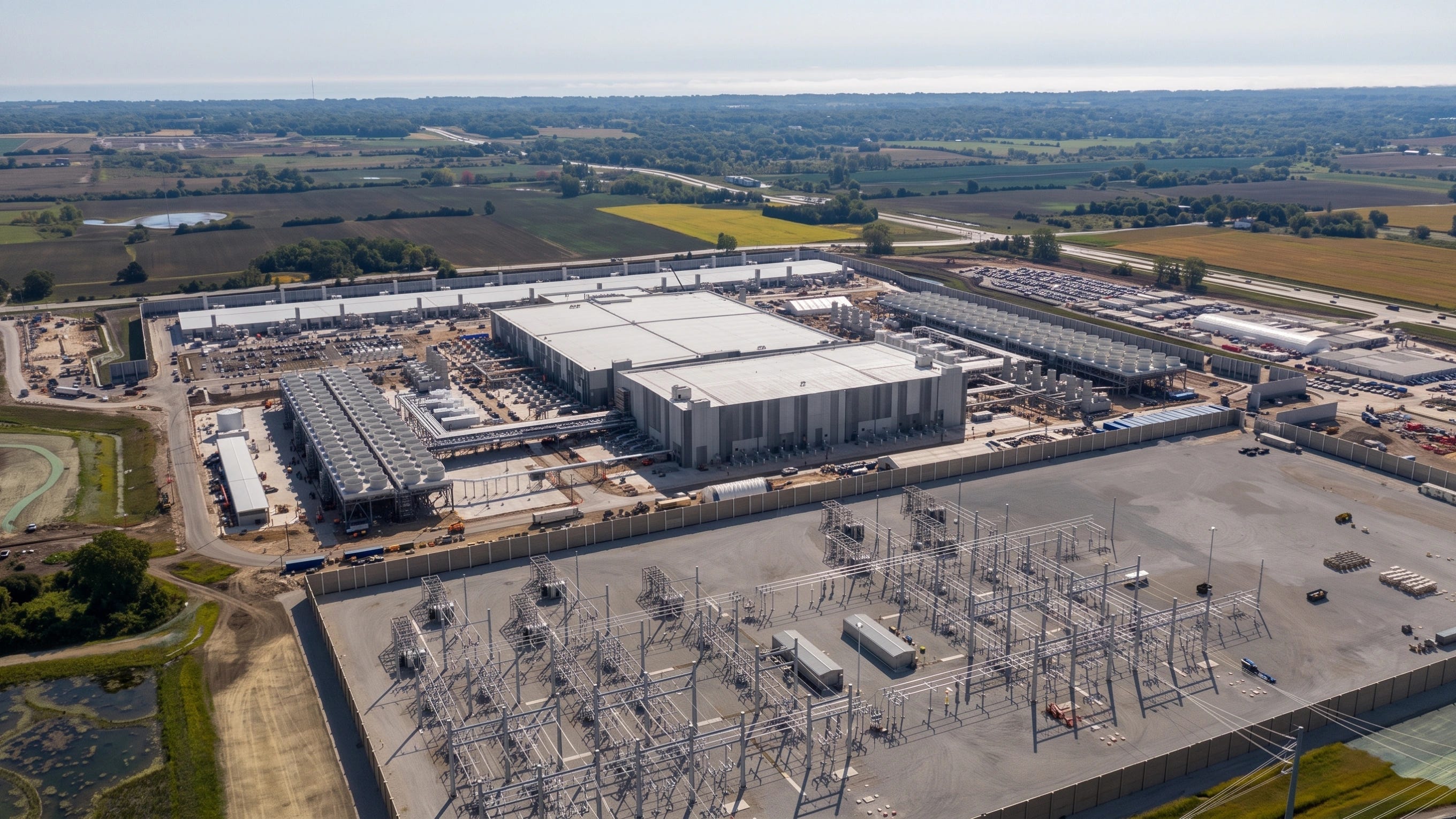
Residents near Microsoft’s massive Fairwater AI data center in Wisconsin have filed a class-action lawsuit over a constant hum they say is ruining their homes. Microsoft says it meets local noise rules and is already fixing the problem. Here’s the fight, and the bigger issue it points to.
The AI boom just ran into some very unhappy neighbors. Microsoft is being sued by residents who live near its enormous new Fairwater AI data center in Wisconsin, and they say the facility has turned their quiet rural community into a noisy, dusty, floodlit mess.
It’s a fascinating and increasingly common conflict: the physical, real-world cost of the AI boom landing squarely in people’s backyards. Here’s what the lawsuit claims, how Microsoft is responding, and why this fight is likely just the beginning.
What the lawsuit claims
Let’s start with the complaint itself.
Three residents of the Mount Pleasant/Sturtevant area, Garret Ostergaard, David Wade, and Joy Wade, filed a proposed class-action lawsuit against Microsoft in federal court. Their core allegation is that the data center is a “private nuisance,” bombarding their properties with what the suit calls “unreasonable and excessive noise.”
The source, according to the complaint, is the facility’s massive cooling systems and backup generators, which produce a constant, low humming sound. And the residents say it’s genuinely disrupting their lives:
One plaintiff, Ostergaard, says he had to change his work shift (from third to second) because the noise made it impossible to sleep.
The Wades say the relentless hum has made it hard to simply enjoy their own backyard and deck.
The suit also alleges the noise is damaging their property values.
The plaintiffs want to represent everyone in a similar spot, an estimated 1,000-plus households within a mile and a half of the facility.

It’s not just the noise
Here’s the fuller picture of what neighbors are dealing with.
Beyond the lawsuit’s noise focus, residents in the area have complained about a whole range of disruptions tied to the data center and its ongoing construction:
Dust. One longtime resident said construction dust sometimes blows so thick across the roads that he can’t even see his own house.
Light pollution. Neighbors describe intensely bright nighttime lighting, one said the “super lights” pierce right through his window blinds, and that a sky once full of stars is now washed out.
Traffic. A constant stream of dump trucks and construction vehicles rumbling past homes.
A vanishing rural landscape. For residents who spent decades looking out at farmland, watching it transform into a 1.2-million-square-foot industrial complex has been jarring.
What Microsoft says
Here’s the company’s side, and it’s not dismissive.
Microsoft says it’s aware of the lawsuit and is trying to be a responsible neighbor. “Microsoft is committed to being a good neighbor in the communities where we build, own, and operate our datacenters,” a spokesperson said. Importantly, the company also says it’s already taken steps to address the problems.
In an update posted before the suit, Microsoft acknowledged that people north of the facility had “noticed a tonal humming sound” from its cooling fans. The company said that while the facility’s noise levels actually meet the requirements set by local ordinance, it took the feedback seriously. A later update said its engineering team and outside consultants had “investigated the source of the sound, conducted tests, and put noise mitigations in place.” Microsoft added that it continues working with its contractor to minimize construction impacts on the community.
So the company’s position is essentially: we’re within the legal limits, but we hear you, and we’re actively working on it.
The bigger picture: AI has a physical footprint
Here’s why this story matters far beyond one Wisconsin town.
This lawsuit is a vivid, ground-level example of a tension building across the country. The AI boom requires enormous data centers, and those facilities have to go somewhere. They’re massive, power-hungry, heat-generating buildings that run 24/7, and increasingly, they’re being built near where people live.
The scale is genuinely staggering. Microsoft calls its Mount Pleasant facility an “AI superfactory” and the “world’s most powerful AI datacenter.” And an analysis by the group Clean Wisconsin found that this data center, combined with another planned in the state, could eventually use more electricity than every household in Wisconsin combined. When AI’s abstract “cloud” turns into a concrete building humming next to your house, the costs stop being abstract.

There’s a real tension here, on both sides
Here’s the honest, two-sided reality.
It’s easy to root for the residents, and their complaints about sleep, quality of life, and property values are genuinely sympathetic. Nobody buys a rural home expecting an industrial hum next door.
But there’s another side worth acknowledging. These data centers bring serious economic benefits, Microsoft’s project has employed nearly 10,000 construction workers and hundreds of permanent staff, and local officials, including the Mount Pleasant Village President, have praised the investment and jobs it brings. And Microsoft does appear to be meeting the existing local noise ordinances, which raises a fair question: is the problem that Microsoft is breaking the rules, or that the rules were never written for something this big? As communities weigh the jobs and tax revenue against the noise and disruption, there’s no easy villain here, just a genuinely hard tradeoff that more and more towns are going to face.
Microsoft’s Wisconsin data center lawsuit: what happens next
Microsoft is facing a class-action lawsuit from Wisconsin residents who say its Fairwater AI data center has flooded their neighborhood with constant noise, along with dust, bright lights, and heavy traffic. Microsoft counters that it meets local noise ordinances and has already put mitigations in place, positioning itself as a good-faith neighbor working through growing pains.
However the case shakes out, it’s a preview of a fight that’s coming to communities everywhere. As tech giants race to build the massive infrastructure that powers artificial intelligence, the friction between “the future” and the people who have to live next to it is only going to grow. The cloud, it turns out, has to land somewhere, and the people who live there can hear it.
Want More Clownfish TV?
This article was brought to you in part by The Reefers of more.clownfishtv.com. Free subscribers get articles like this one in their inbox. Paid subscribers get the full Clownfish TV podcast feed, livestreams, and members-only episodes that never hit YouTube.
D/REZZED is part of Clownfish TV. For more news, views, and rants on gaming, tech, and pop culture, watch @ClownfishTV on YouTube and find the podcast on Apple Podcasts, Spotify, and iHeart.
Article compiled and edited by Derek Gibbs (entertainment editor) and the Clownfish TV newsroom.
Hat Tips:
Wisconsin Public Radio (WPR) and Wisconsin Examiner (July 2026), verified for the lawsuit specifics (the three plaintiffs Garret Ostergaard, David Wade, and Joy Wade, the class-action filing in the U.S. District Court for the Eastern District of Wisconsin, the private-nuisance and negligence claims, the “unreasonable and excessive noise” language, Ostergaard changing his work shift, and the 1,000-plus households within 1.5 miles), and the additional resident complaints about dust, light pollution, and traffic (Larry Neumiller and Roger Johansen)
WTMJ and NBC26 (July 2026), verified for the class-action details (the cooling equipment and backup generators creating a constant hum, disrupted sleep, reduced property values, the ~1.2-million-square-foot Fairwater facility becoming operational), and Microsoft’s June 18 blog post acknowledging the humming and stating that noise mitigations were put in place
WPR and Clean Wisconsin analysis (April-July 2026), verified for Microsoft’s statements (the “good neighbor” commitment, the April 15 acknowledgment that noise levels meet local ordinance, the engineering investigation and mitigations), the ~10,000 construction workers and ~550 full-time staff, Mount Pleasant Village President David DeGroot’s praise, and the analysis that the facility could use more energy than every Wisconsin household