

Microsoft reportedly wants to monetize Minecraft like Roblox, but is it ready for Roblox’s dark side?
Microsoft is eyeing Minecraft’s untapped money-making potential, and the model it’s chasing looks a lot like Roblox’s lucrative creator economy. But Roblox is also drowning in child-safety lawsuits over predators. Here’s what a monetized Minecraft could look like, and the serious question Microsoft has to answer first.
Microsoft has made no secret that it sees more money to be made from Minecraft. With new Xbox leadership reportedly calling the blockbuster game “underutilized,” the company appears eager to unlock its earning potential, and the blueprint it’s chasing looks an awful lot like Roblox, gaming’s reigning king of the creator economy.
On paper, it’s a tempting, potentially massive opportunity. But Roblox comes with a very dark side: a mounting pile of lawsuits accusing it of being a haven for child predators. So before Microsoft turns Minecraft into a Roblox-style money machine, there’s a serious question it needs to answer. Let’s break down both halves.
What the Roblox model actually is
To understand the plan, you have to understand Roblox. It isn’t really a single game, it’s a platform where users build and publish their own experiences, and, crucially, make real money doing it. Its economy runs on a virtual currency called Robux, which players buy with real cash and spend inside games, on items, upgrades, and creations.
Creators who build popular experiences earn a share of that Robux and can cash it out for real money through a program called DevEx. It’s become a genuine economic engine: Roblox reportedly paid creators around $1.5 billion in 2025, and the platform boasts nearly 400 million monthly users. The money comes from everywhere, marketplace sales (Roblox takes a roughly 30% cut), in-game ads, subscriptions, and endless microtransactions. That’s the goldmine Microsoft is reportedly eyeing.
What a “Roblox-ified” Minecraft could look like
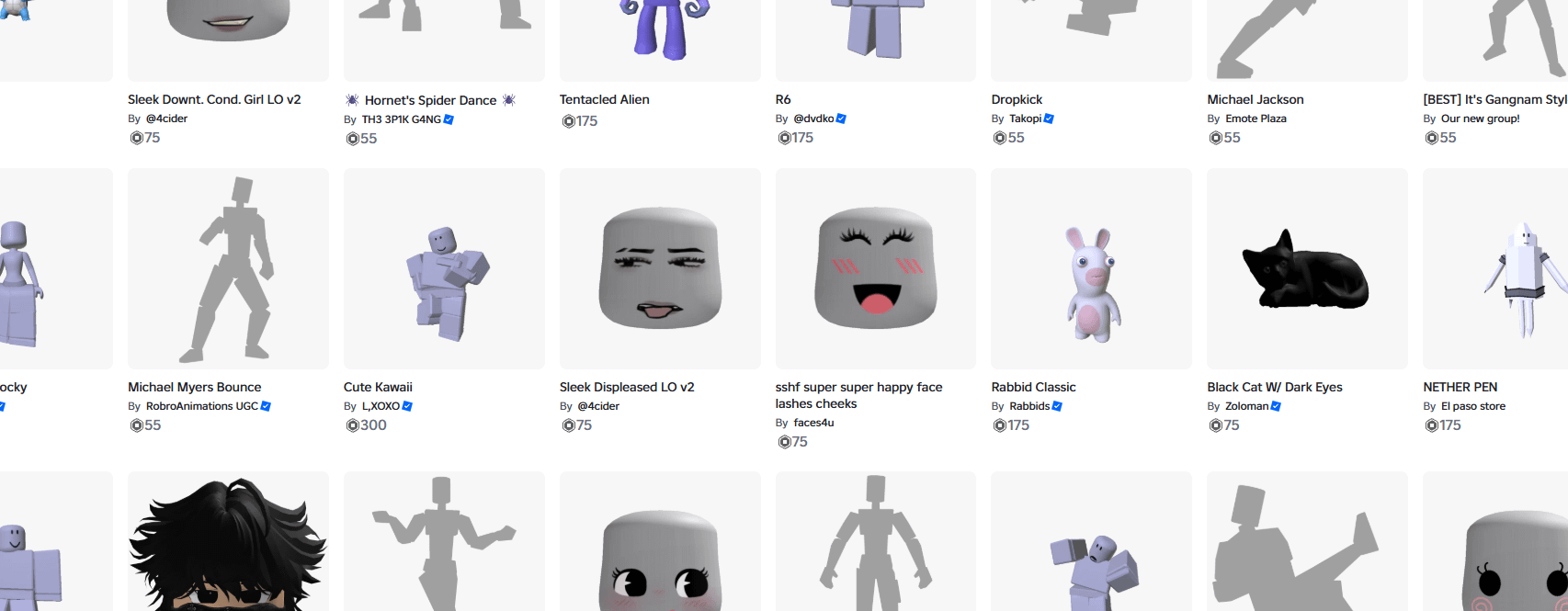
Minecraft is actually well-positioned for this, which is exactly why the idea is tempting. It already has a Marketplace where players buy skins, maps, and mods, but that’s currently gated behind a hard-to-join partner program that filters out most creators. “Roblox-ifying” it would mean blowing those doors open.
Picture a more open Minecraft where anyone can build, publish, and sell their own content and experiences to the game’s enormous player base. Add a Robux-style virtual currency, a bustling creator marketplace, in-game advertising, and subscription options, and you’d transform Minecraft from a game you buy once into a sprawling, always-on economy generating revenue around the clock. For a company that just leaned on Minecraft’s profits to prop up the rest of its gaming business, the appeal is obvious.
The problem: Roblox is facing a child-safety reckoning
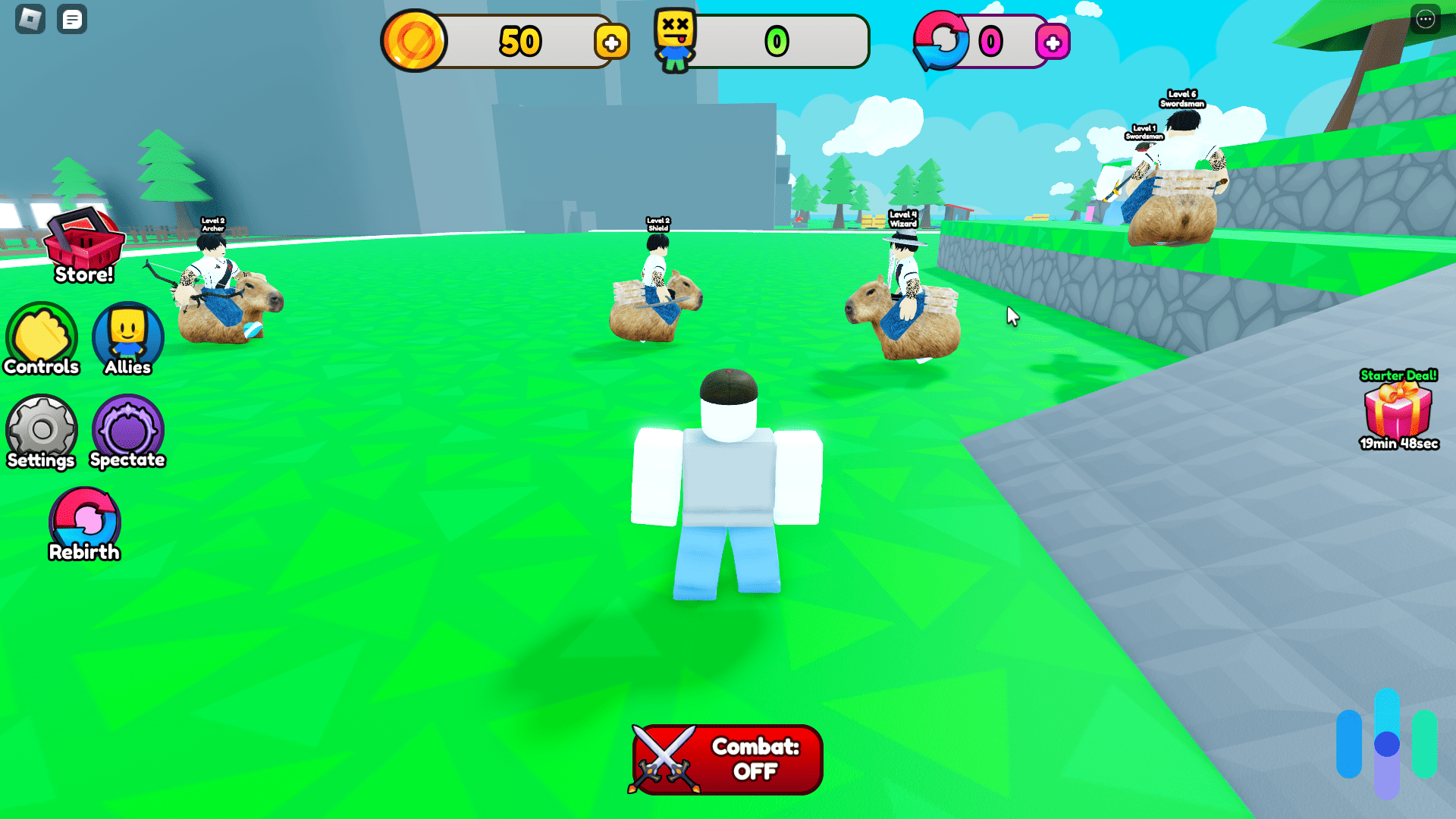
Here’s where the story turns serious. The very model Microsoft may want to copy is currently the subject of one of the biggest child-safety crises in tech. Roblox is facing a wave of lawsuits, including a large consolidated federal case and separate suits from numerous state attorneys general, accusing it of failing to protect the children who make up a huge share of its users.
Officials haven’t minced words. Attorneys general in states including Texas, Louisiana, Nebraska, and Oklahoma have described the platform in filings as a “digital playground for predators” and a “hunting ground,” alleging that its design allowed adults to contact and groom minors. The scale is sobering: Roblox itself reported submitting tens of thousands of child-exploitation reports to authorities in a single year, a volume advocates argue points to a systemic problem, not isolated incidents.
Why the monetization and the danger are connected
This is the crucial part, and it’s why the two halves of this story can’t be separated. The lawsuits argue that Roblox’s harms weren’t random, they flowed directly from the same design choices that make the platform so profitable. It’s an uncomfortable link worth understanding.
An open, anyone-can-create platform is a money machine and a moderation nightmare, because the same flood of user content that drives revenue is nearly impossible to police at scale. A young, engagement-hungry user base is great for microtransaction income and precisely the demographic predators target. A virtual currency that keeps kids spending is also, plaintiffs allege, a tool that can be used to manipulate them. In short, critics argue Roblox prioritized growth and revenue over safety, and the features driving the profit are the same ones that enabled the harm. That’s the exact model Microsoft is reportedly considering adopting.
Is Microsoft prepared for this?
So the real question isn’t just can Microsoft monetize Minecraft this way, it’s whether it’s ready for the responsibility that comes with it. And the honest answer is: it’s complicated, with reasons for both concern and cautious optimism.
On the worrying side, Minecraft already has an enormous population of young players. Dramatically expanding open user-generated content, social features, and a spending-driven currency would import the very risk profile that landed Roblox in court. Microsoft would be inheriting Roblox’s problem by design.
On the more hopeful side, Microsoft has advantages Roblox arguably lacked, vastly deeper pockets to invest in moderation, an existing Xbox trust-and-safety infrastructure, and, critically, a real-time cautionary tale playing out in the courts to learn from. It has the chance to build the safeguards first, rather than bolting them on after the lawsuits, as Roblox is now scrambling to do.
The question is whether it will. Robust child safety, human moderators, aggressive age verification, restricted adult-child contact, is expensive and can slow the growth that makes the model attractive in the first place. That’s the same tension plaintiffs say Roblox resolved in favor of profit.
Minecraft’s monetization dilemma: what it comes down to
Turning Minecraft into a Roblox-style creator economy is a genuinely huge business opportunity, one that could generate enormous, recurring revenue from a beloved game with a massive, devoted audience. From a pure dollars-and-cents view, it’s easy to see why Microsoft is tempted.
But Roblox’s ongoing legal nightmare is a flashing warning sign that this particular gold rush carries a profound responsibility. The model that prints money is the same model that, without serious and expensive safeguards, can expose the children playing it to real danger. If Microsoft pursues this, it can’t treat child safety as an afterthought or a cost to minimize, it has to be the foundation the whole thing is built on. Whether a company under pressure to squeeze more profit from Minecraft is prepared to make that its priority is the question that matters most.
Because when your biggest customers are kids, “move fast and figure out safety later” isn’t a strategy. It’s a lawsuit waiting to happen, and worse, a child waiting to be harmed.
Want More Clownfish TV?
This article was brought to you in part by The Reefers of more.clownfishtv.com. Free subscribers get articles like this one in their inbox. Paid subscribers get the full Clownfish TV podcast feed, livestreams, and members-only episodes that never hit YouTube.
D/REZZED is part of Clownfish TV. For more news, views, and rants on gaming, tech, and pop culture, watch @ClownfishTV on YouTube and find the podcast on Apple Podcasts, Spotify, and iHeart.
Article compiled and edited by Derek Gibbs (entertainment editor) and the Clownfish TV newsroom.
Hat Tips:
Bloomberg and industry reporting (2026), verified for the business context (Microsoft’s reported interest in expanding Minecraft’s monetization, new Xbox leadership under Asha Sharma reportedly viewing Minecraft as “underutilized,” Roblox’s creator-economy model built on Robux virtual currency, the DevEx cash-out program, a roughly 30% marketplace cut, and reported creator payouts around $1.5 billion in 2025 across nearly 400 million monthly users, and Minecraft’s existing but partner-gated Marketplace)
Texas Attorney General’s Office and the Roblox MDL (In re: Roblox Corporation Child Sexual Exploitation and Assault Litigation, MDL No. 3166) (2025-2026), verified for the child-safety litigation (a consolidated federal case in the Northern District of California with dozens of pending lawsuits, and separate state attorney general suits from Texas, Louisiana, Nebraska, Oklahoma, Kentucky, and others describing the platform in filings as a “digital playground for predators,” alleging design and moderation failures allowed adults to contact and groom minors)
State attorney general filings and Roblox company disclosures (2025-2026), verified for the scale and response (Roblox reporting tens of thousands of child-exploitation cases to authorities in a single year, roughly 40-45% of users being under 13, the $12.5 million Nevada settlement including safety reforms, Roblox’s rollout of age-estimation and age-tiered accounts, critics’ arguments that reforms came only after years of warnings and contain gaps, and Roblox’s denial of liability while pointing to its safety investments)