

A new Bloomberg report reveals that profits from Minecraft were used to fund the rest of Xbox’s gaming business, while Microsoft’s expensive “Netflix of gaming” bet underdelivered. It helps explain this week’s brutal layoffs. Here’s the full picture.
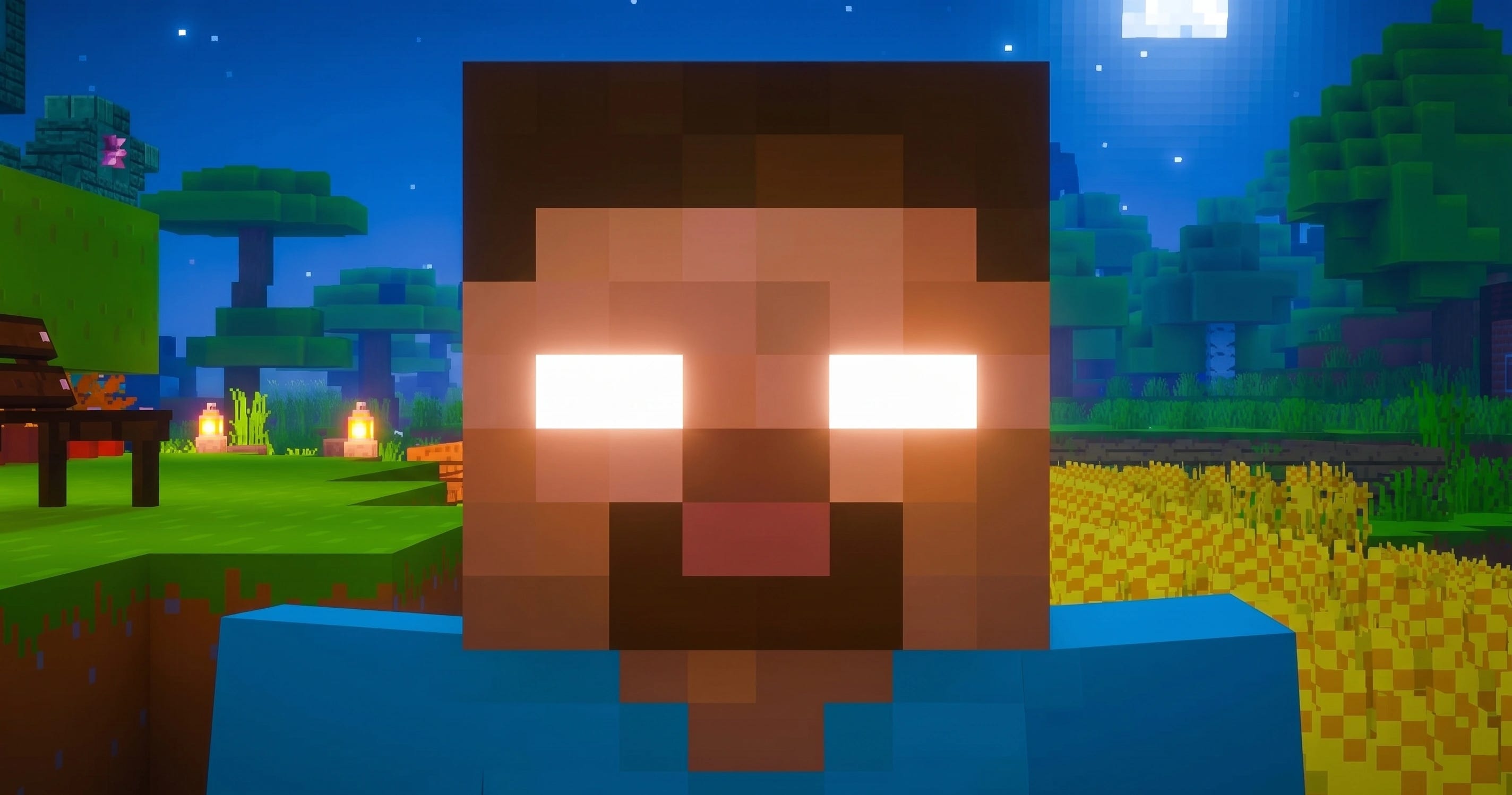
It turns out one blocky, world-building game may have been quietly holding up a huge chunk of Xbox. According to a new report from Bloomberg, profits from Minecraft have been used to help fund the rest of Microsoft’s gaming business for years.
The revelation comes straight from the reporting behind this week’s massive Xbox layoffs, and it paints a fascinating picture of where Microsoft’s gaming money has really been coming from, and where it went. Here’s the breakdown.
What the Bloomberg report says
Let’s start with the key claim.
Per Bloomberg, citing a person familiar with Xbox’s operations: “Profits from Minecraft, considered one of the most successful video games in the world, were used to fund the rest of the gaming portfolio.” In other words, the money Minecraft printed helped bankroll Microsoft’s other gaming ambitions.
Microsoft acquired Minecraft studio Mojang back in 2014, and the game has been a monster success ever since, one of the best-selling titles of all time, with a steady, reliable stream of profit. That consistency, it turns out, made it a financial backbone for the broader Xbox operation.
The bigger story: Xbox’s “Netflix” bet didn’t pay off
Here’s the context that makes this matter.
The reason Minecraft’s profits were needed elsewhere comes down to a big, expensive bet that reportedly didn’t work out. For years, under Phil Spencer, Xbox chased the dream of becoming the “Netflix of gaming“, betting that subscriptions, via Xbox Game Pass, not console sales, would be the future.
To fuel that vision, Microsoft went on a historic spending spree, dropping roughly $80 billion over the past decade acquiring studios and publishers, including Activision Blizzard for $69 billion and ZeniMax (Bethesda’s parent) for $7.5 billion. The goal was to stuff Game Pass with must-have games. The problem? The subscriber numbers reportedly never came close to the plan.
The numbers that didn’t add up
Here’s where the strategy hit a wall.
According to Bloomberg’s sources, Microsoft internally targeted 77 million Game Pass subscribers by the end of fiscal 2026. The actual figure currently sits at roughly 30 million, less than half the goal. That’s a massive miss for a strategy the company bet tens of billions on.
Worse, the approach may have undercut Microsoft’s own sales. By putting big first-party games on Game Pass on day one, the company reportedly sacrificed significant full-price purchases, a prior Bloomberg report estimated Microsoft gave up more than $300 million in Call of Duty sales in 2024 alone by launching it straight onto the subscription service. When your expensive games are “free” on a subscription that isn’t growing fast enough, the math gets ugly.
Why this is bigger than a fun fact
This isn’t just trivia about Minecraft being profitable, it’s the financial story behind this week’s brutal cuts. Microsoft just laid off around 3,200 Xbox employees, roughly 20% of the division. The Bloomberg report frames those layoffs as the direct result of years of costly expansion that didn’t deliver the returns Microsoft hoped for.
And Microsoft’s own financials back up the strain: in a recent quarterly filing, the company reported gaming revenue down, Xbox hardware revenue down a steep 33%, and “impairment and other related expenses” in its gaming business. So while Minecraft was quietly generating steady profits, the larger, pricier parts of the strategy were bleeding, and eventually, something had to give.
A fair caveat: this is fairly normal business
It’s worth resisting the most dramatic reading of this, that Minecraft was single-handedly the only thing keeping Xbox alive. In reality, using profits from a hit product to fund other parts of a business is completely standard practice, not just in gaming, but in nearly every industry. Successful products routinely subsidize newer or struggling ones. At any big publisher, the games that hit help pay for the ones that miss.
So the accurate takeaway isn’t necessarily “Minecraft was carrying a dying company on its back.” It’s that Minecraft was such a dependable earner that it became a crucial pillar propping up an ambitious, underperforming strategy, which is notable, but not the same as Xbox being on life support.
What Microsoft plans to do now
Here’s where things are heading.
The takeaway from all this, for Microsoft, seems to be a return to fundamentals. Rather than chasing ever-bigger acquisitions and an all-in subscription bet, Xbox is reportedly refocusing on what actually makes money: hardware, first-party games, and its biggest, most dependable franchises, chief among them Minecraft.
Tellingly, Mojang will now reportedly report directly to newly appointed Xbox chief Asha Sharma, who is said to believe Minecraft is underutilized, meaning Microsoft wants to squeeze even more out of its blockbuster. The mobile-games giant King (maker of Candy Crush, acquired in the Activision deal) is also becoming more central. In short: after a decade of “bigger is better,” Xbox is leaning back on its proven winners.
Minecraft funding Xbox: what it comes down to
The revelation that Minecraft has been helping fund the rest of Xbox is a striking illustration of how modern gaming economics really work. One wildly successful, dependable game quietly generated the profits that helped bankroll an expensive, ambitious strategy, one that, by Bloomberg’s account, ultimately fell short of its goals and led to painful layoffs.
It’s both a testament to just how enormous Minecraft is, and a cautionary tale about betting tens of billions on a subscription future that didn’t arrive on schedule. As Microsoft retreats to its most reliable franchises, one thing is clear: whatever Xbox looks like in the years ahead, Minecraft is going to be right at the center of it. Turns out the little game about digging blocks was the foundation all along.
Want More Clownfish TV?
This article was brought to you in part by The Reefers of more.clownfishtv.com. Free subscribers get articles like this one in their inbox. Paid subscribers get the full Clownfish TV podcast feed, livestreams, and members-only episodes that never hit YouTube.
D/REZZED is part of Clownfish TV. For more news, views, and rants on gaming, tech, and pop culture, watch @ClownfishTV on YouTube and find the podcast on Apple Podcasts, Spotify, and iHeart.
Article compiled and edited by Derek Gibbs (entertainment editor) and the Clownfish TV newsroom.
Hat Tips:
Bloomberg (via Digital Trends and Insider Gaming) (July 7, 2026), verified for the core reporting (the direct quote that profits from Minecraft “were used to fund the rest of the gaming portfolio” per a person familiar with Xbox operations, the failed “Netflix of gaming”/Game Pass-first strategy, the ~$80 billion in acquisitions including Activision Blizzard at $69 billion and ZeniMax at $7.5 billion, the Game Pass subscriber count of roughly 30 million against an internal target of 77 million, and the ~$300 million in estimated lost Call of Duty sales from day-one Game Pass launches)
Digital Trends, Insider Gaming, and TwistedVoxel (July 2026), verified for the strategic pivot (Microsoft refocusing on hardware, first-party games, and flagship franchises like Minecraft and King, Mojang reporting directly to new Xbox CEO Asha Sharma, Sharma reportedly viewing Minecraft as underutilized, Microsoft’s 2014 acquisition of Mojang, and the connection to the ~3,200 Xbox layoffs)
Microsoft FY2026 quarterly SEC filing (Form 10-Q) (2026), verified for the corroborating financials (gaming revenue declining, Xbox hardware revenue down 33% on lower console volume, and impairment and other related expenses recorded in the Gaming business)