

Nintendo is discontinuing the original Switch in Europe
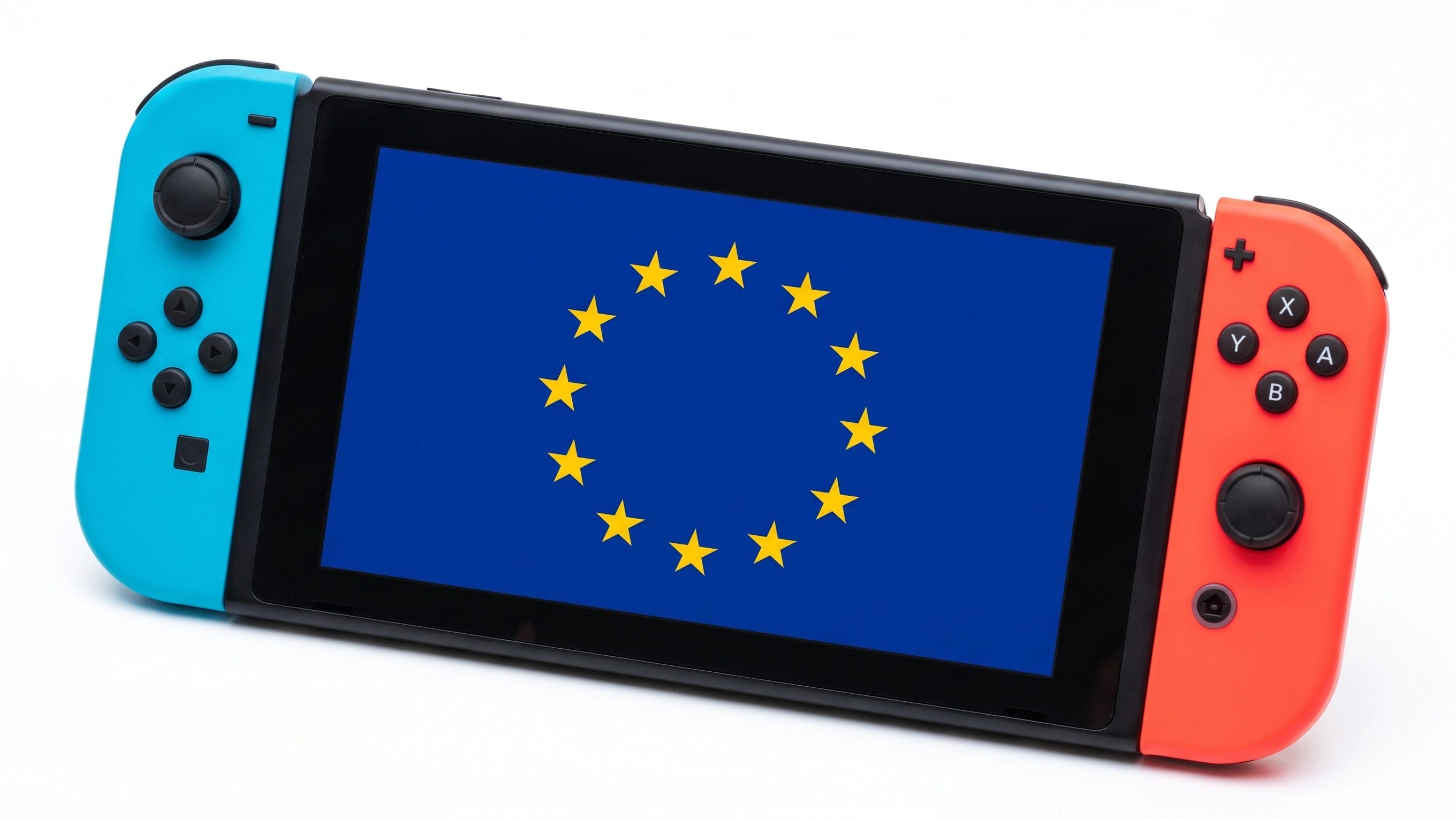
Nintendo is pulling the original Switch, Switch Lite, and OLED from sale in Europe in early 2027, thanks to a new EU battery law. But it’s Europe-only, the console’s successor is already out, and existing owners keep everything. Here’s the real story, and the genuine debate underneath it.
Nintendo is officially winding down one of the best-selling consoles of all time, the original Switch, in Europe. If that sounds alarming, take a breath: the full story is far more mundane, and more interesting, than the headline suggests.
The move is driven by a new European battery law, applies only to Europe, and won’t affect anyone who already owns a Switch. Here’s exactly what’s happening and why.
What’s actually being discontinued
Let’s get the facts straight first.
Starting in mid-February 2027, Nintendo will stop selling the original Switch family, that’s the standard Switch, the Switch Lite, and the Switch – OLED Model, to European retailers and through its own Nintendo Store. The timing lands almost exactly 10 years after the console launched in March 2017.
A few crucial clarifications right up front:
This is Europe only. Nintendo explicitly confirmed it will keep selling the original Switch in other regions. As the company told IGN, “We plan to continue selling Nintendo Switch in regions outside of Nintendo of Europe.”
It’s the old Switch, not the Switch 2. Nintendo’s current-gen console is unaffected and continues as normal.
Nobody needs to rush. The console is still being manufactured and will be “widely available” across Europe throughout 2026. Mid-February 2027 is the cutoff.
The reason: a new EU battery law
Here’s why this is happening, and it’s not because Nintendo is giving up on Europe.
The discontinuation is a direct response to a new European Union regulation taking effect February 18, 2027. The rule requires that portable electronics sold in the EU have batteries that users can easily replace themselves with common tools, a “right to repair” measure designed to cut electronic waste and extend the life of devices.
The problem for Nintendo: the original Switch, now nearly a decade old, was never designed with a user-replaceable battery. Faced with a choice between completely redesigning aging hardware or simply retiring it, Nintendo chose to retire it in Europe. When a console already has a successor on shelves, re-engineering the old model to satisfy a new law just doesn’t make financial sense.
Nintendo is complying, just for the Switch 2
Here’s the part that shows this isn’t Nintendo defying the rules.
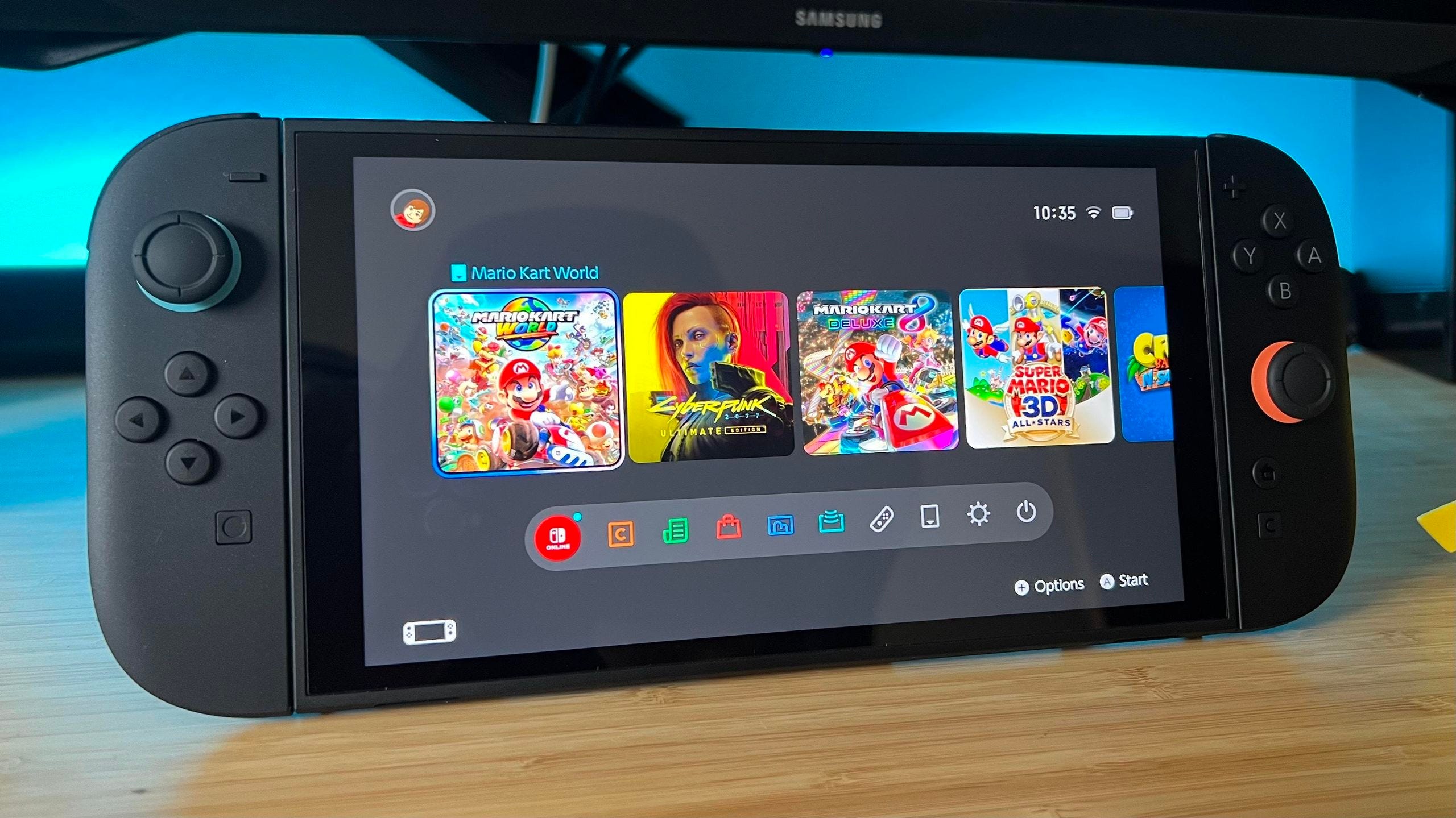
Rather than fight the regulation, Nintendo is embracing it going forward. The company confirmed it’s rolling out a revised Switch 2 this fall with a user-replaceable battery, along with updated Joy-Con and Pro Controllers that let you swap batteries yourself. The changes are minor (the revised Switch 2 battery is a hair smaller and the console about 10 grams heavier), with Nintendo promising “no difference in functionality.”
So the takeaway is clear: Nintendo is complying with the EU’s battery law, it just isn’t willing to do the expensive work of retrofitting a 10-year-old console to do it. The future (Switch 2) gets the update. The past (original Switch) gets retired.
Why now? The component crunch plays a role
Here’s the context that ties into a bigger industry story.
There’s a financial subtext worth noting. The entire electronics industry is currently grappling with RAM and component shortages that have driven up hardware costs across the board, the same crunch that’s been squeezing PlayStation and Xbox, too. In that environment, keeping three legacy console models in production, especially ones that would need a costly redesign to stay legal in Europe, makes even less sense.
Retiring the old Switch family lets Nintendo consolidate its manufacturing around the Switch 2, which is the console that actually needs to grow right now. It’s simple housekeeping, made more urgent by an expensive moment for making hardware.
Good news for existing owners
Here’s the reassurance, because panic headlines will say otherwise.
If you already own a Switch, absolutely nothing changes for you. Your console keeps working, the eShop stays open, Nintendo Switch Online continues, your games and accessories are all fine. “Discontinued” here just means “no longer sold new in Europe after early 2027”, it does not mean “bricked” or “unsupported.”
In fact, the original Switch is still getting new games, with several titles on the way, and games increasingly launching across both Switch generations. This is a sales wind-down for a decade-old machine, not a shutdown.
The genuine debate: a consumer win, or a consumer loss?
Here’s the interesting wrinkle, because there are two fair ways to see this.
On one hand, the EU regulation behind all this is a genuine consumer win. Being able to replace your own battery, instead of tossing an entire console when it degrades, is great for repairability, longevity, and reducing e-waste. Right-to-repair advocates have wanted exactly this for years, and going forward, European Switch 2 owners will benefit from it.
On the other hand, there’s an unintended downside. Because Nintendo chose to retire the old Switch rather than redesign it, European buyers don’t get a fixed, battery-swappable version of the cheaper console, they just lose access to it entirely. The Switch Lite in particular was the affordable entry point into Nintendo gaming, and its European discontinuation means budget-conscious players lose an inexpensive option and get nudged toward the pricier Switch 2. So a law meant to help consumers ends up, in this one case, taking a cheap option off the table. Both things are true at once.
Nintendo Switch discontinuation: what it comes down to
Nintendo pulling the original Switch from European shelves in 2027 sounds dramatic, but it’s mostly routine housekeeping: a 10-year-old console with a successor already out, being retired rather than redesigned to meet a new EU battery law. It’s Europe-only, existing owners are unaffected, and there’s no reason to panic-buy tomorrow.
The more interesting story is the tension underneath it. The EU’s push for user-replaceable batteries is a real win for repairability and against e-waste, exactly the kind of pro-consumer rule players have asked for. But it also shows how even good regulations can have awkward side effects, here, quietly removing a beloved, affordable console from an entire continent instead of improving it. Progress, it turns out, sometimes costs you the very thing you were used to.
If you’re in Europe and you’ve always wanted an original Switch, the message is simple: you’ve got until early 2027. After that, it’s Switch 2 or nothing.
Want More Clownfish TV?
This article was brought to you in part by The Reefers of more.clownfishtv.com. Free subscribers get articles like this one in their inbox. Paid subscribers get the full Clownfish TV podcast feed, livestreams, and members-only episodes that never hit YouTube.
D/REZZED is part of Clownfish TV. For more news, views, and rants on gaming, tech, and pop culture, watch @ClownfishTV on YouTube and find the podcast on Apple Podcasts, Spotify, and iHeart.
Article compiled and edited by Derek Gibbs (entertainment editor) and the Clownfish TV newsroom.
Hat Tips:
Nintendo (official statement, via Nintendo Life and Kotaku) (July 6-7, 2026), verified for the core announcement (the discontinuation of the Nintendo Switch, Switch Lite, and Switch – OLED Model for European retailers and the Nintendo Store from mid-February 2027, continued manufacturing and availability through 2026, and the crucial clarification to IGN that Nintendo will continue selling the original Switch outside of Nintendo of Europe)
TheGamer and Player.One (July 2026), verified for the reason (the EU battery regulation taking effect February 18, 2027, requiring user-replaceable batteries in portable electronics, the original Switch not being designed for this, and Nintendo choosing to retire rather than redesign the decade-old hardware), and the revised battery-compliant Switch 2 launching this fall with swappable Joy-Con and Pro Controllers
DualShockers and Dataconomy (July 2026), verified for the added context (existing owners keeping full functionality including eShop and Nintendo Switch Online, the RAM/component shortage making legacy-hardware production less viable, the consolidation around the Switch 2, the revised Switch 2’s minor battery/weight changes, and the debate over the EU rule as both a repairability/e-waste win and an unintended loss of an affordable console option)