

Nvidia just rolled out a program to guarantee young cloud companies’ unsold AI chips, in exchange for a slice of their revenue. Supporters call it clever balance-sheet muscle. Skeptics call it “circular financing” that could deepen an AI bubble. Here’s how it works, and why both sides have a point.
Nvidia just made a move that says a lot about the state of the AI boom. The chip giant is offering to financially backstop smaller cloud companies that buy its expensive AI chips, and in return, it’ll take a cut of their revenue.
It’s a clever bit of financial engineering, or a worrying sign of an overheating AI market, depending on who you ask. Here’s exactly what Nvidia is doing, why it’s doing it, and the real debate over whether it’s smart or risky.
What Nvidia is actually doing
Let’s break down the deal, because the mechanics are the key.
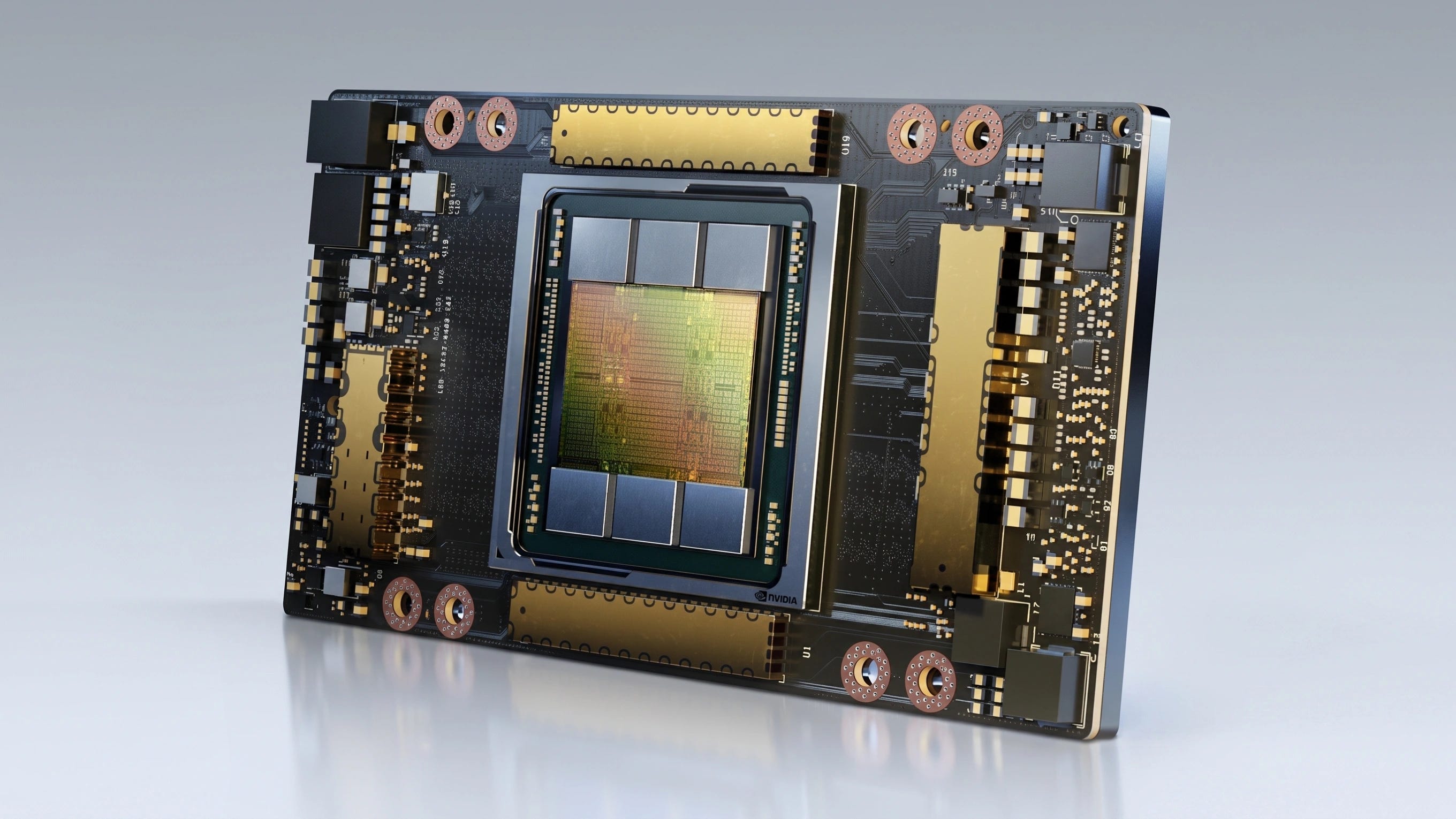
Nvidia’s graphics processing units (GPUs) are the engines that power AI, and they’re wildly expensive, usually the single priciest part of any AI data center. That cost makes it hard for smaller, newer cloud companies (nicknamed “neoclouds”) to get the loans they need to buy them.
So Nvidia is stepping in with a program it calls the AI Compute Partnership. Here’s the core of it, confirmed by Nvidia itself:
A young cloud provider buys or leases a big batch of Nvidia GPUs to rent out to AI developers.
If that provider can’t find enough customers to rent the chips, Nvidia promises to rent back the unused capacity itself at a pre-agreed price.
In exchange, Nvidia takes a percentage of the cloud provider’s revenue (a share that shrinks over the life of the contract), on top of the money it already made selling the hardware.
The first named partners are cloud startups Firmus and Sharon AI, with Sharon reportedly deploying up to 40,000 of Nvidia’s newest GB300 chips.
Why Nvidia is doing this
Here’s the strategy, and it’s genuinely shrewd.
The backstop solves a real problem: lenders are nervous about financing companies with shaky credit. But if Nvidia guarantees to pay for any unused chips, suddenly those loans look much safer, so banks are far more willing to fund the purchases. As one data center executive told The Information, Nvidia “kills two birds with one stone”, it helps finance both the chips and the data centers that house them.
There’s a bigger strategic reason too. Right now, a handful of tech giants, Amazon, Microsoft, Google, Meta, and Oracle, buy most of Nvidia’s chips. The problem? Several of them are building their own AI chips to cut Nvidia out. By propping up smaller neoclouds, Nvidia builds an alternative customer base and reduces its dependence on the very giants trying to replace it.
This isn’t entirely new
Here’s the context that shows this is a deepening pattern, not a one-off.
Nvidia has done versions of this before. Back in September 2024, it agreed to buy all of cloud company CoreWeave‘s unsold capacity through 2032, a commitment worth around $6.3 billion, which helped calm investor nerves about CoreWeave’s debt-heavy business. The new AI Compute Partnership basically turns that one-off arrangement into a repeatable program Nvidia can offer to many companies.
The bull case: smart use of a powerful balance sheet
Here’s the optimistic read, and it’s a solid one.
Nvidia is sitting on an enormous pile of cash and the most in-demand product in tech. Using that strength to expand who can afford its chips is, arguably, just good business. It widens Nvidia’s market, locks in future customers, creates a recurring revenue stream on top of hardware sales, and helps build out the AI infrastructure everyone says the world needs. Supporters see a company using its balance sheet to grease the wheels of an industry it dominates.
The bear case: “circular financing” and bubble worries
Here’s the skeptical read, and it deserves equal weight.
Critics look at this and see something more concerning: circular financing. In plain terms, Nvidia is helping fund the companies that buy Nvidia’s products, and guaranteeing their revenue. That can artificially prop up demand for Nvidia chips, making the AI boom look healthier than the actual end-demand justifies.
The risk is real: if AI demand cools, Nvidia could be left holding the bag, on the hook to rent back mountains of GPUs nobody wants. Financial analysts flagged exactly these “risk questions,” and Nvidia’s stock actually dipped slightly on the news. To skeptics, arrangements like this are a hallmark of a bubble, where money circulates between a small group of players to keep the party going, rather than being driven by outside customers actually paying for the end product.

Why this matters beyond Wall Street
Here’s why you should care even if you don’t own Nvidia stock.
This is the same AI-infrastructure gold rush that’s rippling into everyday life. The insatiable demand for GPUs and data centers is a big reason RAM and storage prices have spiked (making everything from gaming PCs to the new Steam Machine more expensive), and why power grids are straining under data-center demand. Nvidia’s financing programs are designed to pour more fuel on that fire, accelerating the buildout. Whether that’s a good thing, more AI progress, or a risky one, a bigger bubble to eventually pop, is one of the defining economic questions of the moment.
Nvidia’s GPU backstop: is it genius or a red flag?
So here’s the deal.
Nvidia’s new backstop program is a genuinely clever piece of financial engineering: it lowers the barrier for smaller companies to buy its chips, reduces its reliance on a few giant customers, and adds a fresh revenue stream, all using the strength of its balance sheet.
On its own terms, it’s smart.
But it also feeds a real and growing worry that the AI boom is being propped up by circular deals rather than pure end-user demand, which is exactly the kind of thing that makes bubble-watchers nervous. Both readings are legitimate. If the AI wave keeps rising, this looks like brilliant strategy. If it crests, moves like this could make the fall harder.
Either way, Nvidia has once again positioned itself at the absolute center of the AI economy, as the seller of the shovels, and increasingly, the banker funding the gold rush too. That’s a powerful place to stand. It’s also a lot of weight on one company’s shoulders.
Want More Clownfish TV?
This article was brought to you in part by The Reefers of more.clownfishtv.com. Free subscribers get articles like this one in their inbox. Paid subscribers get the full Clownfish TV podcast feed, livestreams, and members-only episodes that never hit YouTube.
D/REZZED is part of Clownfish TV. For more news, views, and rants on gaming, tech, and pop culture, watch @ClownfishTV on YouTube and find the podcast on Apple Podcasts, Spotify, and iHeart.
Article compiled and edited by Derek Gibbs (entertainment editor) and the Clownfish TV newsroom.
Hat Tips:
The Information (Amir Efrati and Phoebe Liu) (July 2026), the originating report, verified for the backstop mechanism (renting back unused GPU capacity in exchange for a declining share of cloud revenue), the “AI Compute Partnership” internal name, the Firmus and Sharon AI first partners, the Nvidia spokesperson confirmation, and the “kills two birds with one stone” data-center-executive quote
Nvidia official blog, Bloomberg, and CNBC (July 2026), verified for Nvidia’s confirmation of the revenue-sharing and credit-support model, the “standard product revenue and a share of the cloud revenue” language, the deployment scale (Sharon AI’s up to 40,000 GB300 GPUs, Firmus’s Indonesia campus), and the strategic goal of reducing reliance on Amazon/Microsoft/Google/Meta/Oracle
TipRanks and Tom’s Hardware (2024-2026), verified for the “risk questions” and circular-financing concerns, the 1.25% NVDA stock dip on the news, and the precedent of the September 2024 CoreWeave deal ($6.3 billion commitment to buy unsold capacity through 2032)