

Pizza Hut Classic bets on retro revival as fast food faces a reckoning
Pizza Hut franchisees are converting 80 locations to the Classic format as Yum Brands closes 250 underperforming stores.
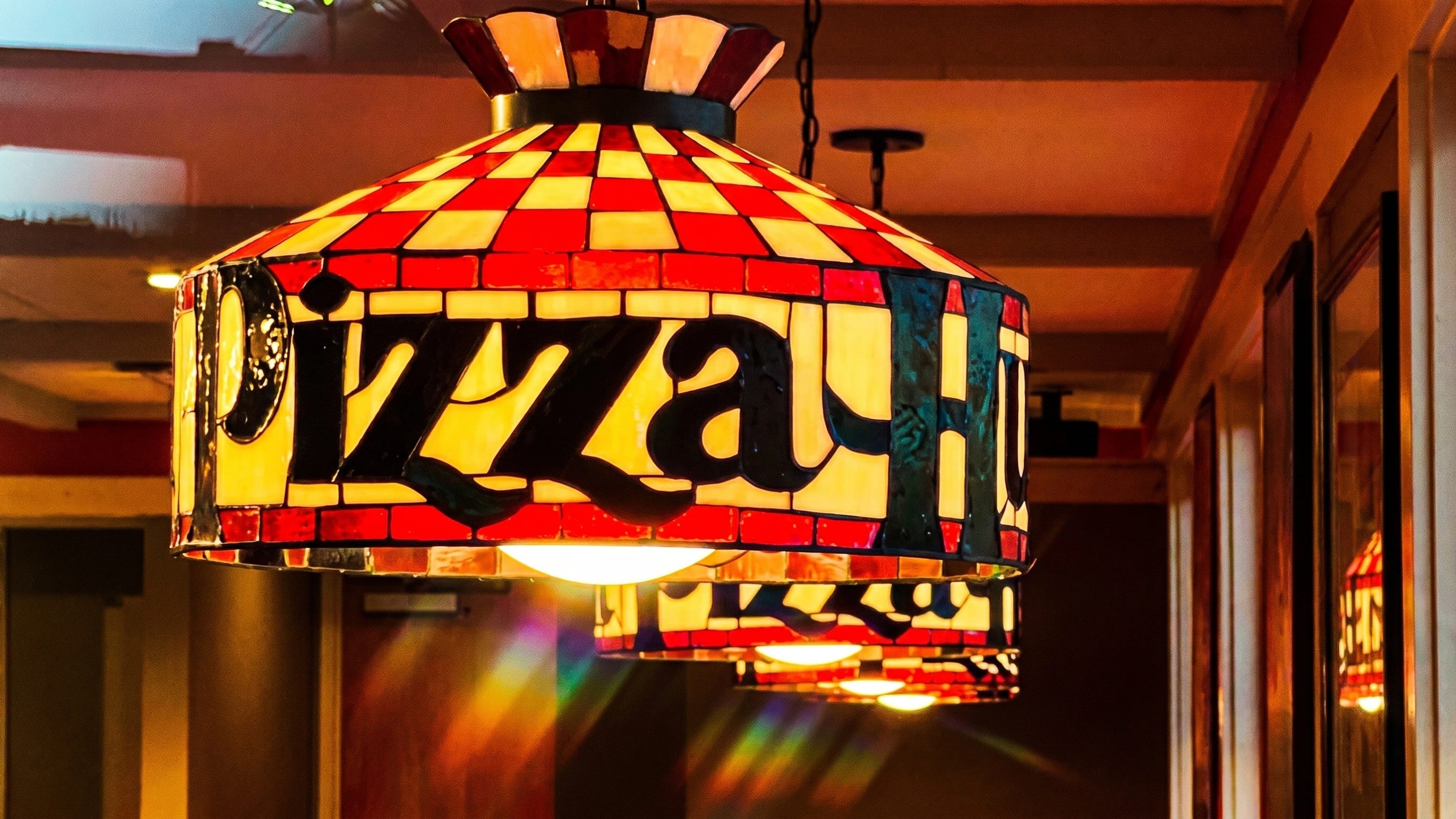
Pizza Hut is doubling down on the past. Franchisees are converting dozens of locations into Pizza Hut Classic outposts that look straight out of the 1980s and 1990s, with red-checkered tablecloths, vinyl booths, glowing Tiffany lamps, and the iconic red-roof exterior. As the chain shutters hundreds of underperforming stores and the broader fast-food sector grapples with declining traffic, the nostalgia play is more than marketing. It is a calculated bet that Gen Z and Gen Alpha’s growing appetite for retro experiences might be a lifeline for the industry.
The movement gained fresh momentum this month as reports highlighted Tim Sparks, president of Daland Corporation, actively converting 80 restaurants to the Classic format. Daland operates nearly 100 Pizza Hut locations. Sparks, who started as a dishwasher at the chain in 1983, has made the project personal, bringing back the warm, family-friendly atmosphere he remembers from his early days at the company.
How Pizza Hut lost the dine-in experience that built the brand
For decades, Pizza Hut built its empire on the full dine-in experience. The red-roof buildings, checkered tablecloths, vinyl booths, Tiffany-style lamps, red plastic cups, and the lunch and dinner buffets with salad bars and dessert options created a destination. Families went for the food and the atmosphere. The buffet model, which peaked with around 2,000 locations in the early 1990s, drove traffic, perceived value, and repeat visits.
That started changing in the late 1990s and accelerated through the 2000s and 2010s. As consumer behavior shifted toward convenience, Pizza Hut pivoted hard toward delivery and carryout formats. By the late 2010s, dine-in represented a shrinking slice of sales. Large full-service footprints with buffets became expensive to operate, with high labor costs, significant food waste, and real estate that did not always deliver strong returns compared to smaller formats.
The rise of third-party delivery apps, the success of competitors laser-focused on speed and value, and post-pandemic preferences for contactless ordering all reinforced the shift. Many traditional red-roof dine-in locations were closed or converted. Buffets largely disappeared from most U.S. stores by the mid-2010s due to operational complexity, changing tastes for customization, and later, heightened cleanliness concerns. The brand invested heavily in digital platforms and smaller express-style units.
The current Classic push, driven significantly by franchisees, represents a partial course correction. It is not a full nationwide return to 1990s operations, but a targeted revival of the elements that created emotional connection in markets where the experience can still drive traffic.
Where to find Pizza Hut Classic locations
True Pizza Hut Classic restaurants already exist across the U.S., and more are being added throughout 2026 as franchisees convert additional spots using official retro remodel guidelines. The locations are a mix of long-preserved holdovers and newly refreshed restaurants designed to recapture the 1980s and 1990s look and feel. They tend to be concentrated in smaller towns and rural and suburban areas rather than major cities.
The best resource for finding them is Rolando Pujol‘s ongoing guide on The Retrologist Substack. Pujol has documented dozens of locations with addresses, phone numbers, and maps. His list has grown from around 30 to 60 to well over 80 as more spots are identified or converted.
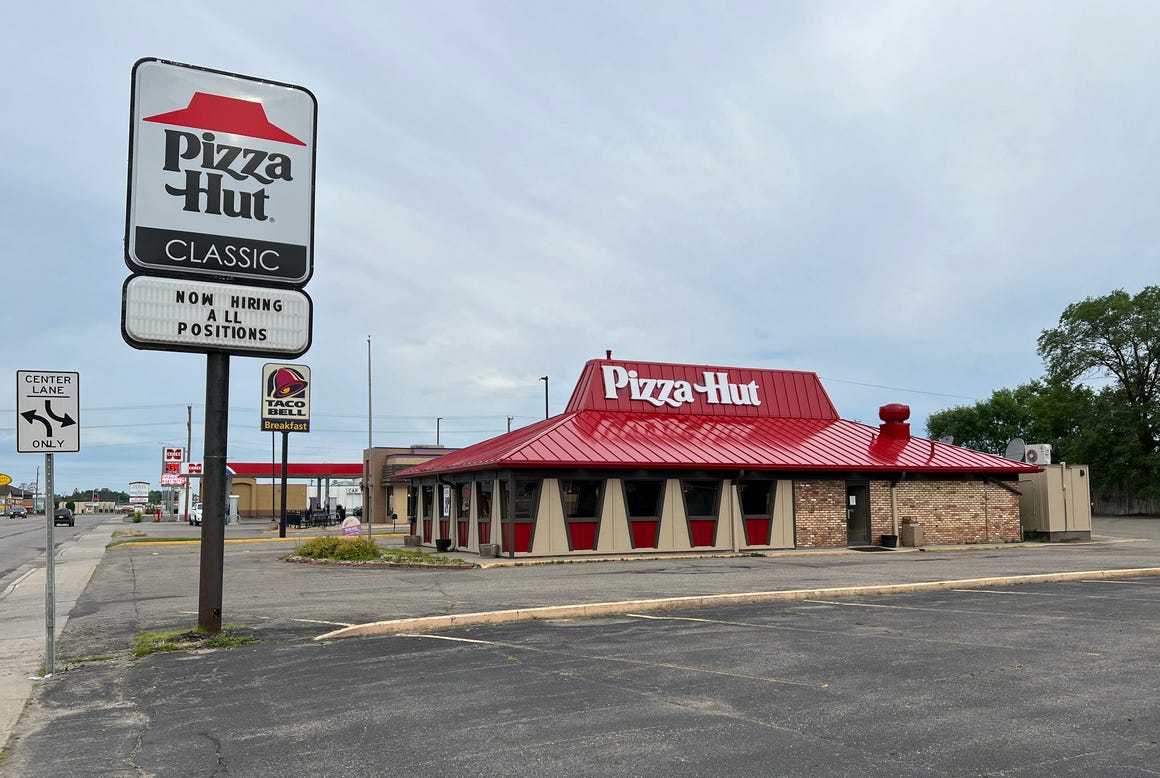
Notable examples include the Tunkhannock, Pennsylvania location at 828 Route 6 W, one of the most famous Classics and a frequent pilgrimage site for nostalgia fans. Multiple locations exist in Texas, including Bastrop, in Arkansas (Eureka Springs, Huntsville, Mountain Home), and in Virginia. Scattered spots can also be found in Oklahoma, Florida, South Carolina, and other states.
Because corporate Pizza Hut does not heavily promote the Classic program on a national level, these locations can feel like hidden gems. Some have small plaques noting their status. New conversions are actively happening in 2026, so the map is expanding.
Yum Brands is closing 250 U.S. locations in 2026
Pizza Hut’s parent company, Yum Brands, announced in early 2026 that it would close roughly 250 underperforming U.S. locations in the first half of the year. Same-store sales have been soft, and the brand faces intense pressure from Domino’s, Papa John’s, and a wave of fast-casual and delivery-native competitors.
The broader quick-service restaurant sector is dealing with post-pandemic shifts. Consumers are prioritizing value and convenience, costs are rising, and younger diners often prefer app-based ordering or fast-casual alternatives over traditional dine-in.
Gen Z and Gen Alpha are driving a “newstalgia” trend
Far from rejecting the past, younger generations are actively seeking it out. The term “newstalgia,” referring to nostalgic flavors and aesthetics reimagined with modern twists, has become a major trend in food and retail. Gen Z has shown strong interest in analog vibes and comforting throwbacks amid digital fatigue. Gen Alpha responds well to fun, social, and customizable experiences. For both groups, a retro Pizza Hut can feel novel and emotionally resonant rather than dated.
Other chains are watching closely and experimenting with their own throwback or experiential refreshes. The bet is that pure efficiency and app optimization are not enough anymore. People want feeling along with the food.
Can nostalgia actually save Pizza Hut?
The retro push is a smart cultural move, but it is not a silver bullet. The Classic locations work best where there is still demand for dine-in and community feel. In many markets, delivery and value will remain dominant. Pizza Hut still needs to nail pricing, speed where it matters, and digital experience while leaning into the emotional side.
The bigger industry lesson is that fast food’s identity crisis will not be solved by tech or nostalgia alone. The winners will blend both, using retro aesthetics and genuine hospitality to create reasons to go somewhere, while keeping the convenience and value modern consumers demand.
Pizza Hut’s Classic experiment is one of the most visible bets yet. If it works, more chains will dust off their old playbooks. If it does not move the needle enough, more closures will follow. Either way, the red roof is back in the conversation, and for a brand that has been quietly struggling, that might be the most important first step.
Article compiled and edited by Derek Gibbs (entertainment editor) and the Clownfish TV newsroom.
D/REZZED is part of Clownfish TV. For more news, views, and rants on gaming and tech, visit clownfishtv.com. Watch the show on YouTube at @ClownfishTV where new episodes drop daily. Subscribe to the Clownfish TV podcast on Apple Podcasts, Spotify, iHeart, and wherever else you get your podcasts. Sign up for the free newsletter at more.clownfishtv.com.
Hat Tips:
Clownfish TV, “Pizza Hut Classic Goes All-In on RETRO! Could It SAVE the Company?!” (May 18, 2026)
Rolando Pujol, The Retrologist, comprehensive guide to Pizza Hut Classic locations
Wide Open Country, The Post Millennial, and Inc., coverage of Tim Sparks and Daland Corporation’s 80-location retro conversion (May 2026)
QSR Magazine and industry reporting, Pizza Hut’s long-term shift from dine-in to delivery-focused model
Fast Company, USA Today, and Yahoo Finance, reporting on 2026 closures and Yum Brands challenges
The New York Times, Slate, and Axios, features on existing Classic locations and nostalgia appeal