

PSN and Xbox went down on back-to-back days, reminding gamers to buy physical
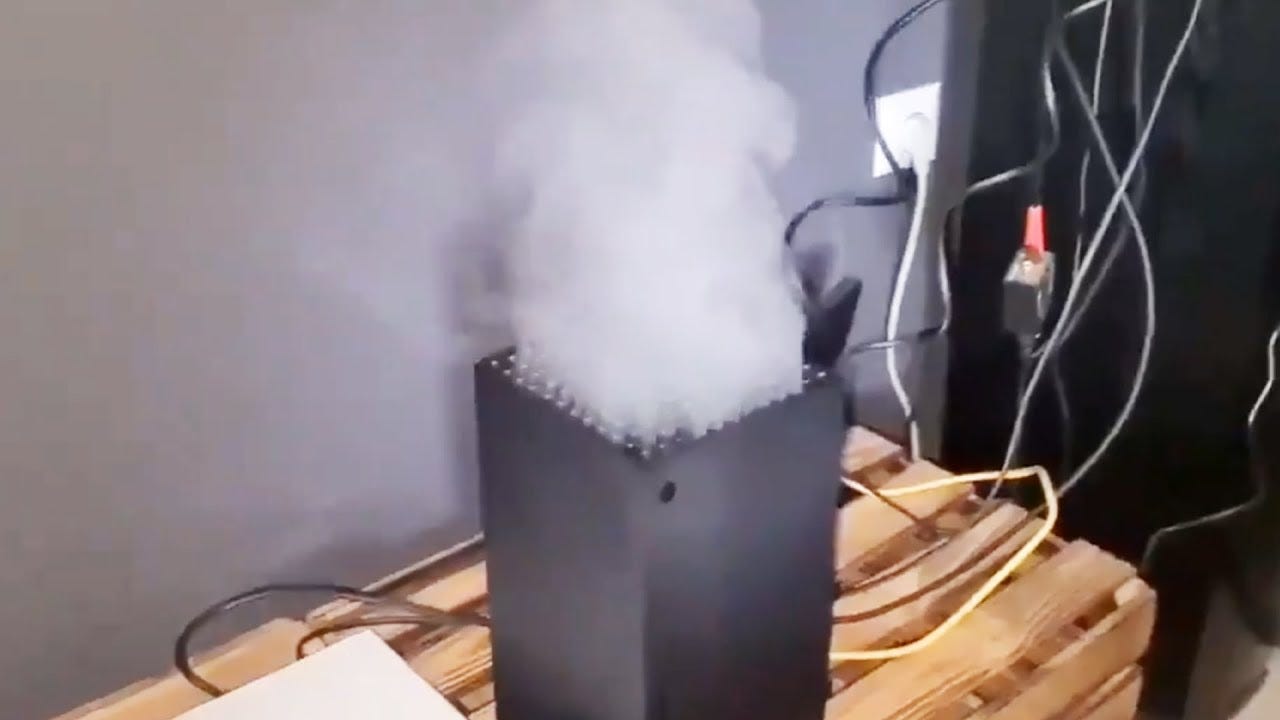
Xbox Live collapsed Thursday in a Microsoft-wide Azure failure. PlayStation Network followed Friday, taken down by an Amazon AWS outage. Two consoles, two cloud providers, two days. And on both, the only games guaranteed to run were the ones on a disc, the format Sony plans to stop making in 2028.
On Thursday, July 23, Xbox Live went down. On Friday, July 24, PlayStation Network did the same.
Two of the biggest gaming networks on earth fell over on consecutive days. And on both, the players who could reliably still play anything were the ones holding a physical disc.
Thursday: Xbox goes down with half of Microsoft
The Xbox outage wasn’t really an Xbox outage. It was a Microsoft outage that happened to include Xbox.
Around 10:30 AM ET, a failure in Microsoft’s Azure cloud, traced to a botched network-routing change in its West US region, knocked out a huge swath of the company at once. Teams, Outlook, OneDrive, the Microsoft Store, and Xbox Live all went dark together, with Downdetector reports peaking above 2,400.
Xbox players got booted from multiplayer, couldn’t authenticate profiles, and couldn’t launch games. They were collateral damage in a cloud failure that was also freezing spreadsheets in offices across North America.
Friday: PlayStation goes down with Amazon
The next day, it was Sony’s turn, and the culprit was a different cloud.
PlayStation Network went down Friday for roughly six hours, and reporting tied it to an Amazon Web Services outage in the US-West-2 region. Sony’s status page eventually showed nearly every service red: sign-in, the PlayStation Store, online play, account management, even PlayStation Direct.
The real-world hits landed fast. The outage delayed the EA Sports FC 26 championship at the Esports World Cup in Paris, leaving pro players unable to warm up mid-tournament. It also knocked out the open beta for Marvel Tōkon: Fighting Souls, a game Sony itself publishes. Sony’s own outage broke Sony’s own launch.
One detail sharpens it. AWS reportedly restored its network routes within about an hour. PSN stayed broken for several more.
The thread running through both
Strip the two days down and they’re the same story told twice.
Neither console failed on its own. Azure took down Xbox. AWS took down PlayStation. The two largest cloud providers on the planet each had a bad day, back to back, and each one dragged a console platform down with it.
And in both cases, the workaround players passed around was identical: flip the console to offline mode, and installed single-player games and physical discs will still run. When the servers die, the disc in the tray doesn’t need permission to boot.
Why that lands differently right now
In a normal month, none of this is much of a story. Networks go down. They come back.
But Sony confirmed earlier this month that it’s ending production of physical discs for new PlayStation games starting in January 2028, with new releases going digital-only. Digital already accounts for around 85% of its full-game sales.
Microsoft has been drifting the same way for years, with a largely discless lineup and a next console widely expected to lean harder into an all-digital, storefront-first design.
So both companies spent this exact week asking players to give up the one format that kept working while their networks were down.
The all-digital future got a live stress test
In an all-digital setup, your library isn’t a shelf. It’s access. You can play your games because a server confirms you’re allowed to.
For six hours on Friday, Sony’s servers couldn’t confirm anything. A player with fifty digital PlayStation games and no discs had a very expensive brick until Sony’s backend recovered. A player with a disc had a game. That wasn’t a hypothetical about 2028. It happened, twice, in 48 hours.
The honest counterpoint
Discs don’t make anyone immune to this, and it’s worth saying plainly. Modern games lean on day-one patches, online modes, and account sign-in for a lot of what they do.
Some disc-based games barely function offline. And both outages were temporary. Nobody lost a library permanently.
The disc advantage is narrow, and it’s specific. When authentication goes down, an offline console with a disc can still boot a game and play its single-player campaign.
An all-digital console often can’t get that far, because it has to verify the license first before it lets you in.
Sony’s counterargument is that digital already dominates and outages are rare. Both are true. It’s a harder sell in a week when the rare thing happened two days running, on two different clouds, and the format Sony is retiring is the one that shrugged both off.
The servers came back Thursday, and they came back Friday.
In January 2028, the fallback that got people through this week won’t be on the shelf to buy.
Article compiled and edited by Derek Gibbs (entertainment editor) and the Clownfish TV newsroom.
D/REZZED is part of Clownfish TV. For more news, views, and rants on gaming, tech, and pop culture, visit clownfishtv.com. Watch the show on YouTube at @ClownfishTV where new episodes drop daily. Subscribe to the Clownfish TV podcast on Apple Podcasts, Spotify, iHeart, and wherever else you get your podcasts. Sign up for the free newsletter at more.clownfishtv.com.
Hat Tips:
Sunday Guardian / w.media / BleepingComputer — the July 23 Microsoft Azure outage, the West US routing failure, the affected services, and the Downdetector peak
Engadget / Artiverse — the July 24 PSN outage, the affected services, and the roughly six-hour duration
BigGo / Glitchwire — the AWS US-West-2 link to the PSN outage and the detail that AWS restored routes well before PSN recovered
Insider Gaming / GINX — the delayed EA Sports FC 26 championship at the Esports World Cup and the Marvel Tōkon: Fighting Souls beta disruption
Earlier reporting — Sony’s January 2028 disc cutoff, the 85% digital-sales figure, and the go-offline-and-play-discs workaround