

Reckless Ben can post his third Bricks & Minifigs video after a court modifies its gag order
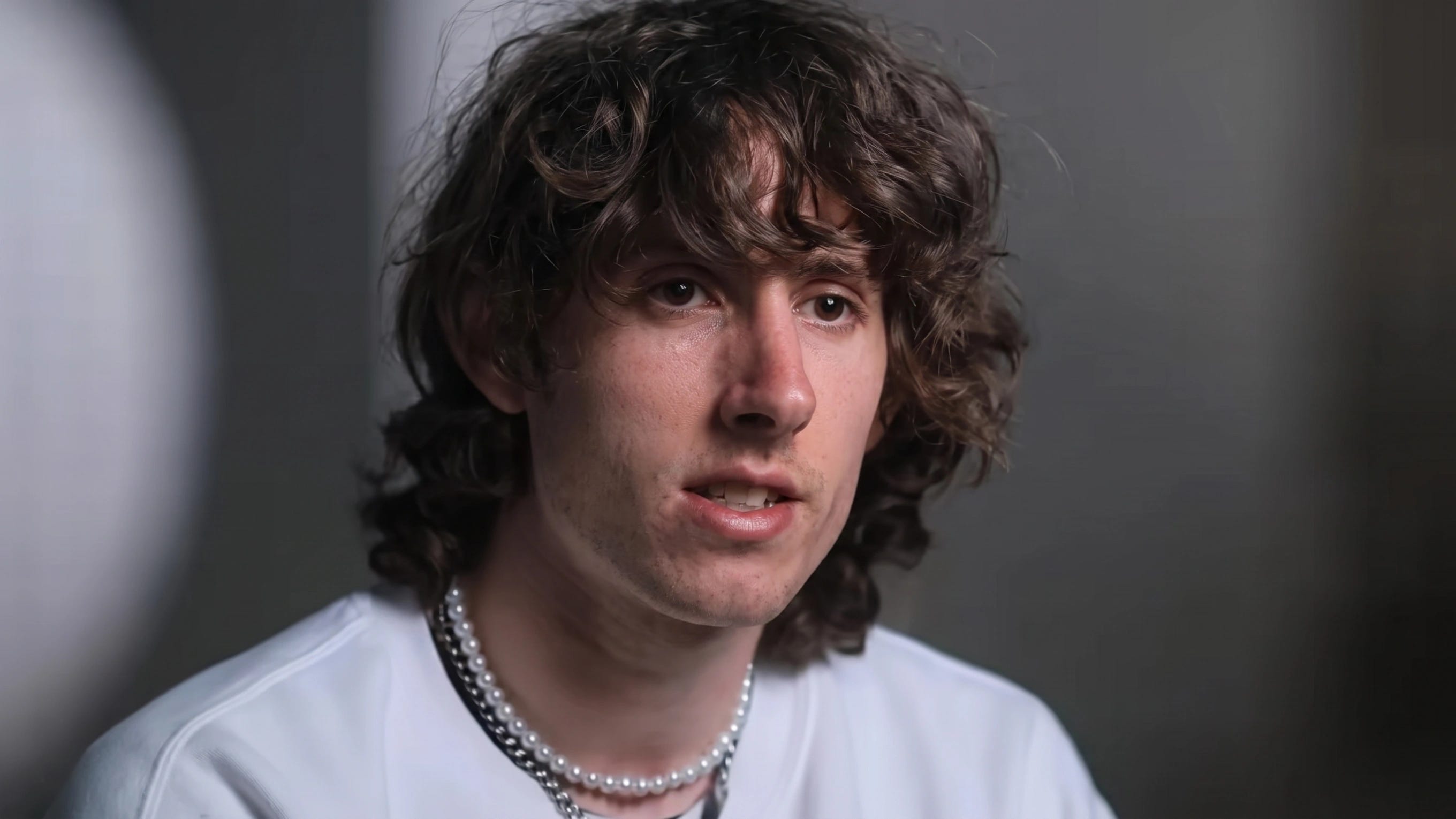
A federal judge modified the restraining order that had blocked YouTuber Reckless Ben from posting Part 3 of his viral Bricks & Minifigs investigation. The new order allows commentary and investigative journalism. Here’s the tangled LEGO legal saga, and what actually changed.
One of the strangest sagas on YouTube just hit a major turn. Reckless Ben, the creator at the center of a viral dispute involving the LEGO resale chain Bricks & Minifigs, is reportedly now free to post the long-awaited Part 3 of his investigation, after a federal court modified the order that had been keeping him quiet.
It’s the latest twist in a legal drama that mixes rare Star Wars LEGO, a defamation lawsuit, and a genuine free-speech fight. Here’s what happened, and where things stand.
What the court actually changed
Let’s start with the verified news.
On July 6, U.S. District Judge David Barlow granted a joint motion from both sides for a preliminary injunction, modifying a temporary restraining order (TRO) that had been in place. Crucially, the new order explicitly allows the defendants to engage in investigative journalism and commentary across platforms like YouTube, TikTok, and podcasts, as long as they don’t cross other lines.
That’s the key shift. Reckless Ben, whose real name is Ben Schneider, had previously said he couldn’t upload Part 3 of his Bricks & Minifigs series because the original TRO would have landed him in jail. With the order now modified to permit commentary, that specific hurdle appears to be cleared. Worth emphasizing: this was a joint motion, meaning both sides agreed to narrow the order, it’s a mutual adjustment, not one party defeating the other.
What the order still forbids
Here’s the important fine print.
The modified order is not a free pass. It still restrains the defendants from a list of specific actions, including making or encouraging threats, doxxing, trespassing, impersonating the plaintiffs or their franchisees, interfering with their businesses, or soliciting their employees and franchisees. So while Ben can now discuss and report on the case, he’s still legally bound to stay within those limits.
In short: he can talk, but the court has drawn clear boundaries around how.
Wait, what is this whole saga about?
Here’s the backstory, and it’s a wild one, with important caveats.
The dispute began with a rare Star Wars LEGO collection. According to reports, a man named Bryan Mansell consigned a large collection of Star Wars LEGO sets, said to be worth around $200,000, to a Bricks & Minifigs franchise in Oregon, reportedly to help cover medical expenses for his ailing father. When that franchise later changed hands, the collection allegedly went missing or was sold off.
Enter Ben Schneider, who investigated the situation and turned it into a viral YouTube series. His involvement escalated dramatically: he traveled to confront and attempt to serve legal papers on franchise owners, was arrested, and posted bodycam footage of the encounter that spread widely online. He now faces misdemeanor criminal charges, including stalking and trespassing, that have not been resolved.
Bricks & Minifigs’ parent company, BAM Franchising, then filed a lawsuit against Schneider and others, alleging defamation and racketeering, among other claims. It’s essential to stress that all of these allegations, BAM’s claims against Schneider, Schneider’s accusations about the missing collection, and the criminal charges, are unproven and remain matters of active litigation.
Both sides’ positions
Here’s where each party stands, fairly stated.
This isn’t a simple good-guy-bad-guy story, and both sides have staked out clear positions. BAM maintains that it bears no legal responsibility for the LEGO collection, arguing that the consignment deal was “unauthorized” and made by previous franchise owners without the company’s approval.
The company says it has since parted ways with the franchisees involved, permanently closed the store at the center of the dispute, and publicly offered to try to make things right with Mansell.
Schneider, for his part, disputes BAM’s claims, has said he intends to file counterclaims, and has framed his work as legitimate investigative journalism on behalf of someone he believed was wronged. A large portion of the online audience has rallied to his side, though public sympathy isn’t the same as a legal ruling, and the courts haven’t decided the underlying facts.
The real issue: free speech vs. defamation claims
Here’s why this matters beyond the LEGO.
Strip away the bricks, and this case sits on a genuinely important fault line: the tension between a creator’s right to comment and report, and a company’s right to protect itself from what it alleges is defamation. Restraining orders that block someone from speaking at all, so-called prior restraints, are treated as a serious matter under the First Amendment, which is likely why both parties ultimately agreed to modify the order to explicitly protect commentary and journalism.
That’s the genuinely notable takeaway here, regardless of who’s ultimately right about the LEGO. Courts are generally very cautious about broadly silencing speech before a case is decided, and this modification reflects that. It’s a reminder that even in a heated lawsuit, the ability to publicly discuss an ongoing legal fight carries real weight.
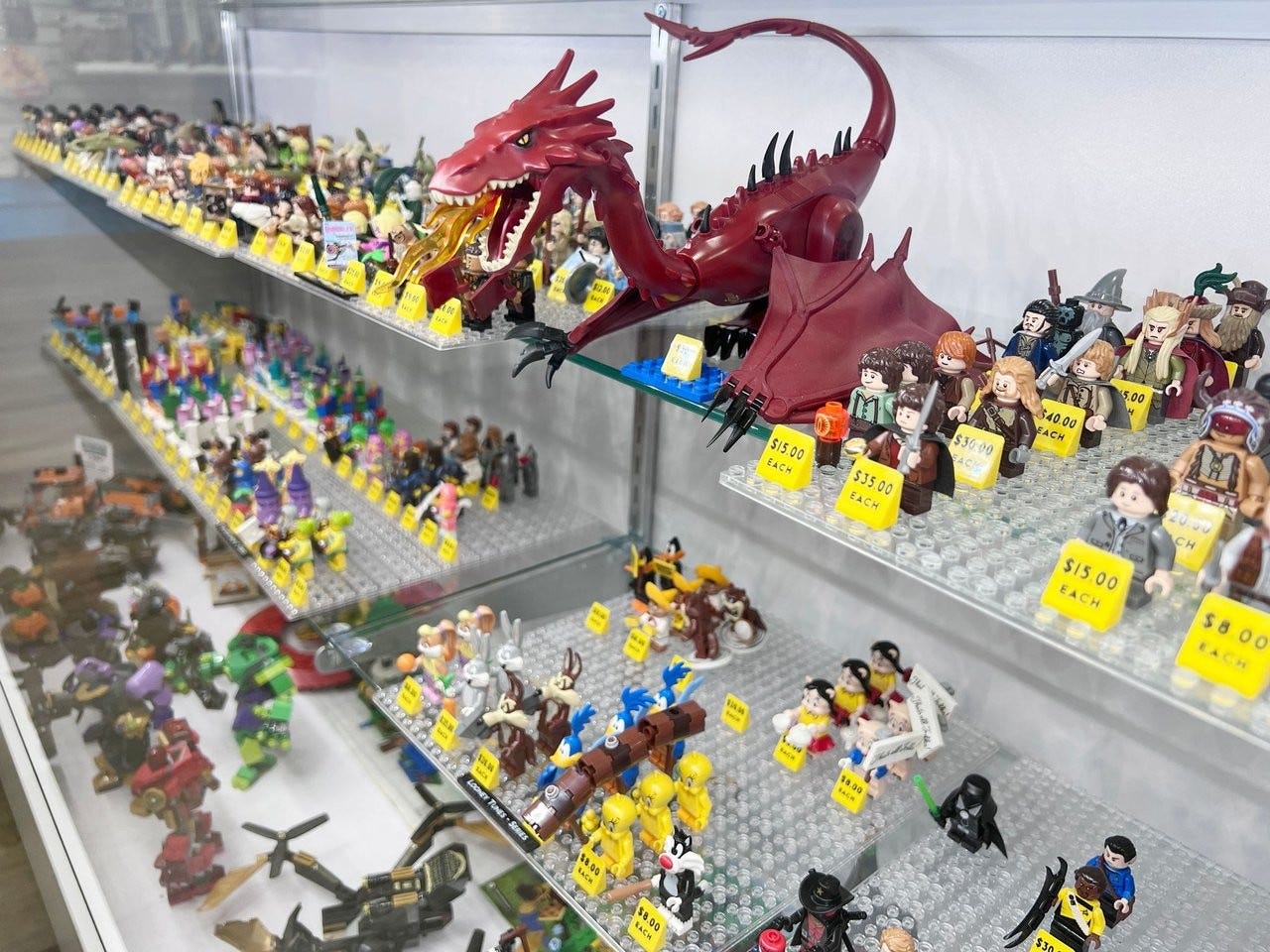
Reckless Ben and Bricks & Minifigs: what it comes down to
The headline development is straightforward: a court modified the restraining order, and Reckless Ben now appears free to post the Part 3 video his audience has been waiting on, so long as he stays within the boundaries the order still enforces. For a saga that’s kept LEGO YouTube gripped for weeks, that’s a significant moment.
But the larger case is far from over. The lawsuit continues, the criminal charges against Schneider are unresolved, and the underlying question of what happened to that LEGO collection hasn’t been settled by any court. What has been settled, for now, is that Ben gets to keep telling his side of the story. Where that story ultimately lands is still up to the legal system.
For once, the cliffhanger isn’t in the video. It’s in the courtroom.
Want More Clownfish TV?
This article was brought to you in part by The Reefers of more.clownfishtv.com. Free subscribers get articles like this one in their inbox. Paid subscribers get the full Clownfish TV podcast feed, livestreams, and members-only episodes that never hit YouTube.
D/REZZED is part of Clownfish TV. For more news, views, and rants on gaming, tech, and pop culture, watch @ClownfishTV on YouTube and find the podcast on Apple Podcasts, Spotify, and iHeart.
Article compiled and edited by Derek Gibbs (entertainment editor) and the Clownfish TV newsroom.
Hat Tips:
Dexerto and ABC4 (June-July 2026), verified for the legal developments (U.S. District Judge David Barlow granting the parties’ joint motion for a preliminary injunction on July 6, modifying the earlier temporary restraining order to explicitly permit investigative journalism and commentary across platforms while still restraining threats, doxxing, trespassing, impersonation, business interference, and solicitation; the case’s removal from Utah state court to federal court; and the mediation efforts)
Brick Fanatics and UNILAD Tech (June-July 2026), verified for the backstory (Bryan Mansell’s consignment of a reported ~$200,000 collection of rare Star Wars LEGO sets to a Bricks & Minifigs franchise in Oregon to help with his father’s medical expenses, the collection allegedly going missing after the franchise changed hands, Ben Schneider’s viral investigation, his arrest and misdemeanor charges including stalking and trespassing, and the store’s permanent closure)
Dexerto and ABC4 (May-July 2026), verified for BAM Franchising’s lawsuit against Schneider, Reckless Ben LLC, Bryan Mansell, and Victor Nguyen (alleging defamation, racketeering, and other claims), BAM’s position that it bears no legal responsibility for what it calls an “unauthorized” consignment and its offer to make things right, and Schneider’s stated intent to file counterclaims, with all allegations noted as unproven and subject to ongoing litigation