

RIP The Metaverse: Remember When Facebook Renamed Itself Meta Thinking It Was the Next Big Thing?
Meta Platforms started 2026 by laying off around 1,500 employees in its Reality Labs division, a move that highlights the fading glow of its metaverse dreams amid billions in losses and a clear shift to other priorities.
Here’s the TL;DR...
Meta cut about 1,500 Reality Labs jobs in January 2026, roughly 10% of the division, closing VR studios and scrapping metaverse tools.
Losses topped $70 billion since 2020, with a $4.97 billion Q4 2024 deficit on $1.1 billion revenue.
Metaverse hype has faded, per trends and surveys showing minimal user engagement.
The 2021 rebrand bet big on virtual worlds, but Meta now leans into AI and wearables.
Criticism focused on privacy risks, investor unease, and overhyped deliverables.

What Caused These Layoffs?
The layoffs, rolled out this week, represent about 10% of Reality Labs’ roughly 15,000 workers and hit teams tied to VR hardware like Quest headsets and the Horizon Worlds app. Executives framed it as reallocating efforts to AI and augmented reality gear, though it’s hard not to see it as dialing back a once-dominant focus.
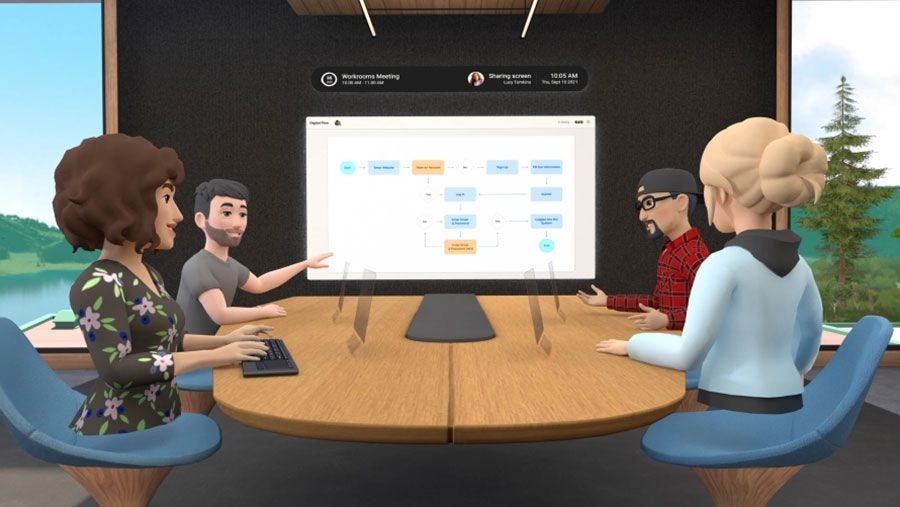
This follows earlier reductions in 2023 and 2024 that shed over 20,000 jobs across Meta. The 2026 changes shut down studios such as Twisted Pixel, Sanzaru Games, and Armature Studio, end the Workrooms virtual meeting tool, and halt commercial Quest sales to businesses.
The decisions point to Reality Labs’ heavy financial burden, with losses surpassing $70 billion since 2020. In Q4 2024 alone, the unit logged a $4.97 billion operating loss on $1.1 billion in revenue, while Quest shipments fell year-over-year.
What Exactly Was the Metaverse Supposed to Be?
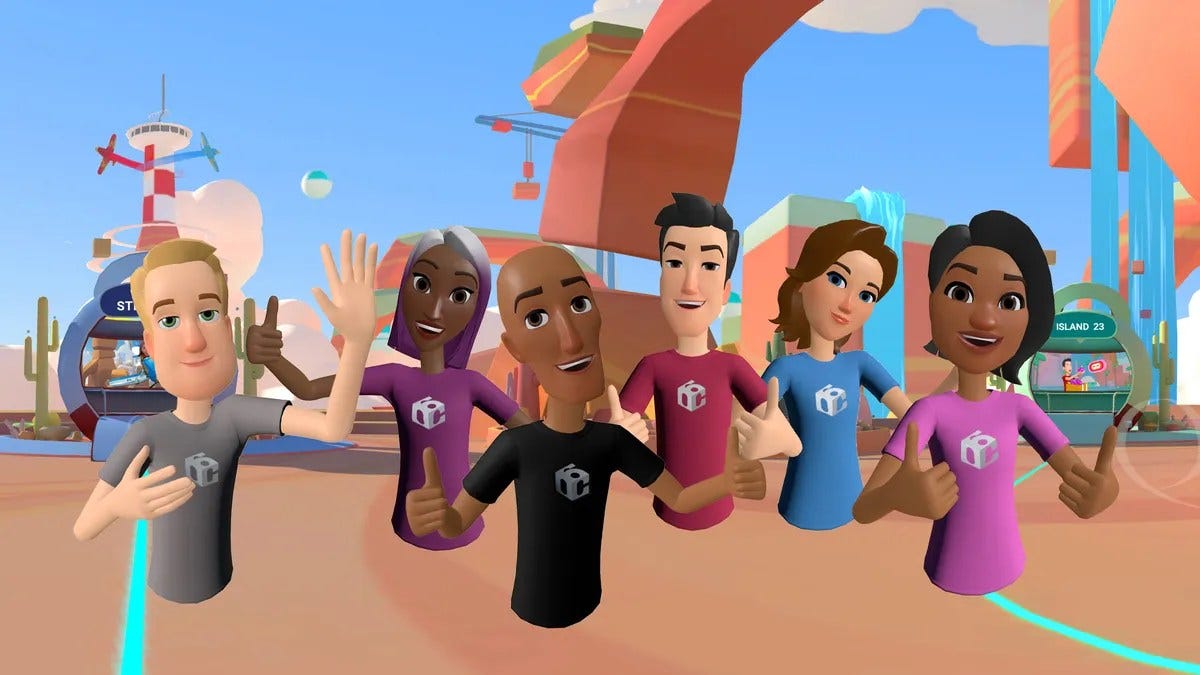
The metaverse aimed for linked virtual environments where users could interact through avatars for work, play, and social activities. Neal Stephenson introduced the idea in his 1992 novel Snow Crash, but Meta boosted it in the 2020s via VR tech and apps. Horizon Worlds was pitched as a hub for social and gaming immersion.
It gained some traction during pandemic remote needs. Yet hardware prices and user fatigue kept it from going mainstream.
Why Did Facebook Rebrand to Meta in 2021?
Facebook became Meta Platforms on October 28, 2021, at its Connect event, with CEO Mark Zuckerberg touting the metaverse as the future. The shift sought to expand past social media during privacy controversies. It built on the $2 billion Oculus purchase in 2014.
The timing aligned with peak virtual tech buzz, though doubters called it a sidestep from pressing issues.
How Much Money Did Meta Pour into the Metaverse?
Reality Labs tallied over $70 billion in losses since 2020, driven by R&D and product rolls. Reports show multibillion quarterly hits, like Q4 2024’s $4.97 billion loss. Headset sales added revenue but couldn’t balance the books.
Shareholders grew wary as spending piled up without matching growth.
What Led to the Metaverse’s Implosion by 2026?
Enthusiasm crested in 2022 before dropping from economic strains, crypto dips, and unmet buzz. Google Trends marks a steep search decline, with YouGov polls noting just 26% U.S. metaverse use in 2024. Virtual land in places like Decentraland lost up to 90% value.
It seems donning a headset for daily tasks wasn’t the game-changer promised.
How Have Layoffs Impacted Meta’s Metaverse Ambitions?
The January cuts trimmed VR content and hardware groups, delaying ongoing work. 2023’s efficiency push removed 21,000 roles total. Targeting Reality Labs signals less emphasis on broad virtual realms.
The shifts canceled multiple projects and left acquired studio teams in flux.
What Backlash Did Meta Face Over the Metaverse Push?
Advocates flagged privacy vulnerabilities in virtual setups, heightening tracking worries. Investors labeled it a resource sink. Voices like Elon Musk poked fun at the approach.
Users noted clunky avatars and sparse virtual crowds, reinforcing hype-versus-reality views.
Did Other Companies Fare Better with the Metaverse?
Microsoft wove VR into Teams via Mesh, but it stayed enterprise-limited. Apple’s 2024 Vision Pro shone in mixed-reality but hit barriers with its $3,500 cost. Roblox and Fortnite held strong via user content, topping Meta’s VR social tries.
Targeted successes outshone Meta’s wide swings.
How Has Meta Pivoted Away from the Metaverse?
Meta boosted 2025 capex to $70–72 billion, eyeing bigger 2026 outlays for AI. Emphasis moved to Llama models and app features. Reality Labs persists but narrows to AR like Ray-Ban glasses.
Zuckerberg has recalibrated VR timelines in updates.
What Lessons Can Tech Companies Learn from the Metaverse Hype?
Big bets on nascent tech need demand checks to dodge pitfalls. Meta’s path stresses step-by-step builds and user insights. Tighter rules may emerge for virtual economies and safety.
Upcoming work might weave AR into everyday routines more seamlessly.
The metaverse story spotlights tech’s ups and downs, where bold ideas meet market tests. Meta’s cuts and refocus show adaptive steps, likely steering toward steadier AI and wearable gains. It reminds firms to match ambition with what’s viable now.
Hat Tips
The New York Times, “Meta Plans to Cut Around 10% of Employees in Reality Labs Business” — January 12, 2026
CNBC, “Meta’s VR layoffs, studio closures underscore Zuckerberg’s massive pivot to AI” — January 13, 2026
Yahoo Finance, “Well, there goes the metaverse!” — January 19, 2026
TechCrunch, “Well, there goes the metaverse!” — January 19, 2026
Futurism, “Meta Lays Off Thousands of VR Workers as Zuckerberg’s Vision Fails” — January 2026
The Verge, “Meta has discontinued its metaverse for work, too” — January 15, 2026
Road to VR, “Meta Reportedly Laying Off 10 Percent of Reality Labs” — January 2026
Article Compiled and Edited by Derek Gibbs on January 20, 2026 for Clownfish TV D/REZZED.