

San Diego Comic-Con Walks Back Its AI Art Policy After Getting Bullied by Bluesky Users
San Diego Comic-Con organizers reversed their initial policy allowing AI-generated art in the 2026 art show after facing sharp criticism from artists on Bluesky. The change came swiftly as professionals in the comics industry voiced concerns over the inclusion of machine-made works alongside human-created pieces. This decision highlights ongoing tensions between traditional artists and emerging technology in creative spaces.
Here’s the TL;DR…
SDCC first permitted AI art for display only, not for sale, in its annual art show.
Artists on Bluesky, including Karla Ortiz, called out the policy as harmful to human creatives.
Backlash spread quickly, with calls to email organizers and threats to boycott the event.
Within a day, SDCC updated rules to ban all AI-generated material outright.
The reversal is viewed as a victory for artists amid broader debates on AI in the industry.
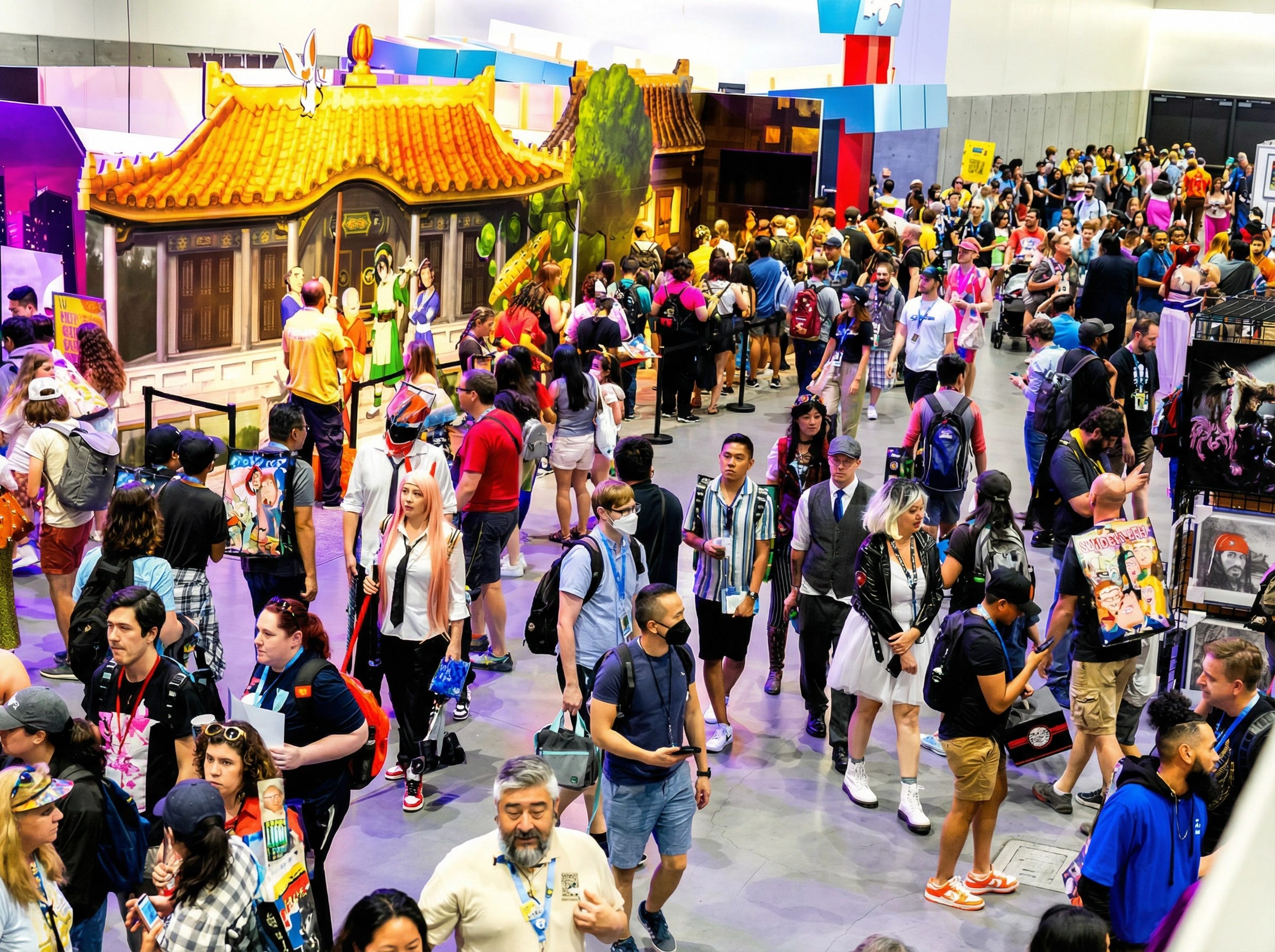
What Sparked the Controversy Over SDCC’s AI Art Rules?
Comic-Con International posted guidelines for the 2026 art show that allowed AI-produced items as not-for-sale entries. This meant participants could submit works made partially or fully by artificial intelligence, as long as they weren’t sold. The policy aimed to address questions of acceptability through the art show coordinator’s judgment.
Many saw this as a step toward normalizing AI in spaces meant to celebrate handmade comics, illustrations, and fan art. The art show, a staple of SDCC, features original drawings, paintings, and sculptures from both professionals and amateurs.
How Did Bluesky Users Drive the Backlash?
The outcry began when artist Karla Ortiz highlighted the policy on Bluesky, describing it as “gross” for opening doors to content reliant on stolen creative work. Her post urged others to contact SDCC’s art show email with objections.
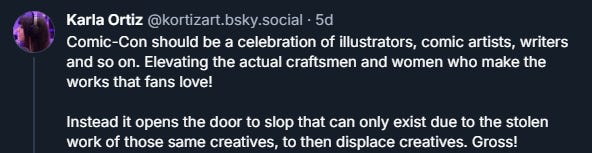
Bluesky, a platform popular among artists migrating from other social media, amplified the criticism rapidly. Posts from creators like Ron Marz and Evan Dorkin echoed Ortiz’s sentiments, with some using strong language to condemn the decision.
Who Led the Charge Against AI Inclusion?
Karla Ortiz led the charge, emphasizing how AI displaces the very artists SDCC should honor. She wrote:
“Comic-Con should be a celebration of illustrators, comic artists, writers and so on. Elevating the actual craftsmen and women who make the works that fans love!”
Other voices included Tyler Crook, who stated he would never submit work to a show displaying AI images, and Ethan Sacks, who suggested boycotts could force a reversal. Greg Pak emailed the convention and later praised the policy change on his site.
What Changes Did SDCC Make to the Policy?
SDCC updated its rules to state clearly:
“Material created by Artificial Intelligence (AI) either partially or wholly, is not allowed in the art show.”
The art show coordinator holds final say on any disputes. This full ban replaced the earlier allowance for display-only AI entries.
The revision happened within 24 hours of the initial backlash, showing the organizers’ responsiveness to community feedback. Announcements on social media and sites like Comics Beat confirmed the shift.
Why Do Artists View This as a Major Win?
Artists celebrated the ban as a stand against AI’s encroachment on creative professions. Many argue AI tools often train on unlicensed art, undermining livelihoods. The quick reversal demonstrates that organized pushback can influence event policies.
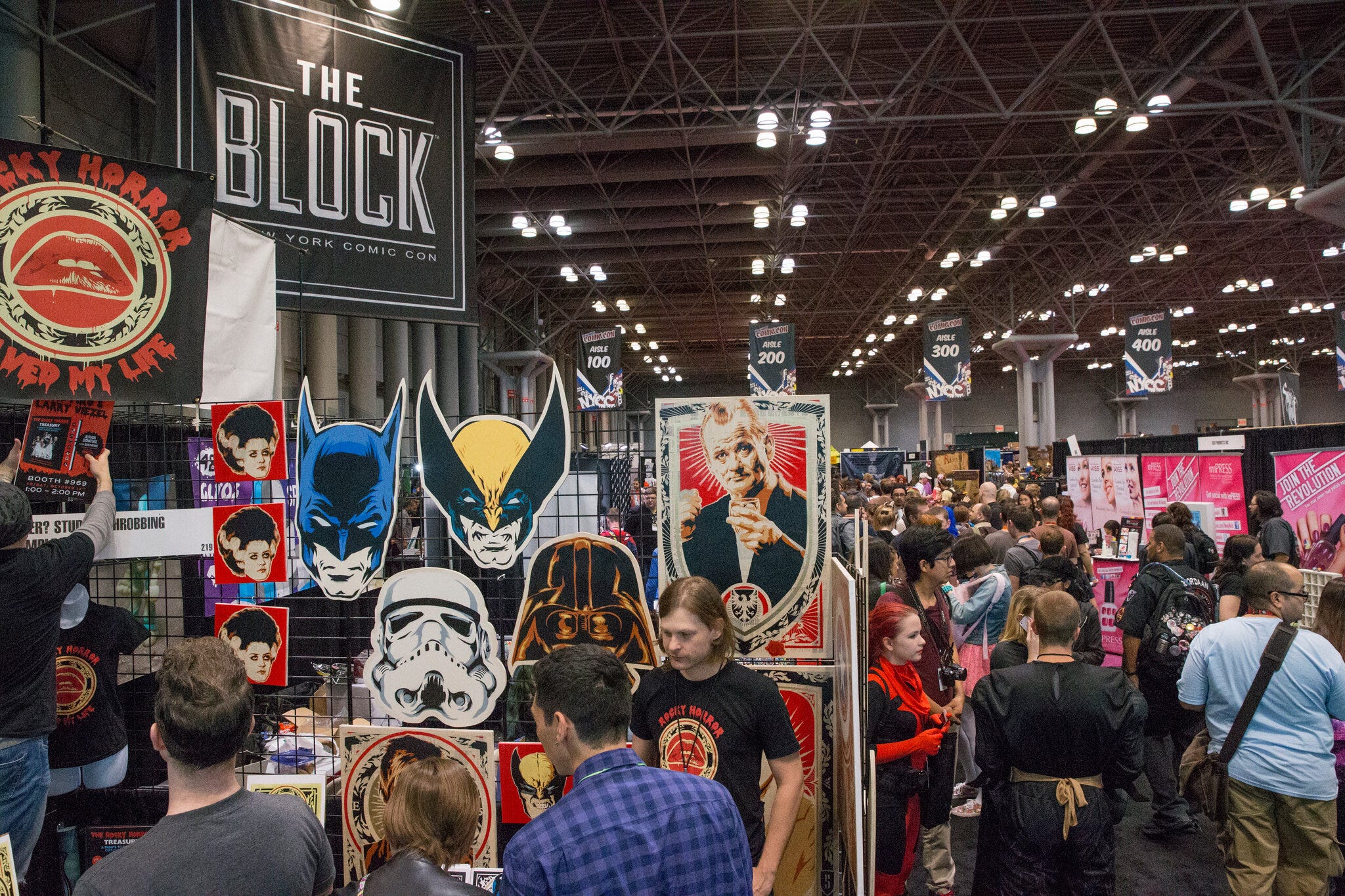
This isn’t SDCC’s first brush with AI issues; past incidents, like ejecting a vendor for selling AI art in 2023, set precedents. Broader industry trends, including bans at other cons like GalaxyCon, reflect growing resistance.
How Might This Affect AI at Future Comic Conventions?
Other events may follow SDCC’s lead, tightening rules to protect human artists. ReedPOP, behind New York Comic Con, already prohibits AI sales on exhibit floors. Debates continue on where to draw lines between tools like digital brushes and generative AI.
Artists hope this encourages platforms and companies to prioritize ethical practices. As AI evolves, conventions face pressure to balance innovation with community values.
What Broader Implications Does This Hold for the Comics Industry?
The episode underscores artists’ united front against technologies seen as exploitative. While some creators experiment with AI, many prioritize authenticity in fan-driven spaces. SDCC’s art show remains a venue for genuine talent.
This reversal could inspire similar actions elsewhere, fostering environments where human creativity thrives without competition from algorithms. It also highlights social media’s role in shaping industry standards, with Bluesky emerging as a key hub for artist advocacy.
SDCC’s policy flip serves as a reminder that community voices can steer major events toward supporting core values in comics and pop culture. As preparations for the 2026 convention ramp up, artists can focus on showcasing their skills without the shadow of AI debates. This outcome reinforces the importance of protecting creative integrity in an era of rapid tech change, offering a blueprint for handling similar conflicts ahead.
Hat Tips
Comics Beat, “SDCC changes art show policy, bans AI-created material,” January 18, 2026
Comics Beat, “San Diego Comic-Con under fire for allowing AI at 2026’s Art Show,” January 19, 2026
80 Level, “San Diego Comic-Con Will Not Allow AI-Created Materials at the Event,” January 19, 2026
Anime News Network, “San Diego Comic-Con Bans AI-Generated Material in Art Show,” January 19, 2026
Bleeding Cool, “After two years of no-one noticing, SDCC changes the A.I. policy of its art show and bans it,” January 19, 2026
Forbes, “Fan Conventions Are Drawing The Line On AI ‘Slop’,” September 4, 2025
Article Compiled and Edited by Derek Gibbs on January 19, 2026 for Clownfish TV D/REZZED.
This is just the new flavor or woke.
Solution is simple, boycott anyone who bends the knee.