

Sega says it still values physical media as Sony phases discs out
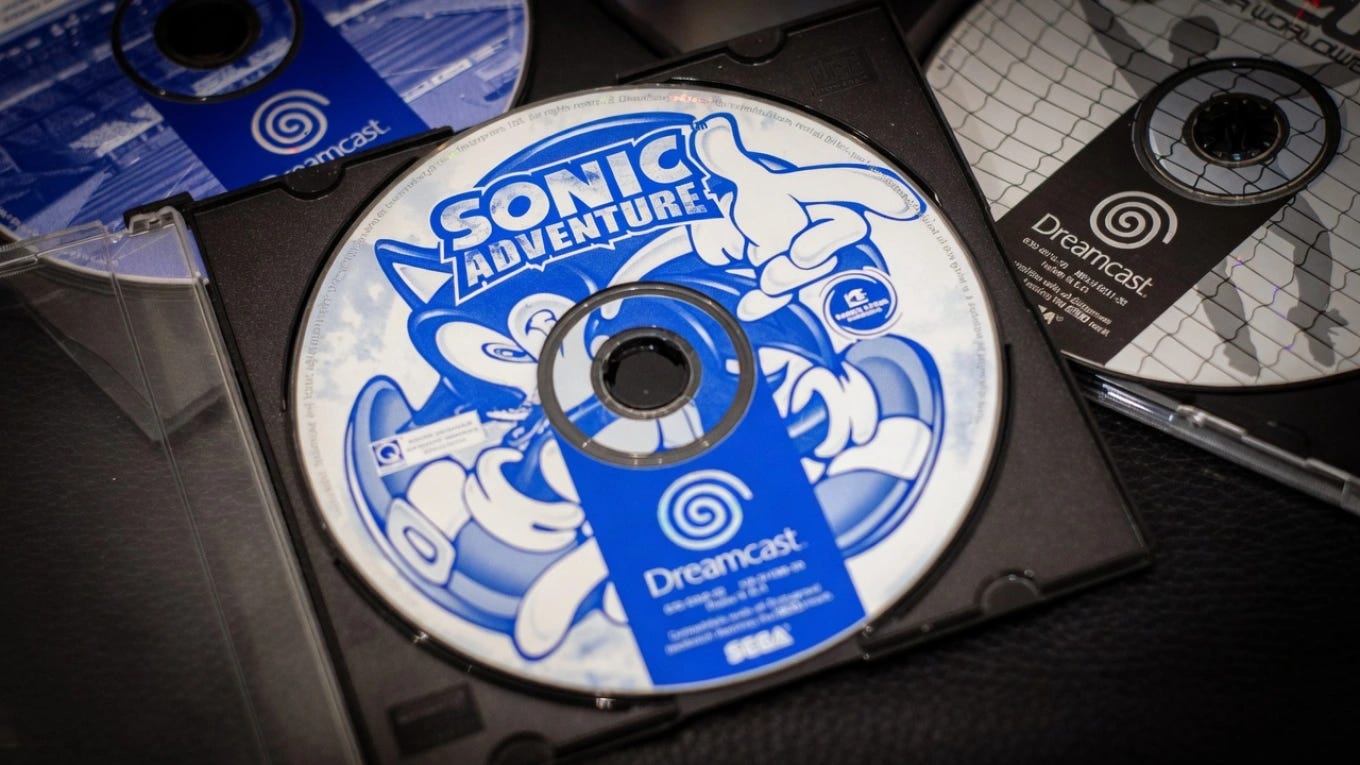
Sega president Shuji Utsumi told Famitsu the company won’t walk away from physical releases, three weeks into the backlash over Sony’s plan to stop making discs in 2028. Utsumi is also the man who wrote the business plan for the first PlayStation.
Sony is ending physical discs for new PlayStation games in January 2028. Sega would like everyone to know it isn’t doing that.
Speaking to Famitsu in an interview published Thursday, Sega president and COO Shuji Utsumi was asked directly about physical software, in the context of Sony’s decision and the noise that has followed it.
What he said
Utsumi’s answer, via machine translation from the Japanese:
“Since we started out as a platform provider, we naturally still value the culture of physical retail. Rather than completely abandoning that, we’re currently working to make the shift so that we can operate while simultaneously taking into account the important aspects of the digital realm.”
Two caveats. It’s a translation, and the English renderings floating around differ — one has him saying “physical culture,” another “the culture of physical retail,” which are not quite the same sentiment. And it was one answer in a long interview that also covered Sonic movies and Sega’s legacy-revival projects, not a policy announcement.
What’s clear enough through the translation: no plan to abandon physical, and an intention to run both.
The backdrop
This lands in the middle of the worst consumer-relations stretch PlayStation has had in years.
Sony confirmed earlier this month that new PlayStation games stop shipping on discs from January 2028. Existing discs still work and retail boxes will carry download codes, but new releases go digital-only.
Players have not moved on. There’s a Dutch legal action representing roughly 1.7 million users, a petition well past 170,000 signatures, and former PlayStation boss Shawn Layden publicly breaking with his old employer. Every PlayStation social post since has been swarmed with disc complaints regardless of subject.
Sony has said essentially nothing. Into that silence walks a competitor with a friendly quote.
Utsumi built the thing he’s declining to copy
Here’s the part that makes this more than corporate positioning.
Before Sega, Utsumi spent time at Sony Computer Entertainment America. Over a 30-year career he produced the business plan for the first PlayStation, oversaw first-party development on the Dreamcast — Sonic Adventure, Crazy Taxi, Jet Set Radio, Space Channel 5 — and, at Disney, helped assemble the deal with Square Enix that became Kingdom Hearts.
So the executive publicly declining to follow PlayStation off physical media is a man who helped invent PlayStation. He’s been president and COO of Sega since April 2024, and also runs Sega of America and Sega Europe.
What Sega can actually deliver
Now the limit, because a pledge is only worth what the pledger controls.
Sega doesn’t press its own discs. Sony does. If Sony stops manufacturing PlayStation discs for new titles in 2028, Sega cannot ship a physical PlayStation game after that date no matter how much it values physical retail. Third-party publishers don’t get an exemption from the platform holder’s manufacturing decisions.
In practice, Sega’s commitment means Nintendo cartridges, PC releases, and whatever Xbox decides — Microsoft is drifting the same direction — plus its own Japanese retail business, where physical remains far healthier than in the West.
That’s a real commitment. It’s also a narrower one than the headline suggests.
Why this is easy for Sega to say
The honest read is that Sega’s position costs Sega very little.
Sony has a structural reason to want digital: it takes roughly 30% of every sale through the PlayStation Store. Every disc sold at a retailer is a sale Sony doesn’t fully monetise, and every used disc resold is a sale it gets nothing from.
Killing physical isn’t just cost-cutting, it’s routing all transactions through a storefront Sony owns.
Sega owns no storefront. It sells its games through everyone else’s. For a third-party publisher, physical retail is a distribution channel, not a threat to a platform margin.
Sega gets to be the good guy here partly because it lost the hardware war 25 years ago and never got back in.
Which doesn’t make the statement worthless. Publishers with no obligation to say anything have mostly said nothing, and Sega’s is the first clear commitment from a major Japanese publisher since the Sony announcement. Utsumi didn’t have to answer the question at all.
He answered it in the same interview where he talked about reviving Crazy Taxi and Jet Set Radio, which is a fairly on-brand week for a company currently selling its own history back to the people who bought it the first time.
Article compiled and edited by Derek Gibbs (entertainment editor) and the Clownfish TV newsroom.
D/REZZED is part of Clownfish TV. For more news, views, and rants on gaming, tech, and pop culture, visit clownfishtv.com. Watch the show on YouTube at @ClownfishTV where new episodes drop daily. Subscribe to the Clownfish TV podcast on Apple Podcasts, Spotify, iHeart, and wherever else you get your podcasts. Sign up for the free newsletter at more.clownfishtv.com.
Hat Tips:
Famitsu — the original interview with Shuji Utsumi covering physical media, Sega’s legacy revivals, and the Sonic film franchise
Gamereactor / My Nintendo News — the translated Utsumi quotes and the framing against Sony’s 2028 decision
The Game Business — Utsumi’s career background, including his role in the first PlayStation business plan, Dreamcast first-party development, and the Kingdom Hearts deal
Earlier reporting — Sony’s January 2028 disc cutoff, the download-codes-in-boxes detail, the Dutch legal action, the petition, and Shawn Layden’s criticism