

Sony’s 85% digital sales figure misleading. Gamers still buy physical discs.
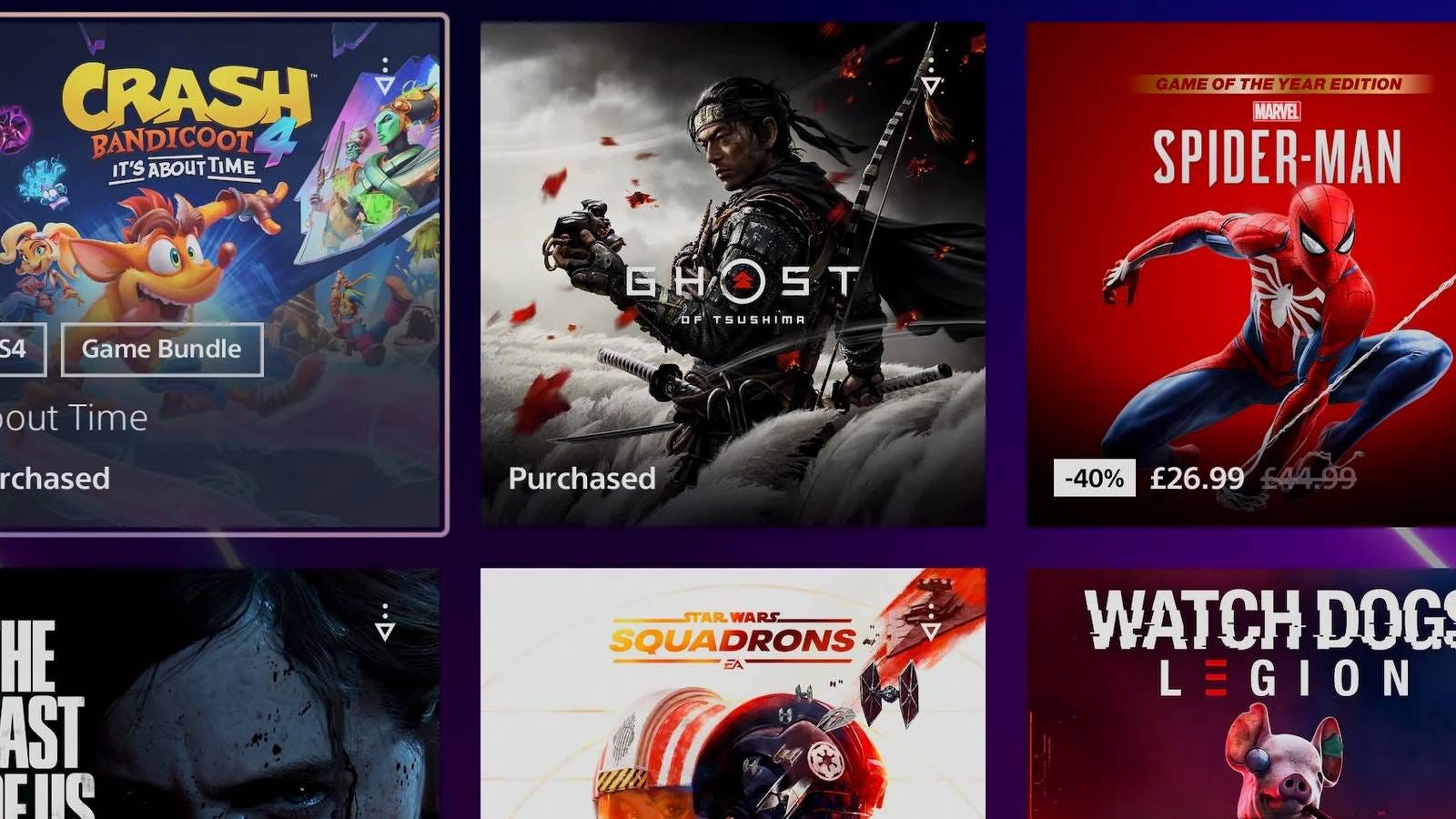
Sony says 85% of PlayStation game sales are now digital, and it’s using that to justify killing discs. The number is real, but it may be misleading. Here’s the data suggesting physical demand is far bigger than Sony lets on, and why this is really about profit margins.
When Sony announced it’s ending physical PlayStation discs in 2028, it leaned on a striking statistic: 85% of full-game sales are now digital. Case closed, right? Players have spoken, discs are dead.
Not so fast. A growing chorus of critics argues that number, while technically true, is genuinely misleading, and that when you look closer, physical demand is far healthier than Sony lets on. So is Sony being straight with us? Here’s the honest breakdown.
First, the number is real
Let’s be fair to Sony up front: it isn’t making the figure up.
According to Sony’s own financial results for the quarter ending March 31, 2026, 85% of full-game software sales on PS4 and PS5 were digital, a record high (the two-year average is closer to 78%). And the revenue gap is even more dramatic: that quarter, digital software brought in roughly $1.5 billion versus just $109 million for physical. By raw dollars, digital dominates. That part is not in dispute.
So no, Sony isn’t fabricating data. The real question is what that 85% actually measures, and that’s where it gets slippery.
Why the 85% figure is misleading
Here’s the core problem, and it’s a big one.
That 85% counts every full-game sale, including the thousands of games that are digital-only in the first place, indie titles, back-catalog re-releases, smaller download-only games, and yes, plenty of shovelware. The PS5’s library has thousands more digital-only titles than disc releases. If a game was never sold on a disc, of course it sells “100% digital”, but that tells you nothing about whether players would’ve bought a disc if offered one.
In other words, the number is padded by a huge volume of games that never had a physical option. As one widely-shared analysis put it: you might read “85% digital” and assume that for every 100 copies of God of War sold, only 15 were on disc. That’s not what it means at all.
To actually measure whether people prefer discs, you have to look at games released both ways. And there, the story flips.
Sony’s own leaked data tells a different story
Here’s the most damning part, and it comes from Sony itself.
Thanks to the 2023 Insomniac Games data leak, we have Sony’s internal physical-vs-digital splits for its first-party games. And they show that most PlayStation tentpole titles sold majority physical:
God of War Ragnarök: ~76% physical
Marvel’s Spider-Man 2: ~54% physical
Ghost of Tsushima: ~51% physical
Uncharted 4: an estimated ~83% physical
By that internal data, the vast majority of Sony’s first-party games from the chart sold more on disc than digitally. The big exceptions were live-service and annual titles like MLB The Show, games people launch daily and don’t want to swap discs for, which naturally skew digital and drag the average up.

“But that data is old”
Here’s the obvious objection, and the answer to it.
Fair pushback: the Insomniac leak only runs through about 2022. Has everything flipped since? The evidence says no, not dramatically. Take Astro Bot, Sony’s big first-party hit from late 2024: European retail tracking (GSD) showed roughly 60% of its sales were physical. A 2024 game, still majority disc. Recent regional charts show single-player, big-marketing tentpole games, the exact kind PlayStation is known for, continue to sell heavily physical.
The trend is still drifting digital over time, no one serious disputes that. But “declining slowly” and “dead” are very different things, and the 85% figure makes a slow decline look like a total collapse.
So why is Sony really doing it? Follow the money
Here’s the part that cuts through everything.
If physical still sells this well for Sony’s biggest games, why kill it? The most honest answer isn’t “consumers demanded it”, it’s profit margins.
Digital is simply far more lucrative for Sony:
On digital sales, Sony keeps a much larger share of the money. On physical, it surrenders a cut to manufacturers and retailers.
Digital-only eliminates the used-game market entirely. No more reselling, lending, or trading in discs, which means no more sales Sony doesn’t get a piece of.
It funnels all revenue through the PlayStation Store, giving Sony total control over pricing, sales, and availability.
Viewed that way, this looks less like Sony responding to what players want, and more like a business decision to maximize margins and control, using a technically-true-but-flattering statistic as cover.
Is Sony lying? The honest answer
So, is Sony lying about digital sales to justify ending discs? Not exactly, and the distinction matters.
The 85% figure is real, pulled straight from audited financials, and digital genuinely does generate the lion’s share of Sony’s game revenue. Anyone claiming discs are still king is kidding themselves. But critics are right that the number is being used misleadingly: it’s inflated by digital-only releases, it obscures that Sony’s own marquee games still sell heavily on disc, and it’s deployed to frame a profit-driven decision as simply bowing to consumer preference.
The truth sits in the messy middle. Physical media is declining, but it’s nowhere near as dead as “85% digital” implies, especially for the single-player blockbusters that are PlayStation’s whole identity. Sony isn’t lying about the data. It’s just letting a convenient number tell a simpler story than the real one.
And the real story is the oldest one in business: this was always about the money.
Want More Clownfish TV?
This article was brought to you in part by The Reefers of more.clownfishtv.com. Free subscribers get articles like this one in their inbox. Paid subscribers get the full Clownfish TV podcast feed, livestreams, and members-only episodes that never hit YouTube.
D/REZZED is part of Clownfish TV. For more news, views, and rants on gaming, tech, and pop culture, watch @ClownfishTV on YouTube and find the podcast on Apple Podcasts, Spotify, and iHeart.
Article compiled and edited by Derek Gibbs (entertainment editor) and the Clownfish TV newsroom.
Hat Tips:
@nib95_ (via X) (July 2026), the originating thread that assembled this argument, credited for compiling the physical-vs-digital analysis (the digital-only-releases context, the Insomniac first-party splits, the live-service skew, and the platform royalty/margin breakdown) that sparked the wider discussion
Sony FY25 Q4 financial results, Push Square, and CBC News (May-July 2026), verified for the actual figures (85% digital full-game sales in the quarter ending March 31, 2026, the 78% two-year average, the ~$1.5 billion digital vs. ~$109 million physical revenue split, and analyst Daniel Ahmad’s note that ~70 million physical PlayStation games still sold in 2025)
ResetEra, NeoGAF, and Install Base (Insomniac leak data) plus GSD/Circana retail tracking (2023-2026), verified for the first-party physical-majority splits (God of War Ragnarök ~76% physical, Spider-Man 2 ~54%, Uncharted 4 ~83%, MLB The Show as the digital-skewing live-service exception), the ~60% physical European split for the late-2024 Astro Bot, and the profit-margin analysis (Sony’s larger revenue share on digital, the elimination of the used-game market, and full PlayStation Store control)