

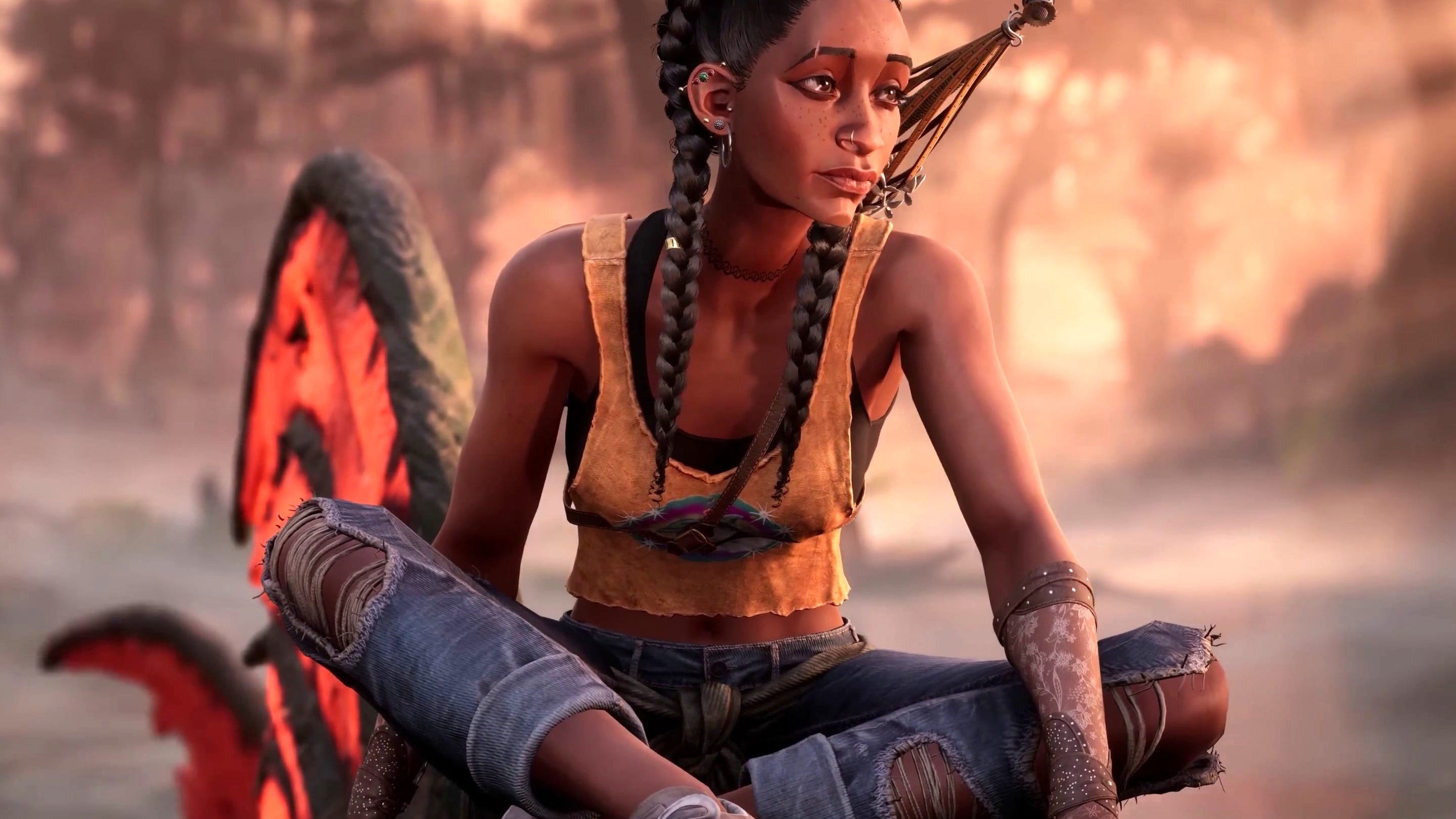
Compulsion Games has replaced Xbox Game Studios as the publisher of South of Midnight on Steam, months after Microsoft spun the studio off during layoffs that cut thousands of jobs. The studio kept the rights to all three of its games.
South of Midnight now lists Compulsion Games as its publisher on Steam, rather than Xbox Game Studios.
The change was spotted on SteamDB by Respec and appeared on August 11. It’s a small database edit with a real consequence: revenue from Steam sales now goes to the Montreal studio that made the game.
The reason it happened is less cheerful.
How Compulsion got here
The studio was spun out during one of the worst months the industry has had.
Microsoft announced in July that it was cutting five studios and thousands of jobs across Xbox. Compulsion was one of the studios released, alongside Double Fine, which then announced layoffs of its own shortly after going independent.
Compulsion said it would return to independent management following its time as part of Xbox, and confirmed it retained the rights to all three of its games: Contrast, We Happy Few, and South of Midnight.
Some Compulsion staff lost their jobs in the same restructuring. Independence here wasn’t a strategy the studio chose so much as the better of two outcomes, given reporting that Xbox had considered closing it outright.
What actually changed, and what hasn’t
The transition is visible but incomplete.
Steam shows Compulsion as publisher. The Microsoft Store still carries Xbox branding, and the PlayStation Store still lists Microsoft Corporation, so the game is presented differently depending on where you look. The Steam copyright line still credits Microsoft as well.
Console versions will presumably follow if the rights transfer completes across platforms, but nothing has been confirmed on that.
Why players noticed
The change got more attention than a storefront edit normally would, for a specific reason.
South of Midnight follows Hazel, a young woman searching for her missing mother through a folklore-soaked version of the American Deep South. It won a BAFTA, drew praise for its visuals, performances, and Olivier Derivière’s score, and landed with critics somewhere between admired and divisive.
It also had players who wanted to support the game but not Microsoft. With Compulsion self-publishing on Steam, that objection no longer applies there, and several outlets framed the update as removing the last obstacle for people who’d been holding off.
Compulsion has said it’s looking for partners for new projects. For now, the studio owns its catalogue, collects its own Steam revenue, and is smaller than it was in June. That’s the shape independence takes when it arrives this way: real ownership, arrived at through a layoff round nobody asked for.
Article compiled and edited by Derek Gibbs (entertainment editor) and the Clownfish TV newsroom.
D/REZZED is part of Clownfish TV. For more news, views, and rants on gaming, tech, and pop culture, visit clownfishtv.com. Watch the show on YouTube at @ClownfishTV where new episodes drop daily. Subscribe to the Clownfish TV podcast on Apple Podcasts, Spotify, iHeart, and wherever else you get your podcasts. Sign up for the free newsletter at more.clownfishtv.com.
Hat Tips:
Respec (August 2026), verified for the SteamDB publisher change from Xbox to Compulsion Games, the Steam copyright line still listing Microsoft, and the console listings not yet updating
Video Games Chronicle (August 2026), verified for the August 11 change date, Microsoft’s July announcement cutting five studios and thousands of jobs, Compulsion being among them, and the studio seeking partners for new projects
Shacknews (August 2026), verified for Compulsion going independent alongside Double Fine, Double Fine’s subsequent layoffs, and reporting that Xbox had considered shutting Compulsion down
Kotaku and VGTimes (August 2026), verified for proceeds now going to the studio rather than Xbox, Compulsion retaining the rights to Contrast, We Happy Few and South of Midnight, the differing publisher listings across storefronts, and the game’s premise and reception