

SpaceX just pulled off the biggest IPO in history, asterisks included
SPCX opened at $150, touched $176, and closed at $161.11 on Friday, valuing Elon Musk’s rocket-and-AI company above $2 trillion. The loss column and the governance fights came along for the ride.
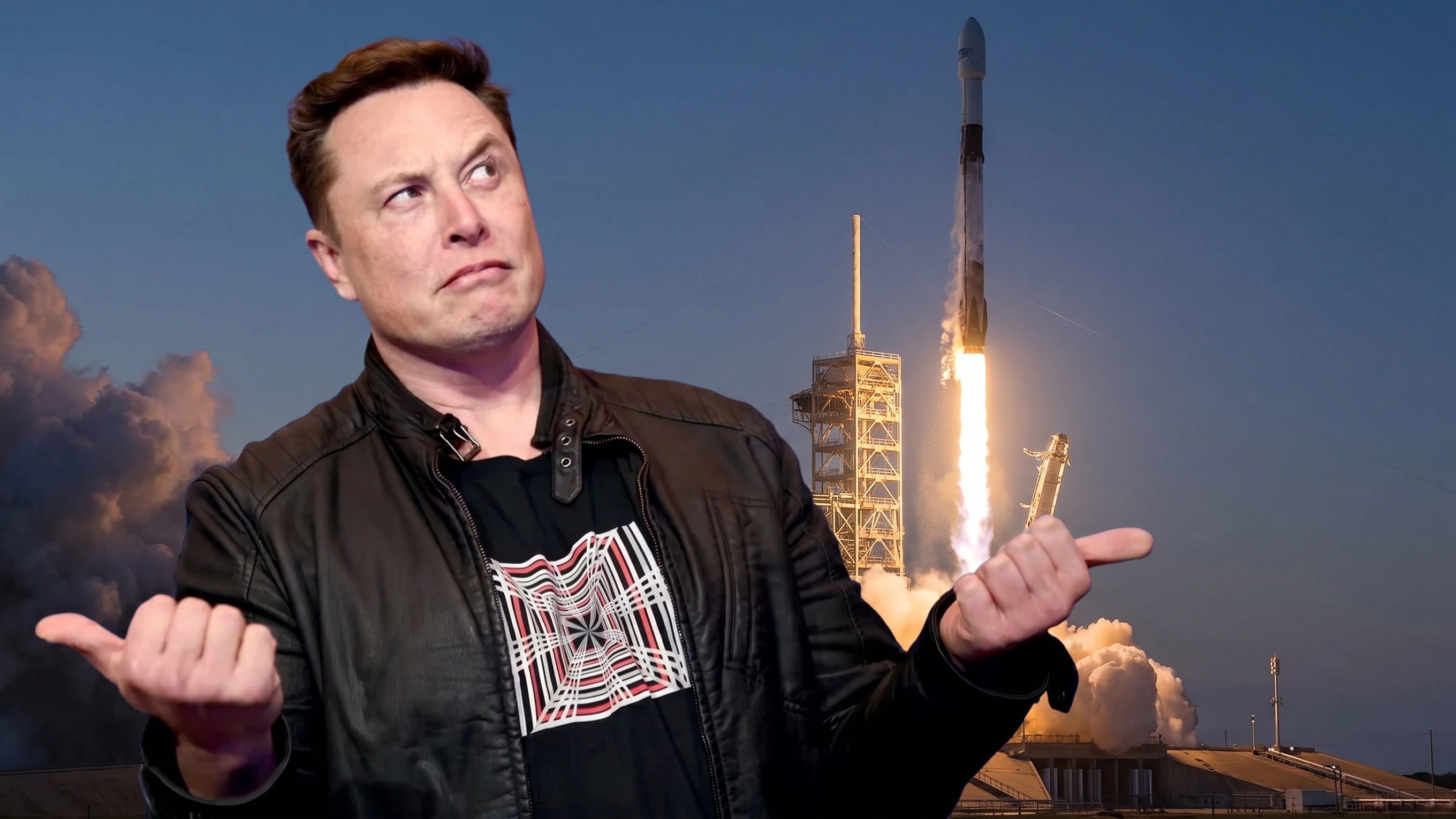
To the moon or not?
SpaceX is a public company now, and Day One went about as well as the bulls could have scripted. Shares opened at $150 on the Nasdaq under the ticker SPCX, 11 percent above the $135 IPO price, ran as high as $176.52 midday, and closed at $161.11, up just over 19 percent.
The company raised roughly $75 billion selling more than 555 million shares, making it the largest IPO in stock market history. The closing price values SpaceX around $2.1 trillion, instantly one of the biggest listed companies in the United States and, per CNN’s math, the sixth largest.
And the day minted Elon Musk as the world’s first trillionaire.
How Day One actually went
By the mechanical measures, smoothly. More than 500 million shares changed hands, a volume approaching Facebook’s 2012 debut record. CNBC reported retail buying was on track to blow past the first-day record individual investors set with Coinbase in 2021. Analysts told CNN the debut showed healthy gains with limited volatility, which for an offering this size is the whole ballgame.
Musk rang the opening bell remotely from Starbase, Texas, while President Gwynne Shotwell and CFO Bret Johnsen handled the ceremony at the Nasdaq in New York. Musk spent the afternoon posting victory laps, telling employees on X, “I love the incredible people of SpaceX beyond words.“
Index inclusion comes next. SPCX is expected to land in the Nasdaq 100 and Russell indexes within days, which puts the stock into index funds and, by extension, a whole lot of 401(k)s whether those account holders ever clicked buy or not.
The asterisks
Here’s the part the confetti coverage glosses over. SpaceX is not profitable. The prospectus showed a $4.3 billion net loss in the first quarter alone, driven largely by the AI side of the house.
That AI side is the controversy engine. SpaceX absorbed Musk’s xAI in an all-stock merger before the listing, and the company’s claimed $28 trillion market opportunity attributes 90 percent of that figure to xAI, according to an analysis cited by Yahoo Finance. Critics have called the merger self-dealing, since Musk effectively sold his own AI company to his own rocket company and then took the combined entity public.
Morningstar ran a discounted cash flow on the business and came up with $780 billion, well under half the IPO valuation. Its analysts wrote that uncertainty around the business is “very high“ and flagged Musk’s split attention across Tesla and his other ventures as a governance complication. Morningstar’s Lindsey Stewart separately told ESG Dive that institutional investors have concerns about the dual-class share structure, the board’s composition, and the company’s Texas domicile.
Senator Elizabeth Warren reportedly sent the SEC a 12-page letter urging a delay, citing conflicts of interest and the accounting treatment of the xAI merger. Reporting from Reuters and Fortune, circulated widely before the listing, also described a roughly $20 billion GPU leasing arrangement between an xAI-affiliated subsidiary and Valor Equity, the firm run by Musk ally and SpaceX board member Antonio Gracias, with billions in related debt landing on SpaceX’s balance sheet. Governance experts quoted in that coverage questioned the fair-value disclosures.
None of it slowed the offering down. Moody’s, Fitch, and S&P reportedly handed the company investment-grade ratings anyway.
Musk keeps about 42 percent of the shares and 82.4 percent of the voting power. Public shareholders are buying economic exposure, not a say.
What happens after the party
Renaissance Capital strategist Matthew Kennedy summed up the bull case to Yahoo Finance better than the bulls did: “some stocks are expensive and stay expensive.“ The bear case is the long history of mega-IPOs that popped on day one and spent the next year underwater. A Truist analysis found more than half of 30 large tech IPOs were negative a year out.
So tally it up. Biggest IPO ever. First trillionaire. A $2.1 trillion sticker on a company that lost $4.3 billion last quarter. A Morningstar model that says the whole thing is worth a third of the price. And index funds about to buy in automatically on behalf of millions of people who will never read the prospectus.
Friday answered whether SpaceX could go public. Whether it can stay a $2 trillion company is the part nobody gets to know yet.
Article compiled and edited by Derek Gibbs (entertainment editor) and the Clownfish TV newsroom.
D/REZZED is part of Clownfish TV. For more news, views, and rants on gaming, tech, and pop culture, visit clownfishtv.com. Watch the show on YouTube at @ClownfishTV where new episodes drop daily. Subscribe to the Clownfish TV podcast on Apple Podcasts, Spotify, iHeart, and wherever else you get your podcasts. Sign up for the free newsletter at more.clownfishtv.com.
Hat Tips:
CNBC (June 12, 2026), live coverage, verified for the open, close, intraday high, volume, retail-record pace, and the bell ceremony
NPR (June 12, 2026), verified for the raise total, share count, Q1 net loss, and the Morningstar valuation and analyst commentary
NBC News (June 12, 2026), verified for the trillionaire milestone and Musk’s pre-open remarks
CNN Business (June 12, 2026), verified for the closing valuation, sixth-largest ranking, and Musk’s employee post
Yahoo Finance / AP (June 12, 2026), verified for Musk’s ownership and voting power, index inclusion expectations, the xAI market-opportunity analysis, and the Kennedy and Truist commentary
ESG Dive (June 8, 2026), verified for the Morningstar institutional governance concerns on share structure, board, and domicile
Reuters and Fortune via aggregated financial coverage (May-June 2026), attributed for the Warren letter, the Valor Equity lease arrangement, and the credit ratings