

Steam Deck price hike confirms the $1,000 console era has arrived
Valve’s 40%+ price increase, Sony’s PS6 hesitation, and AI’s DRAM crunch are all pushing flagship gaming hardware toward $1,000 as the new normal.
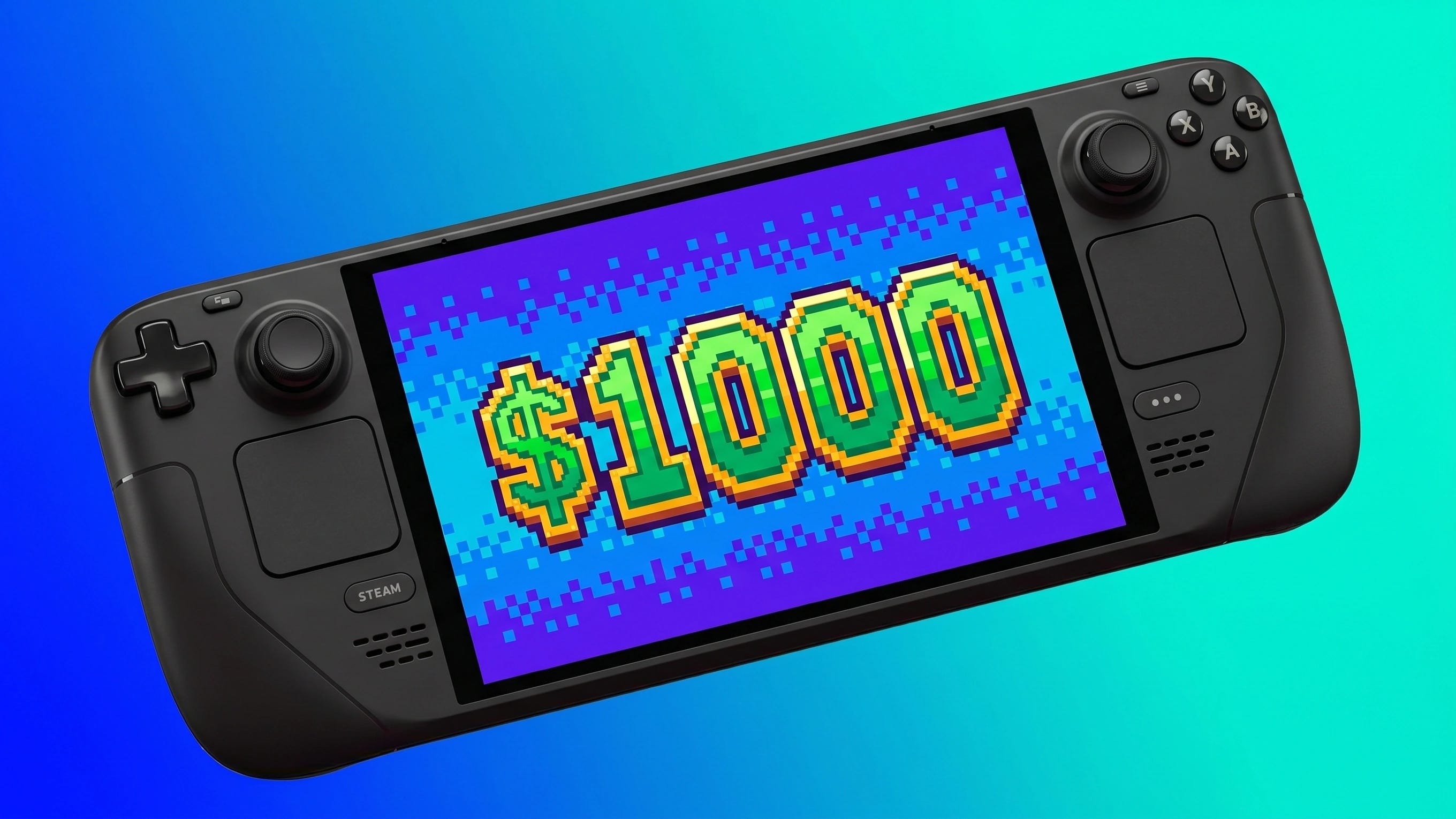
The days of relatively affordable gaming hardware are fading fast. Valve‘s decision on May 27, 2026 to jack up Steam Deck OLED prices by more than 40%, paired with Sony‘s very public anxiety about pricing the PlayStation 6, makes one thing increasingly clear. $900 to $1,100+ is becoming the new baseline for flagship gaming devices.
Steam Deck just got significantly more expensive
On May 27, 2026, Valve announced major price increases for the Steam Deck OLED in the United States, first spotted by deal tracker Wario64.
The 512GB Steam Deck OLED jumped from $549 to $789, an increase of $240 or roughly 44%. The 1TB Steam Deck OLED went from $649 to $949, a $300 increase or roughly 46%.
“Steam Deck itself hasn’t changed; these new prices reflect the current state of component costs and other global logistical challenges across the industry as a whole. We’ll keep you updated if anything changes,” Valve said in its announcement.
The original Steam Deck launched at $399 in February 2022. The LCD model was officially discontinued in December 2025, although Valve-certified refurbished units are still available at the older prices.
Steam Machine’s launch is being delayed by the same problem
The Steam Deck price hike came alongside ongoing uncertainty about the Steam Machine, Valve’s upcoming streamlined PC gaming device. The Steam Machine and the Steam Frame VR headset were originally targeted for the first half of 2026, but both have been indefinitely delayed due to the same RAM shortage driving up Steam Deck prices.
Earlier leaks, reported by Vice and ScreenRant, found code in Valve’s hardware reservation system referencing pricing in the thousands of euros, roughly $1,167 at current exchange rates. Leaks from a Czech retailer suggested $950 for the base 512GB model and $1,070 for the 2TB version. Most analysts and community speculation now place the Steam Machine in the $800 to $1,100 range, with many expecting Valve to target $999 to stay below the psychological $1,000 mark.
Today’s Steam Deck price hike makes those Steam Machine numbers feel even more plausible.
Current-gen consoles have all climbed in 2026
Sony has raised prices multiple times. Effective April 2, 2026, the company’s U.S. prices climbed across the board, blaming “continued pressures in the global economic landscape.”
The PS5 Disc Edition is now $649.99, the PS5 Digital Edition is $599.99, the PS5 Pro is $899.99, and the PlayStation Portal is $249.99.
The PS5 Pro launched in late 2024 around $699 to $750. The current $899.99 price represents a roughly $150 increase from its launch sticker.
Microsoft raised Xbox prices twice in 2025. The Xbox Series X now retails for $649.99, up $150 since launch. The cheaper Xbox Series S sells for $399.99, an increase of $100.
Nintendo has also announced that the Switch 2 will increase in price starting September 1, 2026.
PS6 pricing is the elephant in the room
Sony has not yet committed to a price or firm launch date for the PlayStation 6, and the company’s CEO has been remarkably candid about why.
During Sony’s Q4 fiscal year 2025 earnings briefing on May 8, 2026, President and CEO Hiroki Totoki was asked directly whether rising memory component costs would affect the next console.
“We have not yet decided on at what timing we will launch the new console, or at what prices. So we would like to really observe and follow the situation,” Totoki said.
He elaborated on the underlying pressure. “Of course, memory prices going up would increase the cost of the BOM, so the cost of manufacturing would go up. If that leads to passing on costs to prices, there would be a big impact on the gaming console prices.”
On the memory supply outlook, Totoki warned that the crunch is not going away in 2027. “Looking at the current circumstances, the memory price is also expected to be very high FY 2027, because there will still be a shortage of supply, so under that assumption, we must think carefully what we will do.”
Sony is even considering changing the fundamental sales approach. “We would like to think about various simulations, including changing business models to come up with the best solution and strategy,” Totoki added.
Sony has secured component supply for calendar year 2026, but the longer-term outlook is genuinely uncertain. Reports from external outlets still target a 2027 PS6 launch with a handheld device alongside it, but memory shortages could push it into 2028. Early speculation ranged from $500 to $600. Current component realities make $700+ far more realistic, and a $1,000 PS6 is now openly discussed as a real possibility.
Microsoft’s rumored next-generation Xbox Helix is similarly expected to launch around $1,000.
The market is responding in real time
There are signs that consumers are already pulling back. According to Circana data, U.S. video game hardware and software sales in November 2025 hit their worst November since tracking began. The average price of new video game hardware in the U.S. has reached an all-time high.
Sony itself reported that gaming revenue is expected to decline 6% year-over-year to roughly $28 billion in its current fiscal year, driven mainly by lower PS5 hardware sales as the console enters its sixth year on the market.
Gaming PCs are not the budget alternative
A common suggestion is to just build a PC. In 2026, that comes with its own reality check.
The same DRAM and NAND shortages driving console price hikes have also pushed PC component prices to unsustainable levels. 32GB of DDR5 RAM now runs between $400 and $530, up dramatically from late 2024, with AI data centers consuming an estimated 20% of global DRAM supply.
A decent mid-range gaming PC capable of matching or exceeding current consoles at 1440p resolution with ray tracing now typically starts in the $1,500 to $2,000 range when including a monitor and peripherals. High-end builds easily exceed $2,500 to $3,000.
PCs offer better long-term upgradability, but the upfront cost is now significantly higher than traditional consoles.
Historical context: consoles used to get cheaper
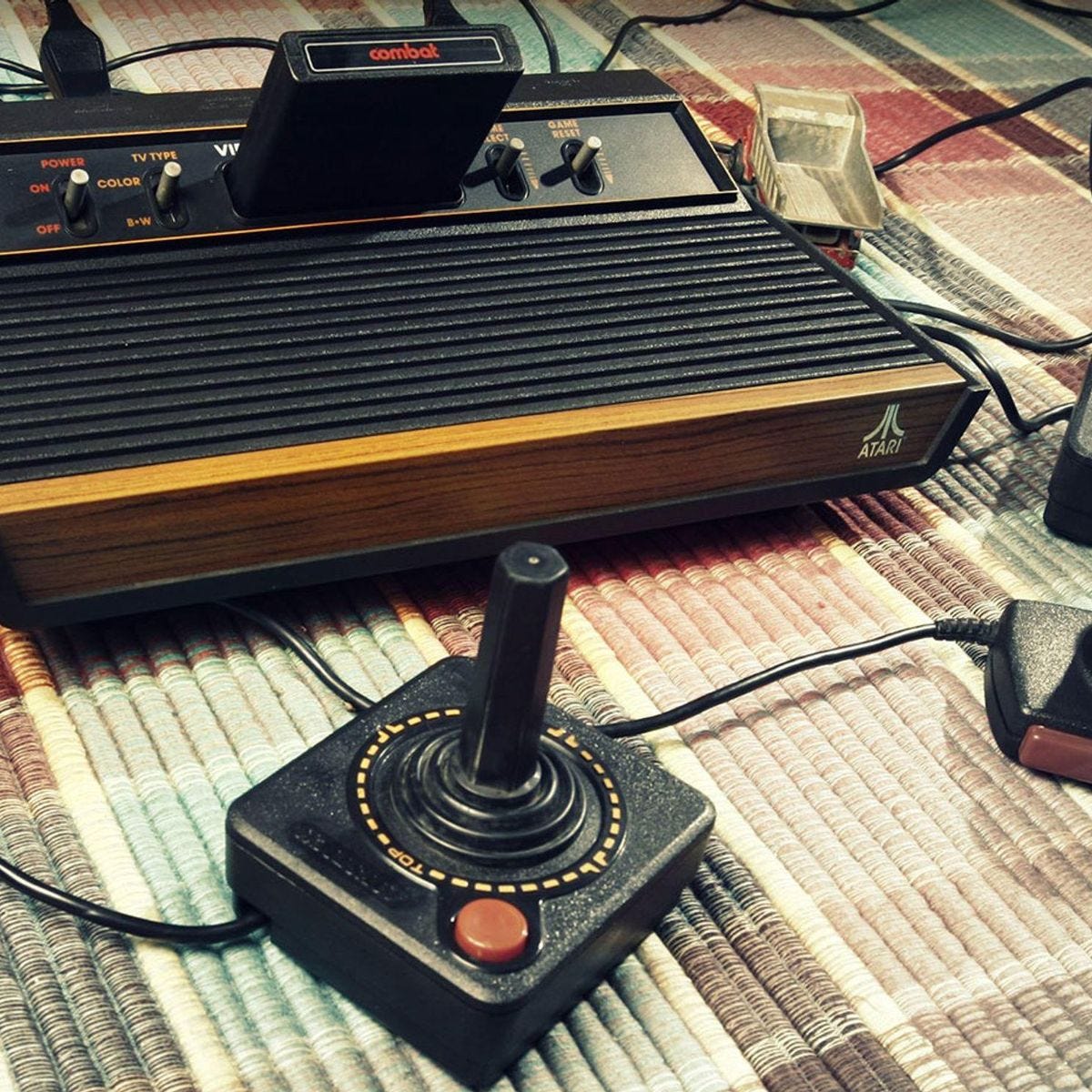
For perspective, older consoles launched at prices that feel extreme when adjusted for inflation. The Atari 2600 (1977) launched at roughly $199, equivalent to about $1,030 in 2026 dollars.
The PS5 launched at $499.99 in November 2020. Using the U.S. Bureau of Labor Statistics inflation calculator, that is equivalent to roughly $650 in 2026 dollars. So a $1,000 PS6 in 2027 would still represent a real-dollar price increase over the PS5, just not as dramatic as the raw sticker shock suggests.
Historically, consoles launched high and then dropped significantly in price over their lifecycle. That pattern has fully broken. The PS5, the Xbox Series X, the Switch 2, and now the Steam Deck have all gone the other way, getting more expensive years into their lifecycles rather than cheaper.
Why this is happening
The common thread is rising costs for memory (DRAM) and storage (NAND), driven heavily by explosive demand from AI data centers. Consumer gaming hardware is competing for the same silicon as much larger and more profitable AI infrastructure.
Both Valve and Sony have publicly tied their pricing decisions to the same component cost pressures. The Steam Deck price hike statement and Totoki’s earnings comments could practically be lifted from the same memo.
The old model, where consoles are relatively inexpensive mass-market devices that get meaningfully cheaper over time, is under serious pressure.
The new normal
It increasingly looks like $1,000 consoles, or console-like devices, are becoming the standard. Today’s Steam Deck price hike, the Steam Machine leaks, PS5 Pro pricing, PS6 speculation, and Xbox Helix rumors all point in the same direction.
Gamers who want the convenience of dedicated hardware may need to accept higher entry prices, or look to cloud gaming, used and refurbished options, or wait for price cuts that may be smaller and slower than in previous generations.
The performance available has never been better. Getting access to it is becoming noticeably more expensive at the point of purchase.
Article compiled and edited by Derek Gibbs (entertainment editor) and the Clownfish TV newsroom.
D/REZZED is part of Clownfish TV. For more news, views, and rants on gaming and tech, visit clownfishtv.com. Watch the show on YouTube at @ClownfishTV where new episodes drop daily. Subscribe to the Clownfish TV podcast on Apple Podcasts, Spotify, iHeart, and wherever else you get your podcasts. Sign up for the free newsletter at more.clownfishtv.com.
Hat Tips:
Engadget, Gematsu, Tom’s Guide, Video Games Chronicle, Thurrott, 80.lv, OpenCritic, and ComicBook.com, May 27, 2026 reporting on Valve’s Steam Deck OLED price increase first spotted by Wario64
Valve’s official Steam Community announcement on the Steam Deck price change
PlayStation Blog official announcement on the April 2, 2026 price changes for PS5, PS5 Pro, and PlayStation Portal
VGC, Push Square, VGChartz, TalkEsport, TechPowerUp, TweakTown, and BigGo Finance, coverage of Hiroki Totoki’s May 8, 2026 earnings call comments on PS6 pricing and the memory shortage
The Shortcut on the Steam Machine and Steam Frame delays caused by the same RAM crisis
Vice and ScreenRant coverage of Steam Machine price leaks
Industry reporting from Circana on November 2025 U.S. hardware and software sales data