

Steam Deck sales reportedly dropped 80% after Valve’s price hike
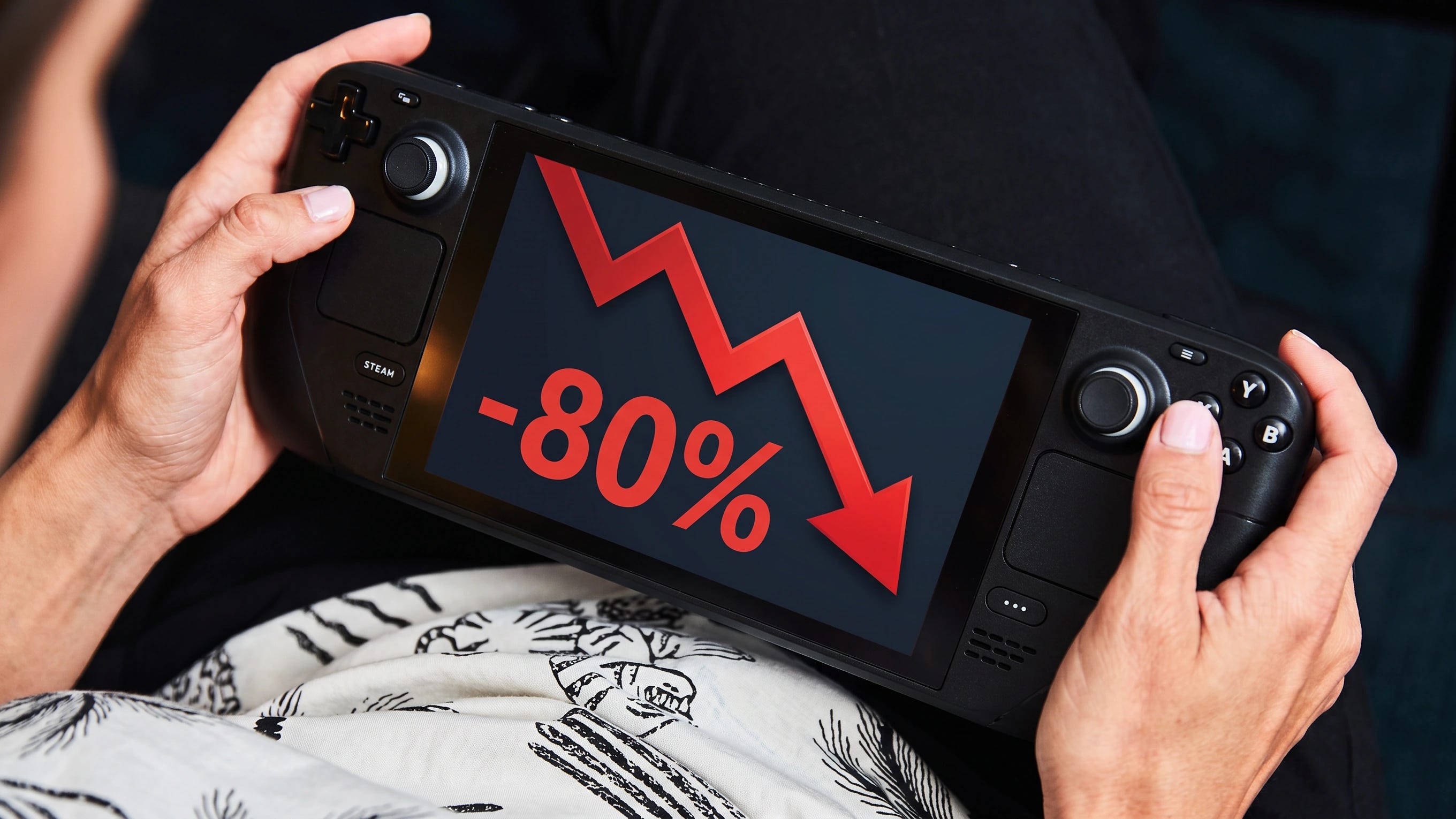
Estimates suggest Steam Deck sales fell by around 80% after Valve raised prices roughly 40% in May, blaming the global memory shortage. The twist: Valve’s pricier new Steam Machine is selling fine, which says a lot about who each device was for.
The Steam Deck was the value king of handheld PCs. Cheap, capable, the easy answer when someone asked how to get into PC gaming without spending a fortune.
Then Valve raised the price. And according to new estimates, buyers walked.
What Valve did to the Steam Deck
On May 27, Valve repriced the entire Steam Deck lineup, a jump of roughly 40% on the OLED models. It also quietly killed off the cheaper LCD version entirely, which erased the affordable entry point that made the Deck a Deck in the first place.
The reason was the global memory shortage, the RAM crunch that’s been driving up the cost of basically all gaming hardware this year. Valve didn’t want to eat the cost, so it passed it on. The result was a handheld that now runs somewhere between $789 and $949, well up from where it started.
The estimated 80% collapse
The demand response, if the estimates hold, was brutal.
Analysis from the outlet Boiling Steam pegs the drop at somewhere between 72% and 82%, call it roughly 80%. In plainer terms, the Deck went from selling an estimated 11,000 to 18,000 units a week in 2025 to something like 1,400 to 3,000 a week by mid-2026. On Steam’s own bestseller chart, it fell from a steady top-five fixture to bumping around eighth to fourteenth place.
That’s not a dip. That’s the floor dropping out.
Why it’s only an estimate
One honest caveat, because it matters. These are estimates, not Valve’s books.
Valve never releases hardware sales figures, so Boiling Steam worked backward from Steam’s Global Top Sellers chart, which ranks by revenue rather than units, and modeled the rest. It’s careful, back-of-the-napkin math, and some folks have reasonably pushed back that you can’t pin down an exact 82% from chart position alone. So treat the number as a strong signal, not gospel. The direction is clear even if the decimal isn’t.
Meanwhile, the Steam Machine is selling fine
Here’s where it gets interesting. Valve launched another, more expensive piece of hardware this summer, and that one is doing great.
The Steam Machine, Valve’s little cube-shaped SteamOS console-PC, arrived in June at $1,049 for the base model, with a $1,349 version above it. That’s a four-figure price tag on a machine reportedly weaker than a base PS5, and people groaned.
Then they bought it anyway. Boiling Steam’s estimate has Valve moving roughly 12,000 to 15,000 Steam Machines a week, enough to sit at number two on Steam’s global chart, wedged between Counter-Strike 2 and Palworld.
So one Valve device got a price bump and cratered. The other launched expensive and is flying. What gives?
Why one crashed and one didn’t
The answer is who each machine was built for.
The Steam Deck’s entire pitch was value. It was the affordable option, and its audience was price-sensitive by definition. Yank the cheap model, hike the rest 40%, and you’ve broken the one promise those buyers showed up for.
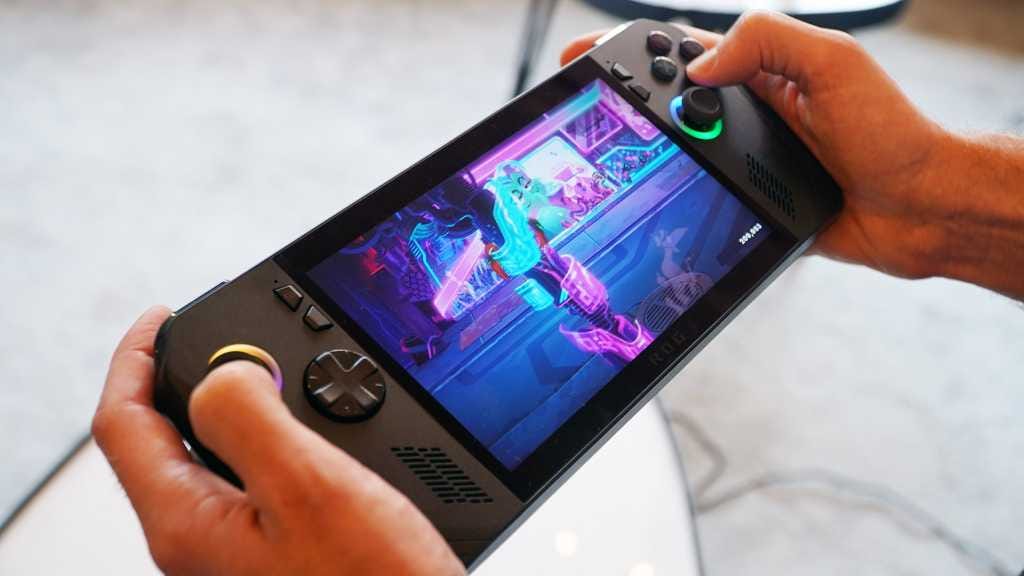
It didn’t help that rivals like the ASUS ROG Ally X now offer better specs for similar money, so the Deck lost its bargain and its edge at the same time.
The Steam Machine never made that promise. It’s an enthusiast box, and enthusiasts walked in expecting to pay enthusiast money. A high price didn’t betray anything, because a high price was always the deal.
The lesson is old but keeps getting relearned. A price hike barely dents a premium product. It guts a budget one.
The memory crisis isn’t done
The part that should worry Valve fans is that none of this is over. A Valve engineer told Bloomberg the memory situation is “still getting worse,” and that the Steam Machine will likely climb in price from here, too.
So the Deck already took its hit, the Machine may be next, and $1,000 gaming hardware is quietly becoming normal instead of shocking.
If you bought a Steam Deck back when it was cheap, this is your reminder to feel smug. For everyone else eyeing Valve’s hardware, the safe move this year is to budget high and hope the RAM market blinks first.
Article compiled and edited by Derek Gibbs (entertainment editor) and the Clownfish TV newsroom.
D/REZZED is part of Clownfish TV. For more news, views, and rants on gaming, tech, and pop culture, visit clownfishtv.com. Watch the show on YouTube at @ClownfishTV where new episodes drop daily. Subscribe to the Clownfish TV podcast on Apple Podcasts, Spotify, iHeart, and wherever else you get your podcasts. Sign up for the free newsletter at more.clownfishtv.com.
Hat Tips:
Boiling Steam — the ~72–82% Steam Deck sales-drop estimate and the 12–15k/week Steam Machine estimate, both modeled from Steam’s Global Top Sellers chart
PC Gamer / TheGamer / Club386 — the May 27 price hike details, the ~40% increase, the discontinued LCD model, and the memory-shortage cause
TechPowerUp / TechSpot / PC Guide — the Steam Machine’s $1,049 and $1,349 pricing, its chart position, and the estimated weekly units
Bloomberg (via TheGamer) — Valve engineer Yazan Aldehayyat on the worsening memory crisis and likely further Steam Machine price rises