

Suicide Squad: KTJL developers say the flop made them want to quit making games entirely
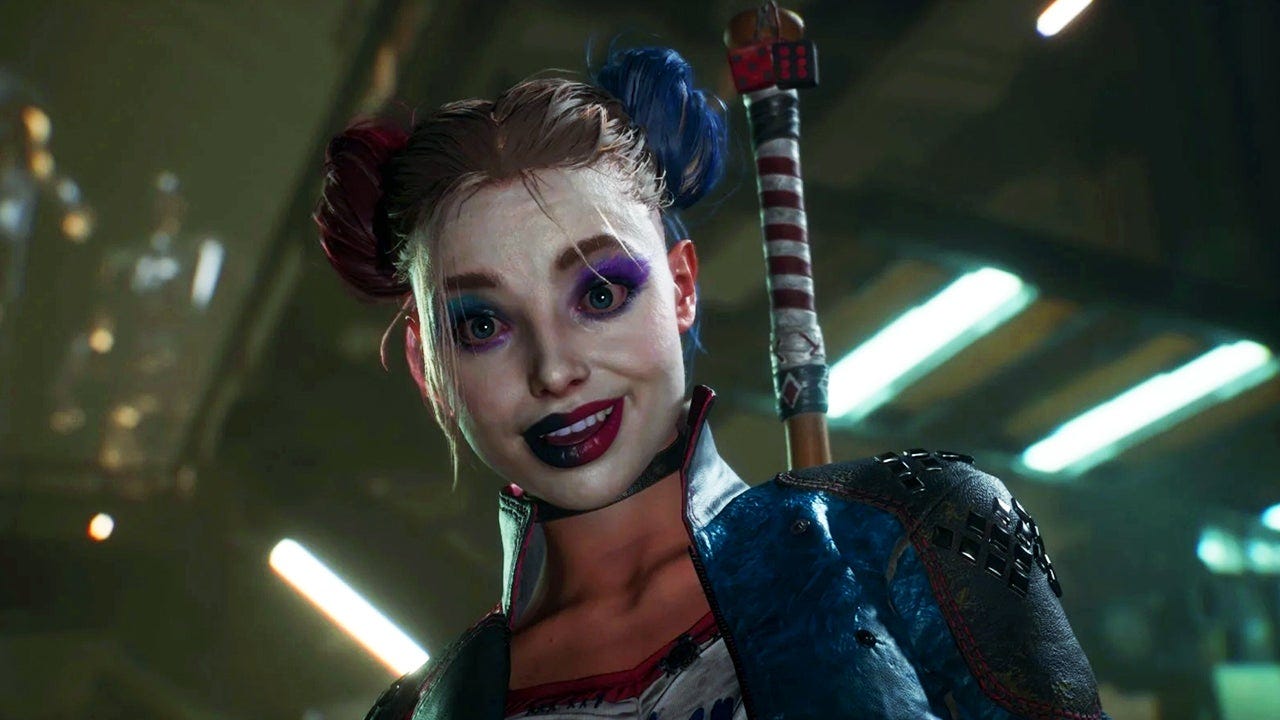
Two lead developers on Rocksteady’s Suicide Squad: Kill the Justice League have opened up about how badly the game’s failure hurt, one says he felt like he was “coming apart at the seams.” Here’s their story, and what it reveals about the pressure crushing game studios right now.
Suicide Squad: Kill the Justice League was one of gaming’s biggest disasters of 2024, a roughly $200 million loss for Warner Bros. But according to two of its lead developers, the real damage went deeper than the balance sheet.
In a new interview, they’ve opened up about how the game’s failure affected them personally, badly enough that both nearly walked away from making games for good. It’s a candid, sobering look behind the scenes of a blockbuster flop. Here’s what they shared.
What the developers said
Let’s start with their own words, because they’re strikingly honest.
Speaking to Bloomberg, two key members of developer Rocksteady Studios, game director Axel Rydby and associate design director Johnny Armstrong, described how demoralizing the project became.
For Rydby, the turning point was watching the game’s priorities shift from creativity to monetization. “That’s when I started feeling like I wasn’t making games anymore,” he said. “I was following a spreadsheet, some elusive marketing-analysis spreadsheet that no one could present clearly. I kind of felt like this isn’t the gaming industry I wanted to work in.”
Armstrong, who’d been at Rocksteady since 2010, described the toll even more starkly. “I felt everything drained from me,” he told Bloomberg. “I said, ‘I can’t do this again. I don’t know if I’m done with the industry, but I’m done.’ I could feel myself coming apart at the seams.”
Those are genuinely heavy words from people who’d spent years pouring themselves into their work. This wasn’t just professional disappointment, it was burnout deep enough to make them question their whole careers.
How a beloved studio ended up here
Here’s the context that makes this such a cautionary tale.
Rocksteady wasn’t some no-name studio. This is the team behind the Batman: Arkham trilogy, widely considered some of the best superhero games ever made. So how did they end up on a project that nearly broke them?
According to the developers, a big part of the problem was the studio being pushed out of its comfort zone. Rocksteady built its reputation on tightly-crafted, single-player, story-driven games. Suicide Squad forced them into live-service, an entirely different beast built around online play, endless replayability, and squeezing ongoing revenue from players.
Armstrong pointed to overconfidence coming off the Arkham success, and the sheer scale of the live-service model made the game hard to test and improve. As he put it: “We put all these hours in, but it didn’t feel like it was tangibly getting better. Everyone felt like they were having to run to stand still.” The seven-year development was plagued by shifting visions and repeated delays.
The bigger problem: monetization over creativity
The most telling detail is Rydby’s “spreadsheet” comment. As development dragged on, he says the big meetings with Warner Bros. shifted away from “what would be cool” toward “what would help monetization”, how to make the game more replayable, more grindy, more profitable.
That’s the crux of the live-service trap that’s burned so many studios lately: the pressure to turn a game into a money-extraction machine can drain the creativity and joy that made the studio great in the first place.
When developers feel like they’re serving a spreadsheet instead of making something players will love, both the game and the people making it suffer. Armstrong went so far as to warn that “as an industry, we are severely losing our way.”
The real-world fallout
Here’s what the failure actually cost, on every level.
The damage was severe and wide-ranging:
For Warner Bros.: a reported $200 million loss, contributing to a 41% year-over-year drop in the company’s gaming revenue.
For Rocksteady: rounds of layoffs, including its QA department reportedly cut roughly in half.
For the developers: the personal toll described above, and ultimately, both Rydby and Armstrong left Rocksteady.
It’s a stark reminder that when a big-budget game fails, the fallout isn’t just financial, it hits the real people who spent years of their lives on it.
Where they are now
Here’s the hopeful note, because the story doesn’t end in despair.
Encouragingly, neither developer actually quit games for good. Instead, Rydby and Armstrong teamed up on something completely different: a small, passion-driven indie project, a retro deckbuilding RPG called Secret of Circadia, currently raising funds on Kickstarter.
It’s a fitting comeback, two developers burned out by a bloated, monetization-driven mega-project, returning to the kind of smaller, creativity-first game that likely got them into the industry in the first place. Sometimes the antidote to a soul-crushing blockbuster is getting back to basics.
Suicide Squad’s failure and what it says about the games industry
The developers of Suicide Squad: Kill the Justice League have given us a rare, honest look at the human cost of a big-budget flop, not just Warner Bros.’ $200 million loss, but the burnout and disillusionment that nearly drove two talented creators out of the industry entirely. Their story is a window into what’s gone wrong with a chunk of modern gaming.
The lesson isn’t just “the game was bad.” It’s that a beloved, gifted studio got shoved into a live-service model it didn’t want to make, chasing monetization over creativity, and the people who make our games paid the price. As more studios face the same pressures, and the industry sheds jobs by the tens of thousands, these developers’ words feel less like a one-off complaint and more like a warning.
The good news is that Rydby and Armstrong found their spark again on a tiny indie game. The bad news is how many others are still stuck running to stand still.
Want More Clownfish TV?
This article was brought to you in part by The Reefers of more.clownfishtv.com. Free subscribers get articles like this one in their inbox. Paid subscribers get the full Clownfish TV podcast feed, livestreams, and members-only episodes that never hit YouTube.
D/REZZED is part of Clownfish TV. For more news, views, and rants on gaming, tech, and pop culture, watch @ClownfishTV on YouTube and find the podcast on Apple Podcasts, Spotify, and iHeart.
Article compiled and edited by Derek Gibbs (entertainment editor) and the Clownfish TV newsroom.
Hat Tips:
Bloomberg (Jason Schreier) (July 2026), the originating report, verified for the Axel Rydby and Johnny Armstrong interviews (the “wasn’t making games anymore / following a spreadsheet” quote, the “coming apart at the seams / I can’t do this again” quote, the monetization-pressure account, the “run to stand still” line, and their departure from Rocksteady for the indie project Secret of Circadia)
Kotaku and GamesRadar+ (July 2026), verified for the developers’ burnout details, Armstrong’s “as an industry we are severely losing our way” warning, the overconfidence-from-Arkham and live-service-mismatch analysis, and the Secret of Circadia Kickstarter
TechRadar and GamesRadar+ (2024-2025), verified for the financial fallout (the ~$200 million Warner Bros. loss, the 41% year-over-year gaming revenue drop, WB CFO Gunnar Wiedenfels’ “fallen short of our expectations” comment) and the Rocksteady layoffs including the QA-department cuts