

Supergirl vs. the Woman of Tomorrow comic: the major changes, and why comics fans were let down
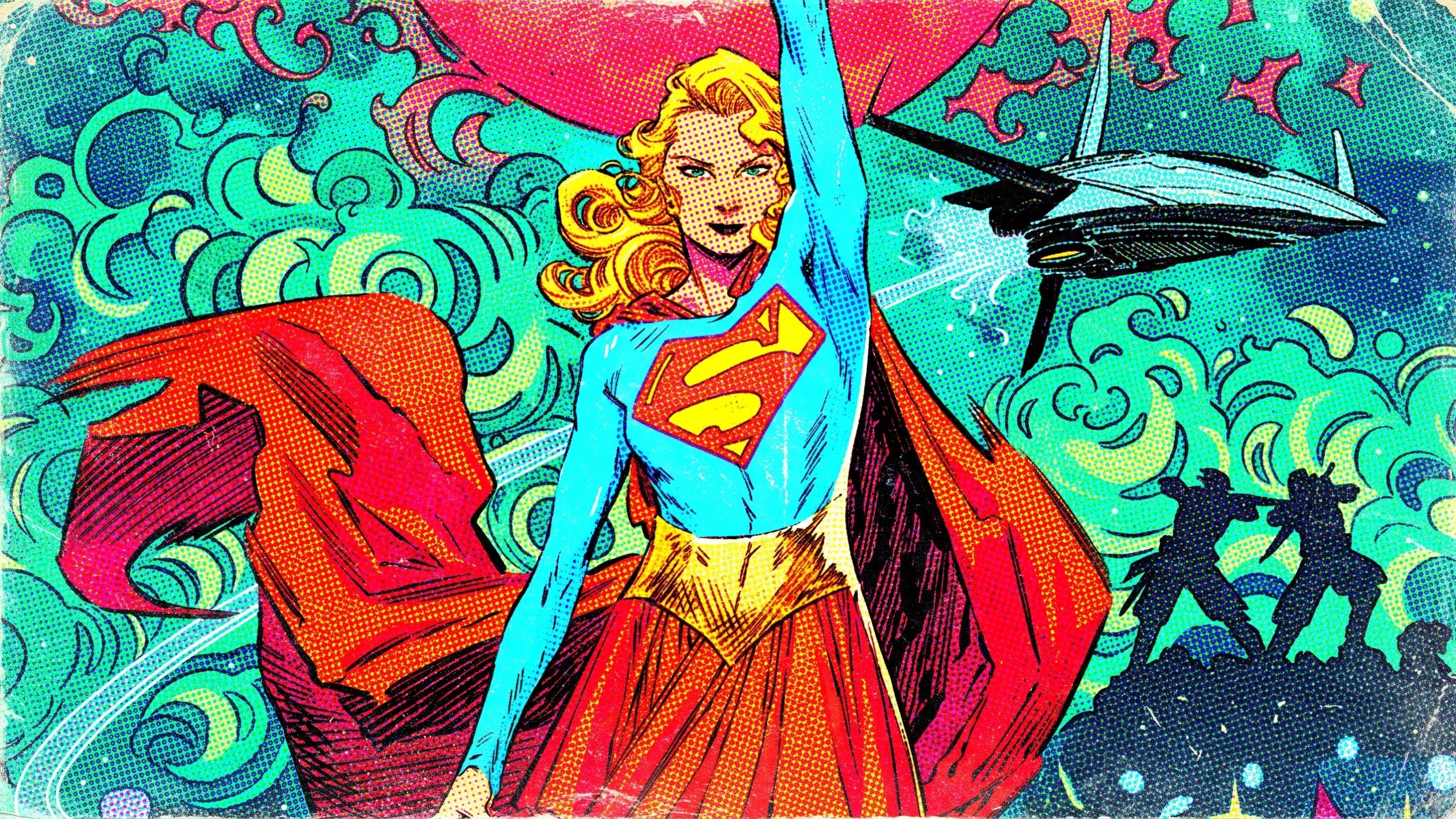
Major spoilers ahead. The Supergirl movie adapts Tom King and Bilquis Evely’s beloved comic, but it changes a lot, including the ending, the villain, and the hero herself. Here’s a full rundown of the differences, and why longtime comic fans have mixed feelings.
The new Supergirl movie is based on one of the most beloved comics of the last decade: Tom King and Bilquis Evely‘s Supergirl: Woman of Tomorrow. But “based on” is doing some heavy lifting, the film makes big changes to the story, the villain, and even Kara herself.
Some of those changes work. Others have left longtime fans of the comic genuinely disappointed. Here’s a full breakdown of what’s different, and why. Fair warning: major spoilers for both the movie and the comic ahead.
The basic story is the same
First, what carried over, because the bones are intact.
Both versions follow the same core: Kara Zor-El crosses paths with Ruthye, a young girl whose father was murdered by Krem of the Yellow Hills, and the two set off across the galaxy on a revenge quest. It’s a True Grit-style space Western, a hardened hero reluctantly helping a kid hunt her father’s killer. That spine is faithful.
But almost everything around that spine got adjusted for the screen. Here’s where it diverges.
The biggest change: the ending
This is the one comic fans argue about most, and it’s a big one.
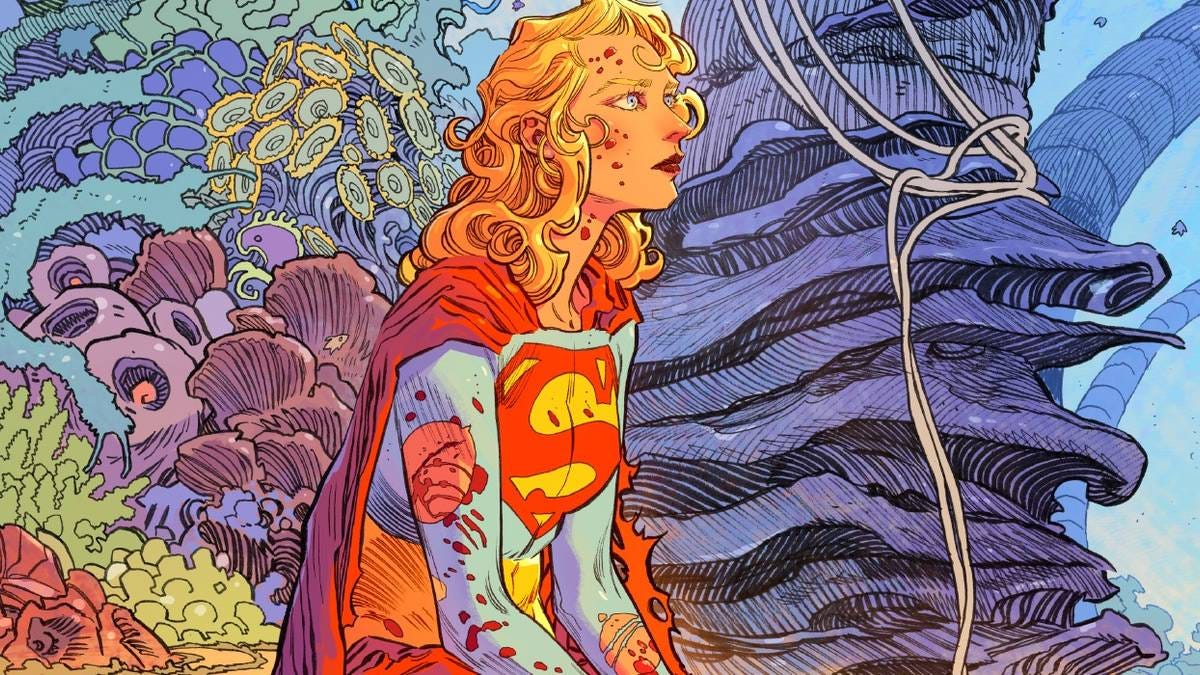
In the comic, the whole point is that Kara refuses to let Ruthye become a killer. She talks her down and instead banishes Krem to the Phantom Zone for 300 years. The message is clear and deliberate: justice and vengeance are different things, and a hero’s job is to protect a child’s soul from the stain of murder, no matter how justified.
The movie changes this in a major way. Kara still convinces Ruthye not to do it, but then Kara kills Krem herself, stabbing him as he lies defeated. It’s a darker, bleaker ending. It spares Ruthye, but it makes the hero pay the moral price, and muddies the comic’s clean “justice isn’t vengeance” theme. Supergirl becomes a flawed figure willing to sully her own soul, rather than the moral paragon King wrote.
Fans are split: some find it a bold, tragic choice; others feel it betrays the entire point of the source material.
No centuries-long time-skip
This one follows directly from the ending change.
Because the comic sends Krem to the Phantom Zone for 300 years, it includes a huge time jump, Kara eventually brings him back to an elderly Ruthye, and the story is told as her looking back across a lifetime. It gives the comic a mythic, fairy-tale weight.
The movie drops all of that. Kara kills Krem in the present, so there’s no time-skip. The film ends with Kara still 23 and Ruthye still a young teen, now part of Kara’s found family. The practical reason: it keeps Kara in the present-day DCU so she can show up in next year’s Man of Tomorrow.
Kara herself is very different
Here’s a change that shifts the whole tone.
In the comic, Supergirl is an optimistic, experienced hero. She joins Ruthye’s quest specifically to save the girl from herself, because protecting one kid’s soul matters that much to her. She’s a settled, confident veteran.
The movie makes Kara cynical, jaded, and lost, roaming the galaxy because she hasn’t found her place, closer to a feminine Star-Lord than the comic’s serene paragon. And critically, the film gives her a personal stake: Krem poisons her dog Krypto, putting her on a three-day clock to find the antidote. In the comic, she helps purely out of compassion; in the movie, she’s partly in it for her dog. It’s a more conventional hero arc (she becomes a better hero), versus the comic’s version (she already is one).
The villain got a controversial makeover
This change drew complaints before the movie even came out.
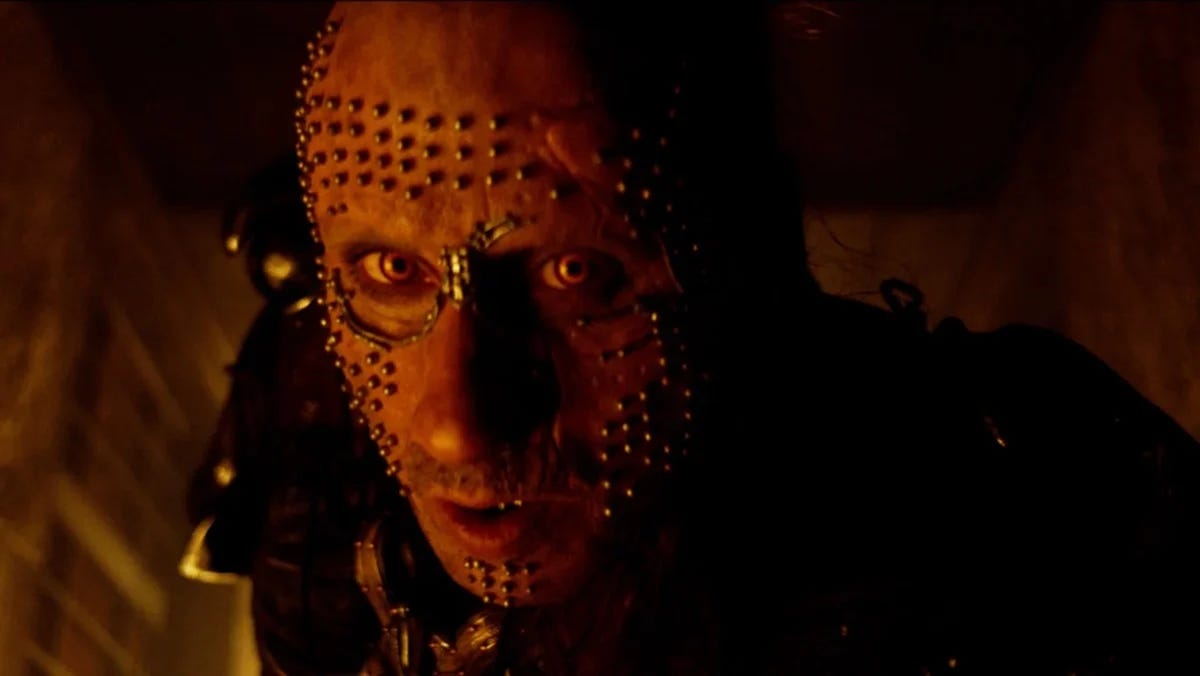
In the comic, Krem is deliberately unremarkable, just an ordinary bearded man, a nobody. That’s the point: evil is banal, and he’s not some epic dark lord, just a murderer who made the mistake of angering Supergirl. It’s chilling precisely because he’s so normal.
The movie redesigns him as a Mad Max-meets-Viking space mercenary, with metal facial piercings, skeletal armor, a braided ponytail, and the “strength of 1,000 men.” When this look hit in the trailer, a lot of comic fans pushed back, arguing the cartoonish menace removes what made him unsettling, an ordinary man capable of monstrous things. Some felt it lowered the stakes.
Ruthye’s narration is gone
For many comic fans, this is the most painful cut.
Woman of Tomorrow is narrated by Ruthye herself, told as her first-person account, looking back. Her voice, her judgments, her grief, frame every page, and it’s a huge part of why the comic hits so hard emotionally. She elevates Kara into a near-mythic figure through how she tells it.
The movie switches to Kara’s perspective, which makes sense for a film, but fans say it drains a lot of the emotional power, especially the depth of Ruthye’s side of the friendship. The poignancy that made the comic a modern classic is harder to capture without her narration.
Lots of the journey got cut
A space odyssey is hard to fit in one movie, so several beloved chapters vanished.
The comic is an episodic, eight-issue journey through many strange worlds and alien races. The film streamlines hard, and some fan-favorite sequences didn’t survive:
Maypole and the conflict between the “purple and blue people”, a heartbreaking passage that showcases Kara’s compassion and justice, is gone. Some fans felt this cut so deep that Woman of Tomorrow should’ve been a TV series instead of a movie.
The Karpane dragon fight on the space bus (a fan-favorite action beat with Red Kryptonite) is cut.
Comet, Supergirl’s flying-horse companion (with a famously weird romantic backstory), didn’t make it. Writer Ana Nogueira said one animal sidekick (Krypto) was enough, and a horse would’ve asked too much of audiences.
And one big addition: Lobo
The movie didn’t just cut, it added.
Lobo, the foul-mouthed intergalactic bounty hunter played by Jason Momoa, is a brand-new addition who isn’t in the comic at all (though, fun fact, King originally conceived the story as a Lobo/Supergirl team-up before his editor suggested Ruthye instead). Momoa’s casting was widely praised, and Lobo is largely considered a highlight, clearly being set up for his own future DCU project.
So why are fans disappointed?
Plenty of viewers enjoyed the movie on its own terms, and screenwriter Ana Nogueira has explained her changes thoughtfully, cutting Krem’s planet-destroying genocide to keep the story “immediate,” dropping Comet so it wasn’t overloaded, streamlining the episodic structure for a feature. These are reasonable adaptation calls.
But for devoted comic fans, the disappointment is real and specific. The complaints cluster around a few things: the ending change muddying King’s central theme, the lost narration gutting the emotional core, the cut races/worlds that gave the comic its heart, and the villain redesign trading eerie realism for generic spectacle. Underneath it all is a common feeling: Woman of Tomorrow is a quiet, poignant, character-driven story, and the movie made it louder, faster, and more conventional, a solid space adventure, but not the soulful classic the comic was.
That’s reflected in the reception, too. The film landed at a middling 58% on Rotten Tomatoes and, as we’ve covered, opened to a soft box office. For a comic this beloved, “pretty good” stings a little.
The bottom line
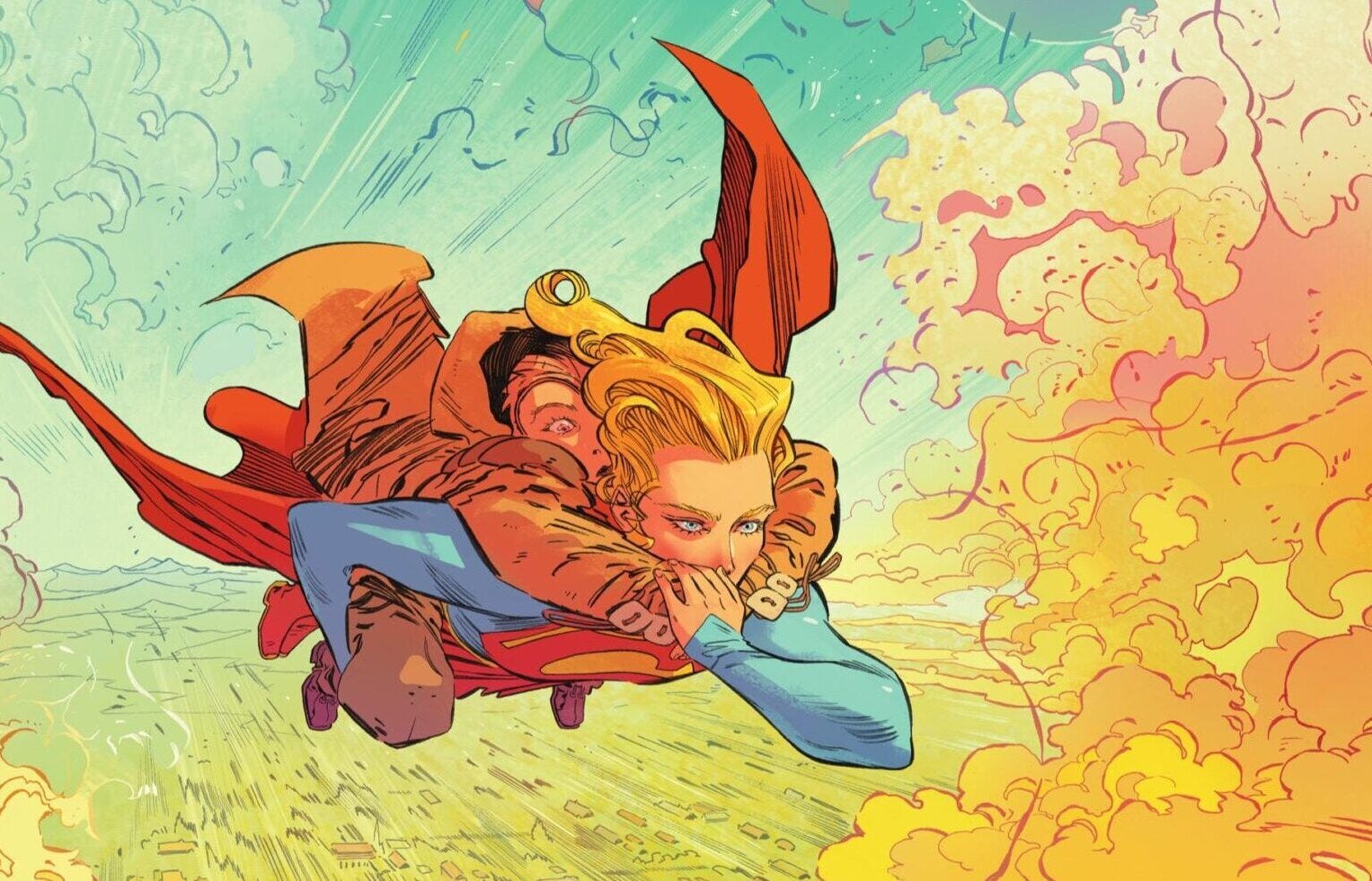
If you’ve never read Woman of Tomorrow, the Supergirl movie is a perfectly enjoyable, True Grit-in-space adventure with a strong Milly Alcock and a scene-stealing Lobo. Taken on its own, it works fine.
But if you love the comic, go in knowing it’s less a faithful adaptation and more, as one critic put it, “a conversation with” the source material. It keeps the bruised heart of King and Evely’s story while changing the ending, the tone, the hero, and the villain.
Whether that’s a bold reinterpretation or a missed opportunity depends on how attached you are to the original, and for a lot of fans, the answer is “the book did it better.”
The good news? The comic isn’t going anywhere. If the movie leaves you wanting, the Woman of Tomorrow that fans fell in love with is still sitting on the shelf, exactly as it always was.
Want More Clownfish TV?
This article was brought to you in part by The Reefers of more.clownfishtv.com. Free subscribers get articles like this one in their inbox. Paid subscribers get the full Clownfish TV podcast feed, livestreams, and members-only episodes that never hit YouTube.
D/REZZED is part of Clownfish TV. For more news, views, and rants on gaming, tech, and pop culture, watch @ClownfishTV on YouTube and find the podcast on Apple Podcasts, Spotify, and iHeart.
Article compiled and edited by Derek Gibbs (entertainment editor) and the Clownfish TV newsroom.
Hat Tips:
GamesRadar and ScreenRant (June 2026), verified for the Krem fate/ending change, the no-time-skip detail, the family-murder change (movie kills all; comic only the father), the Krem redesign and “strength of 1,000 men,” and the Kingsagent-vs-Brigand origin difference
MovieWeb and SlashFilm (June 2026), verified for the Maypole and Karpane dragon cuts, Lobo as a new addition, the Comet omission, the green-sun planet adaptation, the Superman cameo, and Nogueira’s “didn’t feel immediate” quote on cutting the genocide
FandomWire and CBR (June 2026), verified for the Phantom-Zone-vs-Kara-kills-Krem ending analysis, the justice-vs-vengeance theme change, the dropped Ruthye narration, the specific fan disappointments (narration, cut races, Krem redesign), and the 58% Rotten Tomatoes score
Looper and Variety (Ana Nogueira interview) (June 2026), verified for the jaded-vs-optimistic Kara characterization, the Krypto-antidote personal-stakes change, King’s original Lobo team-up concept, and the screenwriter’s stated reasoning for the cuts