

The Big Three anime are back in 2026 for the first time in 14 years
Naruto, Bleach, and One Piece — the legendary “Big Three” anime that defined the 2000s — are all airing new episodes together this year for the first time since 2012.
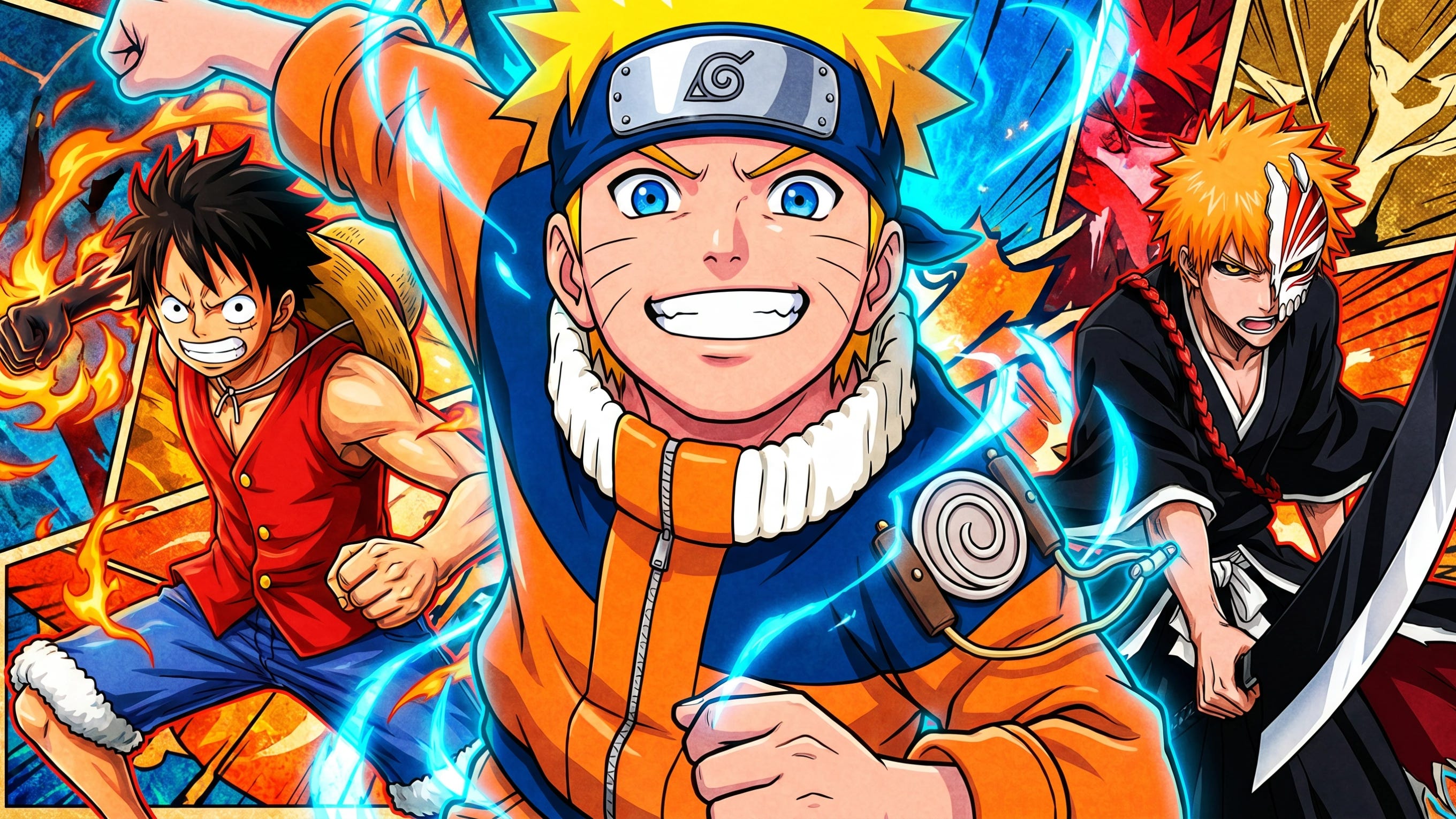
If you searched “what’s the number one anime” or “what are the Big Three anime” in 2026, the answer has gotten complicated. The most popular anime ever made is One Piece. The highest-rated anime on the internet’s biggest fan site is a 2023 fantasy series called Frieren that almost nobody outside Japan had heard of two years ago. And for the first time in 14 years, the three series that defined a generation of anime fans are all airing new episodes in the same year. Here is what is actually going on.
What are the Big Three?
The Big Three refers to three specific anime series that dominated the 2000s: Naruto, Bleach, and One Piece. All three came from the same Japanese comics magazine, Weekly Shonen Jump, which has been publishing manga (Japanese comics) since 1968 and has launched almost every major anime franchise you have ever heard of.
In the mid-2000s, those three series were so big they were a category of their own. Naruto was about a young ninja in training. Bleach was about a teenager who can see ghosts and ends up fighting them with a giant sword. One Piece is about a pirate crew searching for the world’s greatest treasure. Each series ran for hundreds of episodes. Each had a massive fanbase. Each made huge amounts of money for Japanese television. The fights between fans about which one was best ran for years.
Anime fans called them the Big Three because the three of them basically held up the entire industry. The term has been a fandom shorthand ever since.
Why they are all back together in 2026
For 14 years, the three series have been on different schedules. Bleach ended its original anime run in 2012. Naruto wrapped up in 2017. One Piece has been running continuously since 1999 with over 1,100 episodes, the largest single anime in history.
In 2026, all three are airing at the same time again.
Bleach: Thousand-Year Blood War, the long-awaited final arc of the Bleach anime, is finishing its run this year. Studio Pierrot is airing the last batch of episodes that will officially end the series. Naruto is back too, with four 20th anniversary special episodes set to air in late 2026. They are not a full sequel. They are four new episodes set during the original Naruto era, with the original Team 7 cast. One Piece is continuing with its Elbaf Arc, though it is now on a new schedule with six-month breaks between batches of episodes, which is a major change for a series that ran almost every week for 25 years.
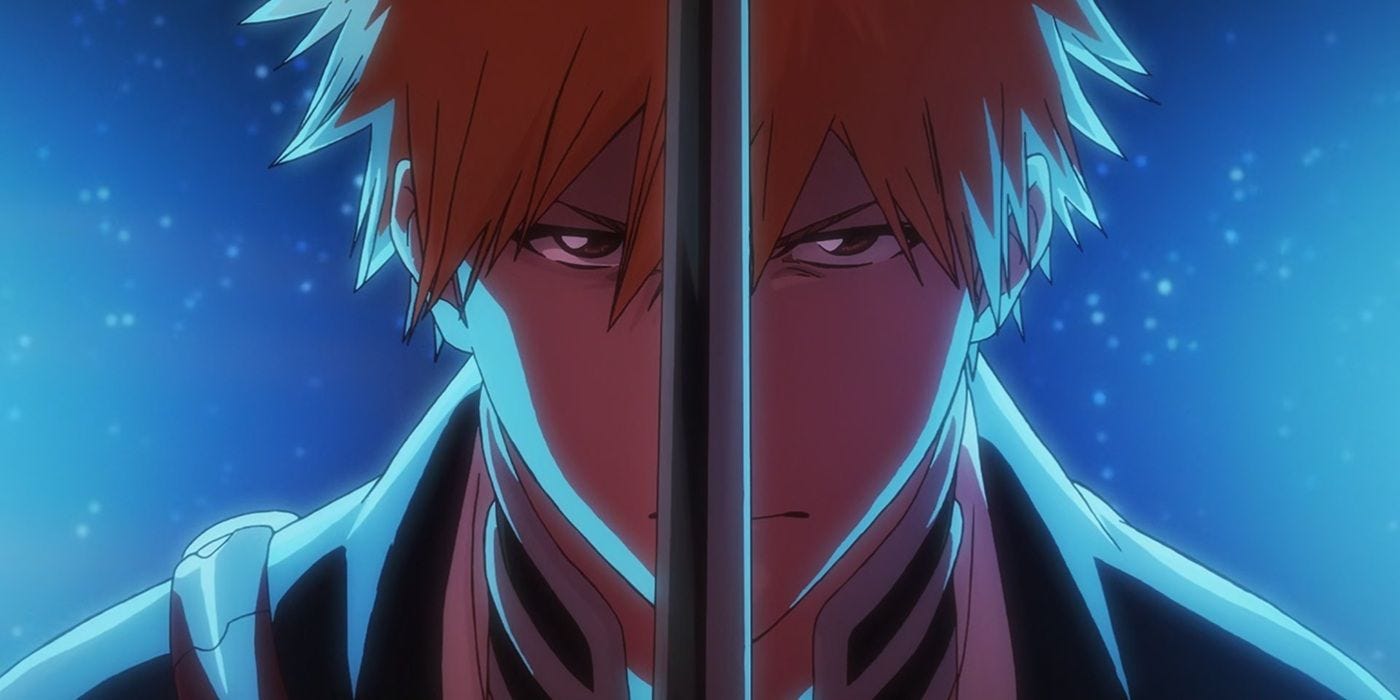
The convergence is a big deal for nostalgic fans. The last time all three Big Three series were airing together was 2012. For most anime viewers between 16 and 35 years old, this is the closest thing to a high school class reunion the genre has ever produced.
So is one of them the #1 anime in the world?
Not according to most rankings.
The largest anime rating community on the internet, a site called MyAnimeList (basically the Letterboxd or Rotten Tomatoes of anime), has a single anime sitting at the top. It is not One Piece. It is not Naruto. It is not Bleach.
It is Frieren: Beyond Journey’s End, a fantasy series about an immortal elf reflecting on the brief lives of the human friends she once adventured with. The show premiered in 2023, ran a second season in early 2026, and currently holds a 9.15 rating on MyAnimeList. That is the highest score any anime has ever held on the site, beating out Fullmetal Alchemist: Brotherhood, which held the top spot for over a decade.
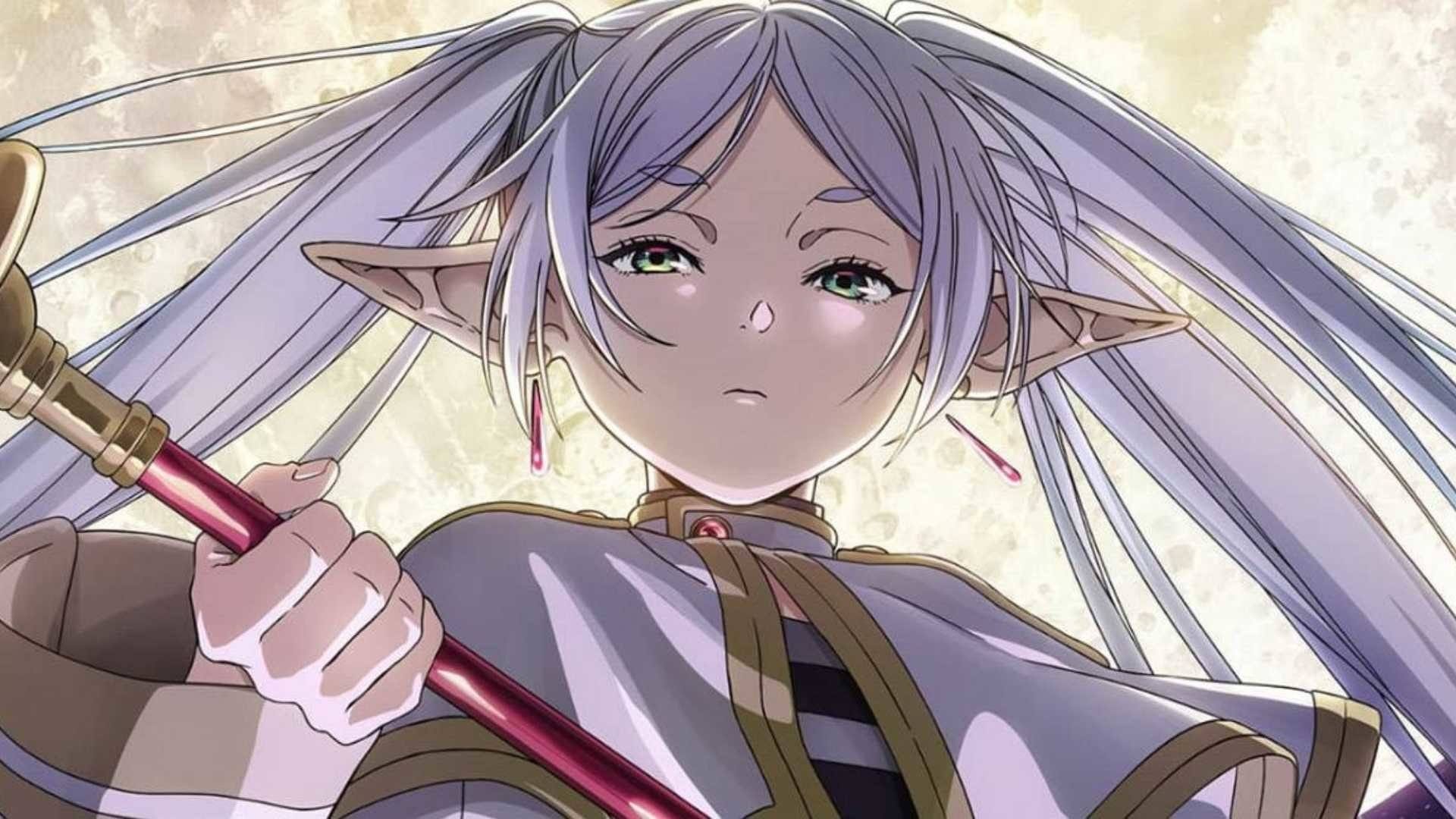
Frieren is a slow, melancholy, quietly devastating show about grief and memory. It is the opposite of the loud, action-heavy series that defined the Big Three era. The fact that it is now the top-rated anime in the world is part of a broader generational shift in what anime fans want.
What about the “new Big Three”?
This is where anime fans argue endlessly.
The original Big Three label was specifically about Naruto, Bleach, and One Piece, all from Weekly Shonen Jump in the 2000s. Some fans believe that label belongs only to those three and cannot be passed on. Others have spent the last decade trying to name a “new Big Three” for the current generation.
The most common candidates are Demon Slayer, Jujutsu Kaisen, and My Hero Academia. All three are massive in their own right. Demon Slayer broke box office records in Japan with its 2020 film and is currently in the middle of releasing a trilogy of theatrical movies that will conclude the story. Jujutsu Kaisen dominated streaming charts in early 2026 with its long-awaited third season. My Hero Academia recently wrapped up its anime run and remains one of the highest-grossing manga franchises of the decade.
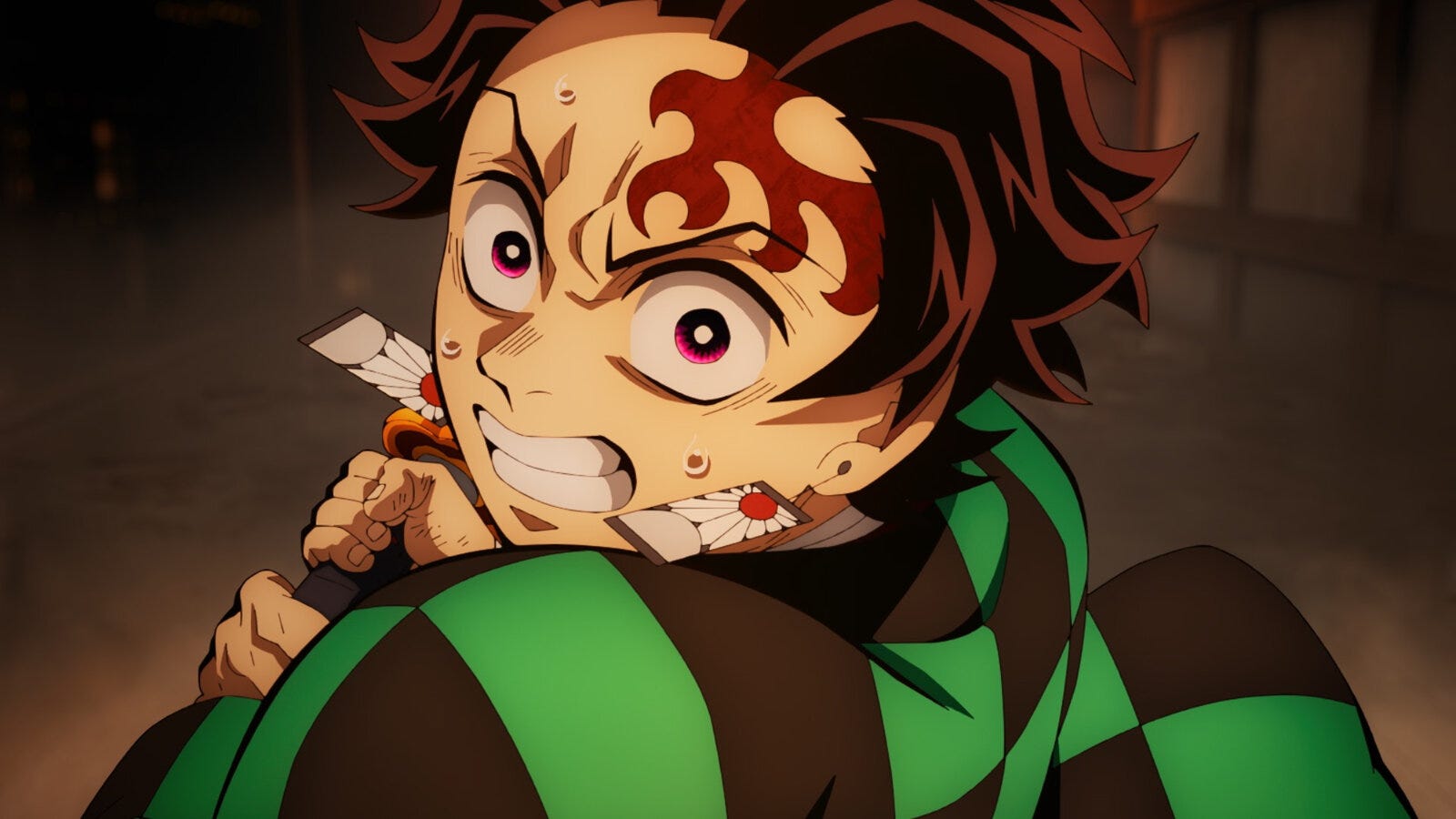
Other fans argue Chainsaw Man belongs in the conversation. Some say Attack on Titan was the actual successor before it ended. Some say the “Big Three” concept does not apply anymore because the industry is too fragmented for any three shows to dominate the way the original three did.
What about Dragon Ball and Pokemon?
This is one of the most common questions casual fans ask, and the answer surprises people.
Dragon Ball is older than the Big Three and is one of the most influential anime ever made. Pokemon is the highest-grossing entertainment franchise in human history. Neither one is part of the Big Three, because the term specifically refers to that mid-2000s Weekly Shonen Jump era. Dragon Ball Z finished in 1996, before the Big Three era really started. Pokemon is from a different magazine and a different category, more aimed at younger kids.
Some fans use a “Big Four” framing that adds Dragon Ball. Most fans just acknowledge that Dragon Ball is in its own legendary tier above any specific labeling.
What anime has the most episodes ever?
The longest-running anime ever is actually a Japanese family sitcom called Sazae-san that has been airing since 1969 and has produced over 8,000 episodes. Most American fans have never seen it. One Piece is the most-episodes anime familiar to international audiences, with over 1,100 episodes and counting.
What this all means
Anime in 2026 is bigger than ever. According to Netflix, anime viewing on the platform grew at a rate ten times higher than any other content category in the first half of 2025, with users watching 4.4 billion hours of anime in six months. The audience is no longer mostly Japanese or mostly hardcore fans. It is global, casual, and increasingly mainstream.

The Big Three coming back together in 2026 is partly a nostalgia play, and partly a celebration of how big the medium has gotten since they helped build it. The fact that the current #1 anime is a quiet show about an elf grieving her friends, rather than a loud action series about ninjas or pirates or soul reapers, is the clearest possible sign that anime has grown up alongside its audience.
If you have not watched anime in 15 years, this is a pretty good time to come back. Most of what you loved is on the air again. Most of what is new is better than anything you remember. And the medium is finally getting the global mainstream recognition the original Big Three earned for it two decades ago.
Article compiled and edited by Derek Gibbs (entertainment editor) and the Clownfish TV newsroom.
D/REZZED is part of Clownfish TV. For more news, views, and rants on gaming, anime, and tech, visit clownfishtv.com. Watch the show on YouTube at @ClownfishTV where new episodes drop daily. Subscribe to the Clownfish TV podcast on Apple Podcasts, Spotify, iHeart, and wherever else you get your podcasts. Sign up for the free newsletter at more.clownfishtv.com.
Hat Tips:
ComicBookMovie (December 2025), reporting on the 2026 Big Three convergence and the Naruto 20th Anniversary special episodes
Game Rant (January 2026), Big Three return coverage including the One Piece schedule change to seasonal release
CBR (March 2026), “Big Three Will Never Be the Same After Bleach Finally Returns in 2026” deep dive on the convergence
Outlook Respawn (January 2026), Naruto 20th Anniversary production details and Huahan Animation involvement
Sportskeeda, archival coverage of the original Big Three era and the Weekly Shonen Jump dominance period
Kinja Guides (April 2026), MyAnimeList rankings analysis including Frieren’s 9.15 rating overtaking Fullmetal Alchemist: Brotherhood
AnimeSparks (April 2026), top 10 most popular anime 2026 community rankings
Outlook Respawn (May 2026), Frieren Season 2 dethroning Season 1 as the highest-rated MyAnimeList entry
Aprasi (May 2026), mid-year 2026 anime rankings including Anime Corner poll data (45,490 voters for Frieren in Winter 2026)
CBR (January 2026), Winter 2026 anime power rankings and the Frieren Season 2 / JJK Season 3 dominance
Netflix 2025 viewership data on anime growth (4.4 billion hours, 10x growth rate)
MyAnimeList (Frieren Season 2 9.15 rating), Anime Corner and Anime Trending (Winter and Spring 2026 weekly polls)