

The ESA called Minecraft servers illegal, but Microsoft literally hands out the tools
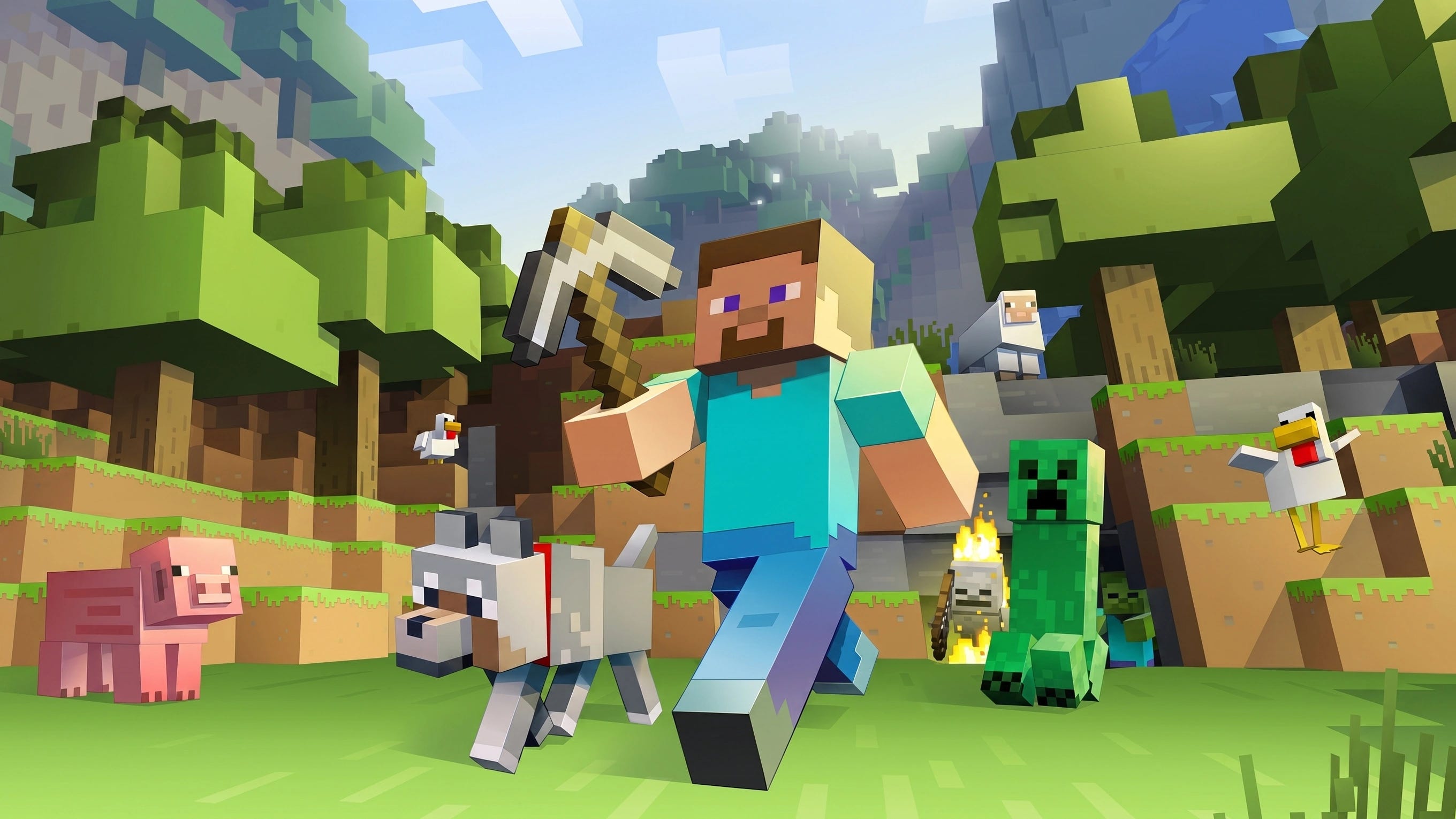
A game-industry lobbyist told California lawmakers that private Minecraft and Call of Duty servers are “illegal” and “piracy.” The problem? You can download official Minecraft server software right now. Here’s what was said, why it’s mostly wrong, and the narrow point buried underneath, that the ESA is already walking back.
A game-industry lobbyist just told California lawmakers something that made a lot of gamers do a double-take: that private Minecraft servers are “illegal.”
The claim came during a heated hearing over game preservation, and it’s already unraveling, the group that said it has started walking it back. Here’s exactly what was said, why it’s mostly nonsense, and the small kernel of truth buried inside it.
What the ESA actually said
Let’s start with the quote that set everyone off.
The Entertainment Software Association (the ESA), the trade group that lobbies on behalf of major game publishers, was arguing against California’s Protect Our Games Act (AB 1921), a Stop Killing Games-backed bill meant to keep games playable after publishers shut down their servers.
During the hearing, Assemblyman Chris Ward pointed out that community-run servers already keep games alive, noting, “Minecraft is currently hosted by community servers, Call of Duty [has] community servers.”
ESA vice president Jennifer Gibbons cut in: “They’re illegal.”
Asked by a state senator if this was “like the black market of video games,” Gibbons doubled down: “Yes. In fact, we consider it piracy.”
Why that’s just… wrong
Here’s the problem, and it’s a big one.
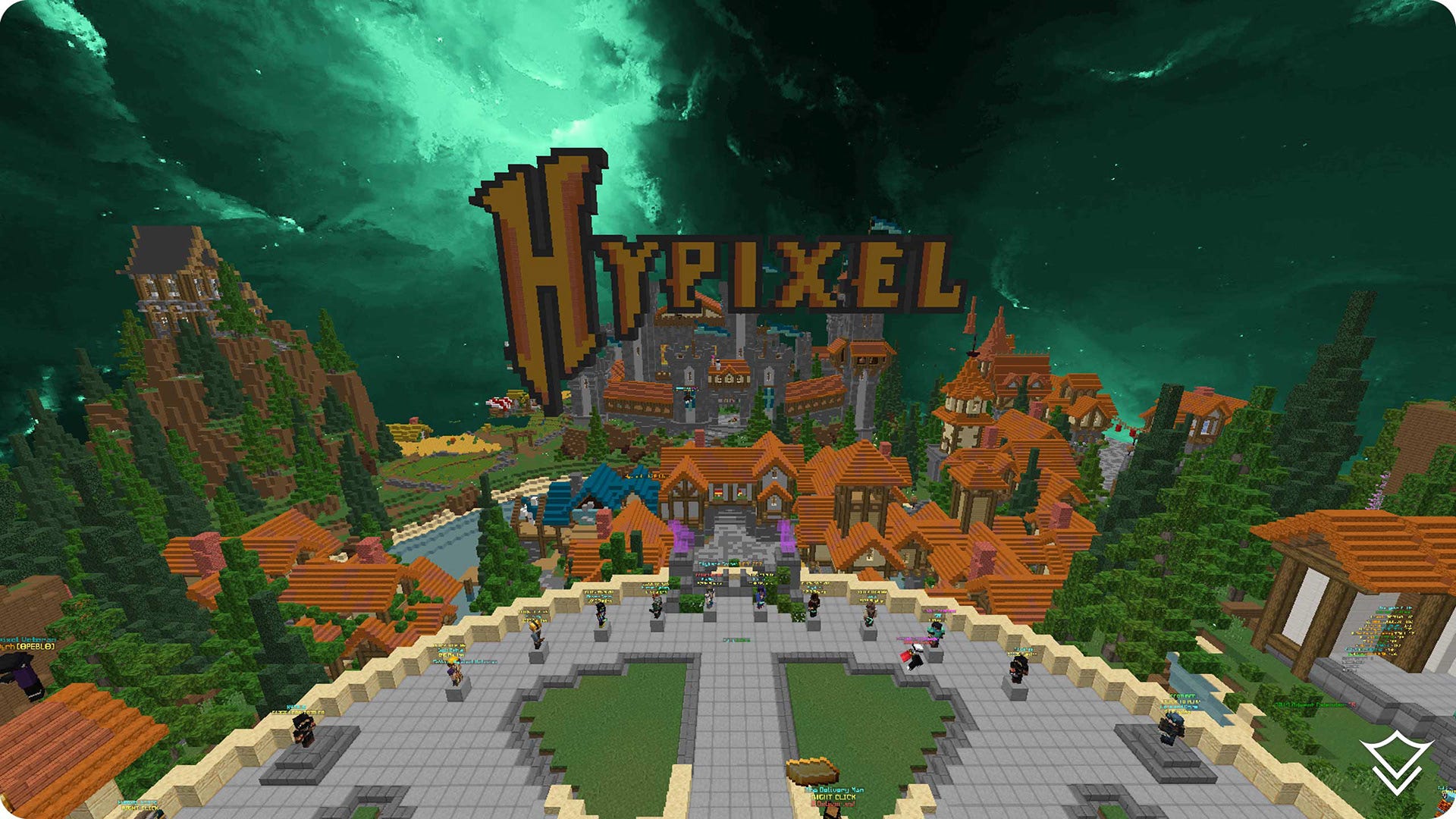
The blanket claim that Minecraft community servers are “illegal” is simply false, and you don’t have to take our word for it. You can go to the official Minecraft website right now and download the server software to run your own. Microsoft, which owns Minecraft, actively provides the tools to do it. Millions of people run community servers, it’s a core, openly-supported part of Minecraft’s culture.
Calling that “piracy” is like calling a lemonade stand a black market. It’s not a fringe legal gray area, it’s an officially blessed feature of one of the best-selling games of all time.
The lawsuits she cited don’t apply
Here’s where the argument really falls apart.
Gibbons backed up her claim by pointing to two pending ESA lawsuits and the U.S. Trade Representative’s “Notorious Markets” report, which flags major piracy hubs. But there’s a catch: those examples don’t apply to Minecraft or Call of Duty at all.
The private servers named in those Notorious Markets reports were things like Warmane and Firestorm, servers that let people play World of Warcraft without paying Blizzard’s subscription fee. That’s a genuinely different situation: bypassing a paid subscription to profit off someone else’s game. It has nothing to do with a kid running a Minecraft server for their friends, or the freely-available community servers for games that openly support them.
The kernel of truth (and the walk-back)
Here’s the part that keeps this fair, because the ESA isn’t 100% wrong about everything.
There is a narrow, legitimate version of this argument. Not every private server is automatically legal. A server that redistributes copyrighted game files, bypasses a paid subscription, or cracks a game’s authentication genuinely can cross into piracy, the World of Warcraft examples are real, and Blizzard has won court cases shutting some down. So “some private servers infringe on publishers’ rights” is a defensible statement.
The problem is that’s not what Gibbons said. She pointed at Minecraft, of all games, and said “illegal” and “piracy”, a sweeping claim that doesn’t survive ten seconds of scrutiny.
And notably, the ESA seems to know it. In the days since, the group has quietly walked the statement back, telling outlets that its rep was answering a “complicated, multi-part question” and narrowing its position to: “Private servers that host or distribute copyrighted game content without authorization infringe on the IP rights of game publishers.” That revised version is reasonable. The original “Minecraft servers are illegal” version was not.
Why this matters
Here’s the bigger picture, and it’s the real story.
This isn’t just an embarrassing gaffe, it happened while the ESA was successfully helping to kill a consumer-protection bill. AB 1921 failed in committee by a few votes, and Stop Killing Games supporters argue that misleading claims like this one are exactly how that happens: a well-paid lobbyist makes a confident-sounding assertion that a busy lawmaker doesn’t have time to fact-check in the moment.
As one campaign volunteer put it, the claims were “designed to scare a busy legislator who does not have time to fact-check a well-dressed lobbyist in real time.” Whether or not you buy that framing, the episode shows why the details matter. When “you can run your own Minecraft server” gets rebranded as “piracy” in a government hearing, and helps sink a bill, precision isn’t pedantic. It’s the whole ballgame.
The ESA vs. private servers: what’s actually true
So here’s the deal.
The ESA’s claim that private Minecraft and Call of Duty servers are “illegal” is, as stated, flatly wrong, Microsoft literally hands out the tools to make Minecraft servers, and the piracy lawsuits the ESA cited were about a totally different thing (playing WoW without paying for it). The group has already started softening the claim, which tells you plenty.
But in fairness, there’s a real point hiding underneath the overreach: some private servers, the ones distributing stolen game files or dodging subscriptions, genuinely can be piracy. The ESA just torched its own credibility by aiming that valid point at the single worst possible example.
The lesson for gamers watching the Stop Killing Games fight: when powerful lobbies make big legal-sounding claims to lawmakers, it pays to check the receipts. In this case, the receipts were a free download on Minecraft.net.
Want More Clownfish TV?
This article was brought to you in part by The Reefers of more.clownfishtv.com. Free subscribers get articles like this one in their inbox. Paid subscribers get the full Clownfish TV podcast feed, livestreams, and members-only episodes that never hit YouTube.
D/REZZED is part of Clownfish TV. For more news, views, and rants on gaming, tech, and pop culture, watch @ClownfishTV on YouTube and find the podcast on Apple Podcasts, Spotify, and iHeart.
Article compiled and edited by Derek Gibbs (entertainment editor) and the Clownfish TV newsroom.
Hat Tips:
PC Gamer and VGC (June-July 2026), verified for the Jennifer Gibbons hearing quotes (the “they’re illegal” and “we consider it piracy” statements, the exchange with Assemblyman Chris Ward and Senator Caroline Menjivar), the debunking (official Minecraft server software available from Microsoft), the clarification that the cited USTR Notorious Markets examples (Warmane, Firestorm) involved World of Warcraft subscription-bypassing servers, and the ESA’s subsequent walk-back statement
Kotaku and The Escapist (June-July 2026), verified for the ESA’s revised position (”private servers that host or distribute copyrighted game content without authorization infringe on IP rights”), the nuance that some private servers genuinely can be infringing while Minecraft community servers are officially supported, and the AB 1921 committee failure
KitGuru and GamingOnLinux (June-July 2026), verified for the Stop Killing Games campaign response (the “designed to scare a busy legislator” quote, plans to expand to other states and the federal level), the bill’s provisions, and the broader preservation-fight context