

The War Department’s third UFO dump is here, and it’s just more orbs
The June 12 release added 53 documents, 10 images, and a batch of videos showing fuzzy orbs and “artistic interpretations” of sightings.
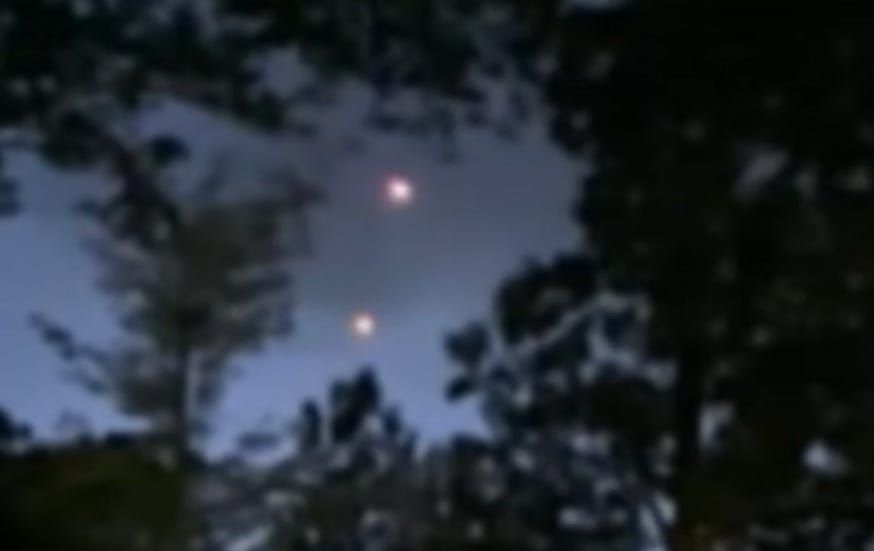
The Department of War dropped its third batch of UFO files on June 12, and if you were waiting for the saucer-in-a-hangar photo, keep waiting. What landed was more orbs.
The release added 53 documents and 10 images from the CIA, FBI, NASA, the Department of Defense, and unspecified agencies, plus six videos and three NASA audio recordings, all posted to the government’s portal at war.gov/UFO.
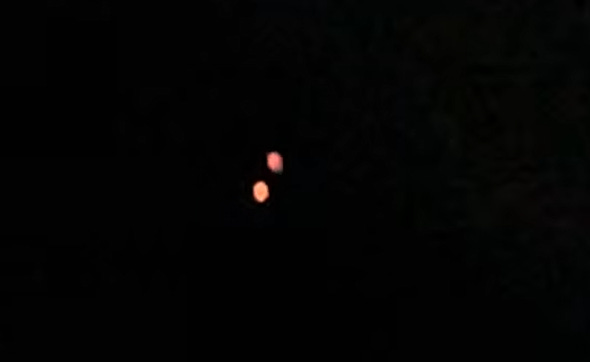
It’s the third tranche since the PURSUE disclosure program launched May 8, following batches on May 8 and May 22.
The headline content: videos of orb-like objects in the sky, some clips offered as “artistic interpretations” of sightings, and documents detailing 2023 encounters where five federal law enforcement officers reported strange orbs on the horizon. One agent recalled a partner asking, “Are you seeing this?“ as a glowing orb lit up the sky.
That’s the good stuff. Which is sort of the problem.
Underwhelming is becoming the pattern
The expert reaction to these releases has ranged from unimpressed to openly amused, and the third batch hasn’t moved that needle much.
Astrophysicist and former BBC science journalist David Whitehouse reviewed the earlier materials and concluded they were optical artifacts, fuzzy blobs, light smears, and obvious balloons, with no evidence whatsoever of anything artificial and alien.
Astronomer Michael Narlock of the Cranbrook Institute of Science noted the documents were largely transcripts of eyewitness accounts, which he called notoriously unreliable, while the videos lacked enough context to assess.
SETI senior astronomer Seth Shostak, asked by CBS to react, restated his position that there’s no compelling evidence for extraterrestrial life so far.
Over on the analysis side, the forensic hobbyists at Metabunk summed up the mood after batch one: underwhelmed despite having no expectations, with most of the pictures and videos basically worthless. The phrase “it’ll take some digging” is doing a lot of work across all three releases.
The government, for its part, is touting the traffic, not the contents. War.gov/UFO has logged over 1.7 billion hits worldwide since launch, spokesperson Sean Parnell said, with more files coming on a rolling basis.
The “they’re holding back” chorus is getting louder
Here’s where it gets interesting, because the skeptics-who-want-more and the believers-who-want-more have arrived at the same complaint from opposite directions. The files are superficial, and the real material is still locked up.
Investigative journalist Jeremy Corbell has argued the government possesses far more significant evidence than what it’s sharing. Whistleblower David Grusch, the former intelligence officer whose 2023 testimony kicked off this whole era, is now urging the White House to audit billions in federal funds he alleges were diverted to secret UAP retrieval programs, and he’s accused the Defense Intelligence Agency specifically of obstruction.
At a June 9 Capitol Hill event, Grusch claimed the government is aware of “several” kinds of extraterrestrial life, without elaborating or providing evidence.
The lawmakers are pushing the same lever. Representative Anna Paulina Luna, who chairs the House task force on the issue, has been formally requesting specific video files AARO is said to be holding.
Representative Eric Burlison is calling on President Trump to waive nondisclosure agreements and grant immunity to whistleblowers, and claims his office obtained MQ-9 drone footage of a UAP incident off Yemen through what he described as a “Tom Clancy-style dead drop.” The agencies accused of withholding have denied it.
So the theory that the public won’t get the good stuff isn’t just forum chatter. It’s coming from the congresswoman running the investigation.
One contrarian take
Not everyone is yawning. Harvard astrophysicist Avi Loeb, the most prominent scientist willing to take UAP seriously, called the June 12 release the most intriguing batch so far, flagging it on CBS that morning as worth a closer look. Loeb is an outlier among working scientists on this topic, and his enthusiasm comes with a long track record of arguing the field deserves rigorous study rather than reflexive dismissal. Take it as the dissent from the underwhelmed consensus, not the consensus itself.
That’s the real state of disclosure right now. The government keeps releasing fuzzy orbs, the mainstream scientists keep shrugging, the believers keep insisting the smoking gun is one classified vault away, and the traffic counter keeps spinning past a billion.
Three dumps in, the most honest summary is the one a federal agent already gave us. Are you seeing this? Sort of. Not really. Maybe next batch.
Article compiled and edited by Derek Gibbs (entertainment editor) and the Clownfish TV newsroom.
D/REZZED is part of Clownfish TV. For more news, views, and rants on gaming, tech, and pop culture, visit clownfishtv.com. Watch the show on YouTube at @ClownfishTV where new episodes drop daily. Subscribe to the Clownfish TV podcast on Apple Podcasts, Spotify, iHeart, and wherever else you get your podcasts. Sign up for the free newsletter at more.clownfishtv.com.
Hat Tips:
CBS News (June 12, 2026), verified for the third-release contents, the agency breakdown, the orb videos, and the federal agent encounter quote
LiveNOW from Fox (June 12, 2026), verified for the Sean Parnell statement, the 1.7 billion hits figure, and the rolling-release language
U.S. Department of War / PURSUE (May-June 2026), primary source for the official release announcements and timeline
The Hill and Fox News (June 9, 2026), verified for the Grusch claims, the DIA obstruction accusation, and the Luna and Burlison immunity push
Omniflights (June 12, 2026), verified for the third-tranche criticism summary and the Jeremy Corbell withholding claim
Avi Loeb via Medium and CBS News (June 12, 2026), attributed for the contrarian “most intriguing release” assessment
Wikipedia (United States UAP files) (June 2026), research starting point for the Whitehouse, Narlock, and Shostak expert reactions, traced to their original CBS and social media statements