

There's a Japanese ice cream cartel?
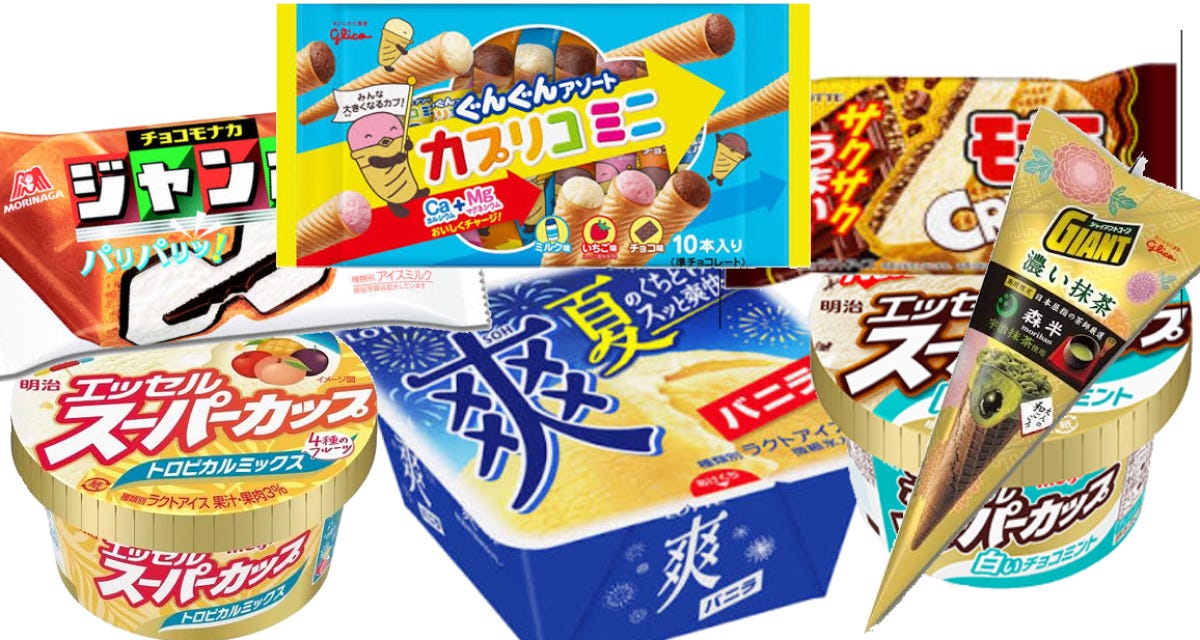
Japan’s Fair Trade Commission inspected Meiji, Lotte, Glico, and three others over suspicions they coordinated ice cream price hikes for years, 10 yen at a time, right as peak summer arrives.
Japan has an alleged ice cream cartel on its hands, and it is exactly as ridiculous and as serious as that sounds.
On June 16, the country’s Fair Trade Commission carried out on-site inspections at six of Japan’s biggest ice cream and confectionery companies, suspecting them of teaming up to fix prices. Officials say it’s the first time Japan has ever investigated a suspected cartel in the frozen dessert business.
What the Fair Trade Commission is investigating
The suspicion is coordination, not just expensive ice cream.
According to Kyodo News and NHK, senior executives at the companies allegedly spent several years holding meetings and trading emails to line up the timing and the size of their price increases. The recommended retail prices reportedly went up in tidy ¥10 steps, about six U.S. cents at a time.
The sharper accusation is the why. Investigators think the hikes were aimed at protecting profits rather than covering real cost increases, and the commission is looking into whether the companies used the cover of general inflation to push prices higher than rising ingredient costs actually justified.
The six ice cream giants that got raided
This isn’t a couple of corner creameries. It’s most of the freezer aisle.
The six are Meiji, Morinaga Milk Industry, Morinaga & Co., Lotte, Ezaki Glico, and Akagi Nyugyo, names that turn up on pudding, chocolate bars, and chewing gum in basically every supermarket and convenience store in the country. Meiji confirmed the raid and said the company would cooperate fully, stating it would “accept with sincerity the fact that our company was raided.” The other five put out similar notes.
Nobody has been found guilty of anything yet. If the commission decides a cartel existed, it can order the firms to clean up their practices and hand over a fine.
How 10 yen at a time adds up
Six cents a tub sounds like nothing. The scale is the point.
Ice cream is huge in Japan, and getting huger. Sales hit a record of more than ¥660 billion in the fiscal year ending in March, fueled by the hottest summer the country has logged since records began in 1989. Multiply a coordinated few-cent bump across that kind of volume, every brand moving in lockstep so no one undercuts anybody, and the small numbers stop being small.
The timing stings too. The raids landed right as summer, the busiest ice cream stretch of the year, gets going.
The company that once apologized for a 10-yen hike
Here’s the detail that makes this one sing.
One of the six, Akagi Nyugyo, makes Garigari-kun, the wildly popular cheap soda-flavored ice pop. Back in 2016, the company raised its price for the first time in 25 years, by a single 10 yen, from ¥60 to ¥70. The reaction became a legend: Akagi ran a TV ad in which its executives lined up and bowed in formal apology to the nation for the increase.
Ten years later, the same company is being investigated for allegedly coordinating 10-yen hikes with its rivals. The apology bow has aged into something a lot less wholesome.
The investigation is just getting started, so it’s worth remembering nobody’s proven a thing. But Japan’s regulators picked a memorable target, and they picked the exact moment everyone reaches for a cold one to do it.
Article compiled and edited by Derek Gibbs (entertainment editor) and the Clownfish TV newsroom.
D/REZZED is part of Clownfish TV. For more news, views, and rants on gaming, tech, and pop culture, visit clownfishtv.com. Watch the show on YouTube at @ClownfishTV where new episodes drop daily. Subscribe to the Clownfish TV podcast on Apple Podcasts, Spotify, iHeart, and wherever else you get your podcasts. Sign up for the free newsletter at more.clownfishtv.com.
Hat Tips:
The Associated Press, via ABC News (June 17, 2026), verified for the six companies, Meiji’s statement, the ¥10 coordination detail, and the products involved
The Japan Times and Kyodo News (June 16, 2026), verified for the JFTC on-site inspections, the suspicion that the hikes targeted profits rather than ingredient costs, and the executive meetings and emails
AFP, via Malay Mail (June 17, 2026), verified for the record ¥660 billion in ice cream sales, the hottest-summer-since-1989 context, and Akagi Nyugyo’s confirmation of cooperation
News On Japan (June 16, 2026), verified that this is the first suspected price cartel investigated in Japan’s ice cream and frozen dessert sector