

This "AI chatbot" is just one guy answering every message by hand
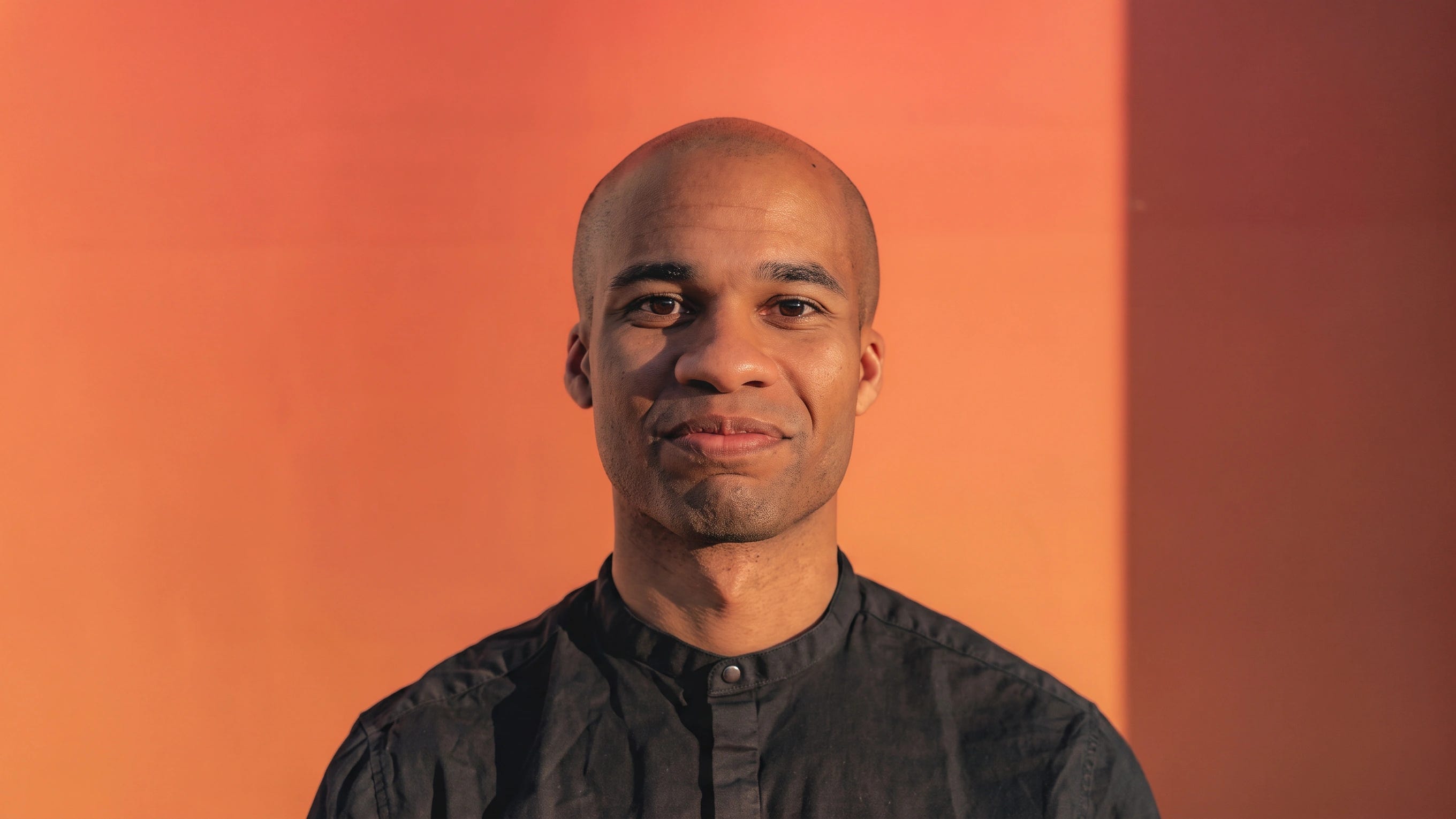
A San Francisco artist spent $6,000 on a billboard advertising ChatTJB, “the leading chat interface powered by AI.” The fine print reveals AI stands for “Average Individual.” It’s one man, Tucker Bryant, personally typing every reply, over 30,000 so far.
There’s a billboard in San Francisco advertising a cutting-edge AI chatbot called ChatTJB. Behind it is one tired guy with a phone.
The 14-by-48-foot sign went up in late July in the SoMa district, declaring ChatTJB “the leading chat interface powered by AI.” The catch is in the fine print, partly hidden behind a tree branch, where “AI” is revealed to stand not for artificial intelligence but for “Average Individual.”
The entire service is Tucker Bryant, a Stanford grad and former Google employee, reading and answering every single message himself.
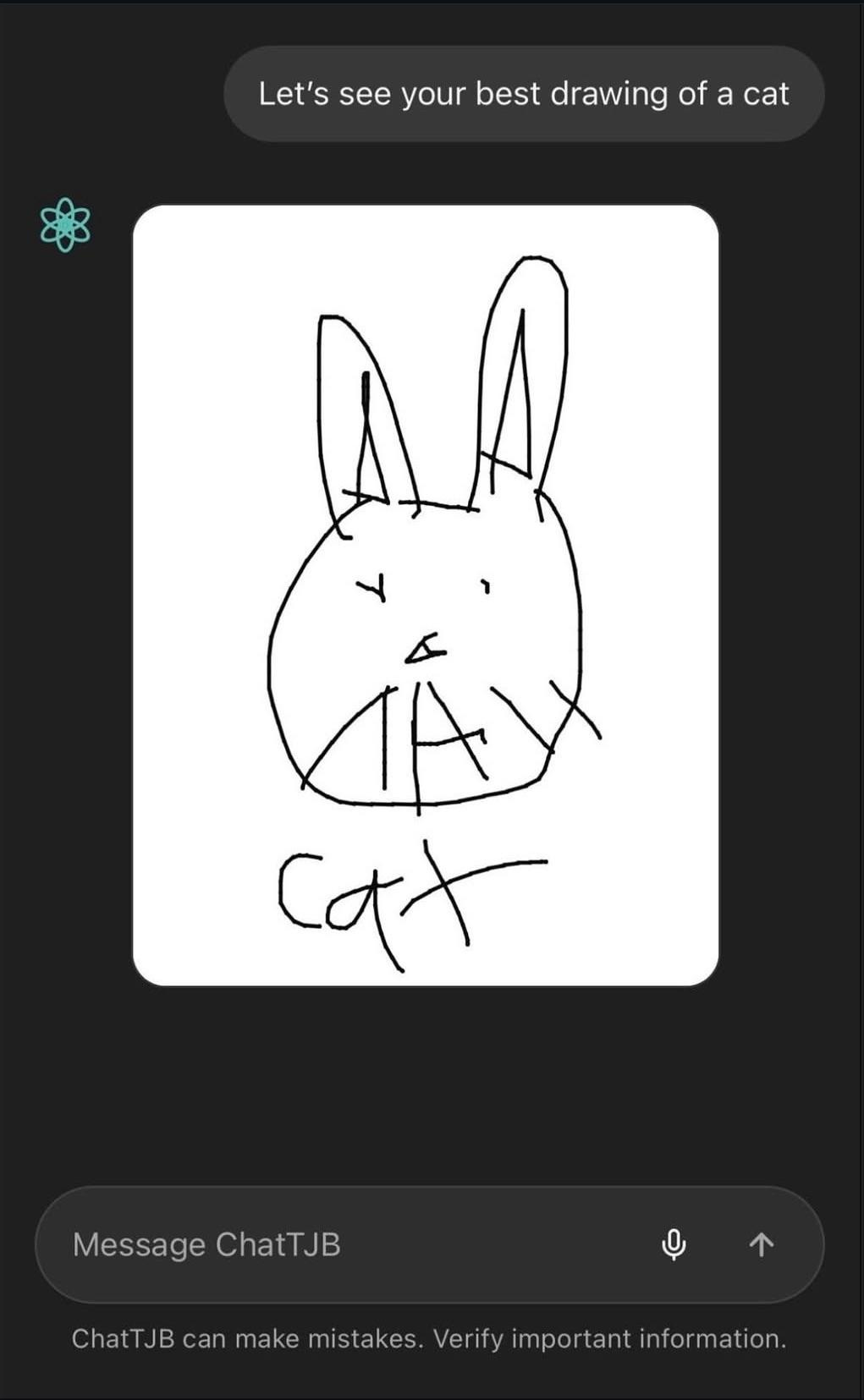
Want to know how to fry an egg? He’ll tell you. Want a drawing of a rabbit in sunglasses? He’ll sketch it, by hand, when he gets to you.
The bit, fully committed
What makes this land is how far Bryant takes it.
He’s been personally answering roughly 1,000 questions a day since the project caught fire, and more than 30,000 total, with peak demand hitting something like 5,000 requests an hour, a flood that forced the site to post a “significant demand” warning, because the language model in question needs sleep.
The website leans all the way into the gag, describing ChatTJB as “artisanal intelligence, handcrafted by a single human being,” a “single-operator large language experience” running on a “proprietary biological reasoning substrate that only delivers answers when the operator is awake and motivated.”
That’s a very elaborate way of saying: it’s a dude, and he’s tired.
The point underneath the joke
Bryant is clear that this isn’t anti-AI. It’s about something more specific.
He built ChatTJB after his partner introduced him to the phrase “cognitive surrender,” drawn from research suggesting people overwhelmingly trust chatbot answers even when those answers are wrong.
His worry, as he put it, is that we increasingly trust AI output so easily that we stop bringing our own creativity or critical thinking to it, and over time that weakens our ability to be fully-functioning, thinking people.
The billboard is a joke, of course, but some people are taking AI very seriously.
And there’s an unexpected payoff he didn’t plan for. Bryant says that after bracing for trolls, chatting with actual humans through his fake-chatbot has been “surprisingly meaningful,” with some people asking genuine questions and getting a real person, an average individual, on the other end.
In a week where a Cloudflare exec warned humans are becoming a “rounding error” on a web overrun by AI agents, a guy manually typing 30,000 answers to prove people still want to talk to people is either a beautiful protest or a cry for help.
Bryant, to his credit, seems fine with it being both.
Article compiled and edited by Derek Gibbs (entertainment editor) and the Clownfish TV newsroom.
D/REZZED is part of Clownfish TV. For more news, views, and rants on gaming, tech, and pop culture, visit clownfishtv.com. Watch the show on YouTube at @ClownfishTV where new episodes drop daily. Subscribe to the Clownfish TV podcast on Apple Podcasts, Spotify, iHeart, and wherever else you get your podcasts. Sign up for the free newsletter at more.clownfishtv.com.
Hat Tips:
Hoodline (August 2026), verified for the 14-by-48-foot SoMa billboard at Sixth and Folsom, the late-July launch, the “Average Individual” fine print obscured by tree branches, Bryant’s Stanford and Google background, the Tucker Bryant Enterprises LLC registration, and the ~1,000-people-a-day and 30,000-total figures
Futurism (August 2026), verified for the “cognitive surrender” inspiration, the University of Pennsylvania research reference, Bryant’s not-anti-AI framing, the “worst LLM of all time” video quote, and the Gazetteer SF first report
PC Gamer (August 2026), verified for the “artisanal intelligence” and “single-operator large language experience” descriptions, the “I tend to overcommit to bits” quote, the hand-drawn images, and the “surprisingly meaningful” reaction
Ynetnews and Upworthy (August 2026), verified for the biological-reasoning-substrate joke, the 5,000-requests-per-hour peak, the significant-demand warning, the April launch, and the sore-fingers detail