

Travis Walton’s real UFO story was nothing like Fire in the Sky, the movie made it a horror show
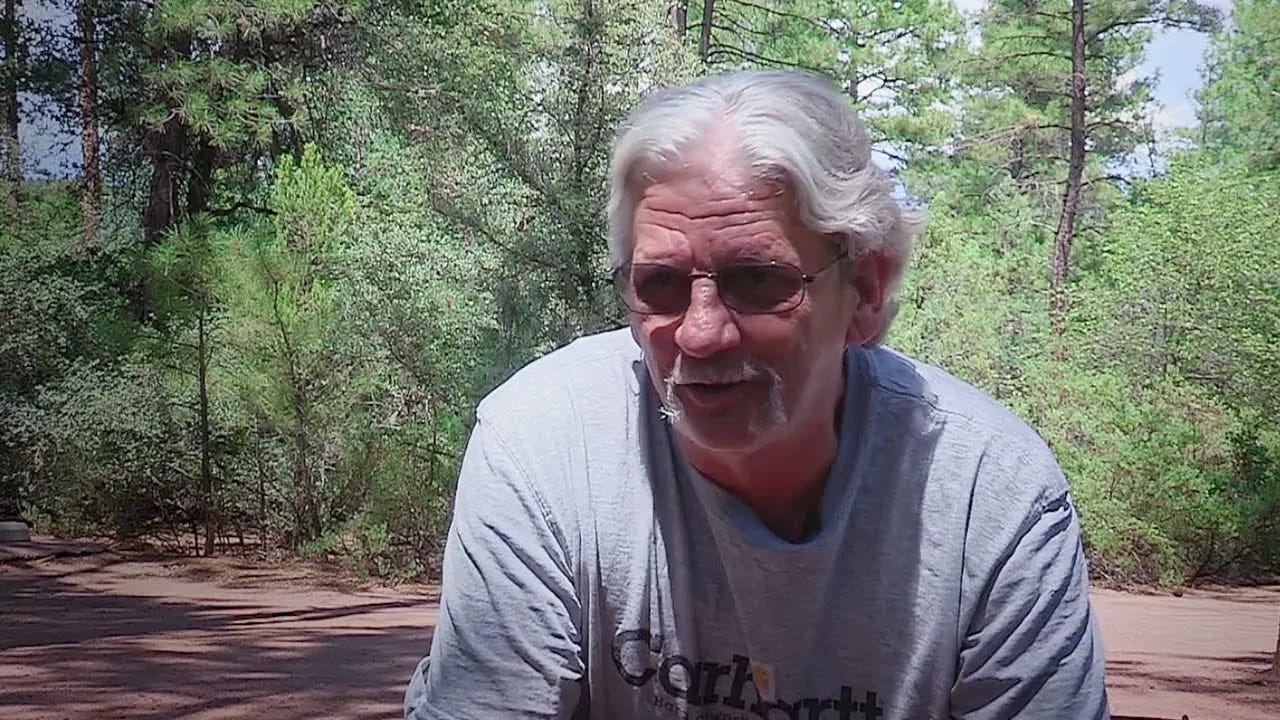
Travis Walton is trending again 50 years after his famous alleged alien abduction. But the terrifying torture scene from the 1993 movie Fire in the Sky? Walton says that’s Hollywood invention. His real account was strange, but far less of a nightmare. Here’s the difference, plus a fun E.T. connection.
Travis Walton is one of the most famous names in UFO history, and he’s trending again. His 1975 alleged alien abduction inspired the cult 1993 movie Fire in the Sky, remembered for one of the most disturbing abduction scenes ever put on film.
Here’s the twist a lot of people don’t know: Walton says that horrifying scene is mostly made up. His real account was deeply weird, but nowhere near the torture-porn nightmare the movie sold. Let’s break down the difference.
Why he’s trending again
First, a quick word on why this 50-year-old story is back in the conversation.
A few things have lined up. The incident just passed its 50th anniversary (it happened in November 1975), there’s a renewed mainstream fascination with UFOs and UAPs thanks to government disclosures, and recent TV specials have re-examined the case with new forensic angles. Put it together and a whole new audience is discovering Travis Walton, and rewatching Fire in the Sky.
The basic story everyone agrees on
Let’s start with the parts of the story that are consistent, movie and real life.
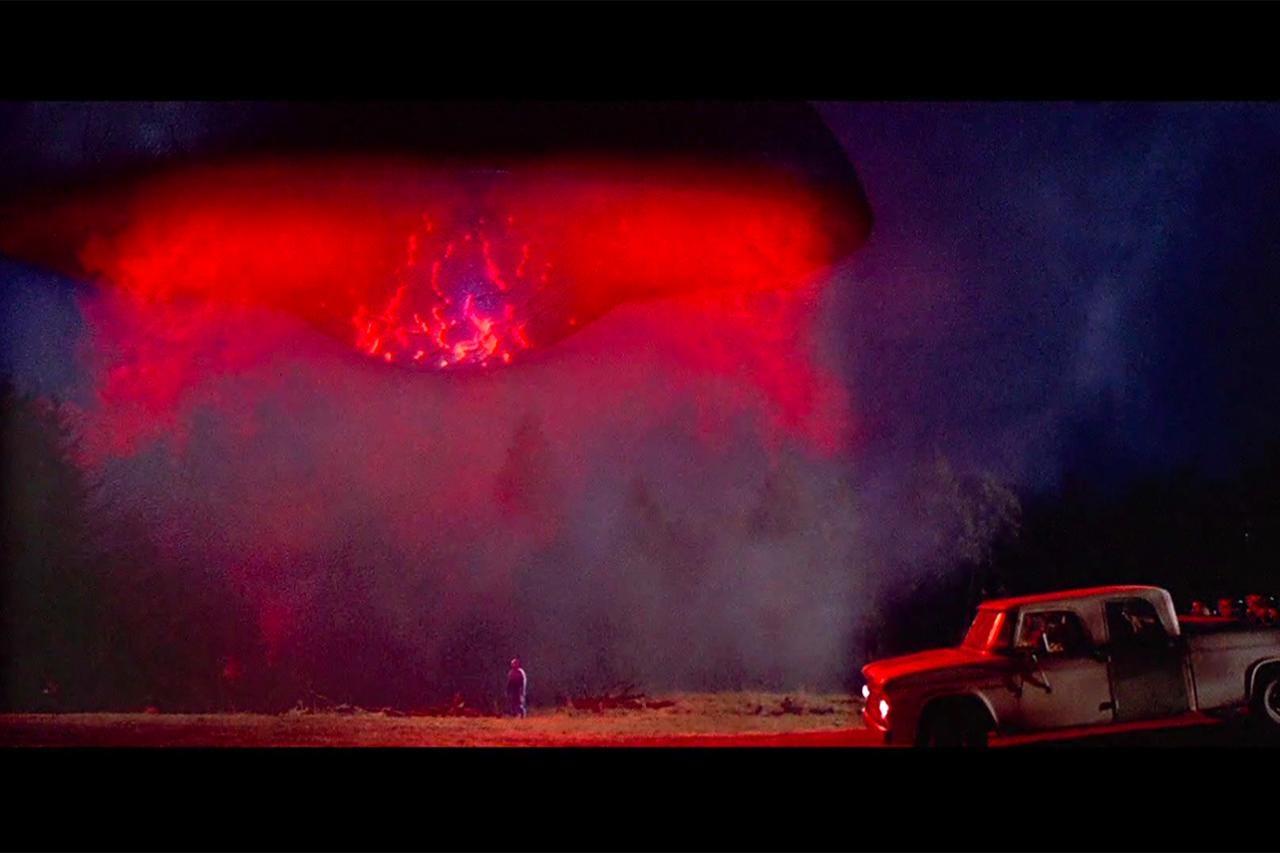
On November 5, 1975, Walton, then a 22-year-old logger, was driving home with six co-workers after a day clearing timber in Arizona’s Apache-Sitgreaves National Forest. They spotted a glowing, disc-shaped object hovering in the woods.
Walton did the unthinkable, he got out of the truck and approached it. A beam of light struck him and knocked him to the ground. His terrified crewmates fled, believing he was dead. When they came back, he was gone.
Walton vanished for five days. A massive search turned up nothing, and suspicion fell on the crew, police suspected the men had murdered him and invented the UFO story. Then Walton suddenly reappeared, disoriented and shaken, with a wild tale of what happened. That much, the movie and Walton tell the same way.
What the movie showed
Here’s where Fire in the Sky became legendary, and where it left the truth behind.
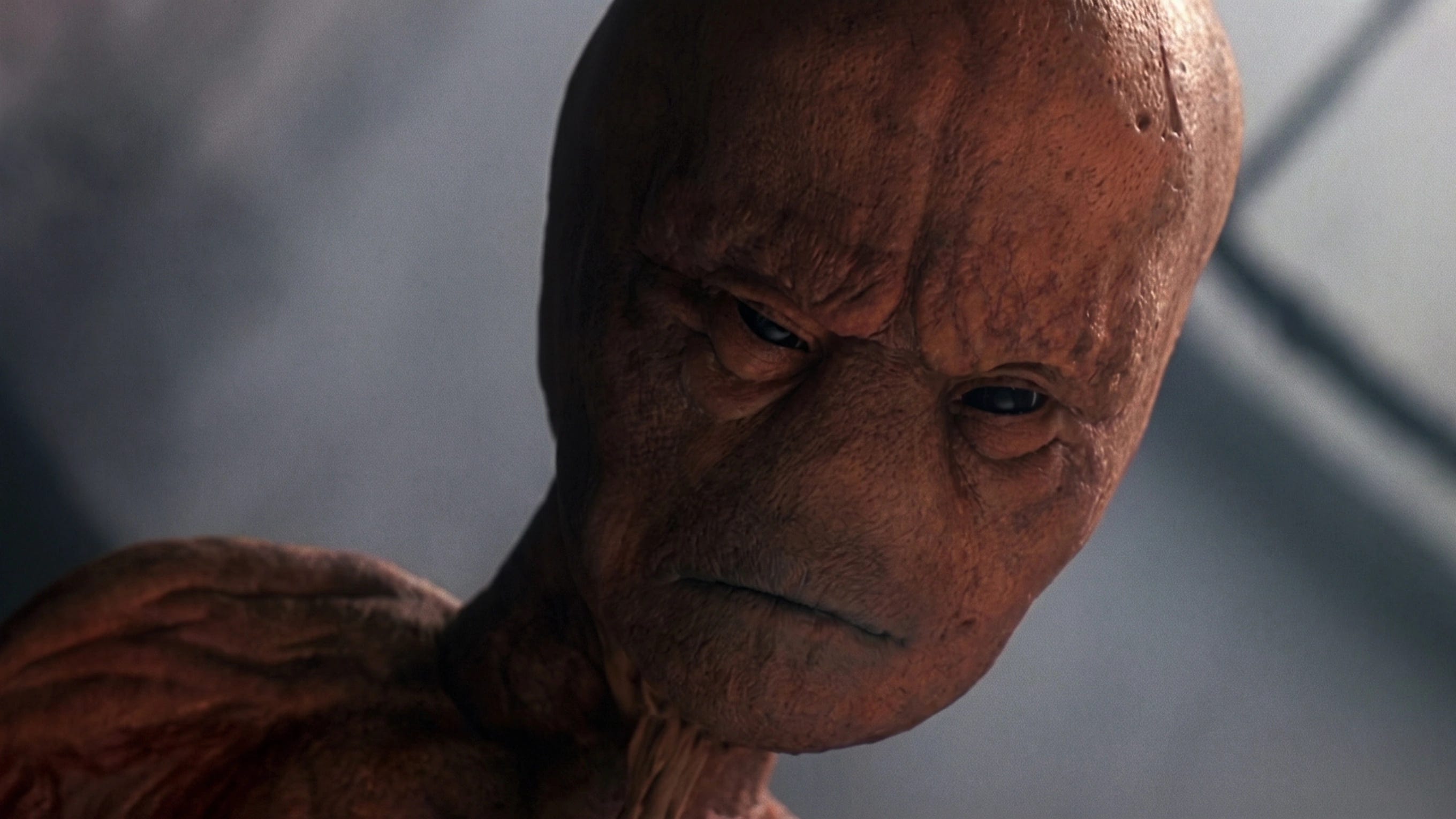
In the film’s famous final act, Walton wakes up inside the ship trapped in a gross, cocoon-like membrane. He breaks free and stumbles through a nightmarish, grimy vessel filled with floating human bodies. Then the aliens get him.
The movie’s creatures are the stuff of nightmares, withered, vaguely humanoid horrors who pin a struggling, screaming Walton to a table and perform brutal experiments, jamming probes into his eye, his ear, his throat, with no anesthetic. It’s genuinely disturbing, body-horror that scarred a generation of ‘90s kids. It’s also the scene the film is best known for.
What Walton actually said happened
Now here’s his real account, and it’s a totally different vibe.
By Walton’s telling, he woke up not in a slimy cocoon but in a clean, warm, metallic room. The first beings he saw were short, with large eyes, the classic “grey” look. But far from being strapped down and tortured, Walton says he panicked and got aggressive, grabbing a glass-like rod and threatening them, and the creatures simply backed off and left.
He then wandered the ship on his own (no torture, no restraints) until he encountered a different set of beings: tall, attractive, human-looking figures who seemed friendly. They calmly and gently guided him, led him to another room, and placed a soft mask over his face, at which point he passed out and later woke up back on Earth, near a gas station.
That’s the real story: confusing, eerie, dreamlike, and even oddly gentle in parts, not the sadistic gorefest the movie invented. As Walton himself put it, the film’s version was “Hollywood horror.” His real experience was frightening, but it wasn’t a torture chamber.
Why Hollywood changed it
So why did the movie ditch the real account for the nightmare version? The answer is blunt.
According to screenwriter Tracy Tormé, studio executives found Walton’s actual story boring. His real account, of bug-eyed greys, a wander around an unsupervised ship, and kindly human-like figures in what felt like a hospital, was also considered too similar to other famous abduction stories of the era.
So the filmmakers “punched it up” into the now-iconic horror sequence. It made for a more terrifying movie, but it means the scene everyone remembers from Fire in the Sky is essentially fiction bolted onto a “true” story. The drama of the disappearance and the small-town suspicion? Largely accurate. The alien torture? Invented.
The fun part: Elliott from E.T. is in it
Here’s a great bit of trivia that makes this even better.
One of Walton’s logger co-workers in the movie is played by Henry Thomas, the actor who, eleven years earlier as a child, played Elliott in Steven Spielberg’s E.T. the Extra-Terrestrial.
Think about that for a second. The kid who befriended the lovable, gentle alien in the most heartwarming UFO movie ever made grew up to costar in one of the most terrifying alien movies ever made. From “E.T. phone home” to running from a flying saucer in the Arizona woods, Henry Thomas has been on both wildly opposite ends of the Hollywood alien experience. (For the record, Walton himself is played by D.B. Sweeney, but the E.T. connection is too fun to ignore.)
Is any of it true?
In fairness, we should note the story is heavily debated.
Skeptics have long argued the whole thing was a hoax. UFO researcher Philip J. Klass claimed it was financially motivated and poked holes in the polygraph evidence, and noted skeptic Michael Shermer has flatly said he doesn’t believe Walton was abducted, chalking it up to deception or self-deception. Walton, for his part, has stuck to his story for 50 years, passed multiple polygraph tests over the decades, and never changed his account or notably profited in a way that resolved the debate.
So is it real? That’s up to you. Walton’s crewmates passed lie-detector tests and stuck to the story for decades, which believers find compelling. Skeptics see a prank that spiraled. There’s no smoking gun either way, which is exactly why the case still fascinates people 50 years later.
What’s not really in dispute is that the movie took big liberties. Whatever you believe happened in those Arizona woods, the real Travis Walton story and the Fire in the Sky version are two very different tales, one an eerie, dreamlike mystery, the other a Hollywood horror show. And knowing the difference, weirdly, makes the real one even more interesting. Sometimes the true story is stranger, and stranger for being quieter, than anything Hollywood would let you put on screen.
Want More Clownfish TV?
This article was brought to you in part by The Reefers of more.clownfishtv.com. Free subscribers get articles like this one in their inbox. Paid subscribers get the full Clownfish TV podcast feed, livestreams, and members-only episodes that never hit YouTube.
D/REZZED is part of Clownfish TV. For more news, views, and rants on gaming, tech, and pop culture, watch @ClownfishTV on YouTube and find the podcast on Apple Podcasts, Spotify, and iHeart.
Article compiled and edited by Derek Gibbs (entertainment editor) and the Clownfish TV newsroom.
Hat Tips:
Wikipedia and Screen Slate (2023-2026), verified for the film’s deviation from Walton’s account, the Tracy Tormé “executives found it boring” detail, the cocoon/probing horror sequence being fictionalized, the 1975 incident facts, and the Henry Thomas / D.B. Sweeney casting
STM Daily News and IsTrueStory (2025-2026), verified for Walton’s real account (clean metallic room, grey beings, the glass-rod defense, the tall human-like figures, the mask), his “Hollywood horror” characterization, and the more-realistic-uncertainty framing
Giant Freakin Robot and Victor Stiff Reviews (2023-2026), verified for the movie’s experimentation sequence details, the $15M budget, director Robert Lieberman’s hoax suspicions, and the renewed-interest context
Horror News and Bloody Disgusting (2022-2024), verified for the skeptic arguments (Philip J. Klass, Michael Shermer), the polygraph disputes, the 50th-anniversary/UAP-revival context, and the discovery+ re-examination special