

Twitch CEO claims viewbotting won’t help streamers, but creators disagree
Dan Clancy says only 7% of Twitch sessions are driven by high-to-low sorting, but Kick’s co-founder calls the whole thing a “huge LARP.”
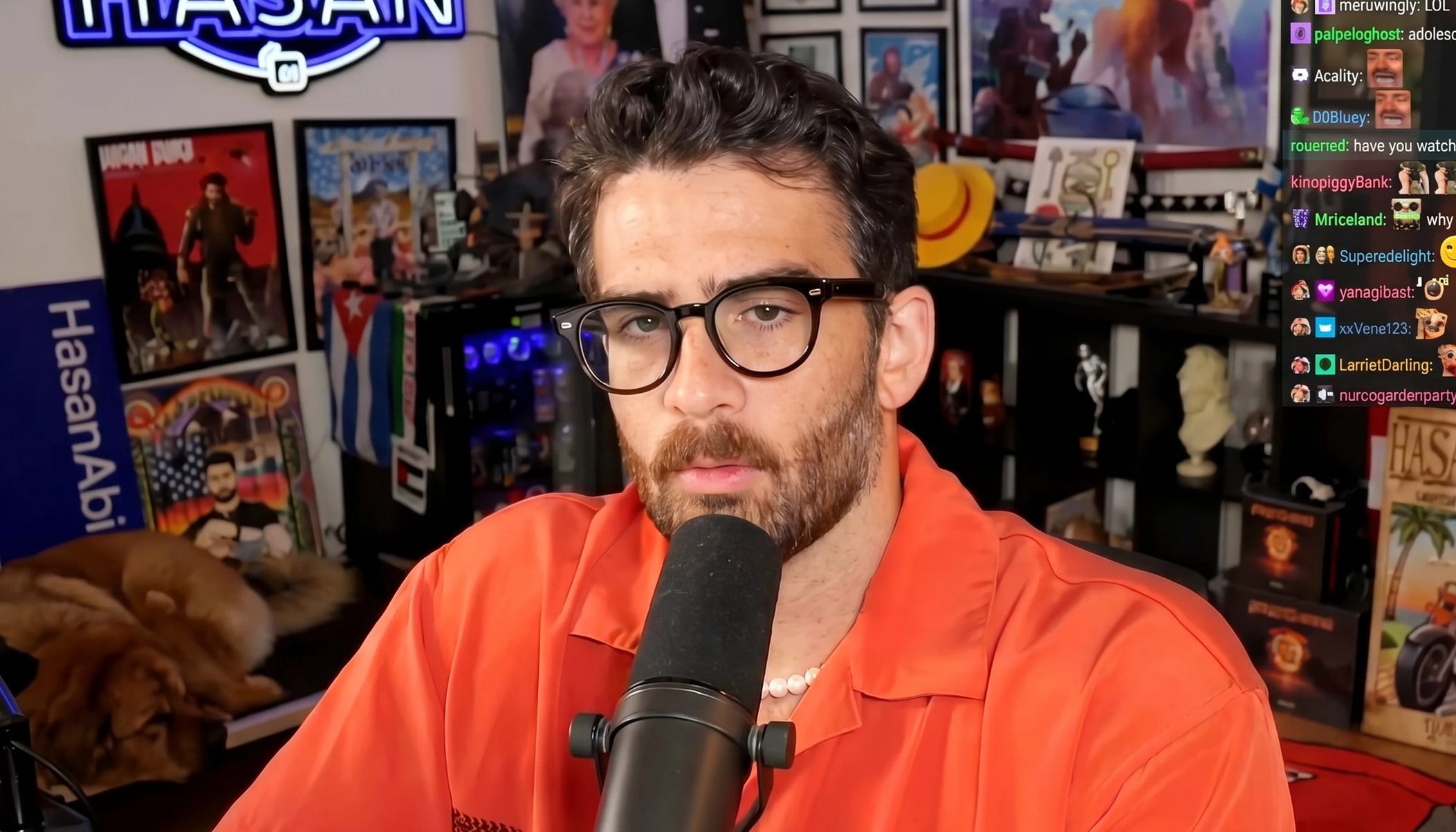
Twitch CEO Dan Clancy has taken a firm public stance against viewbotting, claiming the practice does almost nothing to boost a streamer’s long-term discoverability or growth. But the creator community is not buying it, and even rival platform leaders are openly calling the move a stunt.
On May 7, 2026, Clancy issued a detailed statement via the official Twitch Support account on X.
“Viewbotting is bad for our business. We don’t benefit from it, and we believe it harms the creator ecosystem overall,” he wrote.
Clancy announced a new enforcement system. Channels caught persistently viewbotting will have their concurrent viewer count, or CCV, capped based on historical non-botted traffic.
“For channels identified as persistently viewbotting, we will apply a cap to the streamer’s CCV for a fixed period of time, on all of the Twitch surfaces. The cap will be based upon historical data regarding that creator’s non-viewbotted traffic. Repeated violations will result in longer penalties,” Clancy wrote.
Streamers will be notified when an enforcement is applied and can appeal through the appeals portal. Twitch is not publicly identifying which creators are being penalized, with Clancy explaining that “providing details simply makes it easier for companies to work around our interventions.”
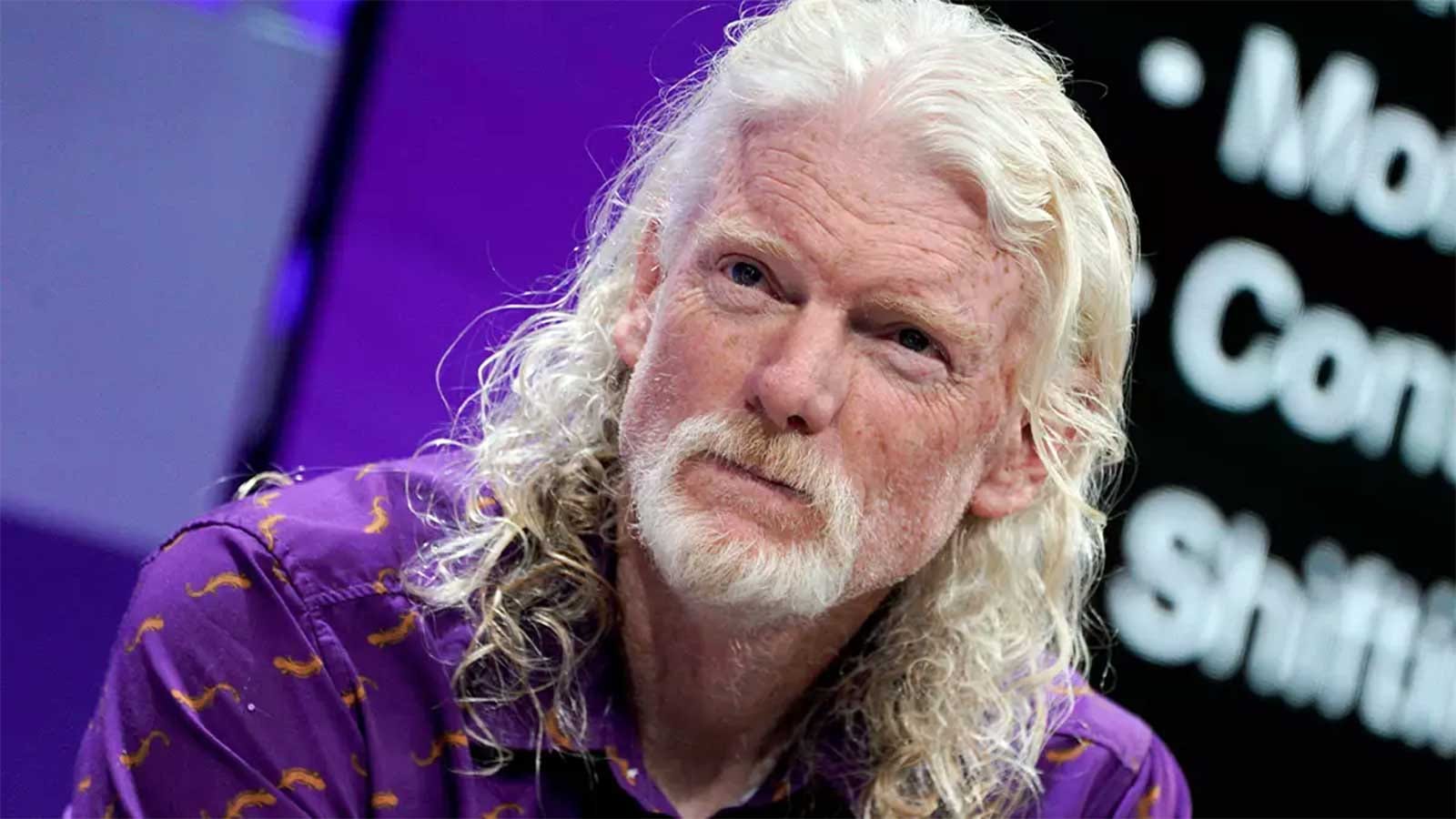
Clancy says only 7% of sessions actually use high-to-low sort
In a follow-up broadcast in late May, Clancy elaborated on the platform’s discovery mechanics.
“On our discover surfaces, there are two types of sort that you can use. High to low or recommended. Today, 60% of sessions use the recommended sort, not high to low. And this is default for new viewers and logged out sessions,” he said.
He continued, “Viewbots have almost no impact on the recommended sort. If you’re using recommended, you’re not being influenced by viewbots and it doesn’t help promote the channel.”
Clancy added that only 7% of 5-minute plays on the platform are driven by browse and discover tabs when sorted from high viewer counts to low. The implication is that even if viewbotting moves a stream up in the high-to-low view, very few users are actually finding streams that way.
On paper, the message is clear. Don’t bother with bots, they don’t help you get found.
Streamers and Kick’s co-founder say viewbotting absolutely works
Twitch’s position has been met with widespread skepticism from the creator community. Many streamers and analysts argue that viewbotting remains a powerful, if risky, tool for gaining initial visibility, social proof, and raid traffic, especially for smaller or mid-tier creators trying to break out.
The most prominent pushback came from Bijan Tehrani, co-founder of rival streaming platform Kick. On May 7, Tehrani quote-tweeted the Twitch announcement and called it a “huge LARP.”
“Twitch already caps view counts, we got this idea from their staff years ago. They won’t ban famous streamers. The same arguments apply (someone else is botting me),” Tehrani wrote.
Streamer John “Tectone” Rinaldi reacted to a separate Clancy claim that most viewbotting is done by small streamers, not top creators, by calling Clancy “genuinely trolling.”
“If Dan genuinely thinks his top streamers aren’t boosted by 40-60% he is trolling. This is him running defense for his top earners,” posted creator yeet in a viral comment Tectone amplified.
Critics point out that inflated CCV numbers still appear on default “Recommended” and category pages, creating a perception of popularity that can lead to real organic growth. High viewer counts also make it easier to attract sponsors, who often use raw numbers as a quick proxy for influence.
The backlash has been loud on platforms like Reddit‘s r/LivestreamFail and X. Earlier in 2025, prominent streamer Trainwreckstv publicly accused “99% of streamers” of viewbotting, and former Counter-Strike pro Shroud joked about recommending the practice to fellow broadcasters, arguing that Twitch was not doing enough about it.
A Twitch manager reportedly told a streamer to buy viewbots
Perhaps the most embarrassing moment for Twitch’s official position came when a top Twitch manager reportedly told a streamer that good content “isn’t enough” and that buying viewbots was the way to grow on the platform. The reporting, covered by Dexerto and other outlets, directly contradicts Clancy’s public stance and suggests the platform’s internal culture around viewbotting is more permissive than its public statements imply.
Amazon’s payout cuts and Twitch’s layoff history
Twitch’s tough talk on viewbotting comes amid broader financial pressure from parent company Amazon. The platform has never been consistently profitable despite generating billions in revenue. Amazon acquired Twitch for $970 million in 2014, and the service has undergone multiple rounds of cost-cutting, including major layoffs in 2023 and 2024.
Subscription revenue splits for streamers have been reduced over the years, and ad revenue payouts and other creator incentives have faced repeated scrutiny and adjustments. Clancy himself has repeatedly emphasized the need for a “sustainable business,” noting in past memos that the organization was sized for optimistic future growth that has not fully materialized.
Twitch struggles significantly with advertising compared to YouTube, where algorithmic discovery and premium ad inventory generate far higher revenue per viewer.
In 2021, Twitch removed approximately 7.5 million suspected bot accounts in a single sweep, illustrating both the scale of the problem and the fact that the platform has been fighting this battle for years without resolving it.
Is viewbotting tolerance a numbers game for Amazon?
This is where the skepticism turns conspiratorial, but not entirely without logic. Some creators and industry observers openly wonder whether Twitch’s historically lax enforcement on viewbotting, until recent crackdowns, served as a quiet way to inflate platform-wide metrics. Higher concurrent viewer numbers make Twitch look more vibrant to advertisers and, crucially, to Amazon executives deciding the platform’s future.
If real engagement is lower than reported, viewbots help maintain the illusion of a thriving ecosystem, one that justifies continued investment rather than further cuts or even a potential sale or shutdown. Twitch’s inability to match YouTube’s ad efficiency has long been a sore spot internally. By allowing, or at least struggling to eliminate, inflated numbers, the platform may have been buying time to show growth on paper.
Twitch insists it does not benefit from bots and that they harm legitimate creators. But the timing of the new enforcement push, coming after years of complaints, public accusations from major streamers, and ongoing profitability concerns, has many wondering if the company is finally cracking down because the numbers game is no longer working.
The bottom line
Clancy’s claim that viewbotting doesn’t meaningfully help streamers get found is technically consistent with the platform’s internal discovery data. However, it stands in stark contrast to years of creator experiences, widespread industry chatter, the platform’s own history of uneven enforcement, and even the reported behavior of Twitch’s own managers.
Combined with repeated payout adjustments, multiple rounds of layoffs, and Twitch’s persistent unprofitability relative to YouTube, the viewbotting debate feels less like a simple policy update and more like a symptom of deeper structural issues. Whether the new CCV caps will actually clean up the platform, or simply push botters toward more sophisticated tools, remains to be seen.
For now, the message from the top is clear. Viewbotting won’t get you discovered. But in an ecosystem where real growth is harder than ever and the parent company is laser-focused on the bottom line, many streamers remain unconvinced that the rules are being applied evenly, or that the platform itself is not quietly relying on the very inflation it now claims to oppose.
Article compiled and edited by Derek Gibbs (entertainment editor) and the Clownfish TV newsroom.
D/REZZED is part of Clownfish TV. For more news, views, and rants on gaming and tech, visit clownfishtv.com. Watch the show on YouTube at @ClownfishTV where new episodes drop daily. Subscribe to the Clownfish TV podcast on Apple Podcasts, Spotify, iHeart, and wherever else you get your podcasts. Sign up for the free newsletter at more.clownfishtv.com.
Hat Tips:
Dexerto, Engadget, Tubefilter, Shacknews, and Dataconomy, coverage of Dan Clancy’s May 7, 2026 viewbotting CCV cap announcement
Twitch Support and Dan Clancy official statements on X
Sportskeeda, coverage of Bijan Tehrani’s “huge LARP” response and Tectone’s reaction to Clancy’s small-streamer claim
PRIMETIMER and Game Rant, coverage of Trainwreckstv, Shroud, and HasanAbi’s prior comments on Twitch viewbotting
Historical Amazon and Twitch layoff announcements and creator ecosystem analysis from Forbes and Tubefilter
Industry reporting on the 2021 7.5 million bot account purge and Twitch’s longstanding viewbot enforcement history