

Ubisoft closes two studios and tried to silence the layoff news
Ubisoft shut Winnipeg and Belgrade with up to 380 jobs at risk, then sent press an embargoed announcement of its own layoffs. The shrunken gaming press mostly played along.
Ubisoft closed two more studios this week. That’s not even the strangest part of the story.
On June 10, 2026, Ubisoft shut down Ubisoft Winnipeg and Ubisoft Belgrade entirely, cut 51 jobs at Barcelona, an undisclosed number (”dozens” per Insider Gaming) at San Francisco, and more across its Global Publishing division.
Internal messaging obtained by Insider Gaming puts the total at up to 380 roles at risk, roughly 2.3 percent of Ubisoft’s 15,000-plus workforce. It’s the company’s sixth restructuring round of 2026, following earlier cuts at Halifax and Red Storm, bringing the year’s running total to approximately 680 jobs eliminated or at risk.
Then came the part that turned the gaming press into the story. Ubisoft sent the layoff announcement to media outlets under embargo, with a coordinated 1 PM ET publish time. An embargo. For layoffs.
What Ubisoft actually cut on June 10
The receipts, location by location.
Ubisoft Winnipeg: closed, approximately 65 jobs gone. The studio handled support and tech work on the Anvil and Snowdrop engines plus titles like Far Cry 6 and Assassin’s Creed Valhalla.
Ubisoft Belgrade: closed, approximately 100 jobs gone. Founded 2016, co-developed Ghost Recon Wildlands, The Crew 2, Skull and Bones, and the recently revealed Assassin’s Creed Black Flag Resynced.
Ubisoft Barcelona: 51 layoffs, with the surviving studio restructured to work exclusively on Rainbow Six projects.
Ubisoft Montréal: roughly 120 developers ramped off Rainbow Six Siege and around 50 more off Rainbow Six Mobile and an unannounced project. Reassigned, not laid off, for now.
The Winnipeg story has an extra layer of bleak. When the studio opened in 2018, Ubisoft pledged a $264 million investment and committed to growing the team to 300 employees by 2030.
It closed eight years later at roughly 65 people, and its closure left Rainbow Six Mobile without a dedicated core team less than four months after the game’s global launch.
The money behind Ubisoft’s sixth round of cuts
The financial context explains the panic pace. Ubisoft reported a record operating loss of €1.3 billion for its fiscal year ending March 2026, on revenue that fell roughly 22 percent year over year, per TechTimes’ reporting on the results. The company is chasing €500 million in fixed-cost savings by March 2028 and has already warned investors that the coming fiscal year will be another rough one before a projected return to profitability in 2027-28.
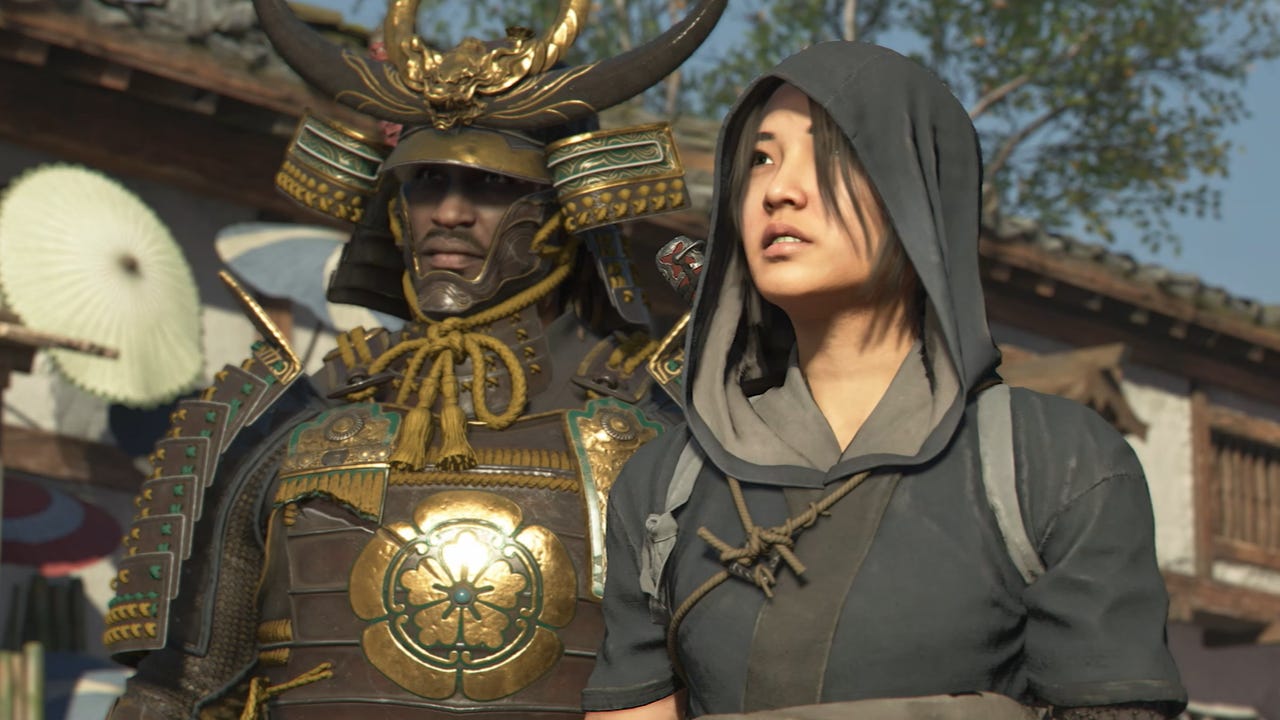
The 2026 release slate is thin enough to see through: the Assassin’s Creed IV Black Flag remake in July, a Rayman Legends remake announced, and the bigger Far Cry and Ghost Recon projects reportedly pushed to 2027 and beyond.
One more structural detail worth keeping in your back pocket. Tencent owns a 25 percent stake in Vantage Studios, the Ubisoft subsidiary housing Assassin’s Creed, Far Cry, and Rainbow Six, via a €1.16 billion investment. Winnipeg and Belgrade sat outside that protected umbrella. When the budget axe came down, it landed on the studios Tencent’s money doesn’t touch. Maybe that’s coincidence. The pattern of which studios keep dying suggests otherwise.
Speaking of how this news got out
Here’s the part that should bother anyone who cares about a functioning games press.
Insider Gaming’s Mike Straw broke the Winnipeg closure the way layoff news normally breaks: sources inside the company, employees who’d just been told in a morning meeting. Standard accountability journalism.
Ubisoft’s PR operation, meanwhile, was running a different play. Per Aftermath, the company sent several well-known outlets a press release about its own layoffs under embargo, with a coordinated lift time of 1 PM ET / 6 PM BST. Aftermath spoke to reporters at multiple outlets who confirmed they’d received it.
Embargoes are for review code and console announcements. They exist so outlets can prepare coverage of a product. Applying one to news that 380 people are losing their livelihoods means the company gets to schedule its own bad news like a marketing beat, complete with a synchronized publish time that buries the individual reporting under a wall of identical stories.
And most of the embargoed outlets apparently went along with it. The backlash on social media came fast, with developers and journalists arguing that agreeing to an embargo on layoff news makes the press an extension of the publisher’s comms department. Hard to argue otherwise.
The press taking this deal keeps getting smaller
The reason publishers can pull this off in 2026 is that the gaming press barely exists to refuse.
Game Informer was shut down by GameStop, abruptly, with its decades-deep article archive deleted from the internet (fans are still rebuilding it from web archives). Eurogamer and the Gamer Network brands went through fresh editorial layoffs under IGN ownership in February. The Verge and Inverse cut gaming staff in January. Gamurs Group cut 30 staff and blamed Google’s algorithm updates by name.
Per Press Engine data cited in industry coverage, the global pool of working game journalists is down roughly 25 percent just since late October 2025.
Every newsroom that closes makes the remaining ones more dependent on publisher access, review code, and embargoed press releases to fill the content pipeline with fewer hands. A publisher like Ubisoft can hand a thinned-out press corps a pre-scheduled layoff announcement because the outlets that would have told them to pound sand mostly don’t exist anymore.
The ones doing the actual source-based reporting (Insider Gaming on this story, the worker-owned Aftermath on the embargo itself) are mostly the independents who answer to readers instead of access.
Remember when the worry was games journalists being too cozy with publishers over review scores? The 2026 version is publishers scheduling the press coverage of their own layoffs. Cozy got industrialized.
Where Ubisoft goes from here
Six rounds of cuts in six months reads like a company chasing its own falling revenue downhill, not executing a plan. The €500 million savings target runs through 2028, which means more rounds are coming, and the studios outside the Tencent-backed Vantage umbrella now know exactly where they stand on the org chart.
Maybe the Black Flag remake prints money in July and buys everyone some air. Maybe round seven lands before then.
Either way, when the next announcement comes, check the timestamp on the coverage. If every outlet publishes at the same minute, you’ll know who wrote the schedule.
Article compiled and edited by Derek Gibbs (entertainment editor) and the Clownfish TV newsroom.
D/REZZED is part of Clownfish TV. For more news, views, and rants on gaming, tech, and pop culture, visit clownfishtv.com. Watch the show on YouTube at @ClownfishTV where new episodes drop daily. Subscribe to the Clownfish TV podcast on Apple Podcasts, Spotify, iHeart, and wherever else you get your podcasts. Sign up for the free newsletter at more.clownfishtv.com.
Hat Tips:
Insider Gaming / Mike Straw (June 10, 2026), original source-based reporting on the Ubisoft Winnipeg closure including the morning management meeting, the approximately 65 affected employees, the 120 developers ramped off Rainbow Six Siege, the roughly 50 off Rainbow Six Mobile and an unannounced project, and the internal message citing up to 380 roles at risk
Aftermath (June 10, 2026), primary reporting on the Ubisoft press embargo including the 1 PM ET / 6 PM BST lift time, confirmation from reporters at multiple outlets that embargoed releases were received, and the analysis of embargo norms being applied to layoff news
Game Developer (June 10, 2026), the Winnipeg and Belgrade closures, the Barcelona restructuring toward Rainbow Six exclusively, the Global Publishing cuts, and the up-to-380 figure pending consultation
Game Informer (publication archive via reporting) (June 10, 2026), the studio histories including Winnipeg’s January 2019 opening and support credits, Belgrade’s 2016 founding and project credits including Assassin’s Creed Black Flag Resynced
Kotaku (June 10, 2026), the broader restructuring context including the 15,000-plus workforce figure, the thin 2026 slate, the July Black Flag remake, and the delayed Far Cry and Ghost Recon projects
TechTimes (June 11, 2026), the cumulative 2026 layoff math including the approximately 680 jobs across six rounds, the €1.3 billion record operating loss for the fiscal year ending March 2026, the 21.8 percent revenue decline, the €500 million cost-reduction target by March 2028, and the Rainbow Six Mobile timeline
Gagadget (June 11, 2026), the Winnipeg investment history including the $264 million pledge and 300-employee 2030 target (crediting Shacknews), the Tencent Vantage Studios analysis, and the six-rounds-in-2026 framing
Outrun Gaming (Medium), citing Press Engine data (February 2026), the 25 percent decline in the global game journalist pool since late October 2025, and the Eurogamer / Gamer Network editorial layoffs under IGN ownership
Aftermath (January 2026), the Verge and Inverse gaming staff cuts
Press Gazette (September 2024), the Gamurs Group 30-staff layoff attributed to Google’s algorithm changes