

Five games lose online functionality across August, one becoming entirely unplayable. It’s happening two months after the European Commission declined to require publishers to keep games working, offering a voluntary code of conduct instead.
August is one of the heaviest months for game server shutdowns this year, and most of it is being reported as scattered housekeeping notices rather than as a single thing happening.
Here is the schedule.
August 20 — NBA 2K Playgrounds 2 and WWE 2K Battlegrounds lose online features. Both were already delisted.
August 25 — Warface: Clutch goes dark. Because it is online-only, it becomes completely unplayable.
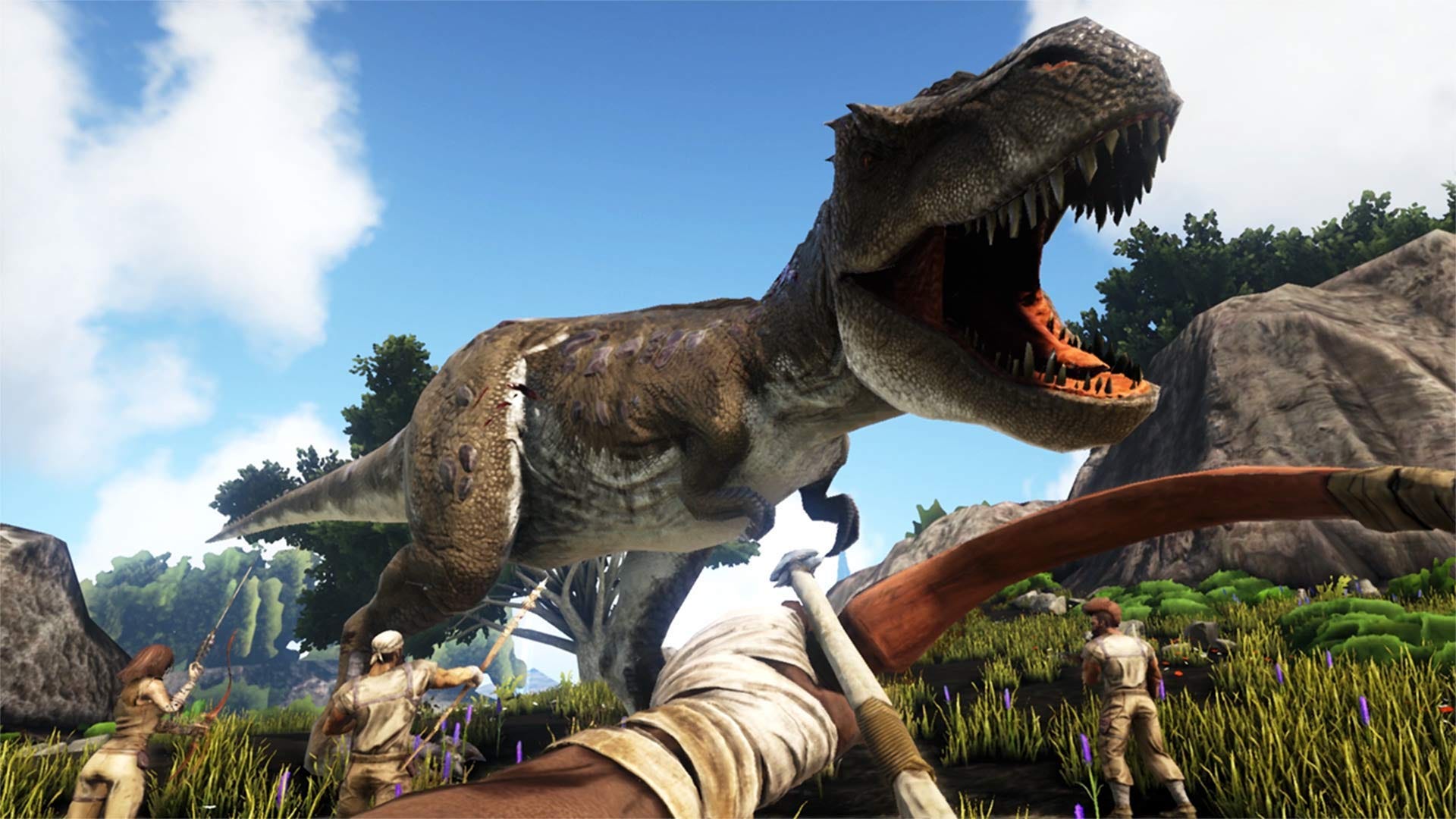
August 31 — NHL 22 and NHL 23 servers deactivate. ARK: Survival Evolved and its Ultimate Survivor Edition shut down. Let It Die‘s servers close.
September 3 — Star Trek: Legends shuts down, apparently over licensing, following the delisting of Star Trek: Resurgence.
Push Square counted more than ten PS4 and PS5 titles delisted or switched off across July and August alone.
What else quietly switched off
Two more items belong in the tally.
The PS3 store closes this month in Mexico, Honduras, and Nicaragua. Everyone else has until July 2027. PlayStation Stars, Sony’s loyalty program, wound down at the end of July, with unspent points expiring.
New World: Aeternum stopped accepting purchases in July ahead of a full shutdown in January 2027.
The law that was supposed to address this
Two months before this month’s shutdowns, the campaign built to prevent them lost.
Stop Killing Games started after Ubisoft shut down The Crew in March 2024, taking an always-online racing game with an estimated 12 million players offline permanently and later revoking licenses from buyers’ accounts. Founder Ross Scott built it into the largest European Citizens’ Initiative in EU gaming-policy history.
The campaign gathered roughly 1.45 million signatures, of which 1,294,188 were verified, an 89% validation rate. They were submitted on January 26, 2026.
On June 16, the European Commission declined to propose binding legislation. It cited copyright and intellectual property barriers, publisher costs, and cybersecurity risk.
What it offered instead: a voluntary industry code of conduct by the end of 2026, improved storefront labeling, and cultural-heritage partnerships. No requirement that publishers provide offline patches. No requirement that they release private-server tools.
Where the campaign went next
Losing the initiative did not end it, which is the part most coverage stopped following.
Within days the campaign pivoted to the Digital Fairness Act, EU consumer legislation expected to be formally tabled in Q4 2026. It targets dark patterns, addictive design, and manipulative subscription practices. It currently contains no game-preservation language at all, and the campaign’s aim is to get Parliament to amend it in.
The strategic logic is that the Digital Fairness Act moves through the ordinary legislative process, where amendments are possible, rather than through a citizens’ initiative the Commission can simply decline. By late June, 45 members of the European Parliament had signed an inquiry backing legislative action.
A separate UK parliamentary petition gathered 189,890 signatures. In France, consumer group UFC-Que Choisir has pursued legal action against Ubisoft over The Crew.
The argument the whole fight turns on
Ubisoft’s position is the clearest statement of what publishers believe they are selling.
The company has argued that buying a game grants limited access rather than full ownership. If that holds, a server shutdown is a service ending rather than property being taken, and the entire preservation argument collapses into a licensing question.
That is the disagreement in one sentence, and neither the Commission’s response nor the pending legislation has settled it.
One publisher is doing it differently
Buried in this month’s list is the counter-example, and it deserves more attention than it has received.
Let It Die‘s servers close on August 31. Rather than let the game die with them, GungHo is selling a one-time offline purchase that preserves the free-to-play game’s content in a permanent offline environment.
That is, voluntarily, close to what the Commission declined to require. It demonstrates that keeping a game playable after its servers close is a solvable engineering and business problem rather than an impossibility, at least for some titles.
The voluntary code of conduct is due by the end of this year. Whether it looks like what GungHo just did, or like nothing at all, is the open question. In the meantime, five more games go offline this month on schedule, and nobody is required to do anything about it.
Article compiled and edited by Derek Gibbs (entertainment editor) and the Clownfish TV newsroom.
D/REZZED is part of Clownfish TV. For more news, views, and rants on gaming, tech, and pop culture, subscribe at clownfishtv.com. Watch the show on YouTube at @ClownfishTV where new episodes drop daily. Subscribe to the Clownfish TV podcast on Apple Podcasts, Spotify, iHeart, and wherever else you get your podcasts.
Hat Tips:
Push Square (July 2026), verified for the tally of more than ten PS4 and PS5 titles delisted or switched off across July and August, the Let It Die offline-play purchase, and the PS3 store closing in Mexico, Honduras and Nicaragua while other regions retain access until July 2027
Pure Xbox (August 2026), verified for the five Xbox titles losing server support in August, the NHL 22 and NHL 23 deactivation on August 31, and Warface: Clutch becoming unplayable on August 25
PC Gamer (June 22, 2026), verified for the European Commission declining to propose new laws requiring publishers to keep games operational, its commitment to engage with consumers and publishers by the end of 2026, and the campaign’s response
Game Rant (August 2026), verified for the Star Trek: Legends shutdown, its apparent licensing cause, and the prior delisting of Star Trek: Resurgence
Stop Killing Games campaign materials and EU filings (2026), verified for the 1,294,188 verified signatures from roughly 1.45 million collected, the January 26 submission, the June 16 Commission response citing IP and cost barriers, the voluntary code of conduct and labeling commitments, the Digital Fairness Act pivot, the 45 MEP inquiry, the 189,890-signature UK petition, the UFC-Que Choisir action against Ubisoft, and Ubisoft’s limited-access argument