

What is “Shrekking”? Gen Z dating trend looks for love in ugly places
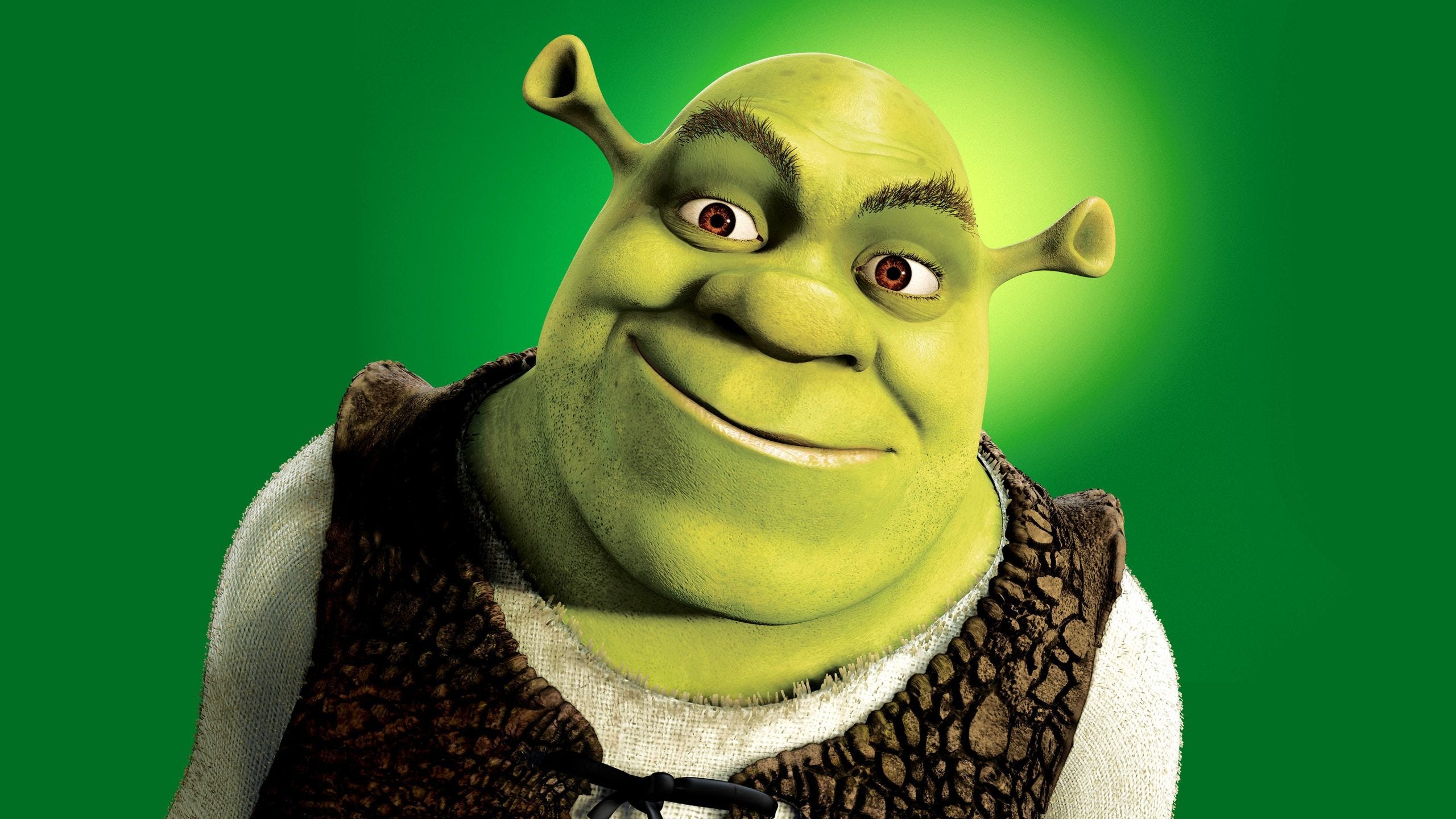
“Shrekking” is the viral Gen Z dating trend where people intentionally date someone they’re not attracted to, hoping they’ll get treated better for it. It sounds like a clever life hack. Dating experts say the logic is deeply flawed. Here’s what it means and why they’re waving a green flag of caution.
Just when you thought the internet had run out of bizarre names for dating behavior, along comes “Shrekking.” It’s the latest Gen Z dating trend to go viral, and yes, it’s named after everyone’s favorite green ogre.
The idea sounds almost clever on the surface: date someone you’re not that into, and they’ll treat you better. But dating experts are throwing up a big green flag of caution, because the logic has some serious holes. Here’s the deal.
So what is “Shrekking”?
Let’s define the term.
Shrekking refers to intentionally dating someone you’re not particularly physically attracted to, essentially “settling” on looks, in the hope that they’ll be more devoted, loyal, and treat you well in return. The name comes from people joking online that they’re “dating their Shrek.”
The core theory goes like this: if you date someone considered less conventionally attractive, they’ll be so grateful to be with you that they’ll treat you like gold. It’s dating as a strategy, trading raw attraction for the promise of better treatment. The term blew up online in late 2025, right around “cuffing season,” when everyone’s looking to pair off for the colder months, and got a big boost when comedians on the popular Bad Friends podcast joked about it.
The theory behind it
Here’s the psychology fans of the idea are leaning on.
To be fair, the impulse isn’t coming from nowhere. Experts note it’s partly a reaction to burnout. After endless swiping and getting hurt, some daters, particularly women, are exhausted by being treated poorly by conventionally attractive partners. As one expert put it, people are “fed up with being treated poorly and are simply trying new strategies.”
The thinking is that by removing looks from the equation, you also remove the ego, the vanity, and the sense of entitlement that can sometimes come with dating someone who knows they’re attractive. In theory, you get a more grateful, down-to-earth, loyal partner. Safety over sparks.

Why experts say the logic is broken
Here’s where the whole thing falls apart, according to the pros.
Dating experts are fairly united: the premise of Shrekking is flawed. The central assumption, that less attractive equals better behaved, simply doesn’t hold up. As dating coach Amy Chan told USA Today, the behavior itself isn’t new, but “where it backfires is when someone assumes that just because they’re dating ‘down’ in looks, they’ll automatically be treated better.”
The problems pile up fast:
Looks don’t predict loyalty. “Attractiveness has nothing to do with loyalty,” matchmaker Alexis Germany Fox noted. A person’s appearance tells you nothing about whether they’ll be a good, faithful partner. Kind and unkind people come in every look.
“Nice” isn’t a personality. As dating coach Sabrina Zohar bluntly put it, “Being nice is not a personality.” Someone being less attractive, or seeming “safe,” reveals nothing about their emotional maturity or whether you’re actually compatible.
You can’t fake attraction. A relationship where you’re just not that into your partner isn’t a stable foundation. Experts warn it’s built on fear of getting hurt rather than genuine connection, which is a recipe for its own kind of disappointment.
It’s really about fear, not strategy
Here’s the deeper point the experts keep circling back to.
Several noted that Shrekking is less a savvy dating hack and more a form of self-protection dressed up as confidence. The reasoning: if you date someone you’re not fully invested in, you have more control and less to lose, so you can’t get hurt as badly.
As Sabrina Zohar put it, “It’s self-protection, not self-awareness.” You’re not really choosing a better partner; you’re choosing a smaller risk. And picking someone mainly because they feel like a safe bet, while you’re not actually attracted to them, tends to lead somewhere just as unsatisfying as the heartbreak you were trying to dodge.
The part that’s actually healthy (and the part that isn’t)
Here’s the fair distinction worth making.
There’s a genuinely good idea buried in here: prioritizing how someone treats you over their looks is legitimately healthy. Plenty of great, lasting relationships come from people who valued character, kindness, and compatibility over a chiseled jawline. Experts point out the concept is ancient, think Charlotte marrying the bald, sweaty, wonderful Harry on Sex and the City. Chasing substance over surface is a good instinct.
The unhealthy part is the transactional framing. When “I value character over looks” curdles into “I’ll date someone I find ugly so they’ll be pathetically grateful and easy to control,” it stops being about connection and starts treating a real human being as a strategic downgrade. That’s not just bleak for them, it’s a mindset that reduces dating to a beauty scoreboard, which experts say fuels exactly the toxic dynamics people claim to be escaping.

Shrekking: what it really comes down to
So, is Shrekking the genius dating cheat code the internet makes it out to be? Not really. The healthy core, valuing how you’re treated over how someone looks, is timeless and smart. But the actual trend, deliberately “settling” on attraction as a strategy to guarantee good treatment, rests on a broken assumption: that looks predict loyalty. They don’t.
The experts’ verdict is pretty unanimous: there’s no cheat code for avoiding heartbreak, and trying to outsmart it by dating someone you’re not into usually just trades one kind of disappointment for another. Attraction matters, kindness matters more, and neither one is guaranteed by a person’s face. Date someone because you actually like them, not because you’ve calculated they’re a safe bet.
Turns out even ogres deserve better than being someone’s insurance policy.
Want More Clownfish TV?
This article was brought to you in part by The Reefers of more.clownfishtv.com. Free subscribers get articles like this one in their inbox. Paid subscribers get the full Clownfish TV podcast feed, livestreams, and members-only episodes that never hit YouTube.
D/REZZED is part of Clownfish TV. For more news, views, and rants on gaming, tech, and pop culture, watch @ClownfishTV on YouTube and find the podcast on Apple Podcasts, Spotify, and iHeart.
Article compiled and edited by Derek Gibbs (entertainment editor) and the Clownfish TV newsroom.
Hat Tips:
USA Today and Tyla (August-September 2025), verified for the definition of “Shrekking” (intentionally dating someone you’re not attracted to hoping to be treated better, the “dating your Shrek” origin), dating coach Amy Chan’s analysis (the behavior isn’t new, and it backfires when someone assumes dating “down” in looks means automatically being treated better), and the cuffing-season timing
HuffPost and Yahoo Lifestyle (October 2025), verified for dating coach Sabrina Zohar’s expert warnings (the “self-protection, not self-awareness” framing, “being nice is not a personality,” and the point that you can’t fake attraction or force compatibility)
Newsweek (September 2025), verified for matchmaker Alexis Germany Fox’s analysis (the “attractiveness has nothing to do with loyalty” point and the self-preservation/fear-of-judgment framing), Dr. Jennie Rosier’s note on dating apps amplifying “appearance hierarchies,” the Bad Friends podcast’s role in spreading the trend, and dating coach Rae Weiss’s point that the concept is ancient (citing Charlotte and Harry from Sex and the City)