

Why did Nintendo sue Palworld and not the dozens of other Pokémon-likes?
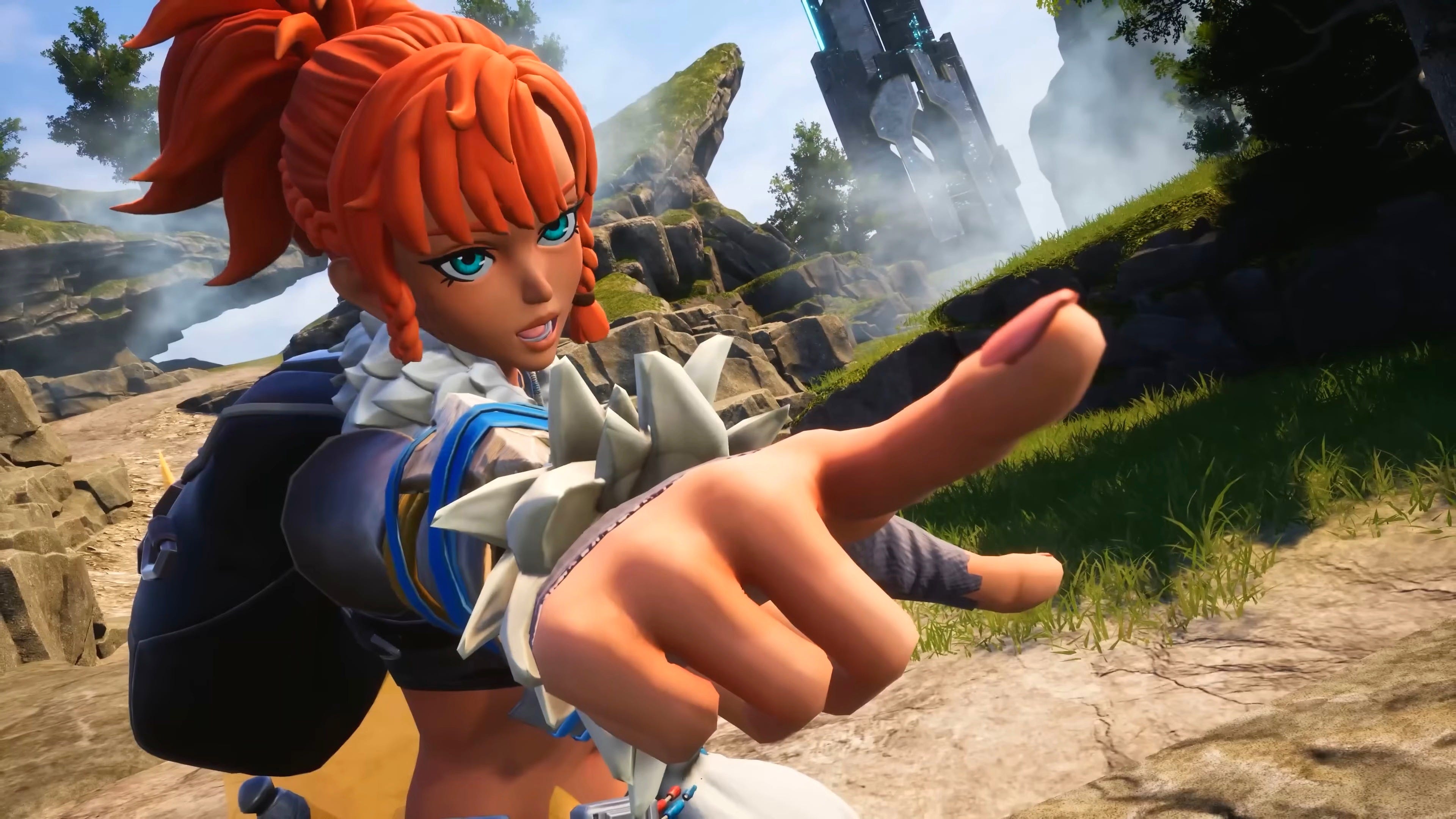
There are tons of monster-catching games, Cassette Beasts, Digimon, Monster Sanctuary, and more, so why did Nintendo single out Palworld? The answer comes down to patents, timing, success, and maybe a deal with Sony.
The internet is full of “Pokémon-like” monster-catching games. Cassette Beasts, Digimon, Monster Sanctuary, Temtem, Coromon, the list goes on for miles. So why, out of all of them, did Nintendo sue Palworld specifically?
It’s one of the most-asked questions in gaming, and the answer isn’t what most people assume. It comes down to patents, timing, raw success, and possibly a certain deal with Sony. Let’s break down why Palworld, and only Palworld, ended up in court.
First, the big misconception
Here’s the thing almost everyone gets wrong about this lawsuit.
Most people assume Nintendo sued Palworld because its “Pals” look like Pokémon, the memes about Palworld creatures resembling Pikachu and friends were everywhere at launch. But that’s not what the lawsuit is about.
Nintendo and The Pokémon Company sued Pocketpair (Palworld’s developer) in September 2024 for patent infringement, not copyright or character design. The suit targets three specific gameplay patents: two covering creature-catching mechanics, and one covering riding/mounting characters. It has nothing to do with how the Pals look.
This distinction is the key to the entire mystery. Once you understand it’s about patented mechanics, the “why Palworld” question starts to make sense.
Why not Cassette Beasts, Digimon, and the rest?
So why do all those other monster-catchers get a pass? A few real reasons.
They don’t use the same mechanics. Nintendo’s patents are narrow and specific, things like throwing a device to capture a creature in the overworld, and smoothly switching between riding different creatures. Many monster-catchers, like Cassette Beasts, use turn-based combat and menu-based capture. They don’t replicate the exact real-time, throw-a-ball-to-catch-it-then-ride-it system the patents describe. Palworld did.
Some are too small to bother with. Suing costs money and generates bad press. A tiny indie game with modest sales isn’t worth Nintendo’s time or the PR hit. The legal effort has to be justified by the target.
Some are licensed or established. Digimon is a major, long-running franchise owned by Bandai Namco with its own legal footing, not an easy or sensible target. It long predates the patents anyway.
In short, most monster-catchers either dodge the specific patented mechanics, are too small to matter, or are too legally established to touch. Palworld checked none of those protective boxes.
Theory 1: Was it the success?
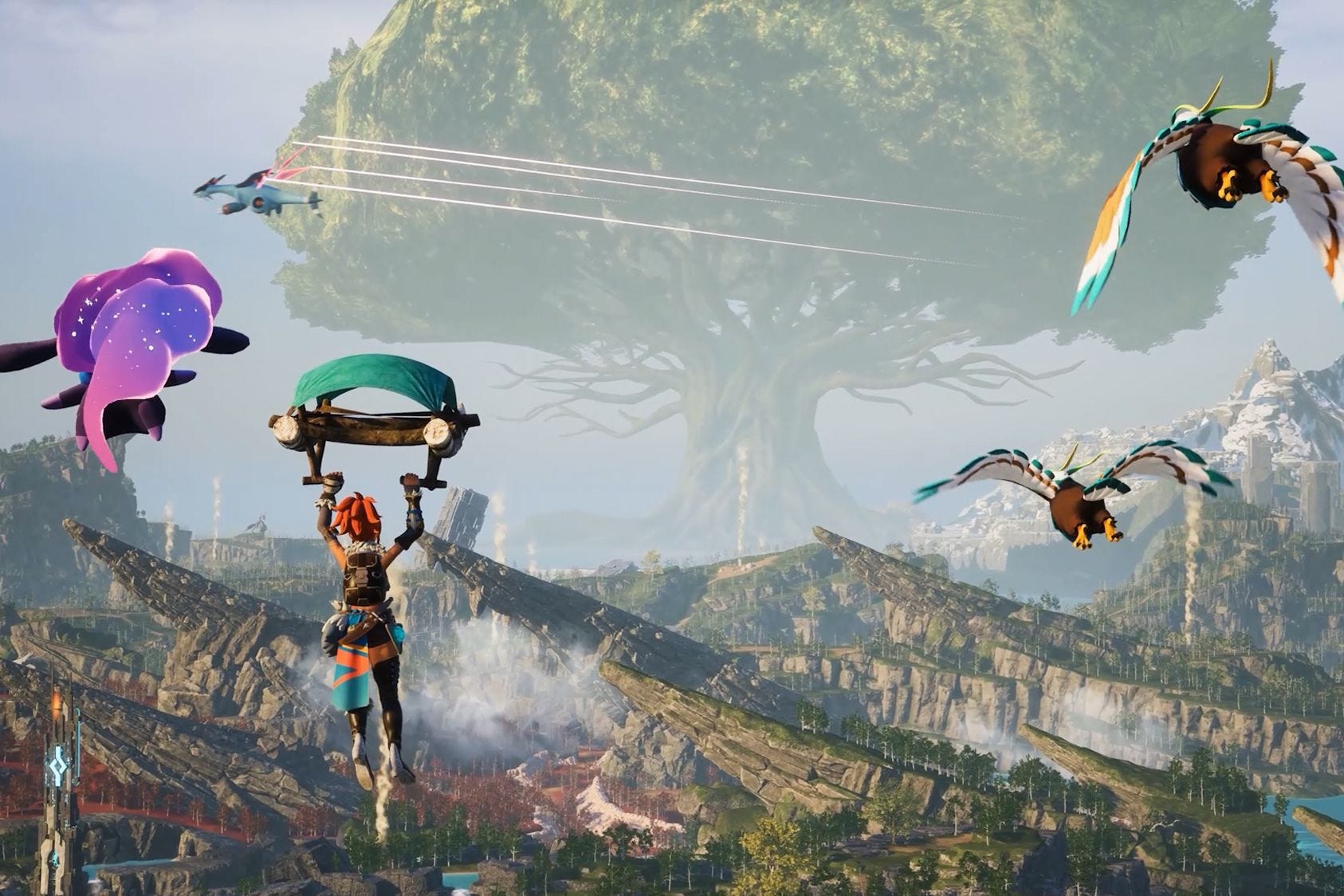
Palworld wasn’t just another Pokémon-like. It was a phenomenon. It sold over 25 million players within a month of its January 2024 launch, set Steam records, and became one of the biggest breakout hits in gaming history. For the first time in decades, something looked like a genuine threat to Pokémon’s monster-catching throne.
That success matters in two ways.
First, it made Palworld an actual competitive threat worth neutralizing.
Second, it gave Palworld deep enough pockets to be worth suing, you don’t get a meaningful injunction or settlement out of a game nobody bought. Palworld was big enough to threaten Pokémon and big enough to be a target. The smaller monster-catchers were neither.
This success very likely painted the target. Nintendo doesn’t sue games that aren’t a threat.
Theory 2: The suspicious timing of the patents
Here’s a detail that makes the “they targeted Palworld” theory even stronger.
Some of the specific patents Nintendo is using were filed after Palworld launched. Nintendo took an older parent patent (with a 2021 priority date) and rushed through new “divisional” patents in 2024, after Palworld blew up. Critics argue this looks like Nintendo reverse-engineering patents specifically to fit Palworld’s mechanics, then suing.
That’s a big reason the gaming and legal community has been so critical. It’s not “Palworld stole our long-standing patent.” It’s closer to “Palworld got huge, so we crafted patents to match it.” Patent experts have noted how unusual Nintendo’s maneuvering has been, including amending a patent in the middle of the lawsuit.
Theory 3: Did the Sony deal trigger it?
The timeline genuinely backs it up as a real possibility.
On July 10, 2024, Pocketpair announced Palworld Entertainment, a joint venture with Sony Music and Aniplex (a Sony subsidiary) to expand Palworld into anime, merchandise, and global media, essentially turning Palworld into a full franchise, the exact thing Pokémon is.
Nintendo filed its lawsuit on September 19, 2024. That’s roughly two months after the Sony deal.
Connect those dots and the theory writes itself: Palworld wasn’t just a hit game anymore, it was about to become a Sony-backed media empire competing directly with Pokémon’s billion-dollar merchandising machine. And Sony is Nintendo’s biggest console rival. Fans noticed immediately, threads lit up arguing the Sony partnership is what turned Palworld from “annoying clone” into “strategic threat that must be stopped.”
To be fair and clear: Nintendo has never said the Sony deal triggered the suit, and the two could be coincidental. This is circumstantial, a timeline, not a confirmed cause. But it’s a genuinely striking sequence, and it’s reasonable to suspect the prospect of a Sony-powered Palworld franchise raised the stakes for Nintendo.
So, the real answer
Put it all together, and here’s the honest picture of why Palworld got singled out.
It’s not one reason, it’s a perfect storm. Palworld used mechanics that matched Nintendo’s specific patents (unlike turn-based monster-catchers). It became massively successful, making it both a real threat and a worthwhile target.
The timing of Nintendo’s patent filings suggests deliberate targeting. And a Sony-backed plan to turn Palworld into a media franchise may have raised the competitive stakes right before the suit landed.
The other monster-catchers were safe because they were some combination of too small, too different mechanically, or too legally established. Palworld was the one game that was huge, mechanically close, freshly weaponized by new patents, and about to get even bigger with Sony’s help.
It was, in nearly every sense, the perfect, and maybe the only, target.
Where it stands now
A quick update, because the story’s still unfolding, and it’s not going Nintendo’s way.
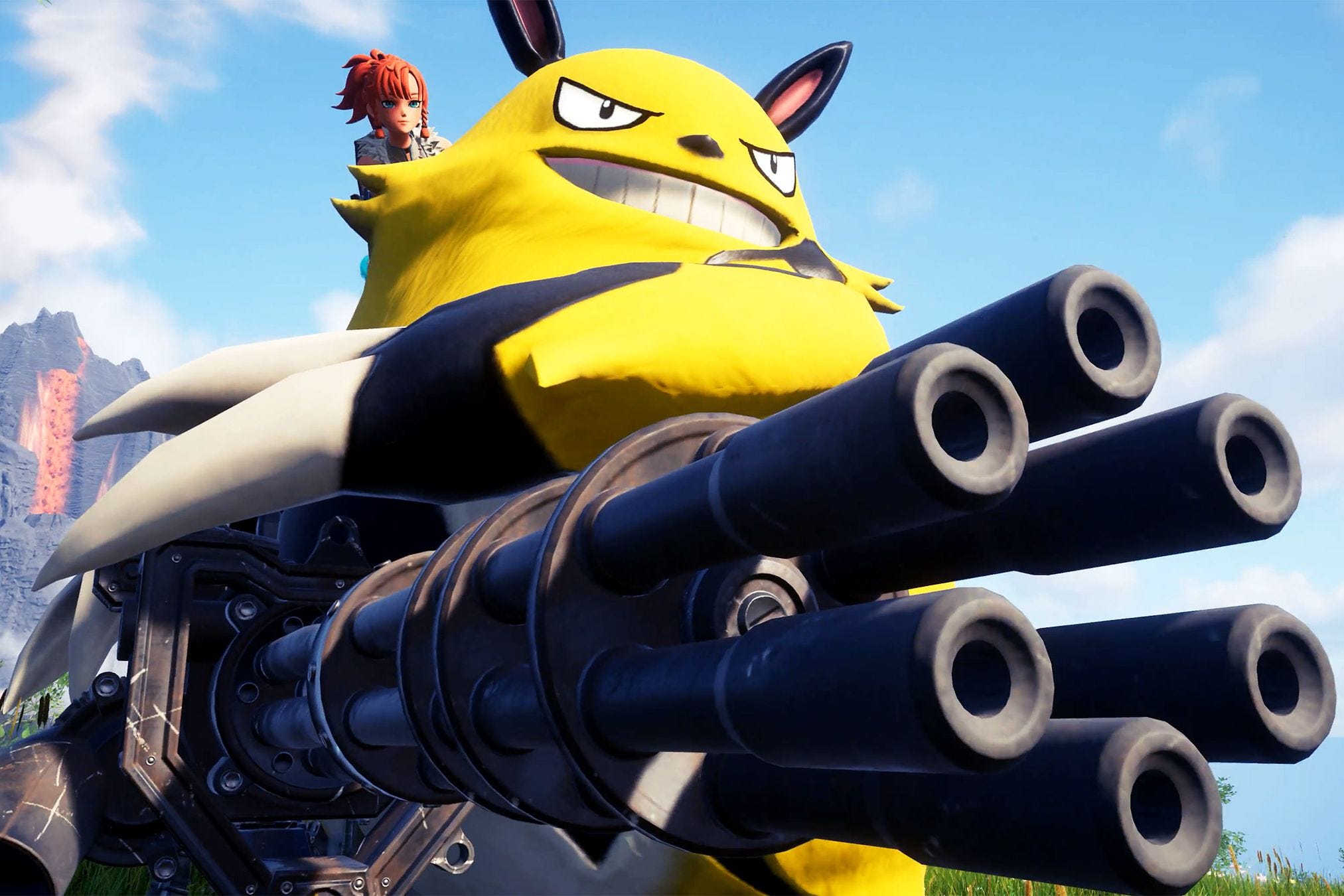
Patent offices in both Japan and the US have been rejecting key Nintendo patent claims as unoriginal, ruling that “throw a thing to catch a monster and make it fight” is too obvious and well-established to patent, citing prior games going back decades. The lawsuit grinds on in Tokyo with no trial date set, while Pocketpair has already tweaked Palworld’s mechanics to sidestep the claims.
Whatever Nintendo’s reasons for picking Palworld, the case has become something bigger: a fight over whether basic game mechanics can be owned at all. And so far, the patent offices seem to be saying no. For every indie developer who’s ever wanted to make a monster-catching game, that answer matters a lot more than who Nintendo decided to sue.
Want More Clownfish TV?
This article was brought to you in part by The Reefers of more.clownfishtv.com. Free subscribers get articles like this one in their inbox. Paid subscribers get the full Clownfish TV podcast feed, livestreams, and members-only episodes that never hit YouTube.
D/REZZED is part of Clownfish TV. For more news, views, and rants on gaming, tech, and pop culture, watch @ClownfishTV on YouTube and find the podcast on Apple Podcasts, Spotify, and iHeart.
Article compiled and edited by Derek Gibbs (entertainment editor) and the Clownfish TV newsroom.
Hat Tips:
Games Fray (Florian Mueller) and GamesRadar (2025-2026), verified for the three-patent structure (two monster-catching, one riding), the September 19, 2024 filing, the December 2021 parent-patent priority date, the post-launch divisional filings, and the mid-litigation amendment
Nintendo Life and Windows Central (April 2026), verified for the US and Japan patent rejections, the “lacks inventive step” rulings, the prior-art citations (Monster Hunter, ARK, Craftopia, Pokémon GO), and the expert criticism
Sony Music, Aniplex, and Pocketpair press release, via Gematsu and Game Developer (July 10, 2024), verified for the Palworld Entertainment joint venture, the anime/merchandise/media expansion plan, and the 25-million-players-in-a-month figure
All About Lawyer and Palworld Zones (2026), verified for the ~$66,000 damages sought, the injunction request, the Tokyo District Court status, the no-trial-date timeline, and the “drain a competitor” analysis framing